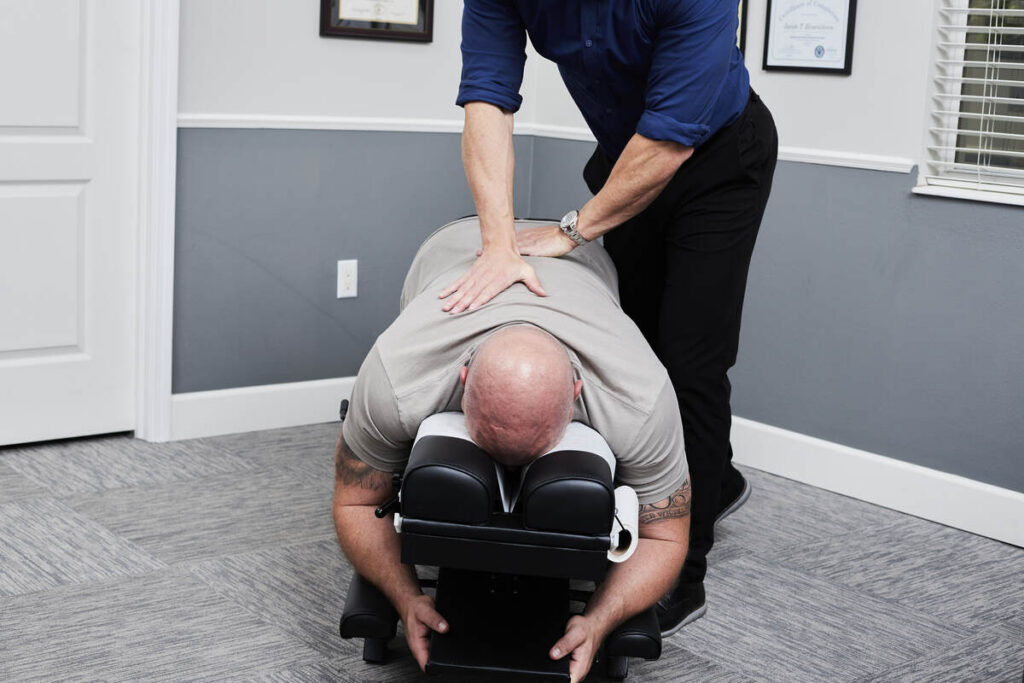
As you navigate the complexities of chronic back pain, you might be surprised to discover how chiropractic solutions are evolving by 2025. With advancements in technology and a focus on personalized treatment plans, chiropractors are equipped to address your specific needs more effectively than ever before. Imagine integrating telehealth consultations and real-time monitoring into your care, creating a more responsive approach to your pain management. What does this mean for your recovery journey, and how might these innovations change the way you view chiropractic care?
Understanding Chronic Back Pain
Chronic back pain affects about 80% of adults at some point in their lives, making it a common yet complex issue. You might experience this pain in different forms—sharp, dull, or throbbing—and it can stem from various causes.
It's vital to recognize that chronic back pain isn't just a result of an injury; it can also develop from stress, poor posture, or even lifestyle choices.
You may notice that this pain doesn't just impact your physical well-being; it can affect your emotional state too. Frustration and anxiety often accompany chronic pain, leading to a cycle that can be hard to break.
It's important to understand that the longer you live with this pain, the more it can affect your daily life, from work performance to social interactions.
When you think about managing your chronic back pain, consider the significance of understanding its underlying causes. For example, muscle imbalances or weakened core strength can contribute to your discomfort.
You might find that simple adjustments in your daily routine—like incorporating stretching or strengthening exercises—can lead to significant improvements.
Additionally, your mental approach plays a significant role. Being proactive about your pain management and seeking out solutions can empower you to regain control over your life.
Acknowledging the complexity of chronic back pain is the first step towards finding effective relief and improving your overall quality of life.
The Role of Chiropractic Care
Chiropractic care plays an essential role in managing back pain by offering targeted adjustments that can relieve discomfort.
You'll appreciate its holistic approach to healing, which addresses not just the symptoms but also the underlying causes of your pain.
Plus, with personalized treatment plans tailored to your needs, you're more likely to find effective relief and support for long-term wellness.
Benefits of Chiropractic Adjustments
When it comes to alleviating back pain, many people find relief through adjustments offered by chiropractic care. These adjustments help restore proper alignment in your spine, which can reduce discomfort and improve your overall mobility. By addressing misalignments, chiropractors enable your body to function more efficiently, leading to a reduction in pain and an increase in your range of motion.
Chiropractic adjustments can also enhance circulation, promoting better blood flow to your muscles and tissues. This improved circulation helps speed up the healing process, allowing your body to recover more quickly from injuries or strains.
Additionally, these adjustments can boost your immune system by ensuring your nervous system operates effectively, which is essential for overall health.
You might also notice a decrease in muscle tension and stiffness after receiving chiropractic care. This relief often leads to a greater sense of well-being, as you're able to engage in daily activities without the burden of pain.
Ultimately, chiropractic adjustments provide a non-invasive, effective approach to managing chronic back pain, allowing you to reclaim your life and enjoy a more active lifestyle.
Holistic Approach to Healing
Addressing back pain goes beyond just adjustments; it involves a holistic approach that considers the entire body and its interconnected systems.
As you explore chiropractic care, you'll find that it promotes overall wellness by focusing on the root causes of your pain rather than merely alleviating symptoms. This means that your chiropractor will evaluate not only your spine but also your posture, muscle strength, and even your lifestyle habits.
Incorporating nutritional guidance, exercise regimens, and stress management techniques can enhance your healing process.
You might be encouraged to adopt healthier eating habits or engage in specific exercises designed to strengthen your core and improve flexibility.
Additionally, your chiropractor may suggest mindfulness practices or relaxation techniques to help reduce stress, which can contribute to muscle tension and pain.
#
Personalized Treatment Plans
Creating a personalized treatment plan is crucial for effectively managing your back pain. Every individual experiences pain differently, influenced by factors like lifestyle, medical history, and spinal alignment. That's why a one-size-fits-all approach often falls short.
When you visit a chiropractor, they'll assess your unique situation through thorough examinations and diagnostic imaging. This information allows them to identify the root causes of your discomfort. Based on this analysis, they'll craft a tailored treatment plan designed specifically for you. This may include a combination of spinal adjustments, therapeutic exercises, and lifestyle recommendations.
You'll also benefit from regular progress evaluations. As you improve, your chiropractor can modify your plan to guarantee you continue on the right path. This adaptability not only enhances your recovery but also empowers you to take an active role in your healing journey.
Incorporating holistic elements, such as nutrition and stress management techniques, can further support your back health. Ultimately, a personalized treatment plan allows you to address your pain effectively, paving the way for long-term relief and improved overall wellness.
Innovative Treatment Techniques
When it comes to treating back pain, you'll find that innovative techniques are changing the game.
Advanced spinal manipulation, neuromuscular re-education methods, and even virtual reality rehabilitation tools are now at your fingertips.
These approaches not only enhance your recovery but also empower you to take control of your back health.
Advanced Spinal Manipulation Techniques
Advanced spinal manipulation techniques represent a significant evolution in chiropractic care, offering innovative solutions for back pain relief.
These techniques focus on precision and effectiveness, ensuring you receive the best possible treatment tailored to your needs. Here are four advanced methods you might encounter in your chiropractic journey:
- Activator Method: This gentle, instrument-assisted technique allows for targeted adjustments without the traditional manual force, making it ideal for those with acute pain or discomfort.
- Flexion-Distraction Technique: By gently stretching the spine, this method alleviates pressure on discs and nerves, improving mobility and reducing pain.
- Spinal Decompression Therapy: This technique uses a traction table to create negative pressure in the discs, promoting healing and relief from chronic pain.
- Cox Technic: A highly specialized form of flexion-distraction, this method focuses on relieving pressure on nerve roots and the spinal cord, often yielding rapid results for patients with severe pain.
With these advanced techniques, you can experience more effective and lasting relief from chronic back pain, empowering you to regain control of your life.
Neuromuscular Re-education Methods
Neuromuscular re-education methods are transforming the way chiropractors address back pain by focusing on restoring proper movement patterns and muscle function. These techniques help you regain control over your body, guaranteeing your muscles work in harmony. By identifying and correcting dysfunctional movement patterns, chiropractors can help you break free from chronic pain.
One effective approach involves proprioceptive training, which enhances your awareness of body position and movement. Through targeted exercises, you'll learn how to engage the right muscles when performing daily activities, reducing stress on your spine.
Additionally, manual therapy techniques can assist in retraining your muscles, helping them respond appropriately to different movements. Chiropractors may also incorporate functional movement assessments to pinpoint specific weaknesses or imbalances.
This tailored approach guarantees that your treatment is personalized, addressing your unique needs. As you progress, you'll likely notice improved strength, flexibility, and overall function, empowering you to participate in activities you may have avoided due to pain.
Incorporating neuromuscular re-education methods into your chiropractic care can lead to lasting relief from back pain, enhancing your quality of life and restoring your ability to move freely.
Virtual Reality Rehabilitation Tools
Chiropractors are now embracing innovative treatment techniques like virtual reality (VR) rehabilitation tools to further enhance recovery from back pain.
These immersive experiences not only engage you mentally but also guide you through therapeutic exercises in a fun and interactive way.
Here's how VR can transform your rehabilitation journey:
- Customized Exercises: VR allows for tailored exercise programs that adapt to your progress, ensuring you're always challenged but never overwhelmed.
- Real-time Feedback: You'll receive immediate feedback on your movements, helping you correct your form and optimize each session.
- Motivational Environment: The engaging nature of VR can make your rehab sessions feel more like a game, increasing your motivation to stick with the program.
- Reduced Anxiety: VR can create a calming environment, which helps alleviate the stress often associated with physical therapy, making it easier for you to focus on recovery.
Advanced Diagnostic Tools
In today's world of healthcare, utilizing advanced diagnostic tools can greatly enhance the evaluation of back pain. You'll find that these tools provide a more accurate picture of your condition, allowing healthcare professionals to pinpoint the underlying issues more effectively. Techniques like MRI and CT scans give detailed images of your spine and surrounding tissues, helping identify herniated discs, fractures, or other abnormalities.
Additionally, advancements in ultrasound technology enable real-time imaging, which can help assess soft tissue injuries and guide precise interventions. These methods are non-invasive and often more comfortable than traditional diagnostic approaches, making them an excellent choice for those dealing with chronic back pain. You can expect a thorough evaluation that goes beyond just physical examinations.
Digital tools, such as motion analysis systems, are also becoming increasingly popular. These systems track your movements and identify any biomechanical issues that could be contributing to your pain. By understanding how you move, your chiropractor can target specific areas for improvement, making the diagnostic process more extensive.
Moreover, integrating artificial intelligence into diagnostic practices allows for quicker analysis of imaging results, leading to faster decisions regarding your care. As technology continues to evolve, you'll notice that these tools will play a vital role in enhancing diagnosis accuracy, which ultimately supports better treatment outcomes.
Embracing these innovations can help you receive the precise care you need, setting the stage for effective rehabilitation and recovery.
## Personalized Treatment Plans
When it comes to treating your back pain, personalized treatment plans are essential.
You'll undergo thorough assessments to identify your specific needs, followed by tailored therapy approaches designed just for you.
Plus, ongoing progress monitoring guarantees your plan adjusts as you heal, leading to the best possible outcomes.
Comprehensive Assessment Techniques
A thorough assessment is essential for creating an effective personalized treatment plan for back pain. It helps you and your chiropractor understand the underlying causes of your discomfort and tailor a strategy that meets your specific needs.
Here are four key assessment techniques you should expect during your chiropractic evaluation:
- Medical History Review: You'll discuss your past injuries, surgeries, and any other medical conditions that could affect your back pain.
- Physical Examination: Your chiropractor will conduct a hands-on examination, checking your spine's alignment, muscle strength, and range of motion.
- Posture Analysis: You'll be evaluated for any postural imbalances that may contribute to your pain, as poor posture can lead to chronic issues.
- Diagnostic Imaging: In some cases, your chiropractor may recommend X-rays or MRI scans to get a clearer picture of your spine and surrounding structures.
Tailored Therapy Approaches
Creating a personalized treatment plan is essential for effectively addressing your back pain. Each individual's experience with pain is unique, so a one-size-fits-all approach simply won't cut it. By working closely with your chiropractor, you can identify the specific factors contributing to your discomfort and develop a tailored strategy that suits your needs.
Your plan may include a combination of manual adjustments, therapeutic exercises, and lifestyle modifications. For instance, your chiropractor might recommend targeted spinal manipulations to relieve tension and enhance mobility. They may also suggest specific stretches or strength-building exercises to support your spine and improve your overall posture.
Additionally, nutritional advice could be part of your personalized plan, as a healthy diet can support healing and reduce inflammation. Stress management techniques, such as mindfulness or yoga, might also be included to help you cope with pain more effectively.
Ultimately, the goal of a tailored therapy approach is to empower you with the tools and knowledge to manage your back pain proactively. By actively participating in your treatment, you're not just addressing the symptoms; you're working towards long-term relief and improved quality of life.
Ongoing Progress Monitoring
Monitoring your progress is an essential part of any personalized treatment plan for back pain. Regularly evaluating how you're responding to chiropractic care helps guarantee you're on the right track and allows for adjustments as needed.
This ongoing monitoring not only keeps you informed but also empowers your chiropractor to tailor your treatment effectively. Here are four key aspects to reflect on:
- Symptom Tracking: Keep a log of your pain levels, frequency, and any activities that trigger discomfort. This data provides valuable insight into your condition.
- Functional Assessments: Regular evaluations of your mobility and strength can help pinpoint areas of improvement or concern, guiding your treatment plan.
- Feedback Sessions: Engage in open dialogue with your chiropractor about your experiences. Your feedback is essential for fine-tuning your therapy.
- Goal Setting: Establish short- and long-term goals together. This not only motivates you but also provides measurable targets for your recovery journey.
Technology in Chiropractic Care
Innovations in technology are transforming chiropractic care, making treatments more effective and efficient. You're likely to encounter advanced diagnostic tools that provide detailed insights into your spinal health. For instance, digital imaging techniques such as MRI and CT scans allow chiropractors to visualize your spine with remarkable precision, enabling them to develop tailored treatment plans.
You might also experience the benefits of automated adjustment tables. These tables utilize computerized systems to deliver precise adjustments based on your body's specific needs. By reducing the physical strain on both you and your chiropractor, these tables enhance the overall safety and effectiveness of treatments.
Moreover, wearable technology is becoming increasingly popular in chiropractic care. You can track your posture, movement patterns, and pain levels in real time. This data helps your chiropractor monitor your progress remotely, making it easier to adjust your treatment plan as needed.
Telehealth is another game changer, allowing you to consult with your chiropractor from the comfort of your home. This option not only saves time but also increases accessibility, especially for those with mobility issues.
Finally, virtual reality (VR) is gaining traction as a tool for pain management and rehabilitation. You might find yourself engaging in VR therapy sessions that help distract from pain while guiding you through specific exercises to strengthen your back.
In all these ways, technology is enhancing chiropractic care, ensuring that you receive the best possible support for your chronic back pain.
Holistic Approaches to Healing
Embracing holistic approaches to healing can greatly enhance your chiropractic experience. By addressing not just the physical symptoms of back pain but also the emotional and lifestyle factors, you can achieve a more balanced and effective recovery.
Here are four holistic strategies you may want to take into account:
- Mindfulness and Meditation: Practicing mindfulness can help you manage stress, which often exacerbates pain. Techniques like deep breathing and meditation promote relaxation and can help you stay present in your healing journey.
- Nutrition: Your diet plays a vital role in managing inflammation and supporting overall health. Incorporating anti-inflammatory foods, such as fruits, vegetables, nuts, and fatty fish, can help reduce pain and improve recovery.
- Exercise and Movement: Engaging in low-impact activities, such as yoga or swimming, can strengthen your back and improve flexibility. Regular movement not only alleviates pain but also promotes the release of endorphins, which are natural painkillers.
- Massage Therapy: Complementing chiropractic care with massage can enhance muscle relaxation and improve circulation. This combination often leads to a more effective and thorough relief from back pain.
Patient Education and Empowerment
Many patients underestimate the power of understanding their condition when it comes to managing back pain. When you know what's causing your discomfort, you're better equipped to make informed decisions about your treatment. This education empowers you to take an active role in your healing process, rather than passively waiting for relief.
Chiropractic care focuses on the relationship between your spine, nervous system, and overall health. By learning how these elements interact, you can grasp why certain adjustments or lifestyle changes can lead to improvements. Your chiropractor can guide you through this process, explaining the mechanics of your body and how they relate to your pain.
In addition to understanding your condition, it's crucial to recognize the importance of self-care. This includes incorporating exercises that strengthen your core and improve flexibility. Your chiropractor can recommend specific routines tailored to your needs. By engaging in these activities, you not only alleviate pain but also enhance your overall well-being.
Don't hesitate to ask questions during your appointments. Clarifying doubts will deepen your understanding and foster better communication with your chiropractor. As you become more educated about your condition, you'll feel more confident in discussing treatment options and setting realistic goals.
Ultimately, patient education isn't just about knowledge; it's about empowerment. By taking charge of your health journey, you'll find that managing back pain becomes a collaborative effort between you and your chiropractor, leading to better outcomes and a more fulfilling life.
Future Trends in Chiropractic
The landscape of chiropractic care is evolving rapidly, driven by advancements in technology and a deeper understanding of holistic health.
As you explore the future of chiropractic, you'll notice several key trends set to transform the way you experience care. Here are four trends to keep an eye on:
- Telehealth Integration: More chiropractors are adopting telehealth services, allowing you to receive consultations and follow-ups from the comfort of your home. This not only saves time but also increases accessibility for those with mobility challenges.
- Wearable Technology: Devices that track your posture, movement, and overall health are becoming more prevalent. These wearables provide chiropractors with valuable data, enabling personalized treatment plans tailored to your specific needs.
- Holistic Approaches: The future of chiropractic isn't just about spinal adjustments. Expect an increase in complementary therapies, such as nutrition counseling and mindfulness practices, to address the whole person rather than just symptoms.
- Research and Evidence-Based Practices: As more clinical research emerges, chiropractors are relying on evidence-based practices. This trend means you'll benefit from treatments backed by scientific findings, improving the effectiveness of your care.
These trends signal a shift toward more personalized, accessible, and thorough chiropractic care.
Staying informed about these developments can help you make the best choices for your health and well-being.
Success Stories and Case Studies
As chiropractic care continues to evolve with innovative approaches and technologies, real-life success stories highlight the profound impact these methods can have on individuals dealing with back pain.
Take Sarah, for example. After years of struggling with chronic lower back pain, she decided to seek chiropractic treatment. Utilizing a combination of spinal manipulation, soft tissue therapy, and personalized exercise plans, her chiropractor helped her regain mobility and reduce pain. Within weeks, Sarah noticed significant improvements, allowing her to return to activities she thought she'd never enjoy again.
Another inspiring case is that of Mark, who suffered from debilitating upper back pain due to long hours at a desk. His chiropractor implemented ergonomic assessments and tailored adjustments to address his specific needs. With ongoing support, Mark learned how to incorporate posture corrections and stretches into his daily routine. He's now pain-free and has even taken up running.
These stories aren't just isolated incidents. Numerous case studies reveal consistent trends in patient satisfaction and recovery rates following chiropractic interventions. Patients like you often find relief through a proactive approach that combines manual therapy with lifestyle changes.
Chiropractic care empowers individuals to take charge of their health, leading to lasting improvements in quality of life. As you explore these success stories, consider how chiropractic solutions can also be part of your journey toward a pain-free future. You might just discover the relief and freedom you've been searching for.
Conclusion
In 2025, chiropractic solutions for chronic back pain will transform your recovery experience. With personalized treatment plans and innovative techniques, you'll receive targeted relief tailored to your needs. The integration of telehealth and real-time monitoring will empower you to take charge of your health. Emphasizing holistic approaches like nutrition and mindfulness will further enhance your well-being. Embrace these advancements, and you'll find renewed hope for a pain-free life and improved quality of life.