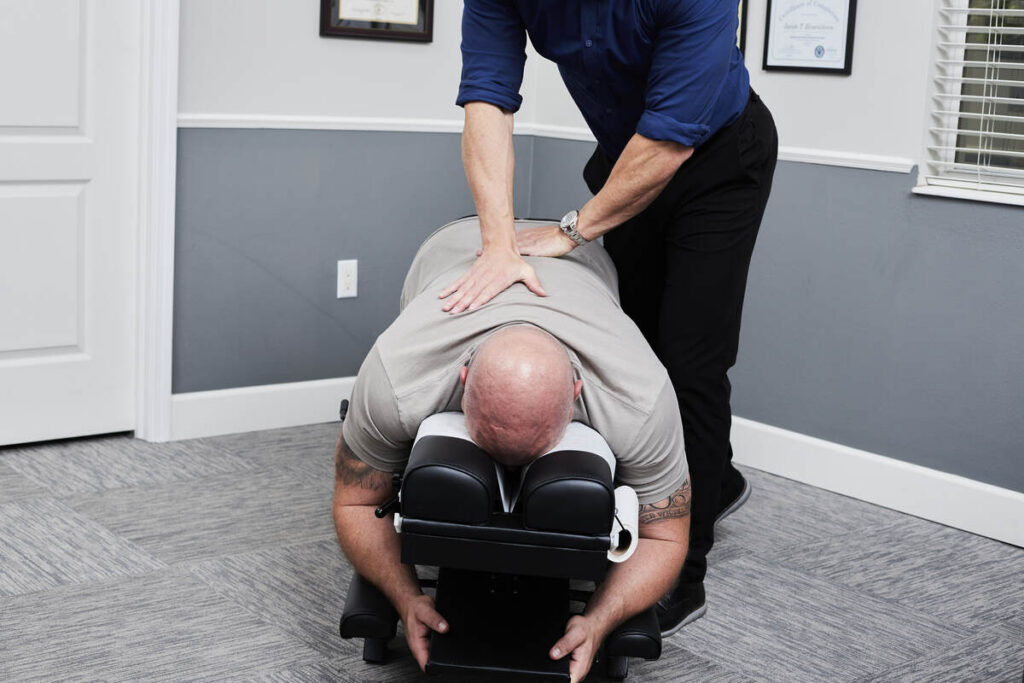

When you think about improving your flexibility and mobility, chiropractic care often comes to mind as a viable option. By addressing spinal misalignments and enhancing joint function, you might find that targeted adjustments can greatly impact how you move. This approach not only helps alleviate tension but also fosters better communication within your nervous system, which is essential for maintaining a healthy range of motion. Curious about how these adjustments translate into everyday benefits and athletic performance? There's much more to explore on this topic.
Understanding Chiropractic Care
Chiropractic care focuses on diagnosing and treating musculoskeletal disorders, particularly those related to the spine. If you've ever experienced back pain, neck stiffness, or joint discomfort, you might benefit from chiropractic treatment. Chiropractors use hands-on techniques to adjust misaligned vertebrae, improving your body's overall function. They believe that proper alignment plays an essential role in your health, helping to relieve pressure on nerves and enhancing communication between your brain and body.
During your first visit, the chiropractor will conduct a thorough assessment, which includes discussing your medical history and performing a physical examination. They'll look for any imbalances or restrictions in your spine and joints. Based on their findings, they'll create a personalized treatment plan tailored to your needs.
The primary technique involves spinal manipulation, but chiropractors may also incorporate other methods, like soft tissue therapy, exercises, or lifestyle advice. You'll find that each session aims to reduce pain, restore mobility, and promote healing. Regular adjustments can help you maintain better posture and prevent future issues.
It's essential to keep in mind that chiropractic care isn't just for those with existing pain. Even if you feel fine, routine visits can help maintain your health and prevent problems down the line.
Importance of Flexibility
Flexibility is an essential component of overall health and well-being, allowing your body to move freely and efficiently. When you maintain good flexibility, you can perform daily activities with ease, whether it's bending down to tie your shoes or reaching for something on a high shelf. This range of motion reduces the risk of injuries, as your muscles and joints can handle sudden movements better.
Incorporating flexibility into your routine can also improve your athletic performance. If you're an athlete or enjoy recreational sports, being flexible allows you to execute movements more effectively, enhancing your strength and coordination. You'll find that stretching before and after physical activities can lead to better results and quicker recovery times.
Moreover, flexibility plays a significant role in maintaining proper posture. Tight muscles can lead to imbalances, which may result in discomfort or chronic pain. By focusing on your flexibility, you help alleviate tension and promote a more aligned body, which is essential for overall comfort and functionality.
Lastly, flexibility isn't just about physical advantages; it can also have mental benefits. Stretching can act as a form of relaxation, reducing stress and promoting a sense of well-being. When you take time to focus on your body, you cultivate mindfulness, which can positively impact your mood and mental clarity.
How Chiropractic Adjustments Work
Maintaining flexibility can enhance the effectiveness of chiropractic care by guaranteeing your body responds well to adjustments. Chiropractic adjustments work by realigning your spine and other joints, helping to restore proper function and alleviate pain.
When you visit a chiropractor, they'll assess your spine's alignment and identify areas of restriction or misalignment. Using precise techniques, they apply controlled force to specific joints, often resulting in a popping sound as gas bubbles release from the joint spaces. This technique helps to reduce nerve irritability and improve mobility.
By addressing misalignments, chiropractic adjustments allow your nervous system to communicate more effectively with the rest of your body, promoting overall wellness. As your chiropractor works to restore alignment, they also focus on the surrounding muscles and soft tissues.
They might use various approaches, like stretching or massage, to enhance flexibility and support the adjustments. This holistic approach guarantees that your body isn't just realigned but also ready to maintain its new position.
You'll likely notice that regular adjustments can lead to increased range of motion and reduced tension. It's important to understand that these adjustments aren't just one-time fixes; they work best when integrated into a broader wellness plan that includes proper stretching and strengthening exercises.
Benefits for Athletes
Athletes often seek chiropractic care to enhance their performance and recovery. Regular adjustments can help you maintain ideal alignment, which is vital for peak performance. When your spine is in proper alignment, your nervous system functions more efficiently, allowing your muscles to respond better during training and competition. This improved neuromuscular function can lead to quicker reflexes and enhanced coordination, giving you a competitive edge.
Chiropractic care also plays a significant role in injury prevention. By addressing misalignments and muscle imbalances, you reduce the risk of injuries that can sideline you for extended periods. Regular visits can identify potential problem areas before they escalate into serious issues.
Plus, chiropractors often provide tailored exercise and stretching programs, which enhance your overall strength and flexibility.
Recovery is another essential aspect where chiropractic care shines. After intense training or competition, your body may be sore or fatigued. Chiropractic adjustments can alleviate tension and promote circulation, speeding up the recovery process. You'll find that you bounce back more quickly, ready to tackle your next challenge.
Incorporating chiropractic care into your routine can also improve your mental focus. A well-aligned body often leads to a well-aligned mind, allowing you to concentrate better during both practice and competition.
Enhancing Everyday Mobility
Enhancing your everyday mobility starts with understanding the importance of joint mobility for your overall health.
By incorporating stretching techniques into your routine, you can improve flexibility and prevent injuries.
Let's explore some daily practices that can help you move more freely and comfortably.
Importance of Joint Mobility
Joint mobility plays an essential role in your everyday activities, influencing how easily you move and perform tasks. When your joints are flexible and function well, you can bend, twist, and reach without pain or restriction. This ease of movement enhances your ability to engage in daily routines, from simple chores to recreational activities.
Incorporating good joint mobility into your life can prevent injuries and reduce discomfort. If your joints are stiff or limited in movement, you may find yourself compensating by altering your posture or movement patterns, which can lead to further issues over time. By maintaining ideal joint function, you not only improve your physical performance but also increase your overall quality of life.
Moreover, joint mobility affects your balance and coordination. As you age, maintaining mobility becomes even more critical, as it helps you stay active and independent. Simple actions like climbing stairs, getting out of a chair, or playing sports can become challenging without proper joint function.
Consequently, prioritizing joint mobility through chiropractic care and other methods can greatly enhance your everyday mobility and guarantee you remain agile and active for years to come.
Stretching Techniques for Flexibility
To keep your joints functioning well, incorporating stretching techniques into your routine can greatly boost your flexibility and overall mobility. Start with dynamic stretches, like arm circles and leg swings, to warm up your muscles. These movements increase blood flow and prepare your body for more intense activities.
Once you're warmed up, move on to static stretches. Focus on major muscle groups such as hamstrings, quadriceps, and shoulders. Hold each stretch for 15 to 30 seconds, and remember to breathe deeply. This not only enhances flexibility but also helps relieve tension.
Incorporating yoga or Pilates into your weekly schedule can also be beneficial. These practices emphasize stretching, balance, and core strength, promoting a full range of motion.
Don't forget about your daily activities; simple stretches like reaching for the sky or bending to touch your toes can easily fit into your routine. Aim to stretch at least three to four times a week, and you'll notice improved mobility and reduced risk of injury.
Daily Routines for Movement
Incorporating movement into your daily routine can greatly improve your mobility and overall well-being. Simple actions like standing up from your chair every hour, taking the stairs instead of the elevator, or walking during your lunch break can make a big difference. These small adjustments help keep your muscles engaged and your joints flexible.
Start your day with a few minutes of stretching or light exercise. Even a quick morning routine can wake up your body and get your blood flowing.
Throughout the day, remember to incorporate short bursts of activity, whether it's walking while on a call or doing a few squats during a TV commercial.
In the evening, consider incorporating gentle yoga or a short walk after dinner. This helps to unwind and promotes better sleep.
You might also set aside time for a hobby that involves movement, like gardening or dancing.
Role of Soft Tissue Therapy
Soft tissue therapy plays an essential role in enhancing your overall well-being by targeting muscles, tendons, and ligaments.
You'll discover various techniques used in these therapies that can alleviate pain and improve mobility.
Understanding the benefits of soft tissue work can transform how you feel and function daily.
Benefits of Soft Tissue
Over time, the importance of soft tissue therapy has become increasingly recognized in chiropractic care. You might be surprised by how beneficial this type of therapy can be for your overall well-being.
Soft tissue therapy focuses on the muscles, tendons, and ligaments that support your skeletal system, helping to alleviate pain, reduce tension, and improve flexibility.
By incorporating soft tissue therapy into your chiropractic routine, you can experience enhanced blood circulation, which promotes healing and recovery. You'll likely notice a decrease in muscle tightness, allowing you to move more freely and comfortably.
This increased range of motion can make daily activities easier and more enjoyable.
Additionally, soft tissue therapy can help prevent injuries by addressing imbalances and weaknesses within your body. When you maintain healthy soft tissues, you're less likely to experience strains or sprains during physical activities.
Moreover, this therapy can also reduce stress and enhance relaxation, leading to improved mental clarity and well-being.
Techniques Used in Therapy
Techniques in soft tissue therapy play an essential role in enhancing your chiropractic care experience. These methods focus on the muscles, tendons, and fascia that surround and support your joints. By directly addressing these soft tissues, you can relieve tension, improve circulation, and increase your overall flexibility.
One popular technique is myofascial release, where gentle pressure is applied to specific areas to release tightness and restore mobility. You might also encounter deep tissue massage, which targets deeper muscle layers to alleviate chronic pain and stiffness.
Another effective method is trigger point therapy, where the therapist applies pressure to knots in your muscles, helping to relieve referred pain in other areas of your body.
Additionally, stretching techniques can be integrated to enhance your range of motion and prevent future injuries. These techniques not only complement your chiropractic adjustments but also empower you to take an active role in your recovery.
Personalized Treatment Plans
When it comes to chiropractic care, personalized treatment plans are essential for addressing your unique needs and health goals. Every individual's body is different, and what works for one person may not work for another. A personalized plan takes into account your specific condition, lifestyle, and preferences, ensuring that your treatment is effective and tailored to you.
During your initial consultation, your chiropractor will assess your medical history, perform a physical examination, and discuss your symptoms. This thorough evaluation helps them understand your situation and design a plan that targets your specific issues.
Whether you're dealing with chronic pain, sports injuries, or postural problems, your chiropractor will identify the best techniques and modalities to improve your flexibility and mobility.
Your treatment plan may include a combination of spinal adjustments, soft tissue therapy, and therapeutic exercises. This holistic approach not only alleviates discomfort but also promotes long-term wellness.
Additionally, your chiropractor will monitor your progress and adjust your plan as needed, ensuring you're always on the path to improvement.
Lifestyle Tips for Flexibility
To enhance your flexibility and support your chiropractic care, consider integrating lifestyle tips that promote overall movement and well-being.
Start by incorporating regular stretching into your daily routine. Spend just a few minutes each day on dynamic stretches to warm up your muscles and improve your range of motion. Focus on areas that might feel tight, such as your hips, hamstrings, and shoulders.
Another useful tip is to stay active throughout the day. Instead of sitting for long periods, take short breaks to walk or do light exercises. Even simple activities like standing up while you work or using a standing desk can make a difference.
Aim for at least 30 minutes of moderate exercise most days, whether it's walking, swimming, or yoga.
Hydration plays a vital role in flexibility too. Drink plenty of water to keep your muscles and joints lubricated. Dehydration can lead to stiffness, so make sure you're consuming enough fluids throughout the day.
Additionally, consider your diet. Eating a balanced diet rich in fruits, vegetables, and healthy fats can help maintain muscle elasticity. Foods like avocados, nuts, and leafy greens provide the nutrients your body needs for peak performance.
Finally, prioritizing sleep is essential. Quality rest allows your body to recover and rejuvenate, which can aid in maintaining flexibility.
Conclusion
Incorporating chiropractic care into your routine can greatly boost your flexibility and mobility. By addressing spinal misalignments and enhancing joint function, you'll experience reduced pain and improved movement efficiency. Whether you're an athlete looking to up your game or someone wanting to move better in daily life, personalized treatment plans and soft tissue therapy can make a real difference. Embrace these strategies, and you'll be on your way to a healthier, more active lifestyle in no time!