
If you've been struggling with lower back pain, you might be curious about how chiropractic care can provide relief. Many find that spinal adjustments, along with tailored exercise programs and soft tissue techniques, can lead to significant improvements. But what exactly do these approaches entail, and how can they be personalized to fit your specific needs? Understanding the intricacies of chiropractic treatment could be the key to managing your pain effectively and enhancing your overall well-being. Let's explore how these methods work together to create a thorough strategy for relief.
Understanding Lower Back Pain
Lower back pain is a common issue that affects many people at some point in their lives. You might experience it due to various reasons, including poor posture, muscle strain, or even stress. Understanding the root causes of your discomfort is essential for finding effective relief.
When you think about your lower back, consider the anatomy involved. The lumbar spine consists of vertebrae, discs, muscles, and ligaments, all working together to provide support and flexibility. Injuries or degenerative conditions can disrupt this balance, leading to pain.
You may notice that activities like lifting heavy objects or sitting for long periods can exacerbate your symptoms.
It's important to recognize the difference between acute and chronic lower back pain. Acute pain typically lasts less than three months and often results from an injury or specific event. On the other hand, chronic pain persists for three months or longer, often linked to underlying health issues or lifestyle factors.
Identifying your pain type helps you understand the best course of action to take.
Additionally, you should pay attention to accompanying symptoms. If you experience numbness, tingling, or weakness in your legs, it could indicate a more serious condition.
Don't hesitate to consult a healthcare professional if these symptoms occur.
Role of Chiropractic Care
Chiropractic care plays an essential role in relieving lower back pain through effective spinal manipulation techniques.
By tailoring treatment plans to your specific needs, chiropractors can address the root causes of your discomfort.
This personalized approach not only helps alleviate pain but also promotes overall spinal health.
Spinal Manipulation Techniques
Many individuals seeking relief from lower back pain turn to spinal manipulation techniques as a central component of their treatment. These techniques aim to restore proper alignment and function to the spine, helping alleviate pain and improve mobility.
You might find that spinal manipulation offers several benefits, including:
- Pain Reduction: Adjustments can help decrease pain levels by relieving pressure on nerves and improving blood flow.
- Increased Range of Motion: Regular spinal manipulation can enhance your flexibility and movement, making daily activities easier and more comfortable.
- Enhanced Muscle Function: Proper spinal alignment promotes better muscle coordination, helping to prevent future injuries.
Chiropractors utilize various methods, such as high-velocity thrusts or gentle mobilizations, tailored to your specific needs. Each session may feel different, but you'll likely notice improvements in your overall well-being over time.
Personalized Treatment Plans
Finding relief from lower back pain often requires more than just spinal manipulation. Chiropractic care focuses on creating personalized treatment plans tailored to your unique needs. Your chiropractor will take the time to assess your specific condition, considering factors like your medical history, lifestyle, and the severity of your pain. This thorough evaluation helps guarantee that the approach you receive is effective.
In a personalized treatment plan, your chiropractor might incorporate various techniques beyond spinal adjustments. These can include therapeutic exercises, stretches, and lifestyle advice aimed at improving your overall well-being. By integrating these elements, you can strengthen your back, enhance flexibility, and reduce the risk of future injuries.
Moreover, your plan may evolve as you progress. Regular check-ins allow your chiropractor to adjust your treatment based on your response, ensuring you're always on the best path to recovery. This adaptability is essential, as it reflects your body's changing needs.
Ultimately, personalized treatment plans empower you to take an active role in your recovery. With the right guidance, you can effectively manage your lower back pain and improve your quality of life.
Spinal Adjustments Explained
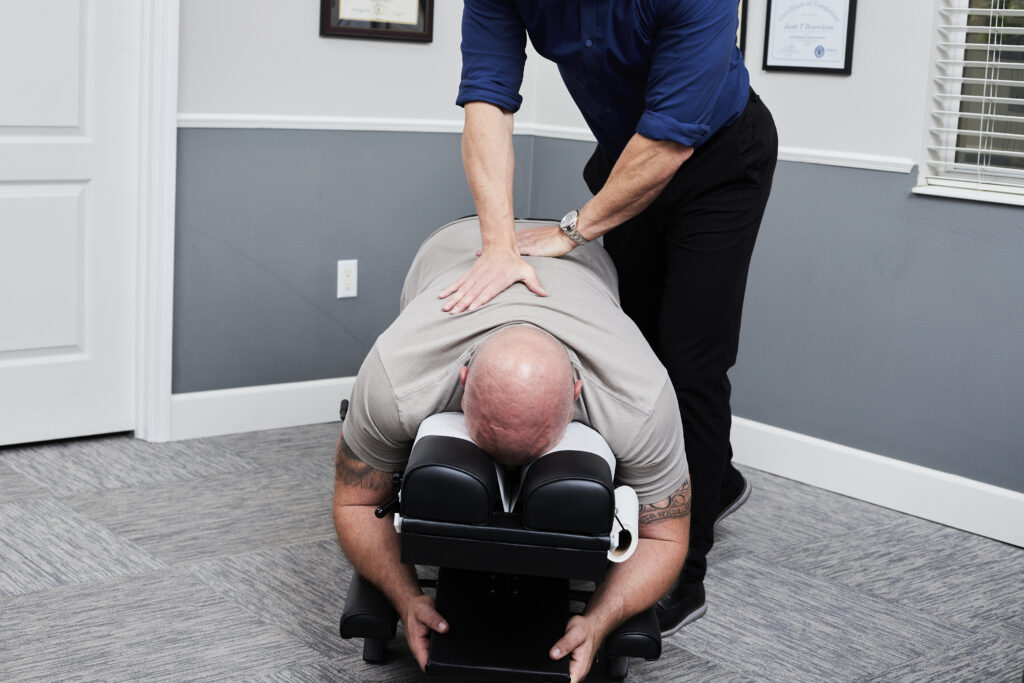
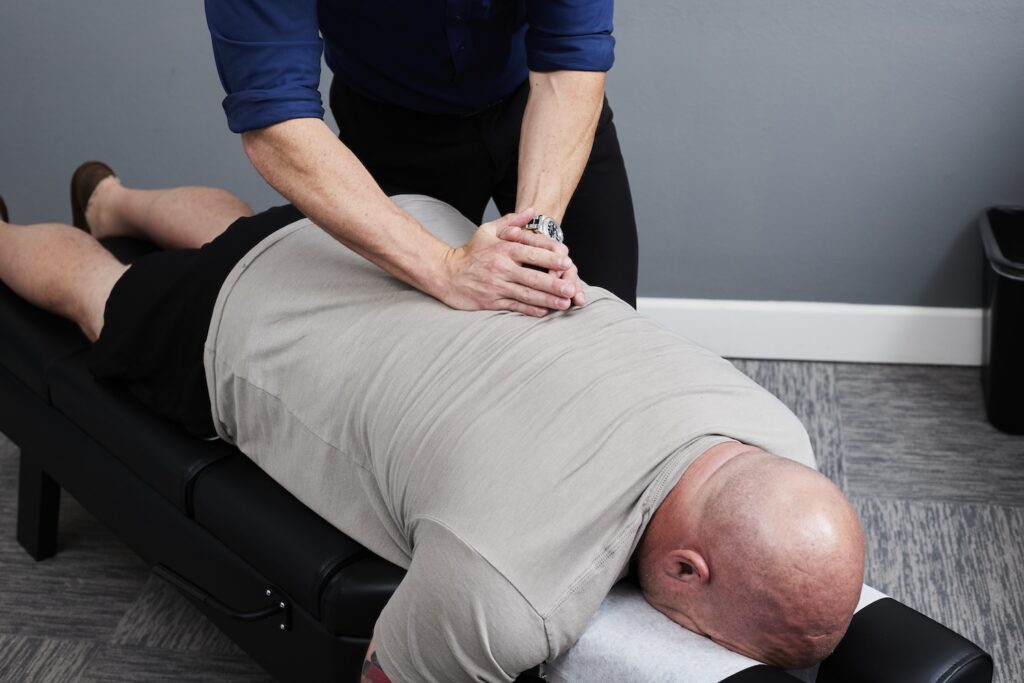
Spinal adjustments play an essential role in relieving lower back pain by realigning the vertebrae to improve function and reduce discomfort. When your spine is misaligned, it can lead to nerve irritation, muscle tension, and limited mobility. Chiropractors use spinal adjustments to restore proper alignment, which can enhance your body's natural healing abilities.
This hands-on technique is designed to target specific areas of your spine that may be causing pain or dysfunction. During a spinal adjustment, you can expect your chiropractor to perform a precise and controlled movement. By applying gentle force to the affected vertebrae, they can help restore normal alignment.
Here are some benefits you might experience from spinal adjustments:
- Improved Range of Motion: After adjustments, you may notice increased flexibility and less stiffness in your lower back.
- Pain Relief: Many patients report a significant reduction in pain levels following their adjustments, allowing for a more active lifestyle.
- Enhanced Nervous System Function: Proper spinal alignment can lead to improved communication between your brain and body, boosting overall health.
It's important to remember that each person's response to spinal adjustments may vary. Your chiropractor will assess your individual condition and tailor the treatment to best suit your needs.
With regular adjustments, you can work towards not just managing your lower back pain, but also achieving long-term relief and improved overall wellness.
Soft Tissue Therapy Techniques
When dealing with lower back pain, soft tissue therapy techniques can be a game changer in your recovery process. These techniques focus on the muscles, tendons, and ligaments surrounding your spine, helping to relieve tension and improve function. By targeting these areas, you can alleviate pain and restore mobility effectively.
One popular technique is myofascial release, which involves applying gentle, sustained pressure to the fascia—the connective tissue surrounding your muscles. This method helps to break down adhesions and improve blood flow, promoting healing.
Another effective approach is trigger point therapy, where specific knots in your muscles are identified and treated. By applying focused pressure to these points, you can reduce pain and enhance muscle function.
Deep tissue massage is another beneficial technique, as it works deeper layers of muscle and connective tissue. This approach releases chronic muscle tension and provides relief from discomfort.
You might also consider instrument-assisted techniques, which use specialized tools to enhance the effectiveness of manual therapy. These instruments help to break down scar tissue and improve circulation, facilitating faster recovery.
Incorporating these soft tissue therapy techniques into your treatment plan can greatly enhance your overall progress. By addressing the underlying muscular issues contributing to your pain, you'll not only feel better but also set the stage for a more effective rehabilitation journey.
Exercise and Rehabilitation Programs
Incorporating exercise and rehabilitation programs into your lower back pain treatment can greatly enhance your recovery. These programs focus on strengthening your core muscles, improving flexibility, and promoting overall spinal health.
When you engage in a tailored exercise routine, you not only alleviate pain but also prevent future issues.
Here's what you can expect from a thorough exercise and rehabilitation program:
- Strengthening Exercises: These target your abdominal and back muscles to create a strong foundation for your spine. Exercises like planks and bridges can help stabilize your core, reducing the strain on your lower back.
- Flexibility Training: Stretching exercises improve your flexibility, allowing for better movement and reduced tension in your muscles. Incorporating stretches like hamstring and hip flexor stretches can facilitate recovery and enhance mobility.
- Aerobic Conditioning: Low-impact activities such as walking, swimming, or cycling promote blood flow to your muscles and joints, aiding in the healing process. Regular aerobic exercise can also boost your mood and reduce stress, which is crucial during recovery.
Posture Correction Strategies
Good posture plays an essential role in preventing and alleviating lower back pain. When you sit or stand properly, you distribute your body weight evenly, reducing strain on your spine. To achieve better posture, start by becoming aware of your body alignment throughout the day.
When sitting, make sure your feet are flat on the ground, and your knees are at a 90-degree angle. Use a chair that supports your lower back, and avoid slouching by keeping your shoulders relaxed and back. Make it a habit to take breaks every hour to stand, stretch, and realign your posture.
For standing, distribute your weight evenly on both feet. Keep your head level and shoulders relaxed, while pulling your belly button towards your spine to engage your core. This will help support your lower back.
Incorporating posture exercises into your daily routine can also be beneficial. Simple movements like wall angels and chin tucks can strengthen the muscles that support proper alignment.
When walking, focus on maintaining a straight line from your head to your heels, with your arms swinging naturally by your sides.
Lastly, consider ergonomic adjustments in your workspace. A properly set-up desk can greatly reduce the risk of developing poor posture habits.
Nutritional Considerations
Maintaining proper posture can only take you so far in managing lower back pain; nutrition also plays a significant role in your overall spinal health. A balanced diet can enhance your body's ability to heal, reduce inflammation, and support muscle function, all of which are essential for a healthy back. When you fuel your body with the right nutrients, you create a strong foundation for spinal support.
Here are some nutritional considerations to keep in mind:
- Anti-inflammatory Foods: Incorporate foods rich in omega-3 fatty acids, like salmon and walnuts, as they can help reduce inflammation and alleviate pain.
- Calcium and Vitamin D: Make sure you're getting enough calcium from dairy products, leafy greens, or fortified foods, along with vitamin D to enhance calcium absorption. Strong bones are important for spine health.
- Hydration: Staying well-hydrated helps maintain the elasticity of spinal discs. Aim for at least eight glasses of water a day to keep your body functioning at its best.
Additionally, consider reducing processed foods, sugar, and excessive salt, as they can contribute to inflammation and muscle tension.
Remember, your body needs the right nutrients to repair itself and function effectively. By prioritizing good nutrition, you can complement your chiropractic treatments and work towards a pain-free lower back.
Making these dietary adjustments isn't just about managing pain; it's about investing in your long-term spinal health.
Patient Education and Empowerment
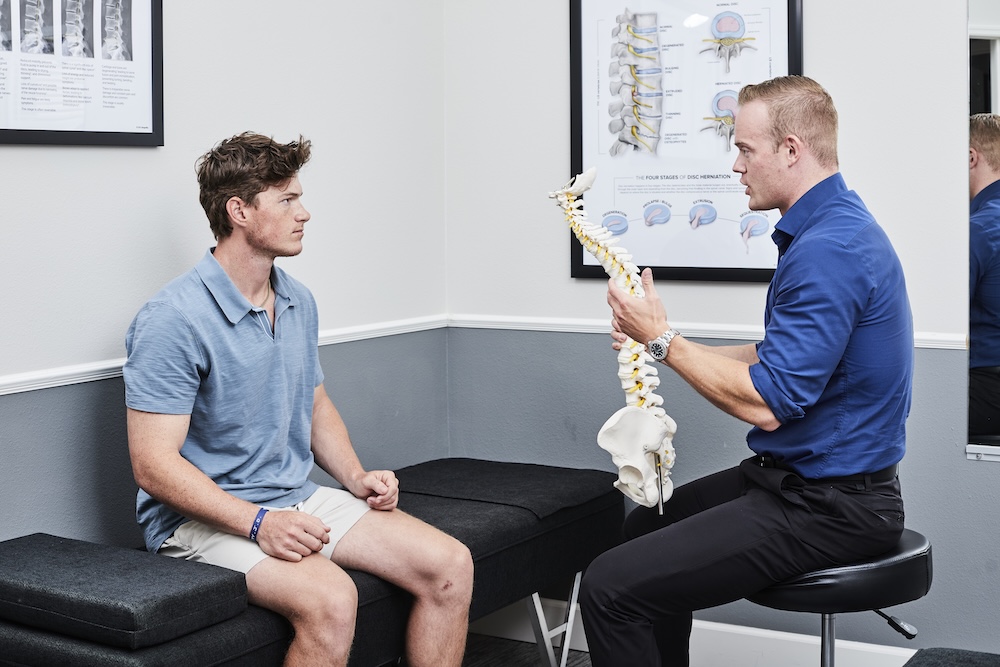
Patient education and empowerment are crucial components of effective chiropractic care for lower back pain. When you understand your condition, you're better equipped to make informed decisions about your health. Your chiropractor will guide you through the specifics of your lower back pain, explaining the underlying causes and the mechanics of your spine. This knowledge helps demystify your situation, making it less intimidating.
As you learn about your body and its functions, you'll gain confidence in managing your pain. Your chiropractor may provide exercises tailored to your needs, encouraging you to actively participate in your recovery. This hands-on approach fosters a sense of ownership over your health journey.
You'll also learn about the importance of posture, ergonomics, and daily habits that can either alleviate or exacerbate your pain. By making small adjustments in your daily life, you can notably impact your recovery and prevent future issues.
Moreover, open communication with your chiropractor is essential. Don't hesitate to ask questions or express concerns. The more you engage in the process, the better your outcomes will be. Empowering yourself with knowledge not only enhances your recovery but also encourages a proactive stance toward your overall well-being.
In essence, patient education and empowerment transform your chiropractic experience from passive treatment to an active partnership. By understanding your condition and taking charge of your recovery, you'll be better positioned to achieve lasting relief from lower back pain.
Integrative Approaches to Treatment
Integrative approaches to treatment for lower back pain combine various therapies to enhance your recovery and well-being. By incorporating multiple modalities, you can address not just the symptoms but also the root causes of your pain. These methods often work synergistically, providing a more thorough healing experience.
You might consider the following therapies as part of your integrative treatment plan:
- Chiropractic Care: Regular adjustments can improve spinal alignment and mobility, reducing pain and enhancing function.
- Physical Therapy: Tailored exercises will strengthen your core and back muscles, promoting better posture and stability.
- Massage Therapy: Therapeutic massage helps to relieve muscle tension, improve circulation, and enhance relaxation.
Integrating these therapies can lead to more effective pain management. You'll find that each treatment modality offers unique benefits, and together they can help restore your quality of life.
For instance, combining chiropractic adjustments with physical therapy can accelerate your recovery time by improving muscle strength while also addressing misalignments that contribute to pain.
Additionally, don't underestimate the importance of lifestyle factors. Incorporating stress management techniques, such as yoga or mindfulness, can further support your healing journey.
The goal is to create a customized treatment plan that resonates with you and aligns with your individual needs.
Ultimately, exploring integrative approaches allows you to take an active role in your recovery, empowering you to manage your lower back pain effectively.
Long-Term Management Strategies
Effective long-term management strategies for lower back pain focus on prevention and self-care.
You'll want to create a routine that incorporates regular exercise, stretching, and strengthening activities. Engaging in low-impact exercises like walking or swimming can keep your back muscles strong and flexible, reducing the risk of pain flare-ups.
Incorporating proper ergonomics into your daily activities is essential. Whether you're sitting at a desk or lifting objects, maintaining good posture can alleviate unnecessary strain on your back.
Consider investing in an ergonomic chair and learn techniques for safe lifting to protect your spine.
Self-care practices, such as applying heat or cold therapy, can also provide relief and enhance your comfort. You might find that alternating between heat and ice packs helps reduce inflammation and promotes blood flow.
Mindfulness techniques, including yoga and meditation, can be beneficial. These practices not only improve your physical flexibility but also help you manage stress, which can exacerbate pain.
Regular chiropractic visits can play a significant role in your long-term strategy. A chiropractor can help you maintain spinal alignment and provide tailored exercises to support your recovery.
Finally, don't overlook the importance of sleep. A well-rested body is better equipped to handle pain.
Make sure you have a supportive mattress and practice good sleep hygiene.
Conclusion
Incorporating chiropractic care into your approach to lower back pain can be a game changer. By understanding your condition and actively participating in your treatment, you can experience significant relief. Spinal adjustments, soft tissue therapy, and targeted exercises work together to improve your mobility and strengthen your core. Don't forget the importance of nutrition and education in your recovery process. With the right strategies, you can manage your pain effectively and enhance your overall spinal health.