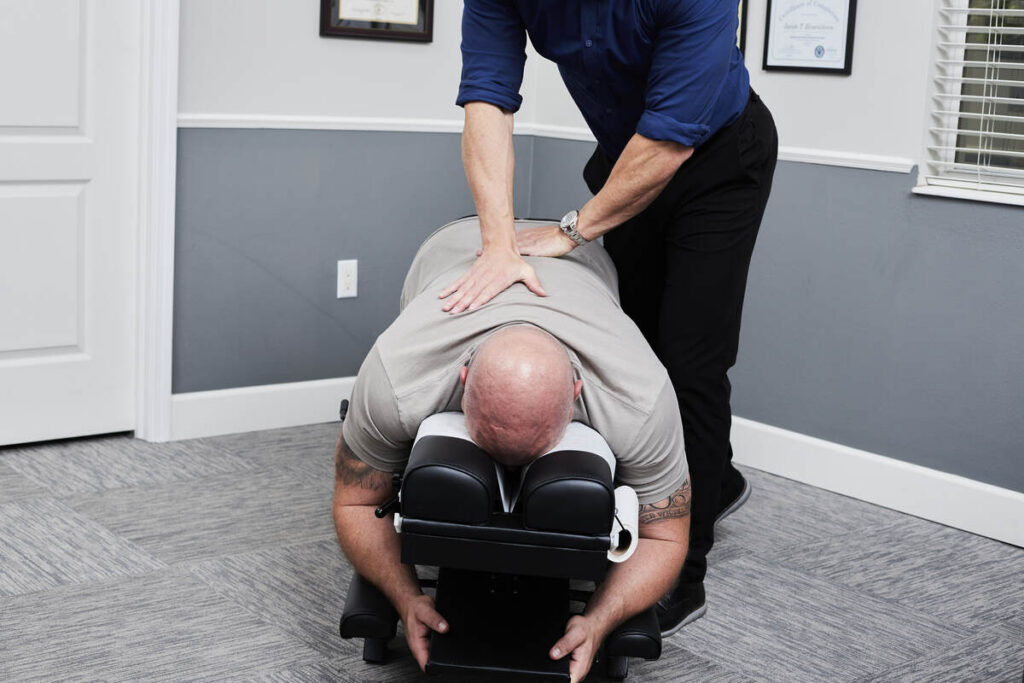
If you've ever experienced chronic tension headaches, you know how debilitating they can be. Chiropractic care offers a unique approach that targets the underlying issues contributing to your discomfort. By focusing on spinal alignment and muscle relaxation techniques, you might find relief and even long-term benefits. Curious about the specific methods chiropractors use and how they can help you effectively manage your symptoms? There's more to explore regarding the techniques and lifestyle changes that could make a significant difference in your well-being.
Understanding Chronic Tension Headaches
Chronic tension headaches are among the most common types of headaches people experience, often arising from stress, poor posture, or muscle tension. You might find these headaches develop gradually and can last for hours or even days. They typically present as a dull, aching sensation around your head, and you might feel tightness in your neck or shoulder muscles. Identifying the triggers is essential for managing them effectively.
Stress is a significant contributor to tension headaches. When you're under pressure, your body tenses up, leading to muscle strain and discomfort. Poor posture, especially while working at a computer or looking down at your phone, can also create tension in your neck and shoulders. You mightn't even realize how your daily habits can contribute to these headaches until they become unbearable.
Another factor to take into account is dehydration. You may not drink enough water throughout the day, resulting in increased muscle tension and headache severity. Taking regular breaks, stretching, and practicing relaxation techniques can help alleviate some of the tension.
It's important to pay attention to your body's signals. If you notice patterns in when your headaches occur, try to adjust your daily routine accordingly.
Understanding chronic tension headaches is the first step in managing them. By recognizing their triggers and symptoms, you can take proactive measures to reduce their frequency and intensity, leading to a better quality of life.
Role of Chiropractic Care
Many people find relief from chronic tension headaches through chiropractic care. This form of treatment focuses on the relationship between your spine and nervous system. When you visit a chiropractor, they'll assess your posture, spinal alignment, and overall health to identify any underlying issues contributing to your headaches. By correcting misalignments, or subluxations, in your spine, chiropractic adjustments can help restore proper function and alleviate tension.
Chiropractic care not only targets specific areas of discomfort but also emphasizes a holistic approach to your health. You'll likely learn about lifestyle factors, such as stress management, nutrition, and exercise, that could play a role in your headache frequency and intensity. By addressing these areas, you can enhance your overall well-being and reduce headache occurrences.
Moreover, many patients find that regular chiropractic visits can prevent the onset of chronic tension headaches. By maintaining proper spinal alignment and function, you can minimize the factors that trigger your headaches in the first place. Your chiropractor may also recommend additional therapies, such as massage or stretching exercises, to complement your adjustments and further relieve tension.
In essence, chiropractic care offers a proactive and natural solution for managing chronic tension headaches. By working closely with your chiropractor, you can develop a personalized treatment plan that addresses your unique needs, helping you regain control over your health and enjoy a more pain-free life.
Common Chiropractic Techniques
When it comes to treating headaches, chiropractors often use specific techniques to help relieve your pain.
Spinal manipulation therapy is one of the most common methods, focusing on realigning the spine.
Additionally, soft tissue techniques can address muscle tension, providing you with a thorough approach to headache relief.
Spinal Manipulation Therapy
Spinal manipulation therapy is often a cornerstone of chiropractic care, effectively addressing various types of headaches. This technique involves applying controlled force to specific joints in your spine, helping to restore proper alignment and function. When your spine is misaligned, it can lead to tension and discomfort, triggering headaches. By focusing on these misalignments, spinal manipulation can relieve pressure on nerves and improve blood flow, which may alleviate headache symptoms.
During your session, the chiropractor will assess your spine and identify areas that may benefit from manipulation. You might feel a quick thrust or a gentle adjustment, often resulting in a release of tension. Many patients report immediate relief, while others may experience gradual improvement over multiple sessions.
It's crucial to communicate with your chiropractor about your headache patterns and any other symptoms you have. This helps tailor the treatment to your specific needs.
Soft Tissue Techniques
Soft tissue techniques play an essential role in chiropractic care, particularly for headache relief. These methods focus on the muscles, ligaments, and tendons surrounding your spine and neck, which can often contribute to chronic tension headaches. By addressing these soft tissues, you can experience a reduction in muscle tightness and improved blood flow.
One common technique is myofascial release, which targets specific areas of muscle tightness. Your chiropractor applies gentle pressure to release tension in your fascia, the connective tissue surrounding your muscles. This can alleviate discomfort and help restore normal function.
Another effective method is trigger point therapy. During this technique, your chiropractor identifies and applies pressure to specific "trigger points" that refer pain to other areas, including your head. By relieving these points, you can often find significant headache relief.
Additionally, stretching and strengthening exercises may be incorporated into your treatment plan. These exercises can improve flexibility, reduce muscle tension, and enhance overall posture, all of which are essential for preventing headaches.
Incorporating these soft tissue techniques into your chiropractic care can lead to long-term relief from chronic tension headaches and improve your overall well-being.
Benefits of Chiropractic Treatment
Chiropractic treatment offers a range of benefits for individuals suffering from headaches. First and foremost, it addresses the underlying causes of your headaches, rather than just masking the symptoms. By realigning your spine and improving your overall posture, chiropractic care can relieve tension in the muscles and nerves that contribute to headache pain.
You'll likely notice a decrease in headache frequency and intensity after starting treatment. Many patients report significant improvements, and some even experience complete relief. This reduction in headache episodes allows you to enjoy daily activities without the constant worry of pain.
Moreover, chiropractic care emphasizes a holistic approach to health. Your chiropractor may recommend lifestyle changes, including dietary adjustments and stress management techniques, which can further enhance your overall well-being. These changes not only target your headaches but also promote a healthier lifestyle, supporting your long-term health goals.
Another significant benefit is the non-invasive nature of chiropractic treatments. Unlike medications that may come with side effects or risks of dependency, chiropractic adjustments are generally safe and well-tolerated. Many patients prefer this natural approach, as it empowers them to take control of their health without relying on pharmaceuticals.
Finally, regular chiropractic visits can help improve your overall physical function, making it easier to manage stress and tension, which are often triggers for headaches. By investing in chiropractic care, you're taking a proactive step towards better health and a more headache-free life.
What to Expect During Sessions
During your first chiropractic session, you'll go through an initial assessment to understand your headache patterns and overall health.
The chiropractor will then use various treatment techniques tailored to your specific needs.
Expect a combination of hands-on adjustments and possibly other therapies designed to alleviate your discomfort.
Initial Assessment Process
When you arrive for your initial evaluation, expect to engage in a thorough examination of your headache symptoms and overall health. The chiropractor will likely begin by asking you detailed questions about your headache history, including frequency, intensity, and any triggers you've noticed.
They'll also want to know about your medical history, lifestyle habits, and any previous treatments you've tried.
Next, you'll undergo a physical examination. This may involve evaluating your posture, range of motion, and any areas of tension or discomfort. The chiropractor might also check for signs of nerve irritation or muscle tightness.
During this process, it's important to communicate openly about your pain and any other symptoms, as this information will help guide your care.
After gathering all necessary information, the chiropractor will discuss their findings with you. They'll explain how your headaches might be related to spinal alignment, muscle tension, or other factors.
This evaluation is a significant step in creating a personalized treatment plan tailored to address your specific needs and alleviate your chronic tension headaches effectively.
Treatment Techniques Used
In your treatment sessions, you can expect a variety of techniques aimed at relieving your headaches and improving your overall well-being. Your chiropractor might start with spinal adjustments, which can help align your spine and reduce muscle tension. These adjustments are often gentle and specific, targeting areas that contribute to your tension headaches.
You may also experience soft tissue therapies, such as massage or myofascial release. These techniques focus on relaxing tight muscles and improving blood flow, which can alleviate headache symptoms.
Additionally, your chiropractor might incorporate stretching and strengthening exercises into your routine, enhancing your posture and resilience against future headaches.
Another common approach is the use of modalities like heat or cold therapy, which can provide immediate relief by reducing inflammation or relaxing tense muscles. Your chiropractor may also discuss lifestyle changes, including stress management techniques and ergonomic adjustments, to support your long-term health.
Throughout your sessions, expect open communication about your progress. Your chiropractor will assess how the techniques are working and adjust your treatment plan accordingly, ensuring you're on the right track to feeling better.
Integrating Lifestyle Changes
Integrating lifestyle changes can notably enhance the effectiveness of chiropractic care for headaches. When you adopt healthier habits, you not only support your chiropractic treatment but also empower yourself to manage headache triggers more effectively.
Start by evaluating your daily routine—are you getting enough sleep? Lack of rest can contribute notably to headache frequency. Aim for seven to nine hours of quality sleep each night.
Next, pay attention to your hydration. Dehydration can lead to tension headaches, so make it a habit to drink plenty of water throughout the day. Consider keeping a water bottle nearby as a reminder.
Additionally, evaluate your diet. A balanced diet rich in fruits, vegetables, whole grains, and lean proteins can provide essential nutrients that support your overall health and minimize headache triggers.
Stress management is another critical component. Incorporate relaxation techniques into your daily routine, like deep breathing exercises, yoga, or meditation. These practices can help reduce muscle tension and stress, both of which are common headache contributors.
Lastly, don't forget about physical activity. Regular exercise can improve circulation, reduce stress, and promote better sleep, all of which can help reduce headache occurrences. Even short walks or stretching exercises can make a difference.
Conclusion
To summarize, chiropractic care offers a valuable approach to managing chronic tension headaches by addressing their root causes. By realigning your spine and relieving muscle tension, you can experience significant relief. Incorporating techniques like trigger point therapy and stretching can further enhance your well-being. Remember, consistency is key, so regular sessions can lead to lasting benefits. Don't forget to integrate lifestyle changes to support your journey toward better health and headache management.