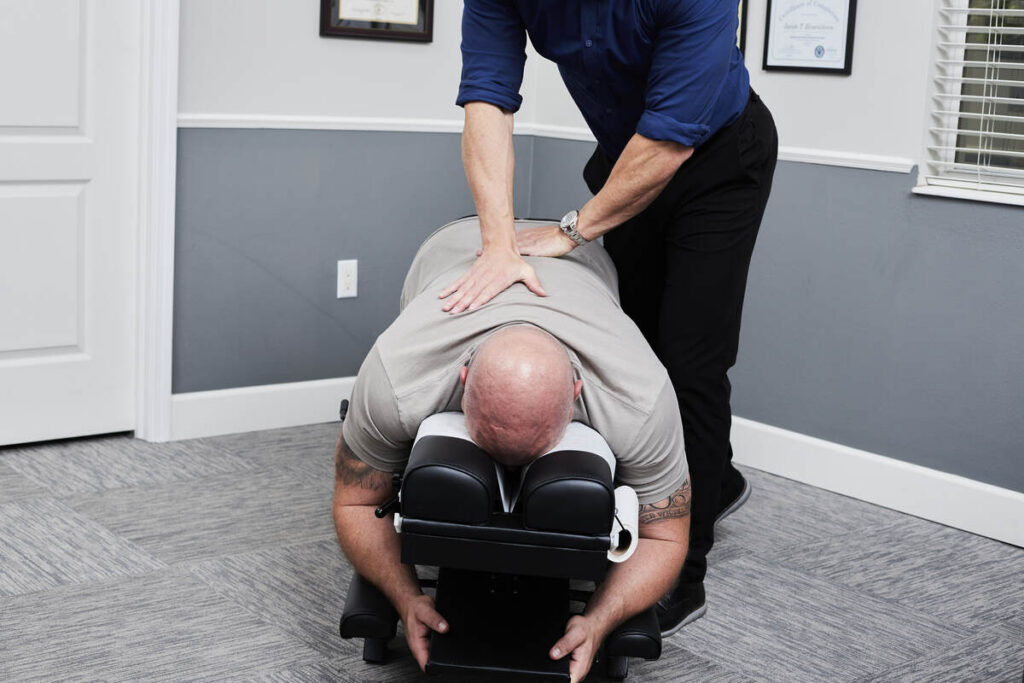

As a local chiropractor, I understand that facing a sports injury can be a daunting experience. However, recovering effectively is crucial for returning to your favorite activities. It’s important to prioritize several key strategies to ensure a smooth healing process. Rest is vital, but it’s equally important to focus on holistic approaches that support your body’s natural ability to heal. Incorporating the right nutrition, along with chiropractic care, can significantly enhance your recovery. By understanding these methods and how they work together, you can make a substantial difference in your healing journey. Let’s dive into the best ways to facilitate your recovery and get you back in the game.
Rest and Recovery
When you experience a sports injury, understanding the importance of rest and recovery is crucial for a successful return to your activity. As a chiropractor, I want to emphasize that while it might be tempting to push through the pain, doing so can actually delay your healing process.
It’s vital to listen to your body and give it the time it needs to repair itself effectively. Rest isn’t merely about avoiding activity; it’s about allowing your muscles and tissues the opportunity to heal properly.
Depending on the severity of your injury, consider setting aside a few days or even weeks for recovery. During this period, I encourage you to engage in gentle stretching or light mobility exercises that won’t aggravate your condition.
Prioritizing sleep is essential, as it plays a significant role in your body’s recovery process. Additionally, nourishing your body with healthy foods can support healing, and staying well-hydrated is key.
By committing to a proper rest and recovery regimen, you’ll not only enhance your healing but also return to your sport stronger and more resilient. This approach will help you tackle future challenges with renewed energy and confidence.
Ice and Compression
As a local chiropractor, I want to share some valuable strategies for managing pain and swelling after a sports injury, specifically through the use of ice and compression. These natural methods can greatly aid in your recovery process.
First, let’s talk about ice. Applying ice to the affected area can help numb the pain and significantly reduce swelling. It’s important to apply an ice pack wrapped in a cloth for about 15-20 minutes every hour, particularly in the first 48 hours following your injury.
Just remember to never place ice directly on your skin, as this can lead to frostbite.
Next, compression plays a crucial role in supporting the injured area and controlling swelling. Using an elastic bandage or a compression wrap can be very effective. Make sure the wrap is snug, but not so tight that it restricts circulation.
Pay attention to your body; if you experience any numbness or increased pain, it may be a sign that you need to loosen the wrap.
By combining ice and compression, you can enhance your recovery and get back to your sport with renewed strength and resilience.
As your chiropractor, I’m here to guide you through these natural healing methods and support your journey towards optimal health.
Elevation Techniques
As a local chiropractor, I want to emphasize the importance of elevation when it comes to recovering from a sports injury. Elevation is a natural healing technique that can significantly reduce swelling and promote the recovery process.
It’s essential to explore effective methods for elevating the injured area and to understand how long and how often you should do it to achieve optimal results.
Incorporating elevation into your recovery routine can make a substantial difference. By keeping the injured area elevated above the level of your heart, you help facilitate better blood flow and lymphatic drainage, which can minimize inflammation and speed up healing.
I encourage you to pay attention to the specifics: aim for elevation several times a day and try to keep the injured area elevated for about 20 to 30 minutes at a time. This simple yet powerful technique can complement the chiropractic adjustments and therapies we provide, enhancing your overall healing journey.
Understanding and utilizing these elevation techniques can be an invaluable part of your recovery process. Together, we can create a holistic plan that incorporates both chiropractic care and natural healing methods to support your body’s ability to heal itself.
Importance of Elevation
As a local chiropractor dedicated to your health and recovery, I’d like to share an important technique that can significantly aid in your healing process after a sports injury: elevation.
When you elevate the injured area, you can effectively reduce swelling and boost circulation, helping your body to heal more efficiently. Here are some key benefits of incorporating elevation into your recovery routine:
- It decreases blood flow to the injured site, which helps to minimize inflammation.
- Elevation encourages lymphatic drainage, reducing any fluid buildup that may occur.
- By promoting better circulation, it enhances the delivery of essential nutrients to your tissues, leading to faster recovery.
- You’ll also find relief from pain and discomfort, making the healing process more manageable.
To maximize these benefits, try to keep the injured area elevated above heart level whenever possible.
This practice not only helps with swelling but also supports your overall mobility and strength, allowing you to return to your favorite activities sooner.
Effective Elevation Methods
As a local chiropractor, I want to share some valuable insights on how to effectively elevate an injured area to promote healing. Elevation is a crucial part of recovery, and using the right techniques can significantly enhance your healing process.
Begin by utilizing pillows or cushions to position the injured limb above heart level, which is essential for minimizing swelling. For leg injuries, I recommend lying flat on your back and propping your leg up against a wall. This method is particularly effective in reducing discomfort and promoting better circulation.
For arm injuries, a simple yet effective approach is to use a sling or rest your arm on a pillow while sitting or lying down. It’s important to ensure that the elevation is comfortable and doesn’t impede circulation.
Additionally, using a cold pack in conjunction with elevation can further help in reducing inflammation and pain.
Remember to apply these techniques consistently, as they can greatly speed up your recovery and allow you to return to your favorite activities sooner. Embracing these natural healing methods is a wonderful step towards achieving optimal health and well-being.
Duration and Frequency
As your local chiropractor, I want to share some valuable insights on how to effectively use elevation techniques to aid in your recovery from an injury. Elevating the affected area is a simple yet powerful method that can significantly enhance your healing process.
Ideally, you should aim to keep the injured area elevated for at least 30 minutes every few hours, especially during the initial recovery phase. This consistent practice can help minimize swelling and improve circulation, which are both crucial for healing.
Here are some helpful tips to keep in mind as you incorporate elevation into your recovery routine:
- Use pillows or cushions: When elevating the injured area, make sure to support it comfortably above heart level. This positioning is essential for optimal results.
- Elevate during rest: Don’t hesitate to elevate the injured area while you’re sitting or lying down. This will allow you to rest while still benefiting from elevation.
- Combine with ice therapy: To further combat inflammation, consider elevating the area while applying ice. This combination can provide significant relief and speed up recovery.
- Stay consistent: Make elevation a regular part of your healing routine. Consistency is key to maximizing its benefits.
Physical Therapy
As you work towards recovery from a sports injury, chiropractic care can significantly contribute to restoring your strength and mobility.
As your chiropractor, I’ll assess your condition and create a personalized treatment plan tailored to your unique needs. This plan often incorporates specific adjustments and techniques aimed at enhancing your body’s natural healing abilities.
You can expect to engage in a variety of methods, such as spinal adjustments, soft tissue work, and rehabilitative exercises—all designed to promote a faster recovery.
Regular chiropractic sessions not only facilitate healing but also help reduce the risk of future injuries by correcting misalignments and addressing any underlying issues.
It’s essential to stay engaged and committed to your treatment plan—feel free to share any concerns or request modifications to your exercises.
Remember, consistency is crucial; with dedication to your chiropractic care, you’ll be back to enjoying your favorite activities before you know it.
Embrace this holistic approach to healing, and trust that chiropractic care can significantly enhance your recovery journey.
Nutrition and Hydration
As a local chiropractor, I want to emphasize how crucial nutrition and hydration are for your recovery from sports injuries. Proper nutrition not only aids in faster healing but also helps reduce inflammation, which is vital in the recovery process.
When you’ve sustained an injury, focusing on a balanced diet and staying well-hydrated is key to supporting your body’s natural healing abilities. Here are some important points to consider:
- Protein: It’s essential to include sources of lean protein in your diet, such as chicken, turkey, beans, and nuts. These foods play a significant role in repairing muscle tissue and promoting recovery.
- Omega-3 Fatty Acids: Incorporating foods rich in omega-3s, like fatty fish (such as salmon), flaxseeds, and walnuts can help reduce inflammation in your body, which is beneficial when recovering from injuries.
- Vitamins and Minerals: Make sure to eat a variety of fruits and vegetables. They’re packed with essential vitamins and minerals that support your body’s healing processes and overall immune function.
- Hydration: Staying hydrated is just as important as proper nutrition. Aim to drink plenty of water throughout the day.
Additionally, consider electrolyte-rich drinks, especially if you’ve lost fluids through physical activity, as they can help replenish what your body needs for recovery.
By focusing on these nutrition and hydration strategies, you can enhance your recovery and support your chiropractic care efforts.
Gradual Return to Activity
As your local chiropractor, I want to emphasize the importance of a gradual return to activity following an injury. It’s easy to feel eager to dive back into your regular routine, but taking your time is crucial for a safe and effective recovery.
First, it’s essential to have an open conversation with me or another healthcare professional about your specific limitations and recovery timeline.
Start with low-impact exercises such as walking or swimming. These activities are gentle on your body and allow you to gauge how you’re feeling without putting undue stress on your injury.
As you begin to regain strength and confidence, we can work together to gradually increase the intensity and duration of your workouts.
Listening to your body is key during this process. If you encounter any pain or discomfort, it’s important to scale back and allow yourself some time to rest.
Additionally, incorporating flexibility and strength training into your routine will further support your recovery and help prevent future injuries.
Preventive Measures for the Future
As your local chiropractor, I want to help you understand the importance of preventive measures to avoid future injuries and maintain your overall wellness.
By taking proactive steps, you can enhance your fitness journey and enjoy your favorite activities with confidence. Here are some essential tips to keep in mind:
- Warm-up properly: Begin each session with dynamic stretching. This helps prepare your muscles and joints for the physical activity ahead, reducing the risk of strain or injury.
- Strengthen key muscles: Incorporate exercises that build stability and strength, particularly in areas that are more susceptible to injury. A well-balanced body is better equipped to handle the demands of your sport.
- Listen to your body: Pay attention to how you feel during activity. If something doesn’t feel right, it’s crucial to take a step back. Pushing through pain can lead to more significant issues down the line. Rest and consult with a healthcare professional if needed.
- Stay hydrated and nourished: Proper hydration and nutrition are vital for optimal performance and recovery. Fueling your body with the right nutrients supports your overall health and helps prevent injuries.
By integrating these practices into your routine, you can promote a healthier, more resilient body that can enjoy all the activities you love.
Conclusion
As a local chiropractor, I want to emphasize the importance of a holistic approach to recovering from sports injuries. Integrating natural healing strategies into your recovery plan can significantly enhance your healing process. Prioritizing rest is crucial, as it allows your body to repair itself. Utilizing ice and compression can help reduce inflammation and manage pain effectively.
Nutrition also plays a vital role in your recovery. Consuming a balanced diet rich in vitamins and minerals can support your body’s healing mechanisms. As you gradually resume physical activity, it’s essential to pay close attention to what your body is telling you. Listening to your body’s signals can prevent further injury and setbacks.
Additionally, I encourage incorporating preventive measures into your routine, which can help you avoid future injuries. By following these steps, not only will you recover more efficiently, but you’ll also improve your overall athletic performance in the long run. Remember, chiropractic care can complement this process, helping to restore balance and function to your body as you heal.