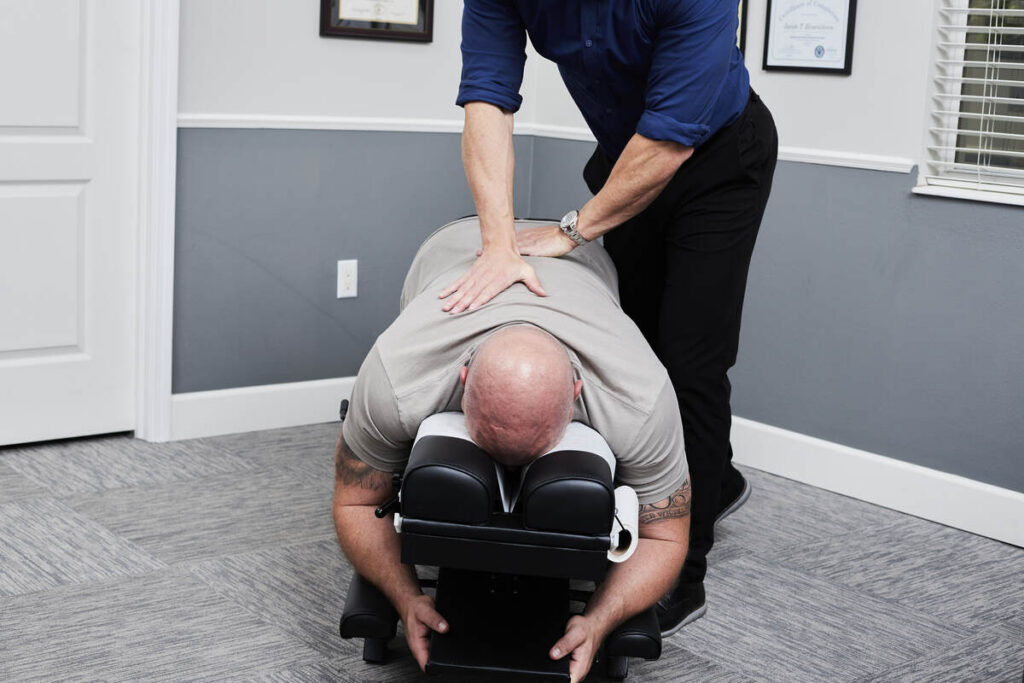
If you’re dealing with migraines, chiropractic care could be the key to finding the relief you’ve been searching for. This holistic approach focuses on natural healing methods that not only alleviate your symptoms but also target the underlying issues contributing to your pain. By realigning your spine and addressing muscle tightness, chiropractors utilize techniques designed to restore balance and function to your body.
So, how can chiropractic support your journey toward migraine relief? Here are some of the best ways it can help:
- Spinal Adjustments: Realigning your spine can relieve pressure on nerves and improve overall function, which may reduce the frequency and intensity of migraines.
- Muscle Relaxation: Chiropractors often use gentle massage and stretching techniques that help ease muscle tightness, particularly in the neck and shoulders, which can trigger migraines.
- Posture Improvement: Many migraine sufferers have poor posture habits. A chiropractor can guide you on maintaining proper posture to reduce strain on your body and minimize headache triggers.
- Stress Reduction: Chiropractic care is known to promote relaxation and reduce stress levels, which are common migraine triggers. Techniques like deep breathing and mindfulness may also be incorporated into your care.
- Lifestyle Advice: Your chiropractor can provide personalized tips on nutrition, hydration, and exercise that support overall wellness and may help prevent migraines.
- Holistic Approach: By looking at the body as a whole, chiropractic care addresses various factors that may contribute to your migraines, rather than just masking the symptoms.
- Regular Check-Ups: Consistent chiropractic visits can help maintain spinal health and prevent future migraines, keeping you feeling your best.
If you’re ready to take control of your health and find a natural solution for your migraines, consider visiting your local chiropractor. Together, you can create a personalized wellness plan that supports your journey toward optimal health and lasting relief. Remember, your health is in your hands, and chiropractic care can be a powerful ally in achieving a pain-free life.
Key Takeaways
Chiropractic adjustments are a powerful way to help manage migraines by realigning the spine. This realignment reduces nerve irritation, which can alleviate migraine symptoms. When your spine is in proper alignment, it enhances blood flow and nerve function, which is crucial for overall health.
Improving spinal alignment not only helps with headaches but also boosts circulation. This ensures that your brain gets enough oxygen, which can lead to a decrease in the frequency and intensity of migraines.
As a chiropractor, I also focus on treating muscle tightness and trigger points that can contribute to headaches. By relieving this tension through targeted chiropractic care, we can help reduce the occurrence of headaches.
Regular chiropractic sessions offer another benefit: they can lower cortisol levels. This is important because high cortisol can lead to increased stress and poor sleep quality, both of which can trigger migraines. By managing stress through chiropractic care, you can enjoy better sleep and fewer headaches.
Additionally, I guide my patients in making lifestyle changes that support their health. This includes nutrition advice and mindfulness practices to help identify and avoid migraine triggers. Making small adjustments in your daily habits can lead to significant improvements in your wellness.
Overall, chiropractic care is a natural and effective way to manage migraines and promote optimal health. By focusing on spinal health and lifestyle changes, you can take control of your wellness journey and reduce the impact of migraines on your life. Remember, the path to better health starts with your spine!
Realigning the Spine to Alleviate Tension
When you experience tension in your neck and shoulders, it can often lead to debilitating migraines. This discomfort frequently arises from misalignments in your spine. By visiting a chiropractor, you can receive gentle, targeted adjustments to help realign your spine and relieve that built-up pressure.
As your spine aligns more effectively, your muscles can relax, leading to reduced strain on your neck and shoulders. Many patients notice a decrease in both the intensity and frequency of their migraines after chiropractic care.
Moreover, proper spinal alignment enhances blood flow and nerve function, which can further alleviate migraine symptoms. Regular chiropractic adjustments not only address current issues but also help prevent future tension from building up.
To support your spinal health, try to maintain good posture throughout your day, whether you’re sitting at a desk or using your phone. Taking short breaks to stretch and move can also make a big difference.
Remember, the balance achieved through spinal adjustments contributes to better posture and overall well-being.
By prioritizing your spine’s alignment, you’re taking significant steps toward managing your migraines more effectively and enjoying a more comfortable life.
Consider making chiropractic care a regular part of your wellness routine for lasting relief and improved health.
Reducing Nerve Irritation Through Adjustments
While misalignments in the spine can lead to nerve irritation, chiropractic adjustments provide an effective, natural solution for achieving optimal health. By focusing on specific areas of the spine, these adjustments can relieve pressure on nerves, which may help reduce the frequency and intensity of migraines.
Let’s explore how these adjustments work and why chiropractic care is the best choice for you:
- Restoring Alignment: Each chiropractic adjustment helps realign your vertebrae, which is crucial for restoring proper function and reducing irritation. When your spine is aligned, your entire body can work more efficiently.
- Relieving Pressure: Targeted adjustments take the pressure off your nerves, which are often the culprits behind headaches and migraines. By alleviating this pressure, you can experience greater comfort and fewer pain episodes.
- Enhancing Mobility: Improved spinal mobility enhances communication between your brain and body, promoting overall wellness. When your spine moves freely, it supports better health throughout your entire system.
- Reducing Inflammation: Chiropractic adjustments can help decrease inflammation around nerves, which further eases discomfort. Less inflammation means less pain and a greater sense of well-being.
In addition to regular chiropractic care, here are some general tips to help support your spinal health and overall wellness:
- Stay Active: Engage in regular physical activity to keep your spine flexible and strong. Simple exercises like walking, stretching, or yoga can make a big difference.
- Maintain Good Posture: Be mindful of your posture while sitting, standing, and moving. Proper posture can help prevent misalignments and maintain spinal health.
- Stay Hydrated: Drinking plenty of water supports overall health and can help reduce inflammation.
- Practice Stress Management: Stress can contribute to muscle tension and headaches. Consider relaxation techniques like deep breathing, meditation, or gentle stretching.
Improving Blood Flow and Oxygen Supply
Chiropractic care isn’t just about aligning your spine; it’s also a powerful way to boost blood flow and oxygen supply throughout your body. When your spine is in proper alignment, it helps to lessen tension on your nerves and blood vessels, which leads to better circulation.
This enhanced blood flow ensures that vital nutrients and oxygen reach your brain more effectively, which can be particularly helpful in reducing migraine symptoms. As your chiropractor performs spinal adjustments, they’re also supporting your overall vascular health.
Improved blood circulation can play a significant role in decreasing both the frequency and intensity of migraines. You’re not merely managing pain; you’re empowering your body to work more efficiently. With an increased oxygen supply, your brain can function better, potentially minimizing the triggers that lead to migraine episodes.
If you’re looking to manage migraines more effectively, incorporating chiropractic care into your routine could lead to significant improvements in your overall well-being.
Here are some simple tips to enhance your wellness journey:
- Stay Hydrated: Proper hydration supports healthy blood flow. Aim for at least eight glasses of water a day.
- Practice Good Posture: Maintaining good posture can help keep your spine aligned and reduce tension in your neck and back.
- Regular Exercise: Engaging in regular physical activity enhances circulation and promotes overall health. Even a daily walk can make a difference.
- Stretch Daily: Gentle stretching can help relieve tension in your muscles and support spinal health.
- Manage Stress: Finding healthy ways to manage stress, such as deep breathing or meditation, can reduce the likelihood of migraines.
Enhancing Joint Mobility and Flexibility
Enhancing joint mobility and flexibility can significantly improve your overall health, especially for those who experience migraines. When your joints are able to move freely, it helps to reduce tension and discomfort, which can often trigger headaches.
As a local chiropractor, I believe that chiropractic adjustments are a natural and effective way to achieve this balance in your body. Here are some key benefits of improved joint mobility that you can easily incorporate into your life:
- Increased Range of Motion – With enhanced joint flexibility, you’ll find daily activities like bending, reaching, and even sitting more comfortable. This can lead to a more active and fulfilling lifestyle.
- Better Posture – Chiropractic care focuses on aligning your spine, which is essential for maintaining good posture. Proper alignment can help prevent strain and tension that may contribute to migraines, allowing you to stand taller and feel more confident.
- Enhanced Athletic Performance – If you enjoy physical activities, improved flexibility can take your performance to the next level. By reducing tightness and stiffness, you can engage in sports and exercises more effectively, leading to a healthier and more enjoyable experience.
- Reduced Pain – When your joints function properly, the overall tension in your body decreases. Regular chiropractic adjustments can help ensure your joints are moving well, which may lead to fewer migraines and less discomfort in your everyday life.
Tips for Enhancing Joint Mobility at Home:
- Stretch Regularly: Incorporate gentle stretching into your daily routine to keep your muscles and joints flexible. Focus on areas that feel tight or stiff.
- Stay Active: Engage in low-impact exercises like walking, swimming, or yoga to promote joint health and mobility.
- Maintain Good Posture: Be mindful of your posture while sitting, standing, and moving. Use supportive chairs and take breaks to stretch if you sit for long periods.
- Stay Hydrated: Drinking plenty of water helps keep your joints lubricated, promoting better movement and flexibility.
By prioritizing joint mobility and incorporating these tips into your daily life, you can pave the way for natural healing and improved wellness.
Addressing Trigger Points and Muscle Tightness
Muscle tightness and trigger points can play a significant role in causing migraine headaches, often leading to discomfort and tension that disrupts your daily life. It’s important to address these issues for effective migraine management, and that’s where chiropractic care shines. As a chiropractor, I utilize various techniques to target these tight areas, helping to release tension and improve muscle function naturally.
Let’s take a closer look at some common trigger points and their potential effects:
| Trigger Point | Potential Effects |
|---|---|
| Upper Trapezius | Neck pain, shoulder tension |
| Suboccipital Muscles | Headaches, eye discomfort |
| Temporalis Muscle | Jaw pain, facial tension |
By focusing on these areas, chiropractic care can help alleviate pain and promote overall wellness. Here are some simple tips you can incorporate into your routine to help manage muscle tightness and prevent migraines:
- Regular Stretching: Incorporate gentle neck and shoulder stretches into your daily routine to help relieve tension in the upper trapezius and suboccipital muscles.
- Posture Awareness: Pay attention to your posture, especially if you spend long hours sitting. Make sure your workspace is ergonomically friendly to reduce strain on your neck and shoulders.
- Stay Hydrated: Dehydration can contribute to muscle tightness and headaches. Ensure you drink plenty of water throughout the day.
- Stress Management: Engage in relaxation techniques such as deep breathing, meditation, or yoga to help reduce overall muscle tension and stress.
- Regular Chiropractic Visits: Schedule routine chiropractic adjustments to maintain spinal health and muscle function. Regular care can help prevent the development of trigger points and keep you feeling your best.
Promoting Overall Stress Reduction
As a chiropractor, I want to emphasize the importance of reducing muscle tension to help alleviate stress and promote overall wellness.
By incorporating relaxation techniques into your daily routine, you can enhance your well-being and manage triggers that may lead to discomfort, including migraines.
Chiropractic care plays a vital role in this process. Regular spinal adjustments can help relieve tension in your muscles and improve your body’s function, leading to a significant reduction in stress levels.
Additionally, focusing on proper alignment and posture can enhance your quality of sleep, which is crucial for keeping stress at bay and fostering a healthier lifestyle.
Here are some simple tips you can incorporate into your routine:
- Practice Deep Breathing: Take a few moments each day to focus on your breath. Deep breathing can help calm your mind and reduce muscle tension.
- Stretch Regularly: Gentle stretching can help alleviate tightness in your muscles and improve your flexibility. This can be particularly beneficial if you spend long hours sitting.
- Stay Hydrated: Drinking plenty of water supports your body’s overall function and can help reduce headaches and tension.
- Prioritize Sleep: Establish a regular sleep schedule and create a calming bedtime routine to improve your sleep quality.
- Consider Chiropractic Care: Regular visits to your chiropractor can help maintain spinal health, reduce muscle tension, and promote relaxation throughout your body.
By focusing on these natural approaches, you can effectively reduce stress and enhance your overall health and well-being.
Reducing Muscle Tension
Tension in your muscles is often a key factor in the onset of migraines, making stress reduction vital for managing your symptoms. As a local chiropractor, I want to share how chiropractic care can effectively reduce muscle tension and provide relief from migraine pain. Here are some ways chiropractic care can help:
- Spinal Adjustments: By realigning your spine, we can relieve pressure on your nerves, which reduces tension in the surrounding muscles. This helps restore balance and function to your body.
- Soft Tissue Therapy: Our targeted treatments focus on specific muscle groups to ease tightness and promote better blood flow. This not only relaxes your muscles but also aids in recovery.
- Posture Correction: Improving your posture is essential for preventing muscle strain. By addressing postural issues, we can help you maintain a more relaxed state, leading to less overall tension in your muscles.
- Exercise Recommendations: Gentle exercises can strengthen your muscles and enhance flexibility. We can guide you on simple stretches and movements that help manage muscle tension and promote relaxation.
In addition to these chiropractic methods, here are some general tips to help reduce muscle tension and support your overall wellness:
- Stay Hydrated: Drinking plenty of water can help keep your muscles hydrated and functioning properly.
- Practice Relaxation Techniques: Consider incorporating activities such as deep breathing, yoga, or meditation into your daily routine to combat stress.
- Take Breaks: If you find yourself sitting for long periods, take regular breaks to stretch and move around, which can prevent muscle tightness.
- Get Adequate Sleep: Prioritize good sleep hygiene to ensure your body has the rest it needs to recover and maintain muscle health.
By focusing on these natural approaches to health, chiropractic care stands out as an effective way to achieve optimal wellness and relieve pain without the need for medications or surgeries.
Enhancing Relaxation Techniques
Discovering ways to enhance relaxation techniques is essential for promoting overall stress reduction and effectively managing migraines. One of the most beneficial practices you can incorporate into your daily routine is deep breathing exercises. By focusing on your breath, you can calm your mind and significantly reduce stress levels, which in turn can help lessen the frequency and intensity of migraines.
Mindfulness meditation is another valuable tool. It encourages you to stay present, allowing you to detach from the stressors that can trigger headaches. This practice fosters a sense of tranquility and can be easily integrated into your day, even if it’s just for a few minutes.
Progressive muscle relaxation is yet another effective technique. This method helps you become aware of muscle tension and teaches you how to release it. By regularly practicing this technique, you can promote relaxation throughout your body, which is helpful for managing headaches.
As a chiropractor, I also want to emphasize the importance of regular chiropractic care in your wellness journey. Chiropractic adjustments help align your spine, improving nervous system function and enhancing your overall relaxation.
An optimally functioning nervous system can lead to decreased stress levels and better pain management, including relief from migraines.
By integrating these relaxation techniques and regular chiropractic care into your lifestyle, you’re taking significant steps toward managing migraines and achieving optimal health.
Improving Sleep Quality
While it mightn’t be something you think about often, enhancing your sleep quality can significantly lower stress levels and help manage migraines. When you enjoy sufficient restful sleep, your body becomes more resilient in handling daily challenges.
As your local chiropractor, I want to highlight how chiropractic care can be a game-changer for your sleep. Here’s how it can support your journey to better rest and overall wellness:
- Spinal Alignment: By ensuring your spine is properly aligned through gentle adjustments, we can help relieve tension in your body. This promotes a more relaxed state, making it easier to drift off to sleep.
- Muscle Relaxation: We offer targeted therapies that focus on soothing tight muscles. This relaxation helps ease you into a deeper, more restful slumber.
- Stress Reduction: Regular chiropractic sessions can help lower cortisol levels, the hormone associated with stress. Less stress means better sleep and an improved overall mood.
- Better Circulation: Improved blood flow during sleep nourishes your brain and body. This enhanced circulation aids in recovery, helping you wake up feeling refreshed.
In addition to chiropractic care, here are a few simple tips you can incorporate into your daily routine to promote better sleep:
- Establish a consistent sleep schedule by going to bed and waking up at the same time each day.
- Create a calming bedtime routine, such as reading a book or taking a warm bath, to signal to your body that it’s time to wind down.
- Limit screen time before bed, as the blue light from devices can interfere with your body’s natural sleep-wake cycle.
- Make your sleep environment as comfortable as possible—consider factors like room temperature, noise levels, and mattress quality.
Supporting Lifestyle Changes for Long-Term Relief
Incorporating lifestyle changes can significantly support your journey toward long-term relief from migraines, and chiropractic care can play a vital role in this process. Start by identifying and avoiding your migraine triggers, such as specific foods, stress, or inadequate sleep. Keeping a migraine diary can help you track these triggers, allowing you to make informed decisions about your lifestyle.
Regular exercise is crucial for overall health and can also help alleviate migraine symptoms. Physical activity releases endorphins, which are natural pain relievers. Aim for at least 30 minutes of enjoyable exercise most days of the week. Whether it’s walking, dancing, or biking, finding activities you love will help you stay consistent.
Nutrition is another key player in managing migraines. Staying hydrated and eating balanced meals rich in fruits, vegetables, and whole grains can make a world of difference. It’s important not to skip meals, as fluctuations in blood sugar can trigger migraines. Instead, aim for smaller, more frequent meals to keep your energy levels steady.
In addition to these lifestyle changes, consider incorporating mindfulness practices like yoga or meditation into your routine. These practices can help you manage stress, which is often a major contributor to migraines.
Working with your chiropractor can further enhance your understanding of how spinal health affects your overall well-being and can guide you in implementing these lifestyle changes effectively.
Taking charge of your health and wellness through chiropractic care and positive lifestyle adjustments can empower you on your journey to lasting relief from migraines. Remember, your chiropractor is here to support you in achieving optimal health naturally—without the need for medications or surgeries.
Conclusion
Integrating chiropractic care into your migraine management plan can truly transform your experience. By focusing on realigning your spine, we can help reduce nerve irritation and enhance blood flow, paving the way for effective relief. Additionally, tackling muscle tightness and promoting stress reduction not only helps with your migraines but also boosts your overall well-being.
As your local chiropractor, I’m here to support you in adopting healthier lifestyle changes that can help you identify and manage your migraine triggers. Simple strategies such as practicing good posture, staying hydrated, and incorporating relaxation techniques can make a world of difference.
Embrace these chiropractic strategies to take control of your migraines and elevate your quality of life. Remember, with the right care and knowledge, you can achieve optimal health naturally—without the need for medications or invasive procedures. Let’s work together to find a path that suits you best!