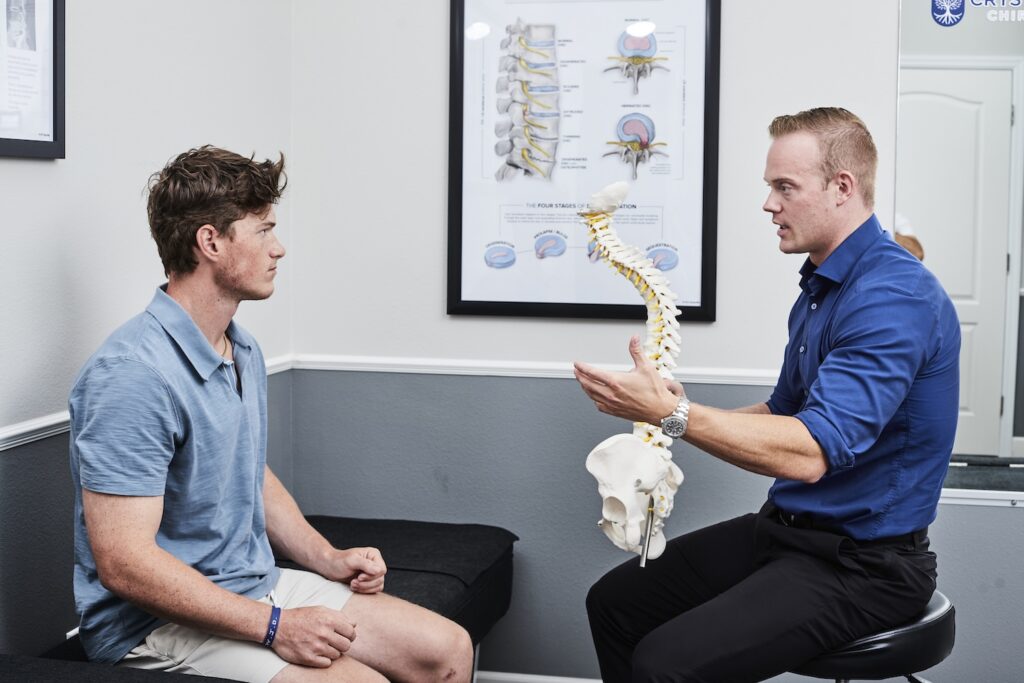
When you think about spinal health, it's easy to overlook the profound impact that authentic adjustments can have on your overall well-being. You might be surprised to learn how correcting misalignments not only alleviates discomfort but also enhances your body's communication systems. By prioritizing these adjustments, you're setting the stage for improved mobility and energy levels. However, the journey to ideal spinal health doesn't end there. Consider how integrating other practices can amplify these benefits and transform your approach to wellness. What might those practices be?
Importance of Spinal Alignment
Spinal alignment plays an integral role in your overall health and well-being. When your spine is properly aligned, it supports your body's structure and function, allowing you to move freely and efficiently. Poor alignment can lead to a range of issues, including pain, discomfort, and limited mobility. You mightn't realize it, but even minor misalignments can create tension in your muscles and stress in your joints.
Good spinal alignment guarantees that your nervous system functions at its best. The spine houses the spinal cord, which transmits signals between your brain and the rest of your body. If your spine is out of alignment, these signals can become disrupted, potentially affecting your body's ability to heal and maintain function. This is why focusing on spinal health is vital for everyone, regardless of age or lifestyle.
You may also notice that your posture plays a significant role in maintaining alignment. When you slouch or adopt poor posture habits, it places extra strain on your spine, which can lead to long-term problems. By developing awareness of your posture and making conscious adjustments, you can support your spinal health.
Regular check-ups with a healthcare professional can help you assess your spinal alignment and identify any areas that need attention. By prioritizing spinal alignment, you're setting the foundation for a healthier, more active life.
Benefits of Chiropractic Care
When it comes to maintaining proper spinal alignment, chiropractic care offers a range of benefits that can greatly enhance your well-being. One of the most significant advantages is pain relief. If you're dealing with chronic back, neck, or joint pain, chiropractic adjustments can alleviate discomfort by realigning your spine and reducing tension in your muscles.
In addition to pain relief, chiropractic care improves mobility. Regular adjustments help restore function to your spine, allowing you to move more freely and comfortably. You may find that everyday activities become easier, whether it's playing sports, exercising, or simply bending down to tie your shoes.
Another key benefit is enhanced overall health. Chiropractic care can boost your immune system by improving your body's communication pathways. With better spinal alignment, your nervous system functions effectively, leading to improved health in various aspects of your life.
Chiropractic care can also reduce stress. When your spine is aligned, your body can better handle stressors. You may notice a reduction in tension and anxiety levels, leading to an overall sense of relaxation.
Lastly, preventive care is a significant aspect of chiropractic treatment. Regular visits to a chiropractor can help identify and address potential issues before they escalate into more serious problems.
Role of Yoga in Spinal Health
Yoga plays an essential role in supporting your spinal health by enhancing flexibility and strength in your back muscles.
It encourages proper posture practices, which can help you maintain alignment throughout your daily activities.
Additionally, the mindful movements and breathing techniques in yoga greatly reduce stress and tension, promoting overall well-being.
Enhancing Flexibility and Strength
For centuries, practitioners have turned to yoga as a powerful tool for enhancing flexibility and strength, particularly in relation to spinal health. By incorporating various asanas, or poses, into your routine, you can effectively stretch and strengthen the muscles supporting your spine. This practice not only improves your range of motion but also helps alleviate tension that often accumulates in the back.
When you engage in yoga, you learn to connect breath with movement, which enhances your overall body awareness. Poses like Downward Dog and Cobra stretch the spine and promote spinal alignment, while warrior poses build strength in the core and back muscles.
As you progress, you'll notice increased flexibility, which reduces the risk of injuries and allows for better posture.
Moreover, the mindful nature of yoga encourages relaxation, which can help relieve stress that contributes to muscle tightness. By dedicating time to this practice, you're not only enhancing physical strength and flexibility but also nurturing your mental well-being.
Promoting Proper Posture Practices
By incorporating specific yoga practices into your daily routine, you can greatly enhance your posture and support spinal health. Yoga emphasizes alignment, strength, and flexibility, all of which are essential for maintaining proper posture. Poses like Mountain Pose (Tadasana) and Child's Pose (Balasana) help you develop body awareness, allowing you to recognize when you're slouching or misaligned.
As you practice, focus on your breath and engage your core. This connection between breath and movement not only strengthens your muscles but also reinforces the habit of maintaining a straight spine.
Incorporating poses such as Cat-Cow (Marjaryasana-Bitilasana) can help improve spinal mobility, while Downward Dog (Adho Mukha Svanasana) stretches your back and shoulders, promoting an open chest.
Additionally, practicing balance poses like Tree Pose (Vrksasana) encourages stability and helps you develop a strong foundation for good posture.
Reducing Stress and Tension
Stress and tension often manifest physically, leading to tightness in the muscles surrounding your spine. This tightness can create discomfort, hinder mobility, and negatively impact your overall spinal health. One effective way to combat this is through yoga. Practicing yoga regularly helps you release tension, improve flexibility, and strengthen the muscles that support your spine.
When you engage in yoga, you focus on your breath and movement, which encourages relaxation and mindfulness. Poses like Child's Pose or Cat-Cow can gently stretch and strengthen your back muscles, alleviating tightness. In addition, yoga promotes better alignment, reducing the risk of injury and ensuring your spine remains healthy.
Incorporating yoga into your weekly routine doesn't have to be intimidating. Even just a few minutes a day can yield significant benefits.
You'll find that as you reduce stress and tension in your body, you'll also improve your posture and overall well-being. So, whether you're a beginner or have experience, consider making yoga a part of your life. Your spine will thank you, and you'll enjoy a more relaxed, balanced state of mind.
Impact of Posture on Well-Being
Good posture plays an essential role in maintaining your overall well-being. When you sit, stand, or move with proper alignment, you're not only supporting your spine but also enhancing your physical and mental health. You mightn't realize it, but your posture directly affects how you feel throughout the day.
Poor posture can lead to a variety of issues, such as back pain, neck strain, and even headaches. Slouching or hunching over can compress your organs and impair digestion, making you feel sluggish and uncomfortable.
On the flip side, standing tall and sitting straight can boost your energy levels and promote better circulation. When your body is aligned, it functions more efficiently, allowing you to tackle daily tasks with ease.
Additionally, your posture can influence your mood and confidence. Research shows that adopting an open, upright posture can increase feelings of empowerment and positivity. When you project confidence through your posture, it can impact how others perceive you, potentially leading to more positive interactions.
Moreover, maintaining good posture can reduce stress levels. When you're properly aligned, you're less likely to experience tension in your muscles, which can contribute to a more relaxed state of mind.
Techniques for Daily Adjustments
While you may not think about it throughout the day, small adjustments to your daily routine can greatly improve your spinal health. Start by being mindful of your posture. When sitting, keep your feet flat on the ground, your back straight, and your shoulders relaxed. You might find it helpful to use a chair that supports your lower back.
If you work at a desk, consider a standing desk or take regular breaks to stretch and walk around.
Next, pay attention to how you lift objects. Always bend at your knees and keep the item close to your body. This technique minimizes strain on your back and helps maintain proper alignment. You can also incorporate exercises that strengthen your core, as a strong core supports your spine and reduces the risk of injury.
When it comes to sleeping, choose a mattress that provides adequate support. Confirm your pillow keeps your neck aligned with your spine. You might want to try sleeping on your side with a pillow between your knees to maintain spinal alignment.
Lastly, stay hydrated and maintain a balanced diet. Proper nutrition supports your overall health, including your spine. Drinking plenty of water keeps your discs hydrated, while a diet rich in calcium and vitamin D promotes bone strength.
Holistic Practices for Pain Relief
When seeking relief from spinal pain, exploring holistic practices can offer effective alternatives to traditional treatments. These approaches focus on treating the whole person rather than just the symptoms, allowing you to address the root causes of your discomfort.
One popular method is acupuncture. By inserting fine needles into specific points, it can help reduce pain and improve your body's energy flow. Many people find significant relief from spinal pain through regular sessions, often experiencing fewer side effects compared to medications.
Another practice to take into account is yoga. It combines gentle stretching, mindful breathing, and meditation. Practicing yoga can strengthen your back muscles, increase flexibility, and promote relaxation, all of which contribute to pain relief. You don't need to be a seasoned yogi; even beginner classes can provide benefits.
Massage therapy is also a powerful tool. A skilled massage therapist can target tight muscles and tension in your back, helping to alleviate pain. Regular sessions can enhance circulation and promote overall well-being, making it easier for your body to heal.
Additionally, incorporating herbal supplements like turmeric or ginger into your diet may offer anti-inflammatory benefits. Always consult with a healthcare professional before starting any new supplements.
Lastly, mindfulness and meditation can help manage your pain by reducing stress and improving your emotional resilience. By incorporating these holistic practices into your routine, you can create a thorough pain relief strategy that promotes spinal health and enhances your quality of life.
Conclusion
Incorporating authentic adjustments into your routine is essential for maintaining spinal health. By prioritizing chiropractic care, practicing yoga, and being mindful of your posture, you're not just relieving pain but also enhancing your overall well-being. Daily adjustments and holistic practices can greatly improve your mobility, energy levels, and stress management. Embrace these strategies to support your spine and enjoy a healthier, more balanced life. Your body will thank you for it!