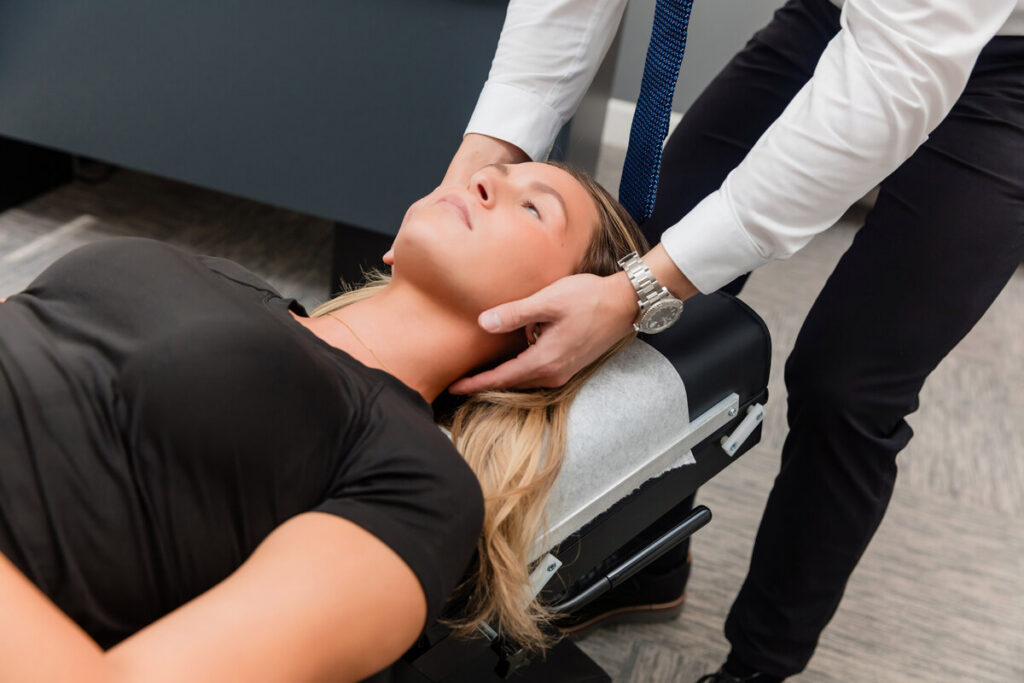
You might think that a positive attitude is all you need to tackle life's challenges, but have you considered how your spinal health plays an essential role in your overall well-being? A misaligned spine can lead to discomfort and fatigue, which can cloud your mindset. By focusing on both your spine and your attitude, you create a more harmonious balance that promotes resilience. What if adjusting your spine could be the key to releasing a more vibrant and optimistic you? Let's explore the connections that could transform your approach to health and happiness.
Understanding Spinal Health
When it comes to your overall health, understanding spinal health is essential. Your spine isn't just a sturdy structure; it plays a significant role in your body's overall function. A healthy spine supports your nervous system, protects your spinal cord, and maintains your body's alignment.
It's important to recognize how spinal issues can affect your daily life, from mobility to energy levels. You mightn't realize it, but poor posture, sedentary habits, or even stress can lead to spinal misalignments. These misalignments can cause discomfort and pain, making it harder for you to engage in activities you enjoy.
By prioritizing spinal health, you're actively investing in your well-being. Regular exercise, stretching, and maintaining proper posture are keys to keeping your spine healthy. Engaging in activities like yoga or Pilates can also strengthen your core, which directly supports your spine.
Additionally, be mindful of your workspace; ergonomically designed furniture can make a significant difference in how your spine feels throughout the day. Don't forget about the importance of regular check-ups with a qualified healthcare professional. They can help identify any potential issues before they escalate.
The Mind-Body Connection
Our minds and bodies are intricately linked, and understanding this connection is vital for maintaining overall health. When you experience stress or emotional turmoil, your body can reflect those feelings through tension, pain, or discomfort. Conversely, physical issues like poor posture or spinal misalignments can impact your mental state, leading to feelings of anxiety or depression. Recognizing this interplay can empower you to take charge of both your mental and physical well-being.
To strengthen this connection, practice mindfulness techniques. Engaging in meditation, deep breathing exercises, or yoga can help you become more aware of your body and its signals. These practices encourage relaxation and may alleviate physical discomfort while fostering a positive mental state. By tuning into your body, you can identify areas of tension and make necessary adjustments.
Moreover, regular physical activity can greatly enhance your mood and mental clarity. When you exercise, your body releases endorphins, which can boost your spirits and reduce stress levels. Incorporating activities that promote spinal health, like stretching or strength training, can further improve your overall well-being.
Don't underestimate the power of a healthy spine. When your spine is aligned, it supports not just your physical structure but also your mental resilience.
Common Spine Misalignments
Understanding common spine misalignments is essential for your overall well-being.
You'll encounter conditions like scoliosis, kyphosis, and lordosis, each affecting your body in different ways.
Scoliosis Symptoms and Effects
Scoliosis can lead to a range of symptoms and effects that greatly impact daily life. You might experience discomfort or pain, which can interfere with your daily activities. It's important to recognize these symptoms early on to seek appropriate treatment.
Common effects of scoliosis include:
- Back pain: This can range from mild to severe and may worsen with certain activities.
- Postural changes: You may notice uneven shoulders or hips, leading to an imbalanced appearance.
- Limited mobility: Scoliosis can restrict your ability to twist or bend, making some movements difficult.
- Fatigue: Your body may work harder to compensate for the misalignment, leading to increased tiredness.
- Breathing difficulties: In severe cases, the curvature can affect lung capacity, causing shortness of breath during physical activity.
Being aware of these symptoms can help you monitor your condition and seek help when necessary. If you notice any of these effects, don't hesitate to consult a healthcare professional.
Early intervention can make a significant difference in managing scoliosis and improving your quality of life.
Kyphosis: Causes and Solutions
While scoliosis affects spinal alignment, another common condition is kyphosis, characterized by an exaggerated forward curve of the spine. This condition often results from poor posture, aging, or conditions like osteoporosis. If you notice a hunchback appearance or experience back pain, you might be dealing with kyphosis.
To address kyphosis, start by evaluating your posture. Make a conscious effort to sit and stand up straight. Strengthening your back muscles through exercises like rows or reverse flys can also help restore balance. Stretching the chest muscles can alleviate tightness, promoting a more aligned spine.
Additionally, consider incorporating yoga or Pilates into your routine. These practices focus on spinal alignment and can enhance flexibility and strength. If your kyphosis is severe or causing significant discomfort, consult a healthcare professional for a tailored treatment plan, which may include physical therapy or, in rare cases, surgery.
Don't underestimate the impact of ergonomics. Adjust your workspace to support a neutral spine and take regular breaks to move around.
Lordosis: Understanding the Curve
Lordosis, often referred to as swayback, is a condition where the lower back curves excessively inward. This misalignment can cause discomfort and lead to various complications if left unaddressed.
You might notice symptoms like lower back pain or a protruding abdomen, which can affect your overall posture and well-being.
Understanding the causes of lordosis is essential for effective management. Here are some common factors:
- Muscle Imbalance: Weak abdominal muscles and tight hip flexors can contribute to the excessive curve.
- Obesity: Extra weight can strain your lower back, exacerbating the curve.
- Pregnancy: The added weight in the front can shift your center of gravity, increasing lordosis.
- Genetics: Some people may be predisposed to spinal curvatures due to hereditary factors.
- Poor Posture: Slouching or improper sitting can gradually affect your spine's alignment.
To address lordosis, consider exercises that strengthen your core, improve flexibility, and promote better posture.
Consulting a healthcare professional can also help you tailor a plan to correct this alignment issue effectively.
Benefits of Spinal Adjustments
When it comes to enhancing your overall well-being, spinal adjustments can really make a difference. You might be surprised at how much your spine influences your health. Proper alignment can alleviate pain, improve mobility, and even boost your immune system. By receiving regular spinal adjustments, you can reduce tension in your muscles and improve your body's overall function.
One of the most immediate benefits you'll notice is the relief from discomfort. If you're dealing with chronic pain, whether it's in your back, neck, or joints, a chiropractor can help realign your spine, easing pressure on nerves and tissues. This can lead to a significant reduction in pain levels, allowing you to engage in activities you love.
Moreover, spinal adjustments can enhance your posture. Good posture isn't just about looking confident; it plays an essential role in how your body functions. By correcting misalignments, you'll likely experience less fatigue, improved breathing, and better digestion.
You might also find that your body responds more effectively to stress. With a properly aligned spine, your nervous system can function efficiently, helping you manage stress and anxiety more effectively.
Finally, regular adjustments can promote better sleep. Many people report improved sleep quality after receiving spinal care. A well-aligned spine can lead to a more relaxed state, making it easier for you to drift off and stay asleep.
Incorporating spinal adjustments into your wellness routine can truly enhance your quality of life. It's time to prioritize your spine for your overall health.
Emotional Impact of Spinal Issues
Spinal issues can profoundly affect your emotional well-being, often leaving you feeling frustrated and overwhelmed. The connection between physical pain and emotional distress is well-documented, and when you experience chronic back pain or discomfort, it's not just your body that suffers.
You might find your mood shifting, your energy levels dropping, and your general outlook on life becoming clouded. Living with spinal issues can lead to various emotional challenges, including:
- Increased anxiety: Worrying about the future or the possibility of further pain can heighten feelings of anxiety.
- Depression: Chronic pain often contributes to feelings of hopelessness and sadness, which can spiral into depression.
- Irritability: Constant discomfort can make you more short-tempered, impacting your relationships and daily interactions.
- Social withdrawal: You might start avoiding social situations, fearing that your pain will limit your participation or enjoyment.
- Low self-esteem: Struggling with physical limitations can lead to feelings of inadequacy or self-doubt.
Recognizing the emotional impact of spinal issues is the first step toward addressing them. It's vital to understand that you're not alone in this journey.
Many people experience similar feelings, and seeking support—whether through friends, family, or professionals—can make a significant difference. By acknowledging the emotional toll, you can begin to take steps toward improving both your physical and mental health.
Techniques for Spinal Care
Living with the emotional challenges posed by spinal issues can make it easy to overlook the importance of proactive spinal care. However, prioritizing your spine's health can greatly improve both your physical and emotional well-being.
Start by incorporating regular stretching into your daily routine. Simple stretches can enhance flexibility and alleviate tension that builds up throughout the day.
Strengthening your core is another crucial technique. A strong core supports your spine and helps maintain proper posture. Consider exercises like planks, bridges, or gentle yoga poses that focus on your abdominal muscles. You don't need a gym membership; just a small space at home will do.
Mind your posture, too. Whether you're sitting, standing, or walking, maintain an aligned spine. Use supportive chairs, and adjust your workstation to promote a healthy posture. Keep your feet flat on the ground and your screen at eye level to avoid straining your neck.
Incorporating regular physical activity into your life is essential. Aim for low-impact exercises like swimming or walking, which help keep your body moving without putting excessive strain on your spine.
Lastly, don't underestimate the power of relaxation techniques. Practices like deep breathing, meditation, or even mindfulness can help ease the emotional stress that often accompanies spinal issues.
Role of Chiropractic Treatments
Chiropractic treatments offer a variety of benefits that can enhance your overall well-being.
By understanding different treatment techniques, you can make informed decisions about your spinal care.
Let's explore how these approaches can help you achieve a healthier spine.
Chiropractic Benefits Explained
When you think about enhancing your overall well-being, it's easy to overlook the role of chiropractic treatments. However, these therapies can profoundly impact your health. They focus on aligning your spine and improving your body's functionality, which can lead to numerous benefits.
Here are some key advantages you might experience with chiropractic care:
- Pain Relief: Chiropractic adjustments can alleviate pain in your back, neck, and joints.
- Improved Mobility: Regular treatments help restore movement and flexibility, making daily activities easier.
- Enhanced Posture: Chiropractors can guide you in correcting posture, reducing stress on your spine.
- Better Sleep: By alleviating discomfort and addressing tension, you might find it easier to fall and stay asleep.
- Boosted Immune Function: Proper spinal alignment can enhance your nervous system, potentially improving your immune response.
Treatment Techniques Overview
Understanding the various treatment techniques in chiropractic care can help you appreciate how these therapies work to restore your health. Chiropractors use a blend of hands-on adjustments, physical therapies, and lifestyle advice to promote healing and wellness.
One of the most common techniques is spinal manipulation, where the chiropractor gently adjusts your spine to align your vertebrae, reducing pain and improving mobility. This technique can relieve tension and restore proper function to your nervous system.
In addition to spinal adjustments, you might experience soft tissue therapies, like massage or myofascial release, which target muscles and connective tissues to alleviate discomfort and improve circulation.
Chiropractors may also utilize therapeutic exercises tailored to your specific needs, enhancing strength and flexibility while preventing future injuries.
Finally, nutritional guidance and ergonomic advice play a crucial role in your overall treatment plan. By addressing your lifestyle choices, you can support your recovery and maintain long-term health.
Each technique is designed to work in harmony, providing a holistic approach to your well-being. Embracing these various treatments can pave the way for a healthier, pain-free life.
Lifestyle Changes for Spinal Wellness
Regularly incorporating lifestyle changes can greatly enhance your spinal wellness. By making small adjustments in your daily routine, you can remarkably improve your posture, reduce pain, and promote overall spinal health.
Here are some effective lifestyle changes you should consider:
- Maintain good posture: Whether you're sitting, standing, or walking, keep your spine aligned. Use ergonomic furniture when possible.
- Stay active: Engage in regular physical activity. Focus on exercises that strengthen your core, as a strong core supports your spine.
- Stretch daily: Incorporate stretching into your routine to maintain flexibility. Yoga or simple stretches can help alleviate tension and improve spinal health.
- Watch your weight: Excess weight can put additional strain on your spine. Eating a balanced diet and maintaining a healthy weight supports spinal wellness.
- Take breaks: If you sit for long periods, take short breaks to stand, stretch, and move around. This can help reduce stiffness and discomfort.
Integrating Mindset and Bodywork
Understanding the mind-body connection is key to improving your spinal health.
By incorporating techniques for alignment with a positive mindset, you can enhance the effectiveness of your bodywork.
Let's explore how these approaches work together to benefit your overall well-being.
Mind-Body Connection Explained
A strong mind-body connection can greatly enhance your overall well-being. When you recognize how your mental state influences your physical health, you can take steps to improve both. Tuning into this connection allows you to harness your mindset to support your body, leading to better outcomes in your daily life.
Here are some key benefits of strengthening your mind-body connection:
- Reduced Stress: Awareness of your thoughts and feelings can help you manage stress effectively.
- Improved Posture: A positive mindset encourages body awareness, leading to better alignment.
- Enhanced Focus: Strengthening this connection can sharpen your concentration and mental clarity.
- Greater Resilience: A strong mind-body bond helps you cope with challenges and bounce back from setbacks.
- Boosted Immune Function: Positive mental states can improve your physical health, enhancing your immune response.
Techniques for Alignment
To achieve ideal alignment between your mind and body, incorporating specific techniques can make a significant difference. Start by practicing mindful breathing. Inhale deeply through your nose, allowing your abdomen to expand, and exhale slowly through your mouth. This simple act calms your mind and promotes relaxation in your body.
Next, integrate gentle stretching into your daily routine. Focus on areas where tension builds, like the neck, shoulders, and lower back. Stretching not only increases flexibility but also helps release physical tension that can hinder your mental clarity.
Consider incorporating yoga or Pilates. These practices emphasize posture awareness and core strength, aligning your body and fostering a deeper mind-body connection. As you move through the poses, pay attention to how your body feels, allowing your mind to remain present.
Finally, engage in bodywork modalities such as massage or chiropractic care. Regular sessions can realign your spine, release tight muscles, and enhance overall well-being.
Benefits of Integrating Approaches
Integrating mindset and bodywork offers numerous benefits that can transform your overall well-being.
When you combine mental and physical practices, you create a holistic approach that addresses both your mind and body. This integration can lead to profound changes in how you feel and function in daily life.
Here are some key benefits you can experience:
- Improved Mental Clarity: Engaging both mind and body helps clear mental fog and enhances focus.
- Enhanced Physical Performance: A positive mindset can boost your motivation and commitment to physical activities.
- Reduced Stress Levels: Mindful bodywork reduces tension and promotes relaxation, making it easier to manage stress.
- Better Posture and Alignment: Working on mental awareness can lead to improved body awareness, leading to better posture.
- Increased Resilience: Combining techniques strengthens your ability to cope with challenges, both mentally and physically.
Long-Term Benefits of Spinal Health
Maintaining good spinal health isn't just about alleviating pain in the moment; it has significant long-term benefits that can enhance your overall well-being. When you prioritize spinal health, you're not only reducing the risk of chronic pain but also improving your body's functionality. A well-aligned spine supports your nervous system, allowing it to communicate effectively with every part of your body. This means better organ function, improved digestion, and increased energy levels.
You'll also experience better posture, which can lead to increased confidence. When you stand tall with proper alignment, you project a sense of authority and self-assuredness. Over time, this can positively influence your interactions, both personally and professionally.
Moreover, good spinal health can enhance your athletic performance. If you're active, a balanced spine translates to improved coordination, flexibility, and strength.
Additionally, maintaining spinal health can contribute to better mental health. Research shows that chronic pain can affect your mood and lead to conditions like anxiety and depression. By taking care of your spine, you're investing in your emotional well-being as well.
Lastly, good spinal health can lead to a longer, healthier life. With improved mobility and reduced pain, you'll be more likely to engage in activities you love, keeping you active and socially connected.
Conclusion
Prioritizing your spinal health is just as essential as maintaining a positive attitude. By addressing misalignments and embracing chiropractic care, you're not only relieving physical discomfort but also enhancing your mental well-being. Remember, a healthy spine lays the groundwork for resilience, allowing your mindset to flourish. So, take action today: adjust your spine, embrace wellness, and watch how your outlook on life transforms. Your journey to a healthier, happier you starts with that first adjustment!