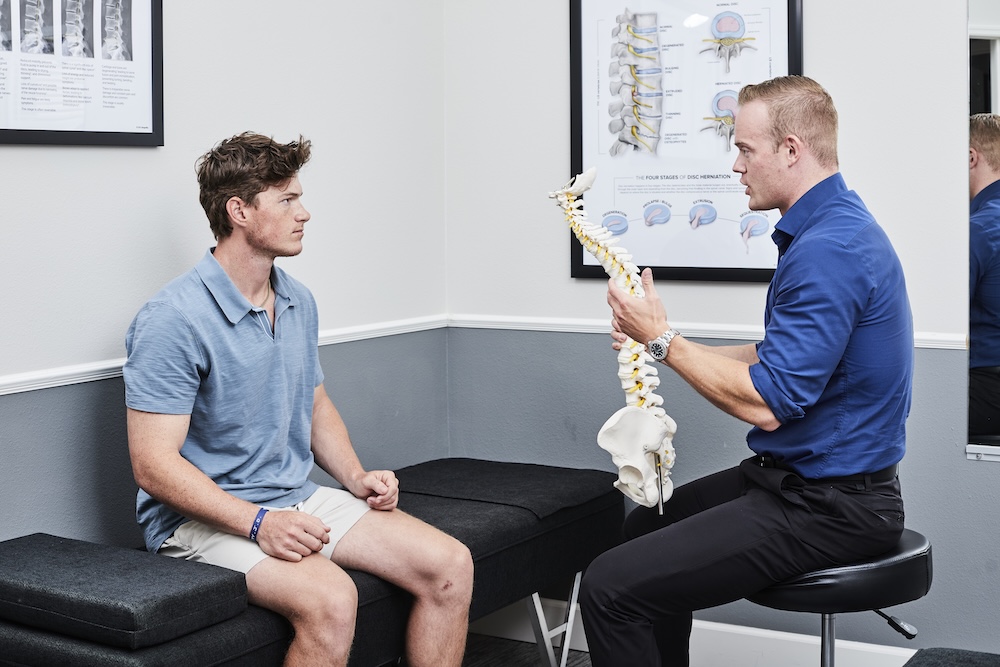
Good posture isn’t just about looking confident—it’s vital for your overall health and well-being. When your posture is poor, it can lead to chronic pain and discomfort, which can significantly impact your daily life. As a chiropractor, I want to share some effective techniques that can help you improve your posture naturally and alleviate pain without relying on medications or surgeries.
One of the first steps to better posture is ensuring your workspace is ergonomically friendly. This means adjusting your chair, desk, and computer screen to promote a healthy sitting position. Your feet should be flat on the ground, your back should be supported, and your screen should be at eye level to avoid straining your neck.
In addition to workspace adjustments, incorporating core strengthening exercises into your routine can make a big difference. Strong core muscles support your spine and help maintain good posture. Simple exercises like planks, bridges, and pelvic tilts can be very effective.
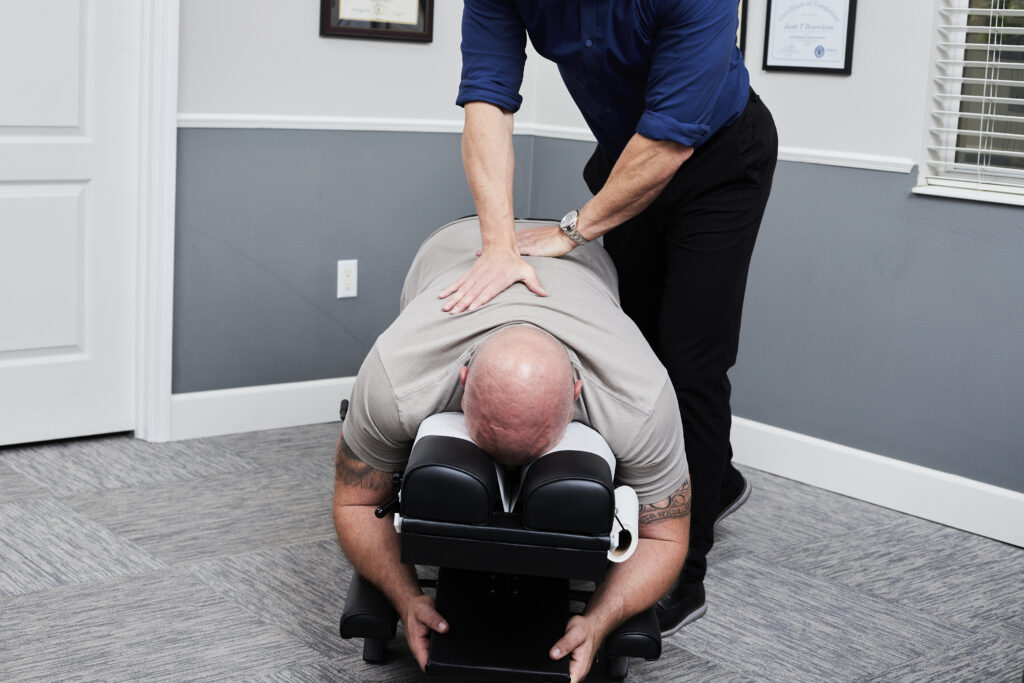
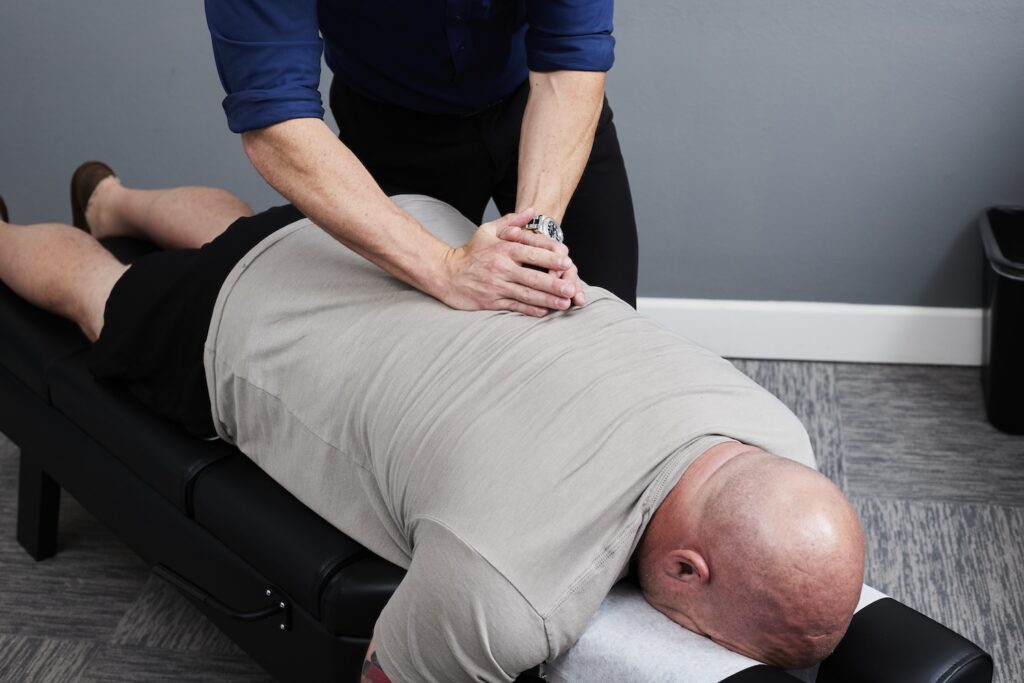
Regular chiropractic adjustments can also play a crucial role in improving your posture. By aligning your spine and ensuring that your nervous system is functioning properly, chiropractic care can help relieve pain and promote a more natural posture.
Finally, it’s important to be mindful of your posture throughout the day. Take breaks to stretch and reset your position, especially if you’ve been sitting for long periods. Simple habits like standing tall, engaging your core, and keeping your shoulders relaxed can help you maintain better alignment.
By embracing these strategies, you can enhance your posture and alleviate pain in a sustainable way. Remember, chiropractic care is an excellent choice for achieving optimal health and natural wellness. If you’re experiencing discomfort or want to take your posture to the next level, consider visiting your local chiropractor for personalized care and guidance.
Key Takeaways
- Strengthen your core muscles with simple exercises like planks and bridges. A strong core supports proper spine alignment, which can significantly reduce pain and discomfort. Chiropractic care often emphasizes core strength as a key part of overall spinal health.
- Take a moment to assess your workspace. Adjusting your desk, chair, and computer setup to promote a neutral spine can make a world of difference. This simple adjustment helps prevent strain during your daily tasks, and a chiropractor can provide personalized tips to ensure your workspace is as ergonomic as possible.
- Regularly incorporate stretching into your routine. Stretching not only helps release muscle tension but also improves your overall flexibility and posture. Many chiropractors recommend specific stretches that can enhance your spinal health and alleviate discomfort.
- Mindfulness and body awareness are powerful tools. Techniques like body scans and deep breathing can help you identify areas of tension in your body. By tuning into your body, you can better understand when to seek chiropractic care for relief.
- If you’re experiencing persistent pain or discomfort, consider visiting a chiropractor. They offer personalized assessments and tailored plans to correct posture-related issues. Chiropractic care focuses on natural healing and wellness, helping you to achieve optimal health without the need for surgeries or medications.
By integrating these tips into your daily routine and considering chiropractic care as a supportive option, you can enhance your posture, alleviate pain, and promote a healthier lifestyle.
Understanding the Importance of Good Posture
Good posture is more than just a way to appear confident; it’s a vital aspect of your overall health and wellness. When you maintain good posture, you provide essential support to your spine, which can significantly reduce the strain on your muscles and ligaments. This can lead to fewer aches and pains, particularly in your back and neck.
Many people are unaware that slouching can compress your organs, leading to issues with digestion and breathing. By simply standing or sitting up straight, you allow your body to function more effectively.
Chiropractic care is an excellent way to help you achieve and maintain good posture. A chiropractor can assess your spinal alignment and provide personalized adjustments to keep your spine healthy. These adjustments can alleviate discomfort, enhance your mobility, and promote better overall wellness.
Moreover, good posture can have a positive impact on your mood and energy levels. When your body is properly aligned, you’re likely to feel more alert and focused. Picture yourself walking into a room with your head held high; this not only reflects positivity and confidence but can also influence how others perceive you.
To support good posture in your daily life, here are some simple tips you can incorporate:
- Be Mindful of Your Sitting Position: Whether at work or home, ensure that your chair supports your lower back. Keep your feet flat on the ground and your knees at a right angle.
- Take Breaks: If you sit for long periods, make it a habit to stand up and stretch every 30-60 minutes. This can help relieve tension and reset your posture.
- Strengthen Your Core: Engaging in exercises that strengthen your abdominal and back muscles can provide better support for your spine, helping you maintain good posture.
- Practice Good Ergonomics: Arrange your workspace to promote healthy posture. Your computer screen should be at eye level, and your keyboard should be positioned so your wrists are straight.
- Regular Chiropractic Check-ups: Consider visiting a chiropractor regularly to keep your spine aligned and address any issues before they become significant problems.
Taking small steps toward better posture can lead to a significant improvement in how you feel both physically and mentally. Remember, chiropractic care is a natural and effective way to support your health and well-being, promoting a pain-free lifestyle.
Ergonomic Adjustments for Your Workspace
Adjusting your workspace ergonomically can have a profound impact on your overall health and well-being, particularly when it comes to spinal health.
By creating a setup that aligns with your body’s natural posture, you can minimize discomfort and enhance your focus throughout your workday.
As a chiropractor, I believe these adjustments are essential for promoting natural healing and preventing pain.
Here are some key changes you can make to support your spine and improve your workspace:
- Chair Height: Ensure your chair allows your feet to rest flat on the floor, with your knees bent at a 90-degree angle. This promotes proper alignment of your pelvis and spine, reducing strain.
- Desk Height: Your desk should be at elbow height when you’re seated. This allows your arms to rest comfortably and helps maintain a neutral spine position, reducing the risk of tension in your back and neck.
- Monitor Position: Place your monitor at eye level and about an arm’s length away. This helps prevent you from leaning forward or tilting your head, which can lead to neck strain and discomfort.
- Keyboard and Mouse: Keep your keyboard and mouse close to your body to avoid overreaching. This not only helps maintain proper wrist alignment but also supports your overall posture.
- Lighting: Use sufficient lighting to reduce eye strain and maintain a bright workspace without any glare. Proper lighting can help you stay alert and focused, further supporting your productivity.
By implementing these simple ergonomic adjustments, you can enhance your comfort and productivity while also taking important steps towards better spinal health.
Strengthening Core Muscles for Better Support
Strengthening Core Muscles for Better Support and Spinal Health
As a chiropractor, I emphasize the importance of a strong core for overall health and wellness, especially when it comes to supporting your spine. A robust core acts as a natural brace for your back, contributing to good posture, reducing discomfort, and helping you maintain better alignment throughout your daily activities. Here are some easy-to-follow exercises you can incorporate into your routine to strengthen your core:
| Exercise | Benefits |
|---|---|
| Plank | Engages multiple core muscles, promoting stability |
| Bicycle Crunches | Targets your obliques and abs, enhancing strength |
| Dead Bug | Improves coordination and stability, which is crucial for spinal health |
| Bridge | Strengthens your lower back and glutes, supporting your spine |
Integrating these exercises into your weekly routine can help you build endurance and strength in your core, leading to more efficient movement and less strain on your spine. I recommend aiming for at least two to three sessions a week, gradually increasing the intensity as your strength improves.
In addition to these exercises, here are a few tips to keep in mind for better spinal health:
- Practice Good Posture: Always be mindful of your posture while sitting and standing. This simple habit can significantly reduce the risk of pain.
- Stay Hydrated: Proper hydration supports the discs in your spine, helping to maintain their health and function.
- Listen to Your Body: If you experience discomfort during any exercise, stop and consult with a healthcare professional, preferably a chiropractor who understands your needs.
- Regular Chiropractic Care: Consistent chiropractic adjustments can help ensure your spine is aligned and functioning properly, complementing your core strengthening efforts.
Stretching Techniques to Release Tension
To enhance your posture and promote overall well-being, it’s vital to incorporate stretching techniques that help release tension in the body. As a local chiropractor, I recommend starting with some effective neck stretches to relieve tightness, followed by upper back release techniques to improve spinal alignment, and hip flexor flexibility exercises to support your lower body.
These simple practices not only alleviate discomfort but also boost your overall mobility, making daily activities easier and more enjoyable.
Remember, regular stretching can complement chiropractic care, which is the best choice for achieving optimal health and pain relief. By focusing on natural healing and healthier living, you can experience lasting benefits.
Here are a few general tips to keep in mind:
- Breathe Deeply: While stretching, remember to take deep breaths. This helps to relax your muscles and enhance the effectiveness of the stretch.
- Listen to Your Body: If something doesn’t feel right, ease off. Stretching should feel good and never cause pain.
- Make it a Routine: Consistency is key. Set aside time each day to incorporate these stretches into your routine for lasting results.
Effective Neck Stretches
Effective Neck Stretches for Better Spinal Health
As a chiropractor, I understand that tension in the neck can significantly impact not only your posture but also your overall well-being. Regular neck stretches can be a simple yet powerful way to alleviate discomfort and promote natural healing.
Here are some easy stretches you can incorporate into your daily routine to improve your spinal health:
- Neck Tilt: Gently tilt your head to one side, holding the position for 15 seconds before switching to the other side. This stretch helps relax the muscles on the sides of your neck.
- Neck Rotation: Slowly turn your head to the right and then to the left, holding each position for 15 seconds. This movement encourages flexibility in your cervical spine.
- Chin Tuck: Pull your chin back towards your neck, feeling a gentle stretch at the base of your skull. This exercise is great for improving posture and counteracting the effects of forward head posture.
- Shoulder Shrugs: Raise your shoulders up towards your ears, hold for a few seconds, and then release. This helps to relieve tension in your shoulder and neck area.
- Side Stretch: Reach your arm overhead and lean to the opposite side for a deeper stretch. This not only helps the neck but also opens up your side body, promoting better spinal alignment.
Incorporating these stretches into your daily routine can enhance your posture, relieve discomfort, and contribute to your overall health.
Upper Back Release Techniques
Releasing tension in your upper back is crucial for maintaining good posture and overall comfort, as tightness in this area can lead to discomfort and strain.
As a chiropractor, I believe that natural methods, such as chiropractic care, are the best way to achieve optimal health and wellness.
To start alleviating tension in your upper back, try a simple shoulder shrug: lift your shoulders toward your ears, hold for a few seconds, then release. This technique not only helps relieve tightness but also promotes better alignment of the spine.
Next, consider incorporating the cat-cow stretch into your routine. Begin on all fours and alternate between arching your back (like a cat) and rounding it (like a cow). This gentle movement encourages flexibility and mobility in your spine, which is essential for overall spinal health.
Another effective technique is crossing your arms and gently pulling them towards your chest. This helps to stretch the muscles between your shoulder blades, relieving tension and promoting relaxation.
Lastly, using a foam roller can be a fantastic addition to your self-care routine. Lie on it horizontally under your upper back and roll gently. This can help release tight muscles and improve blood flow, making it an excellent complementary practice alongside chiropractic adjustments.
Incorporating these simple techniques into your daily routine can significantly alleviate tension and improve your posture.
Hip Flexor Flexibility Exercises
Tension in the upper back can often lead to tightness in the hip flexors, as these areas work together to maintain balance and posture.
As a chiropractor, I want to emphasize the importance of addressing these issues naturally, without resorting to surgeries or medications. Incorporating hip flexor flexibility exercises into your routine can significantly alleviate discomfort and promote overall wellness.
Here are some effective stretches to help release tension and improve flexibility:
- Kneeling Hip Flexor Stretch: Start by kneeling on one knee. Push your hips forward gently, and you’ll feel a nice stretch in the front of your hip. This move helps realign your body and improves your posture.
- Pigeon Pose: Bring one leg forward, bending it at the knee, while extending the other leg back. This deep stretch not only opens up the hips but also promotes better spinal alignment.
- Lizard Pose: Step forward into a lunge position and lower your hands to the ground. This stretch increases flexibility in your hip flexors and helps ease tension in the lower back.
- Standing Quad Stretch: While standing, pull one foot toward your glutes. This simple stretch targets the hip flexors and can be done anywhere, making it easy to incorporate into your daily routine.
- Seated Butterfly Stretch: Sit with the soles of your feet together and gently press your knees down. This stretch is great for opening up the hips and promoting relaxation throughout the body.
Regularly practicing these stretches can lead to better flexibility and reduced discomfort.
Remember, chiropractic care is an excellent way to support your body’s natural healing processes. By combining these stretches with regular chiropractic adjustments, you can achieve optimal health and wellness.
Prioritize your spinal health, and you’ll experience the benefits in every aspect of your life!
Mindfulness and Posture Awareness
To improve your posture, it’s crucial to cultivate mindfulness and awareness of your body, and chiropractic care can play a vital role in this journey. By focusing on body awareness techniques and your breathing, you can achieve better alignment in your daily activities.
Regular visits to a chiropractor can help identify and correct any spinal misalignments, which may be contributing to poor posture and discomfort.
Incorporating mindfulness practices into your routine, such as gentle stretching and deep breathing exercises, can complement the benefits of chiropractic adjustments. These methods promote relaxation and help you become more attuned to your body’s posture throughout the day.
Remember, a healthy spine is key to overall wellness, so prioritize regular chiropractic care as part of your commitment to a healthier lifestyle.
Here are some general tips to enhance your posture and well-being:
- Check Your Alignment: Stand against a wall with your heels, buttocks, and head touching it. This can help you visualize and correct your posture.
- Mind Your Workspace: Ensure your desk and chair are ergonomically aligned to support your spine.
- Take Breaks: Regularly step away from your desk to stretch and move around, keeping your body engaged and flexible.
- Breathe Deeply: Practice deep breathing exercises to reduce tension and promote relaxation in your muscles.
Body Awareness Techniques
Improving your posture is essential for overall health, and one of the best ways to achieve this is through enhanced body awareness. As a chiropractor, I believe that incorporating mindfulness techniques can make a significant difference in how you feel and function.
Here are some effective body awareness techniques that can complement your chiropractic care and promote natural healing:
- Body Scan: Take a moment each day to focus on different parts of your body. Notice any areas of tension or discomfort. This practice can help you become more aware of how your body feels and identify areas that may benefit from chiropractic adjustments.
- Mindful Movement: Engage in gentle activities such as yoga or tai chi. These practices encourage you to pay attention to your body’s alignment and movements. They can help improve flexibility and support spinal health, making them great complements to chiropractic care.
- Posture Check-ins: Set simple reminders throughout your day to assess your posture. Whether you’re sitting at your desk or standing in line, take a moment to align your body properly. Regular posture check-ins can help reinforce good habits and reduce strain on your spine.
- Sensory Awareness: Pay attention to how your body feels in various positions—sitting, standing, or walking. Being mindful of your body’s sensations can help you understand what feels good and what may need adjustment. This awareness can lead to better posture and reduced discomfort.
- Grounding Techniques: Practice feeling the connection of your feet to the ground. This grounding exercise helps center your awareness and supports better alignment. It can be a great way to relieve stress and promote relaxation, enhancing the benefits of chiropractic adjustments.
By incorporating these body awareness techniques into your daily routine, you can support your journey towards optimal health and wellness.
Breathing and Alignment
While you may not realize it, your breath plays a crucial role in maintaining proper alignment and posture, which are foundational to a healthy spine. When you breathe deeply and mindfully, you engage your diaphragm. This action helps stabilize your core and supports your spine, promoting an upright posture that reduces strain on your muscles and joints.
This is where chiropractic care shines, as it focuses on aligning your spine and enhancing your body’s natural ability to heal itself.
To harness the power of your breath for better alignment, practice being aware of your breathing throughout the day. Notice how inhaling expands your chest and abdomen, creating space in your torso. As you exhale, visualize releasing tension from your shoulders and neck.
This mindful breathing technique complements chiropractic adjustments, reinforcing the benefits of proper alignment and promoting overall well-being.
Integrating this simple yet powerful breathing practice into your daily routine can lead to lasting improvements in your posture and health. Remember, chiropractic care is your best choice for achieving optimal health naturally. It not only addresses pain relief but also supports your body’s natural functions.
Daily Mindfulness Practices
Incorporating daily mindfulness practices into your routine can significantly improve your posture awareness, which is essential for maintaining a healthy spine. By staying present and focused, you can better recognize and adjust your body alignment throughout the day, ultimately reducing discomfort and promoting natural healing.
Here are some effective mindfulness practices that can complement your chiropractic care:
- Body Scans: Take a moment to check in with different areas of your body. Notice any tension or misalignment, which can often be addressed through chiropractic adjustments.
- Mindful Breathing: Concentrate on your breath to help center your mind and relax your muscles. This can relieve stress and tension in your back, making it easier to maintain proper posture.
- Walking Meditation: As you walk, pay attention to each step you take. This practice promotes awareness of your posture while moving and can lead to better spinal alignment.
- Yoga or Stretching: Engage in gentle, mindful movements that improve flexibility and alignment. Regular stretching can complement your chiropractic treatments by increasing range of motion and reducing stiffness.
- Gratitude Journaling: Reflect on your body’s capabilities and the positive changes you experience through chiropractic care. This practice fosters a positive mindset about your posture and overall health.
Incorporating these mindfulness strategies into your daily life can help you cultivate awareness and support your body’s strength over time.
Incorporating Movement Into Your Day
Incorporating movement into your daily routine is essential for maintaining a healthy spine and overall well-being. As a chiropractor, I often emphasize how small bursts of activity can help keep your muscles engaged, improve posture, and prevent stiffness. Movement is vital, whether you’re at your desk working or running errands; it can significantly contribute to your spinal health.
Here’s a simple table to help you incorporate movement into your daily life, enhancing both your physical health and your chiropractic care:
| Time of Day | Movement Idea |
|---|---|
| Morning | Start your day with 5 minutes of stretching to loosen up your spine. |
| Afternoon | Take a 10-minute walk to get your blood flowing and relieve tension. |
| Evening | Wind down with a short yoga session to promote flexibility and relaxation. |
| Throughout | Stand or move around while on phone calls to keep your body active. |
Utilizing Tools and Devices for Posture Correction
Everyday movement is crucial for maintaining good posture, but sometimes we all need a little extra support. As a chiropractor, I encourage you to consider tools and devices that can aid in correcting your posture and alleviating discomfort. Here are some effective options to think about:
- Posture Correctors: These wearable devices gently pull your shoulders back, helping to align your spine properly. They can serve as a helpful reminder to maintain good posture throughout the day.
- Ergonomic Chairs: Investing in a chair that supports your spine’s natural curve can make a big difference. These chairs encourage you to sit correctly, which can help prevent back pain and promote better posture.
- Standing Desks: Alternating between sitting and standing while you work can relieve strain on your spine. This shift can improve your overall posture and make you feel more energized throughout the day.
- Foam Rollers: Incorporating foam rollers into your routine helps with self-myofascial release, which can relieve muscle tension and promote better alignment. This simple practice can enhance your mobility and comfort.
- Posture Reminder Apps: Consider using apps that send reminders to check your posture throughout the day. Staying mindful of your posture can significantly impact how you feel.
While these tools can be beneficial, remember that chiropractic care is the most effective way to achieve optimal health and wellness.
Regular chiropractic adjustments can help address misalignments, reduce pain, and improve your posture naturally. By incorporating these tips and seeking chiropractic care, you can enjoy a more comfortable and healthier daily life.
Seeking Professional Help for Lasting Change
While various tools and devices may provide temporary relief for poor posture, seeking chiropractic care is crucial for achieving lasting change. A chiropractor can thoroughly assess your posture and pinpoint any underlying issues affecting your spinal alignment.
They’ll create a customized plan tailored to your unique needs, focusing on correcting muscle imbalances, enhancing flexibility, and strengthening weakened areas. Chiropractors also emphasize proper body mechanics and ergonomic adjustments, helping you maintain good posture throughout your daily activities.
Regular visits to a chiropractor offer you accountability and encouragement, keeping you motivated on your journey to better health. Additionally, chiropractors often incorporate hands-on techniques, such as spinal adjustments and guided exercises, to improve your overall wellness.
They’ll provide you with helpful strategies to prevent future posture-related issues, ensuring you can enjoy a pain-free life. Remember, investing in chiropractic care is an essential step toward achieving optimal health.
Your posture plays a significant role in your overall well-being, and with the right support, you can make lasting improvements. Here are some simple tips to enhance your posture daily:
- Be Mindful of Your Posture: Regularly check your posture while sitting, standing, and walking.
- Take Breaks: If you’re working at a desk, take short breaks every hour to stretch and move around.
- Strengthen Your Core: Incorporate core-strengthening exercises into your routine to support your spine.
- Use Ergonomic Furniture: Invest in a good chair and desk setup that promotes proper alignment.
- Practice Good Lifting Techniques: When lifting heavy objects, bend at the knees and keep the load close to your body.
Your posture is worth the effort, and with chiropractic care, you can achieve a healthier, pain-free life!
Conclusion
Improving your posture and alleviating pain is within your reach, and chiropractic care is a fantastic way to achieve both! By focusing on spinal health, you can enhance your overall well-being and experience lasting relief from discomfort.
Start by making simple ergonomic adjustments to your workspace and daily activities. Ensuring that your chair supports your lower back and that your computer screen is at eye level can significantly improve your posture. Strengthening your core muscles is also essential, as a strong core supports your spine and helps maintain proper alignment.
Incorporating regular stretching and mindfulness techniques into your routine can further promote relaxation and flexibility, which are vital for good posture. Remember to integrate movement throughout your day; even short walks or gentle stretches can make a big difference.
Consider utilizing tools designed for posture correction, such as lumbar support cushions or posture braces, but remember that the most effective way to achieve optimal posture and pain relief is through chiropractic care. A chiropractor can help identify the root causes of your discomfort and provide tailored adjustments and exercises to support your journey to better health.
If you’re finding it challenging to make these changes on your own, don’t hesitate to seek professional guidance. A chiropractor can offer the personalized support you need to make lasting improvements.
Start your journey today, and you’ll soon notice the positive impact on your posture and overall well-being!