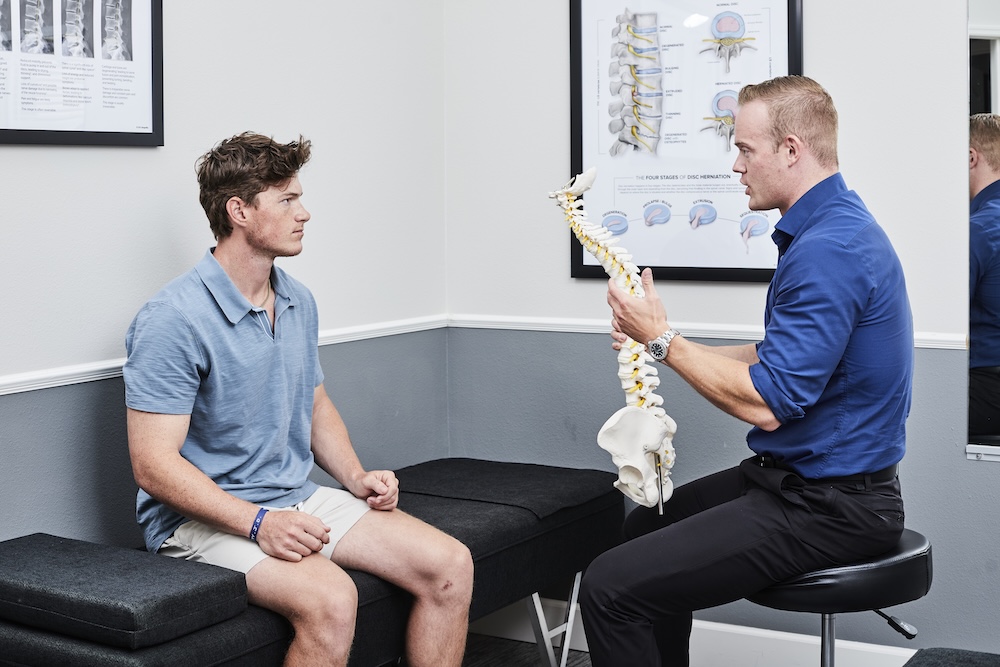

If you’re experiencing migraines or cervical discomfort, you’re definitely not alone. Many people face these challenges and are often in search of effective, natural solutions. Understanding your personal triggers and symptoms is crucial for finding relief. One of the best ways to address these issues is through chiropractic care, which focuses on spinal health and overall wellness.
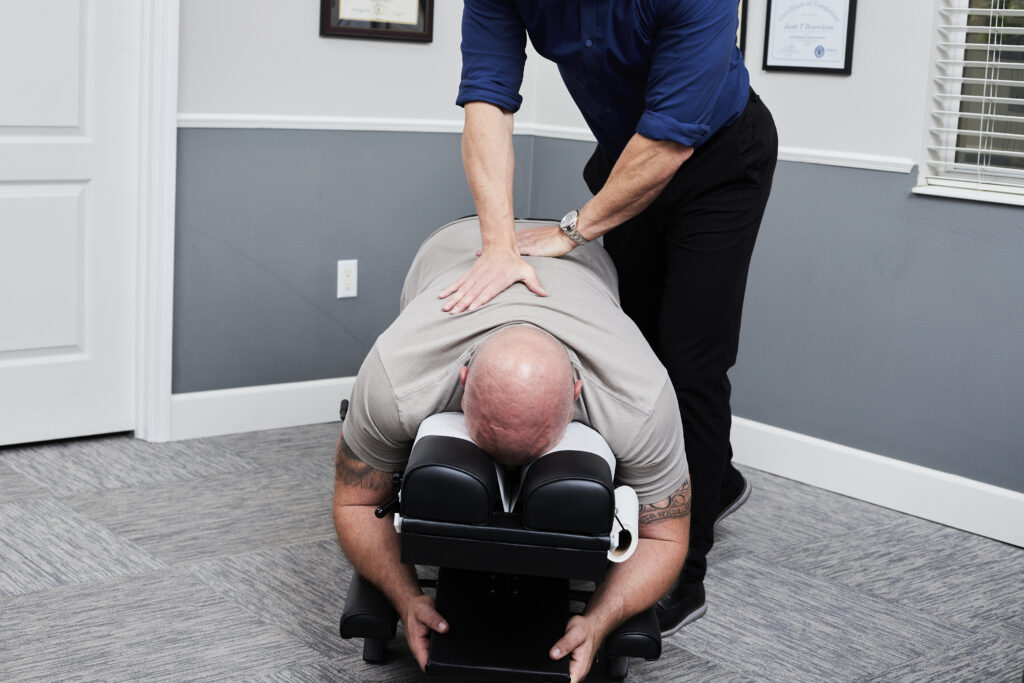
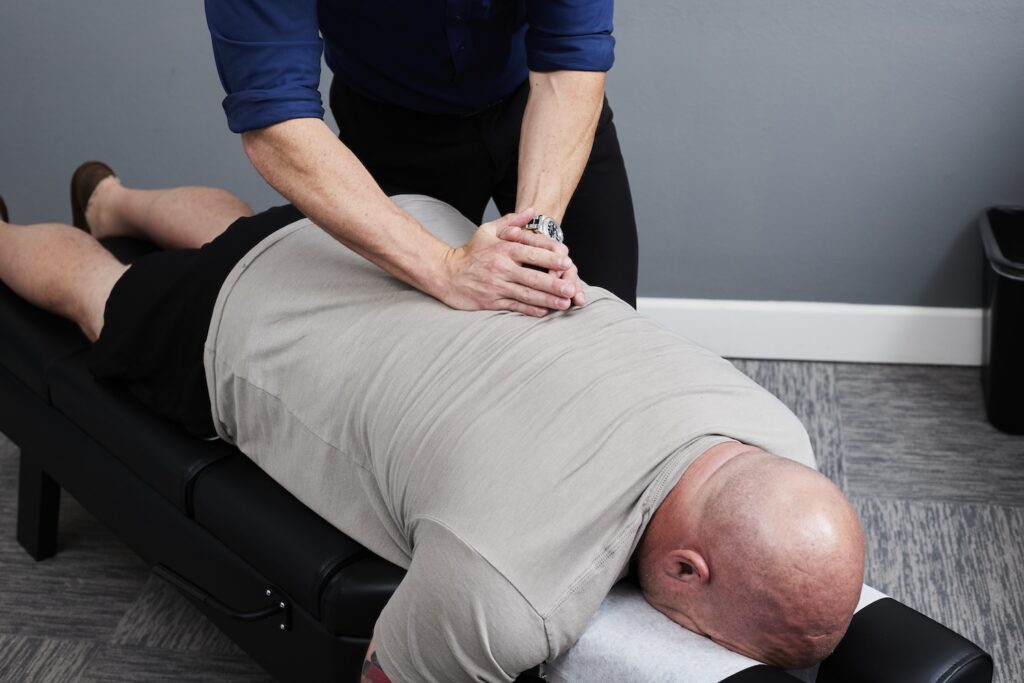
Chiropractic adjustments can help restore proper alignment in your spine, which may alleviate tension in the neck and reduce the frequency and intensity of migraines. By enhancing spinal function, chiropractic care not only offers pain relief but also promotes your body’s natural healing processes.
In addition to chiropractic treatments, there are several simple lifestyle changes you can implement to support your well-being. Here are a few tips you might find helpful:
- Stay Hydrated: Dehydration can trigger headaches and exacerbate neck pain. Make sure you’re drinking enough water throughout the day.
- Practice Good Posture: Whether you’re sitting at a desk or using your phone, maintaining proper posture can significantly reduce strain on your neck and spine.
- Regular Exercise: Gentle stretching and regular physical activity can strengthen your muscles and improve flexibility, which can help prevent migraines and neck discomfort.
- Stress Management: Techniques such as deep breathing, meditation, or yoga can help reduce stress, which is often a trigger for migraines.
- Sleep Hygiene: Ensure you’re getting enough restful sleep by maintaining a consistent sleep schedule and creating a comfortable sleep environment.
If you’re ready to explore natural healing and improve your quality of life, consider incorporating chiropractic care into your routine. The right combination of adjustments and healthy habits could be the key to finding relief from migraines and cervical discomfort. Remember, you’re not alone on this journey to better health!
Key Takeaways
As a local chiropractor, I want to share some valuable insights on how to alleviate migraines and cervical discomfort through natural healing methods. Chiropractic care is a fantastic way to promote optimal health, and here are some effective approaches you can incorporate into your daily routine:
- Chiropractic Adjustments: Regular adjustments from a qualified chiropractor can do wonders for your spine and neck. By ensuring proper spinal alignment, we can reduce tension in your neck muscles, which may help alleviate migraines and cervical discomfort. This natural approach addresses the root cause of your pain rather than just masking the symptoms.
- Posture and Stretching: Maintaining good posture throughout your day is essential for reducing muscle tension that can trigger headaches. Simple daily stretching exercises can also be incredibly effective in keeping those neck muscles relaxed. Consider setting reminders to check your posture and take a few minutes to stretch your neck and shoulders.
- Migraine and Neck Pain Journal: Keeping a journal to track your migraines and neck pain can be a game-changer. By noting down your symptoms and any potential triggers, you can gain valuable insights into what may be causing your discomfort. This can empower you to make changes and avoid those triggers in the future.
- Relaxation Techniques: Stress is a common trigger for migraines, and incorporating relaxation techniques into your routine can make a big difference. Deep breathing exercises and yoga can help reduce stress levels, promoting a sense of calm that may decrease the frequency of migraines.
- Nutrition and Hydration: A balanced diet plays a crucial role in your overall health. Foods rich in magnesium, like leafy greens and nuts, can help prevent headaches. Additionally, staying properly hydrated is essential for maintaining healthy body function. Drinking plenty of water throughout the day can support your wellness and may help keep headaches at bay.
Incorporating these tips into your lifestyle can lead to significant improvements in your health and well-being. Remember, chiropractic care is a safe, effective, and natural approach to achieving relief from migraines and cervical discomfort. If you’re looking for a holistic way to enhance your health, consider visiting your local chiropractor to discuss how regular adjustments can benefit you!
Understanding Migraines and Cervical Discomfort
When you experience migraines, it’s quite common to also feel discomfort in your neck area. This connection often arises from muscle tension and irritation of the nerves in your cervical region. As pain radiates through your head, it can lead to tightness in the muscles of your neck, which can make your overall discomfort worse.
Understanding the relationship between migraines and cervical discomfort is crucial for effective relief. You may find that certain positions or movements can aggravate your pain, which is why maintaining good posture throughout your day is so important. Simple adjustments, like keeping your head aligned with your spine and taking regular breaks to stretch, can make a significant difference.
Incorporating stretching and strengthening exercises that focus on your neck can help alleviate tension and potentially reduce the frequency of migraines. Gentle neck stretches or exercises designed to strengthen the muscles around your cervical spine can promote better alignment and function.
Additionally, relaxation techniques such as deep breathing exercises or yoga can be beneficial in easing both cervical discomfort and migraine symptoms. These practices can help reduce stress and promote a sense of calm, which is essential for overall health.
Listening to your body is key. By being mindful of the signals it sends, you can take proactive steps to manage both migraines and neck pain. Chiropractic care can play a vital role in achieving optimal health. Regular visits to a chiropractor can help ensure proper spinal alignment, relieve tension, and support your body’s natural healing processes.
Identifying Triggers and Symptoms
To effectively manage migraines and cervical discomfort, it’s crucial to identify the triggers behind your symptoms. Common migraine triggers may include certain foods, stress, or inadequate sleep. Cervical discomfort often manifests as stiffness or pain in your neck.
As a chiropractor, I want to emphasize the importance of recognizing these factors to help you navigate your health and find relief naturally. One of the best ways to address these issues is through chiropractic care, which focuses on aligning your spine and improving your overall wellbeing.
Here are some general tips to help you manage your symptoms:
- Keep a Journal: Track your migraines and neck pain, noting when they occur and any potential triggers. This can help you identify patterns and avoid certain foods or activities that may contribute to your discomfort.
- Prioritize Sleep: Aim for a consistent sleep schedule and create a relaxing bedtime routine to enhance your sleep quality, as poor sleep can exacerbate migraines and neck pain.
- Manage Stress: Incorporate relaxation techniques such as deep breathing, meditation, or gentle yoga into your daily routine to help reduce stress levels, which can be a significant trigger for both migraines and cervical discomfort.
- Stay Hydrated: Dehydration can lead to headaches and muscle tension. Make sure you’re drinking enough water throughout the day.
- Regular Chiropractic Adjustments: Regular visits to your chiropractor can help maintain proper spinal alignment, which is essential for reducing tension and pain in your neck.
- Ergonomic Adjustments: Ensure your workspace is set up to minimize strain on your neck and spine. Adjust your chair height, use a supportive pillow, and take breaks to move around.
By focusing on these natural strategies and incorporating chiropractic care into your wellness routine, you can work towards finding relief from migraines and cervical discomfort while promoting your overall health.
Common Migraine Triggers
Have you ever wondered what sparks your migraines? Identifying your unique triggers can help you manage and reduce those debilitating episodes, and as a chiropractor, I believe that understanding your body is the first step toward optimal health.
Here are some common culprits you might want to keep an eye on, along with tips on how chiropractic care can support you in finding relief:
– Food and Drinks: Certain foods like aged cheeses, processed meats, and red wine can trigger migraines. Keeping a food diary can help you pinpoint your personal triggers.
Consider incorporating more fresh, whole foods into your diet, as they can promote overall wellness and reduce inflammation.
– Stress: Both emotional and physical stress are significant migraine triggers. Regular chiropractic adjustments can help alleviate tension in your body, reducing stress and promoting relaxation.
Techniques like deep breathing, stretching, and regular exercise can also enhance your stress management.
– Sleep Patterns: Irregular sleep patterns, whether too much or too little, can contribute to migraines. Establishing a consistent sleep routine is vital.
Chiropractic care can improve your overall sleep quality by ensuring your spine is aligned, which promotes better nervous system function.
By considering these triggers and incorporating chiropractic care into your wellness routine, you can take proactive steps towards managing your migraines naturally.
Cervical Discomfort Symptoms
Migraines can often be accompanied by cervical discomfort, making it essential to recognize the symptoms that indicate tension in your neck and upper back. You may notice stiffness or tightness in your neck, which can lead to headaches that feel like they’re radiating from your shoulders. The pain might be localized or extend to areas like your temples or scalp.
Be aware of a reduced range of motion; it may become challenging to turn your head without experiencing discomfort. Other signs to look out for include tenderness when you touch particular spots on your neck or shoulders. Sometimes, dizziness, fatigue, or even numbness can accompany these symptoms, suggesting that stress or poor posture might be contributing factors.
As a chiropractor, I want to emphasize the importance of identifying these signs early. Chiropractic care can help address the underlying issues causing your discomfort. Regular adjustments can improve spinal alignment, reduce tension, and promote better overall health.
In addition to seeking chiropractic care, consider implementing some simple lifestyle changes. Maintaining good posture while sitting or standing, taking regular breaks to stretch, and incorporating relaxation techniques such as deep breathing or yoga can be incredibly beneficial.
These practices not only help alleviate discomfort but also support your journey toward natural wellness. By paying attention to your body’s signals and prioritizing chiropractic care, you can achieve optimal health and find relief from migraines and cervical discomfort.
Lifestyle Modifications for Prevention
Making simple lifestyle changes can significantly alleviate your migraines and cervical discomfort. As a local chiropractor, I believe that focusing on holistic approaches, like your diet and hydration, alongside a consistent exercise routine, can lead to remarkable improvements in your overall well-being.
Let’s delve into how these modifications can enhance your health and support your journey towards a pain-free life.
- Nutrition Matters: Eating a balanced diet rich in fruits, vegetables, whole grains, and lean proteins can help reduce inflammation and keep your body functioning optimally. Some foods, like those high in magnesium – such as nuts and leafy greens – may specifically help in reducing migraine frequency.
- Stay Hydrated: Dehydration can be a trigger for headaches and discomfort. Aim to drink plenty of water throughout the day. A good rule of thumb is to consume at least eight 8-ounce glasses of water daily, but you may need more if you’re physically active or live in a hot climate.
- Regular Exercise: Engaging in regular physical activity not only improves your physical health but also releases endorphins, which are natural pain relievers. Whether it’s walking, yoga, or swimming, find an activity you enjoy and aim for at least 30 minutes most days of the week.
- Chiropractic Care: Incorporating chiropractic adjustments into your wellness routine can provide significant relief from migraines and cervical pain. As a chiropractor, I can help align your spine, which promotes better nervous system function and may reduce the frequency and intensity of your headaches and discomfort.
- Mindfulness and Relaxation: Stress can be a major trigger for migraines and neck pain. Techniques such as deep breathing, meditation, or gentle stretching can help manage stress levels and promote relaxation.
By integrating these lifestyle changes and prioritizing chiropractic care, you can pave the way for achieving optimal health and well-being.
Diet and Hydration
When it comes to managing migraines and cervical discomfort, diet and hydration are key players in achieving overall wellness. As a chiropractor, I can assure you that what you eat and drink has a significant impact on how you feel, and staying hydrated is crucial since dehydration is a common headache trigger.
Here are some simple dietary tips to help you prevent discomfort and promote better health:
- Limit processed foods: These often contain additives and preservatives that can lead to migraines. Opt for whole, natural foods instead.
- Incorporate magnesium-rich foods: Foods like spinach, nuts, and whole grains aren’t only nutritious but can also help reduce the frequency of headaches. Magnesium plays a key role in muscle function, which is important for spinal health.
- Be mindful of caffeine: While some people find relief from headaches with caffeine, too much can cause rebound headaches. Moderation is key.
In addition to these dietary tips, regular chiropractic care can help support your body’s natural healing process and maintain spinal alignment, which is vital for preventing headaches and other discomfort.
Regular Exercise Routine
Incorporating a regular exercise routine can significantly support your journey in managing migraines and cervical discomfort, and when combined with chiropractic care, you can achieve even greater relief. Exercise increases blood circulation and releases endorphins, the body’s natural painkillers, which can help lessen your pain experience. I recommend focusing on low-impact activities such as walking, swimming, or yoga to keep your symptoms at bay.
Here’s a breakdown of different types of exercises and their benefits:
| Type of Exercise | Benefits |
|---|---|
| Aerobic | Enhances heart health and lowers stress levels, helping to ease tension that may contribute to migraines. |
| Strength Training | Builds muscle support around the neck and spine, which can alleviate strain and improve posture. |
| Flexibility | Increases range of motion and reduces muscle tightness, helping to prevent discomfort. |
| Mind-Body Practices | Encourages relaxation and mindfulness, which can lower the frequency of migraines. |
To maximize your wellness, aim to engage in physical activity at least three times a week. Remember, consistency is crucial! Always listen to your body; if you feel any discomfort, modify your routine accordingly.
In addition to exercise, regular chiropractic adjustments can further enhance your health by promoting proper alignment and function of the spine, which is essential for overall wellness. By integrating both exercise and chiropractic care into your routine, you can work towards achieving optimal health and finding relief from pain naturally.
Medical Treatments and Medications
When managing migraines and cervical discomfort, it’s essential to explore holistic approaches that promote natural healing and overall wellness. Chiropractic care can be a fantastic option for addressing these issues, providing relief and helping you regain control over your health without relying on medications or invasive procedures.
Here are some chiropractic-focused strategies you might consider:
- Chiropractic adjustments: These gentle manipulations of the spine can help alleviate tension in the neck and head, potentially reducing the frequency and intensity of migraines and cervical discomfort.
- Posture correction: Learning how to maintain proper posture can lessen strain on your spine and neck, helping to prevent pain and discomfort in the future.
- Lifestyle modifications: Incorporating stress management techniques, regular exercise, and a healthy diet can significantly impact your overall well-being and reduce triggers for migraines.
Incorporating chiropractic care into your wellness routine can lead to lasting changes in your health.
Always consult with your chiropractor to create a personalized treatment plan that addresses your specific needs. Taking a proactive approach to your health can enhance your quality of life and help you feel your best every day.
Alternative Therapies and Natural Remedies
As a local chiropractor, I want to share valuable insights into managing migraines and cervical discomfort through natural healing methods, while highlighting the benefits of chiropractic care as a primary approach for achieving optimal health.
Chiropractic adjustments are designed to realign the spine, alleviate pressure on nerves, and improve overall function, which can significantly reduce the frequency and intensity of migraines and neck pain. However, exploring alternative therapies and natural remedies can further enhance your wellness journey.
For instance, acupuncture is a practice that can complement chiropractic care by targeting specific pressure points in the body to promote relaxation and pain relief. It’s essential to remember, though, that any additional therapies should be discussed with your chiropractor to ensure they align with your treatment plan.
In addition, herbal supplements like feverfew and butterbur have been noted for their potential in preventing migraines. Before you consider these options, it’s crucial to consult with your chiropractor about their appropriateness for your individual health needs.
Essential oils, particularly peppermint and lavender, can provide soothing effects. You can apply them topically or use a diffuser in your home to create a calming atmosphere. These scents may help ease tension and promote relaxation, making them a great addition to your wellness routine.
Don’t forget about the power of mindfulness techniques! Practices like meditation and deep-breathing exercises can help you manage stress and tension—common triggers for migraines. Incorporating these practices into your daily routine can be a game-changer for your overall well-being.
Lastly, maintaining a balanced diet and staying hydrated are crucial steps in supporting your body’s health. Eating nutritious foods and drinking plenty of water can bolster your resilience against discomfort and support your chiropractic care.
By integrating these natural approaches alongside regular chiropractic adjustments, you can create a comprehensive strategy for managing your symptoms effectively.
Importance of Physical Therapy and Exercise
While chiropractic care is a cornerstone for managing migraines and cervical discomfort, it’s important to recognize that physical therapy and exercise are valuable allies on your journey to recovery and optimal health.
By incorporating targeted physical therapy, you can alleviate pain, enhance mobility, and strengthen the muscles that support your neck and back. Regular exercise not only improves blood circulation and reduces stress but also contributes significantly to your overall well-being.
Here are some benefits you can gain from adding physical therapy and exercise into your daily routine alongside chiropractic care:
- Improved Flexibility: Engaging in simple stretching and strengthening exercises can significantly enhance your range of motion, making everyday tasks easier and more enjoyable.
- Effective Pain Relief: Staying active through regular physical activity can help lower the frequency and intensity of migraines and cervical discomfort, allowing you to enjoy life more fully.
- Natural Stress Relief: Exercise is a powerful tool for releasing endorphins, the body’s natural mood lifters. This can help reduce stress and tension, which are often triggers for headaches.
Incorporating these practices into your daily life can complement your chiropractic care and lead you to a healthier, more vibrant life.
Remember, every little bit helps—start with gentle stretches, take short walks, or even try simple yoga poses. Your body will thank you!
Always consult with your chiropractor to create a plan that works best for you.
When to Seek Professional Help
How do you know when it’s time to seek professional help for migraines and cervical discomfort? If your pain is severe, persistent, or worsening despite your self-care efforts, it’s important to consult a chiropractor. A chiropractic professional can help you understand the root causes of your discomfort and provide natural solutions that promote healing and wellness.
Look out for new symptoms like changes in vision, weakness, or difficulty speaking. These signals can indicate a more serious issue, and it’s wise to get expert advice. If over-the-counter remedies aren’t offering relief, don’t hesitate to seek chiropractic care.
Also, if your migraines or cervical discomfort are interfering with your daily activities or affecting your job, it’s a clear sign to reach out for help. A chiropractor can offer personalized treatment options, focusing on spinal adjustments and holistic methods that prioritize your overall health.
Remember, you don’t have to suffer in silence. Early intervention through chiropractic care can lead to better management of your symptoms and an enhanced quality of life. Trust your instincts—if something feels off, reach out for the support you need.
In addition, consider incorporating some simple lifestyle changes, such as practicing good posture, staying hydrated, and managing stress through relaxation techniques. These can all contribute to a healthier spine and improved well-being.
Your journey to optimal health starts with taking the first step—seek chiropractic care today!
Conclusion
Incorporating proven approaches can significantly enhance your experience with migraines and cervical discomfort, and chiropractic care stands out as a top choice for natural healing. By identifying your specific triggers and making thoughtful lifestyle adjustments, you can take charge of your health in a way that promotes long-term wellness.
Regular chiropractic adjustments can help alleviate pain in your neck and head by ensuring proper spinal alignment. A well-aligned spine not only reduces discomfort but also supports overall nervous system function, which is crucial for overall health. Engaging in regular exercise can further complement chiropractic care by increasing blood flow and reducing tension in the muscles surrounding the spine.
Mindfulness techniques, such as deep breathing and meditation, can also be beneficial. These practices help to reduce stress, which is a common trigger for migraines. Remember to stay hydrated and maintain a balanced diet, as these are fundamental elements of a healthy lifestyle that can contribute to fewer headaches.
Don’t hesitate to explore alternative therapies like massage or acupuncture, which can work hand-in-hand with chiropractic care to provide additional relief. Additionally, consulting with a chiropractor can give you personalized strategies tailored to your specific needs.
Prioritizing your health is essential, and with the right chiropractic strategies, you can find lasting relief from migraines and cervical discomfort. Embrace a more comfortable life naturally—your well-being is worth it!