If you experience migraines, it’s likely that you’re also struggling with ongoing neck pain. This connection is important to understand; tension in your neck can significantly worsen your migraine symptoms. To find relief, consider exploring strategies that address both issues holistically.
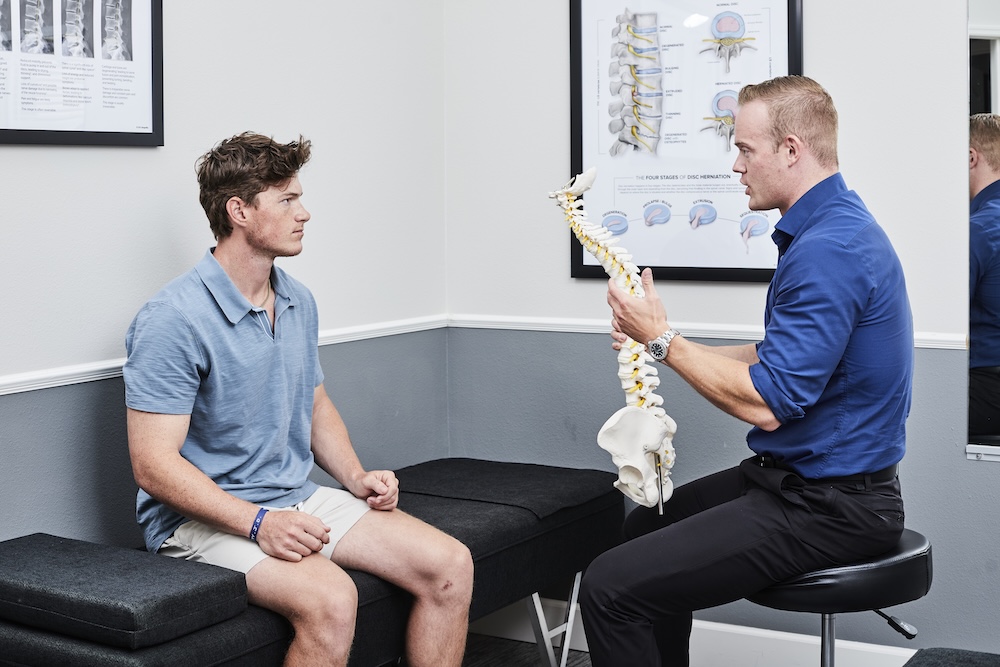
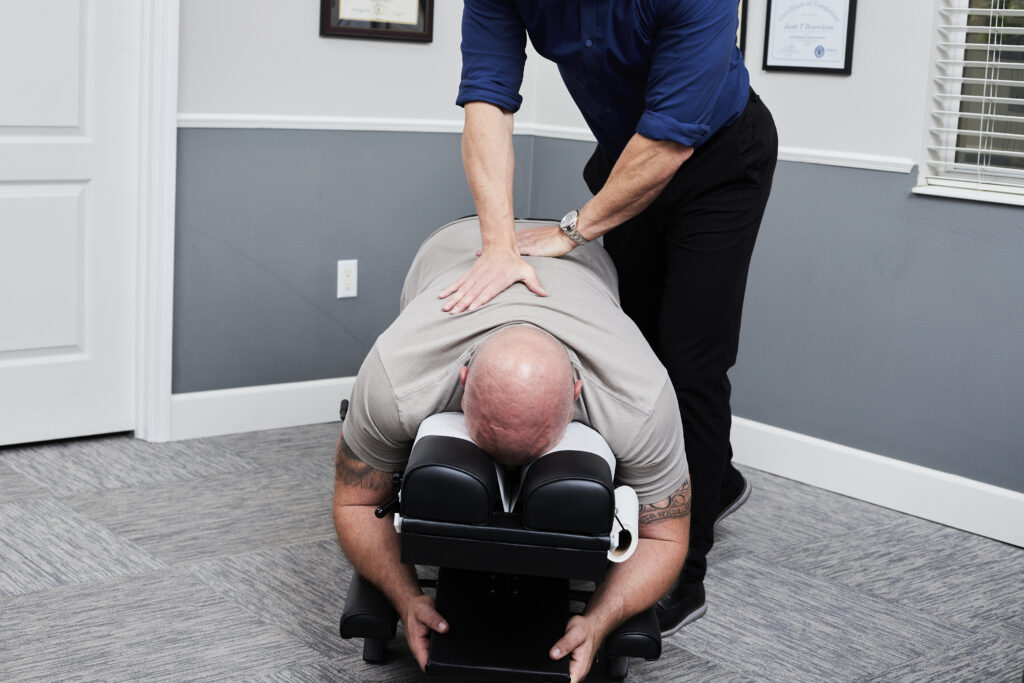
Chiropractic care is an excellent approach to managing neck pain and migraines. By realigning your spine and improving your overall posture, a chiropractor can help alleviate tension in your neck, which may reduce the frequency and intensity of your migraines.
In addition to chiropractic adjustments, here are some practical tips you can incorporate into your daily routine:
- Gentle Stretches: Incorporate simple neck stretches into your day. Slowly tilt your head from side to side and forward and backward to release tension.
- Ergonomic Adjustments: Ensure your workspace is set up to promote good posture. Your computer screen should be at eye level, and your chair should support your lower back.
- Stay Hydrated: Dehydration can contribute to both neck pain and migraines, so make sure you’re drinking enough water throughout the day.
- Practice Relaxation Techniques: Stress can lead to muscle tension. Techniques like deep breathing, meditation, or yoga can help manage stress levels.
- Regular Chiropractic Visits: Schedule regular appointments with your chiropractor. Consistent care can help maintain spinal alignment and reduce pain over time.
By focusing on these natural solutions, you can take significant steps toward alleviating both neck pain and migraines. Remember, chiropractic care is a powerful tool for achieving optimal health and wellness. It’s time to prioritize your comfort and well-being!
Key Takeaways
Neck Pain Solutions for Migraine Sufferers
If you’re dealing with migraines, neck pain can often make things worse. Fortunately, there are several natural ways to help alleviate this discomfort, and chiropractic care is one of the best options available for achieving optimal health and wellness.
- Incorporate Regular Neck Stretches and Exercises: Simple neck stretches and exercises can significantly help relieve tension and improve flexibility. By doing these regularly, you may reduce the neck pain that often accompanies migraines. Consider gentle neck rolls or stretching your neck side to side to keep those muscles relaxed.
- Ergonomic Workspace Adjustments: Take a moment to evaluate your workspace. Ensure your computer screen is at eye level so that you’re not straining your neck. Additionally, using a chair that supports good posture can help maintain the natural curve of your spine and prevent discomfort.
- Chiropractic Care: Regular visits to a chiropractor can provide immense benefits. Chiropractic adjustments help align your spine, relieve nerve pressure, and significantly decrease both neck pain and the frequency of migraines. This natural approach focuses on your body’s ability to heal itself, making it a fantastic choice for those seeking pain relief.
- Stress Management Techniques: Stress can lead to muscle tension in your neck, which may trigger migraines. Incorporating relaxation techniques like deep breathing, meditation, and gentle yoga can help manage stress levels. These practices not only relax the mind but also promote overall well-being.
- Stay Hydrated and Prioritize Sleep: Keeping hydrated is essential for muscle health and can help prevent cramps that might exacerbate your neck pain. Furthermore, quality sleep is vital for recovery and can help lessen the impact of migraines. Aim for a consistent sleep schedule and create a restful environment for better sleep quality.
By focusing on these natural solutions and making chiropractic care a part of your routine, you can take control of your neck pain and migraines, paving the way for a healthier, more comfortable life. Remember, your body has an incredible ability to heal itself, and with the right support, you can achieve optimal wellness.
Understanding the Connection Between Neck Pain and Migraines
While many people think of migraines solely as headaches, neck pain often plays a significant role in these debilitating episodes. Tension and stiffness in your neck can be both a trigger and a symptom of migraines. When neck muscles tighten, they can create discomfort that radiates into your head, intensifying the pain.
This connection between neck pain and migraines isn’t just a coincidence; the two are closely linked, creating a cycle that can be difficult to break.
As a chiropractor, I want to emphasize the importance of addressing both neck pain and migraines holistically. When you experience a migraine, the strain on your neck can worsen your overall condition. That’s why it’s crucial to focus on both issues simultaneously.
Chiropractic care can be a powerful tool in helping you manage neck pain effectively, which may, in turn, reduce the frequency and intensity of migraines.
Here are some general tips to help you find relief:
- Posture Awareness: Maintain good posture, especially while sitting or working at a desk. This can prevent unnecessary strain on your neck.
- Regular Stretching: Incorporate gentle neck stretches into your daily routine. Simple movements like tilting your head side to side can help relieve tension.
- Stay Hydrated: Dehydration can lead to tension headaches and exacerbate migraines, so drinking plenty of water is essential.
- Chiropractic Adjustments: Regular visits to a chiropractor can help keep your spine aligned and your neck muscles relaxed, addressing the root cause of your discomfort.
- Stress Management: Practice relaxation techniques such as deep breathing, meditation, or yoga. Reducing stress can significantly benefit both neck pain and migraine symptoms.
By actively managing your neck pain with chiropractic care and these simple lifestyle changes, you may find that your migraine frequency and intensity decrease.
This holistic approach to health can lead to a more comfortable life overall, allowing you to enjoy daily activities without the burden of pain.
Common Causes of Neck Pain in Migraine Sufferers
If you suffer from migraines, you may have noticed that neck pain often accompanies your discomfort. As a local chiropractor, I want to help you understand the common causes of this neck pain and how chiropractic care can be your best path to relief.
Muscle tension and strain are significant contributors to neck pain among migraine sufferers. Often, poor posture and misalignment of the spine can exacerbate these issues, leading to increased discomfort. By prioritizing spinal health, you can alleviate not only your neck pain but also the frequency and intensity of your migraines.
Here are some simple tips to help you manage your neck pain and improve your overall wellness:
- Maintain Good Posture: Be mindful of your posture throughout the day, especially if you sit for long periods. Keep your shoulders relaxed and your back straight. Consider using an ergonomic chair that supports proper spinal alignment.
- Stay Hydrated: Dehydration can worsen both neck pain and migraines. Aim to drink plenty of water throughout the day to keep your body well-hydrated.
- Incorporate Gentle Stretching: Regularly stretching your neck and shoulders can help relieve tension. Try gentle neck rolls and shoulder shrugs to ease stiffness.
- Explore Chiropractic Care: A chiropractor can help identify misalignments in your spine that may be contributing to your neck pain and migraines. Through gentle adjustments and spinal care, we can work together to improve your overall health.
- Practice Stress Management: Stress can lead to muscle tension, which may trigger migraines. Incorporate relaxation techniques like deep breathing, meditation, or yoga into your daily routine.
By taking these proactive steps and considering chiropractic care as a natural, non-invasive solution, you can work toward achieving optimal health and reducing your neck pain and migraines.
Muscle Tension and Strain
Muscle tension and strain are often significant contributors to neck pain, particularly for those who suffer from migraines. As a chiropractor, I want to help you understand how these issues can arise and how chiropractic care can play a pivotal role in alleviating your discomfort.
Here are some common causes of muscle tension and strain that you may not even be aware of:
- Stress: Emotional stress can cause the muscles in your neck to tighten, leading to increased pain. Chiropractic adjustments can help alleviate this tension by improving spinal alignment and promoting relaxation.
- Poor Sleep: Inadequate or restless sleep often leads to muscle stiffness. Establishing a healthy sleep routine and receiving regular chiropractic care can enhance your sleep quality and overall muscle health.
- Overuse: Engaging in repetitive movements or maintaining prolonged positions can lead to muscle fatigue and strain. Regular chiropractic adjustments can help reduce the strain on your muscles by ensuring proper alignment and function.
- Dehydration: Not drinking enough water can result in muscle cramps and tension. Staying hydrated is essential for muscle health, so be sure to drink plenty of water throughout the day.
By addressing these factors and incorporating regular chiropractic care into your wellness routine, you can alleviate neck pain and enhance your migraine experience.
Chiropractic adjustments not only help in relieving muscle tension but also promote overall health and well-being. Remember, prioritizing your spinal health is a key step towards achieving optimal wellness.
If you’re experiencing neck pain, don’t hesitate to reach out to a chiropractor for personalized care and guidance. Your journey to relief and natural healing starts here!
Posture and Alignment Issues
Many people may not realize that poor posture and misalignment play a significant role in neck pain, particularly for those who suffer from migraines. When you find yourself slouching or hunching over your phone or computer, your neck muscles have to work much harder, leading to increased tension and discomfort. This misalignment can create strain not only in your neck but also in your back and shoulders, making migraine symptoms worse.
To help alleviate these issues, it’s essential to focus on maintaining proper posture throughout your day. Remember to keep your shoulders relaxed, your back straight, and your head aligned over your spine. Consider investing in ergonomic furniture that supports your body’s natural alignment.
Additionally, taking regular breaks from screens and incorporating simple stretches can relieve tension and enhance your posture.
Chiropractic care is an excellent option for addressing these posture-related issues. A chiropractor can help correct misalignments in your spine, relieve neck pain, and support your overall health.
Effective Neck Stretches and Exercises
As a local chiropractor, I understand how debilitating migraines can be, and I want to share some effective neck stretches and exercises that can help alleviate tension and discomfort naturally. Incorporating these simple movements into your daily routine can support your spinal health and potentially reduce the frequency and severity of migraines.
Here are four gentle exercises to try:
- Neck Tilts: Start by gently tilting your head towards one shoulder, allowing the stretch to ease tension in the neck. Hold this position for 15-30 seconds, then switch to the other side. This movement helps to relax the muscles and improve flexibility.
- Chin Tucks: Sit up straight and gently draw your chin in towards your neck, as if creating a double chin. Hold for about 5 seconds and repeat this 10 times. This exercise strengthens the neck muscles and promotes better posture, which is crucial for spinal health.
- Shoulder Rolls: Roll your shoulders in a circular motion, first forward for 30 seconds and then backward for another 30 seconds. This exercise helps to release tension in the upper back and neck, making way for a more relaxed state.
- Upper Trapezius Stretch: Whether you’re sitting or standing, maintain a tall posture and grab the side of your chair. Tilt your head towards the opposite shoulder, feeling the stretch in the side of your neck. Hold for 15-30 seconds on each side. This stretch is excellent for relieving tightness in the upper trapezius muscles.
Incorporating these stretches into your daily routine not only helps ease neck tension but also supports your overall spinal health. By prioritizing natural methods like these, you can promote wellness and potentially reduce migraine occurrences.
Always listen to your body, and remember that if you experience pain or discomfort, it’s important to consult with a chiropractor who can provide personalized care and guidance. Your health is best supported through natural, holistic practices that empower your body to heal itself.
Ergonomic Adjustments for Daily Comfort
Making ergonomic adjustments to your workspace and daily routines is vital for enhancing your comfort and maintaining spinal health, especially for those who suffer from migraines. As a chiropractor, I want to emphasize the importance of proper positioning to avoid neck strain and other discomforts.
Start by ensuring your computer screen is at eye level. This prevents you from tilting your head down or up, which can lead to unnecessary strain on your neck. Choose a chair that provides adequate support for your lower back and allows your feet to rest flat on the floor—this posture is essential for spinal alignment.
If you spend a lot of time on phone calls, using a headset is a great option to avoid cradling the phone between your ear and shoulder, which also helps keep your spine in a neutral position.
Throughout your workday, make it a habit to take regular breaks to stretch and move. This not only promotes better blood flow but also helps to alleviate muscle tension that can build up over time.
When you’re reading or writing, keep your materials at a comfortable height to avoid awkward bending, which can contribute to discomfort and spinal issues.
Ensure that your keyboard and mouse are positioned so your arms can rest comfortably at your sides. This small adjustment can significantly impact your daily comfort and overall well-being.
The Role of Physical Therapy in Neck Pain Relief
Chiropractic care is a vital approach to relieving neck pain, particularly for those who suffer from migraines. By focusing on the root causes of your pain, chiropractic adjustments can help you find relief and enhance your overall well-being.
Here are four significant benefits of choosing chiropractic care for neck pain:
- Spinal Adjustments: Chiropractors use gentle spinal adjustments to align the vertebrae in your neck, reducing pressure on nerves and alleviating pain. This realignment enhances flexibility and promotes natural healing.
- Posture Improvement: A chiropractor can assess your posture and provide guidance on how to correct it. Good posture is crucial for preventing neck pain and minimizing the occurrence of migraines, so learning how to sit and stand correctly can make a big difference.
- Soft Tissue Therapy: Techniques like myofascial release and massage can relax tense muscles and improve circulation in the neck and shoulders. This can lead to reduced pain and increased mobility.
- Wellness Education: Your chiropractor will teach you about body mechanics and provide tips on maintaining a healthy lifestyle. Understanding how to protect your neck in daily activities can help you avoid future pain.
Incorporating chiropractic care into your health routine can significantly alleviate neck pain and reduce the frequency of migraines.
Alternative Therapies: Acupuncture and Massage
Chiropractic care is an essential component of an effective neck pain management plan, particularly for those suffering from migraines. While there are alternative therapies like acupuncture and massage that can provide some relief, chiropractic adjustments focus on the root causes of pain and help restore proper alignment, which can lead to long-term benefits.
Chiropractic care addresses spinal misalignments that may contribute to muscle tension and headaches. By aligning the spine, we can alleviate pressure on nerves and improve overall function, which often results in reduced headache frequency and intensity. Here are some benefits of chiropractic care compared to alternative therapies:
| Therapy | Benefits |
|---|---|
| Chiropractic | Corrects spinal misalignments to alleviate pain. |
| Chiropractic | Reduces tension in muscles by improving posture. |
| Chiropractic | Enhances nervous system function for overall health. |
| Chiropractic | Promotes natural healing without the need for medications. |
| Chiropractic | Provides personalized care tailored to your needs. |
Incorporating chiropractic care into your wellness routine can significantly enhance your ability to manage migraines effectively. Remember, it’s essential to consult with a healthcare professional to find the best approach that suits your individual needs. By prioritizing chiropractic care, you’re choosing a natural, holistic route to achieving optimal health and well-being. Don’t overlook the power of spinal health in your journey towards pain relief!
For additional tips, consider practicing good posture, staying hydrated, and managing stress through relaxation techniques. These simple lifestyle changes can complement your chiropractic treatments and promote overall wellness.
Lifestyle Changes to Reduce Neck Tension
Reducing neck tension can be achieved with some straightforward lifestyle adjustments, and as a chiropractor, I want to share how you can enhance your well-being naturally.
One of the most effective ways to alleviate discomfort is by creating an ergonomic workspace. This means ensuring your chair, desk, and computer setup promote good posture, which can drastically reduce strain on your neck and spine.
In addition to setting up your workspace correctly, embracing stress management techniques is essential. Stress can lead to muscle tension, especially in the neck area. Simple practices such as deep breathing exercises, regular breaks throughout your day, and gentle stretching can make a significant difference in how you feel.
Moreover, chiropractic care is a powerful tool for addressing neck tension. Regular adjustments can help align your spine, relieve pressure on your nerves, and promote overall spinal health. This natural approach not only provides immediate relief but also helps prevent future discomfort.
Incorporate these tips into your daily routine to enhance your overall wellness:
- Ensure your computer screen is at eye level to avoid straining your neck.
- Take breaks every hour to stand up, stretch, and move around.
- Practice deep breathing or mindfulness to manage stress levels effectively.
Ergonomic Workspace Setup
As a local chiropractor, I understand that many people experience tension in their necks after long hours at a desk, which can often lead to discomfort and even migraines.
Creating an ergonomic workspace is a fantastic way to alleviate these issues and promote natural healing. Here are four simple adjustments you can make to your workspace that can help support your spine and overall wellness:
- Chair Height: Ensure your chair provides proper support for your lower back. Your feet should be flat on the floor, which helps maintain the natural curve of your spine and reduces strain on your neck.
- Monitor Position: Position your monitor at eye level, about an arm’s length away. This prevents you from straining your neck while looking down or up, promoting better posture and reducing tension.
- Keyboard and Mouse: Your keyboard and mouse should be at elbow height. This allows your arms to rest comfortably at your sides, minimizing stress on your shoulders and neck.
- Lighting: Adequate lighting is essential to reduce eye strain, which can contribute to neck tension. Consider using natural light when possible or soft, adjustable lighting to create a comfortable working environment.
By implementing these straightforward changes, you can work more comfortably and help reduce the risk of neck pain that may trigger migraines.
Remember, chiropractic care is an excellent option for addressing neck pain and promoting optimal health. Regular adjustments can help keep your spine aligned, improve your posture, and enhance your overall well-being.
If you’re experiencing persistent discomfort, consider visiting your local chiropractor for a personalized approach to your health.
Stress Management Techniques
Creating an ergonomic workspace is a fantastic first step toward relieving neck tension, but if you’re dealing with migraines, managing stress is just as crucial. As a chiropractor, I recommend integrating daily relaxation techniques like deep breathing and meditation into your routine. These simple practices can help lessen anxiety and relax the muscles throughout your body, contributing to overall comfort.
In addition to relaxation techniques, consider incorporating gentle stretching or yoga. These activities not only improve flexibility but also help alleviate stiffness in your neck, which can be a common source of discomfort. Regular chiropractic adjustments can further enhance your spinal health and support your body’s natural healing processes.
Staying active is key to managing stress effectively. Engaging in regular physical activity boosts your body’s endorphins, which are natural mood lifters. It can also help to ease tension in your muscles, making you feel more relaxed overall.
Don’t overlook the importance of quality sleep! Ensuring you get enough restful sleep can significantly impact your general wellness and help reduce migraine frequency.
Lastly, try to identify the stress triggers in your life. By pinpointing these sources of tension, you can develop strategies to minimize their impact.
Working with a chiropractor can also provide you with personalized strategies for a more balanced, tension-free lifestyle, allowing you to live healthier and feel your best. Remember, chiropractic care is a safe, effective way to promote natural healing and enhance your overall health.
When to Seek Professional Help for Neck Pain and Migraines
How can you tell when neck pain and migraines are a sign that it’s time to visit a chiropractor? Recognizing the right moments to seek professional help is crucial for your well-being. If you find yourself dealing with any of the following issues, it’s a good idea to consult a chiropractor:
- Persistent Pain: If your neck pain or migraines hang around for more than a few days, it’s an indication that something may be misaligned or requiring attention. A chiropractor can assess your situation and offer natural solutions to alleviate discomfort.
- Severe Symptoms: Experiencing intense or worsening pain that interferes with your daily activities is a signal to seek expert help. Chiropractic care focuses on identifying the root cause of your pain, providing effective adjustments and therapies tailored to your needs.
- Numbness or Weakness: If you notice tingling, numbness, or weakness in your arms or hands, it’s essential to get evaluated. These sensations can indicate nerve compression, which chiropractic adjustments can help relieve, promoting better nerve function and overall health.
- Accompanying Symptoms: If your pain is accompanied by unusual symptoms like fever, vomiting, or vision changes, it’s important to consult a healthcare professional. While these symptoms may not always relate directly to spine health, a chiropractor can help assess your condition and guide you towards the right solutions.
Chiropractic care provides a holistic approach to addressing neck pain and migraines, focusing on natural healing and overall wellness.
By working with a chiropractor, you can explore gentle adjustments, ergonomic advice, and lifestyle tips that support your journey to optimal health.
Conclusion
As a chiropractor, I want to share how addressing neck pain can significantly enhance your overall well-being, especially for those who suffer from migraines. There is a strong link between neck tension and the onset of migraines, and by focusing on spinal health, you can find effective relief.
Incorporating specific stretches and making ergonomic adjustments in your daily routine can help alleviate neck discomfort. For instance, remember to maintain good posture while sitting at your desk or looking at your phone. Taking regular breaks to stand up and stretch can also help reduce tension in the neck and shoulders.
In addition to these self-care strategies, consider exploring alternative therapies that complement chiropractic care, such as massage or acupuncture, which can also support your journey to wellness. However, the best way to achieve lasting relief and optimal health is through regular chiropractic adjustments. These adjustments can help restore proper alignment to your spine, reduce tension, and improve your overall function.
Don’t forget the importance of lifestyle changes, such as staying hydrated, practicing stress-reduction techniques, and ensuring you get enough rest. If your neck pain or migraines persist, it’s essential to seek professional help from a chiropractor who can tailor a treatment plan specifically for you.
By taking charge of your health and prioritizing chiropractic care, you may notice a reduction in both neck discomfort and the frequency of migraines, ultimately enhancing your quality of life. Remember, natural healing is within your reach, and chiropractic care is here to guide you on this path to wellness.