If you’re experiencing migraines that are connected to neck pain, understanding this relationship is crucial for finding the relief you deserve. Many people often overlook how neck tension can trigger or worsen migraine episodes. By recognizing your specific triggers and incorporating effective strategies, you can alleviate both neck pain and migraine symptoms.
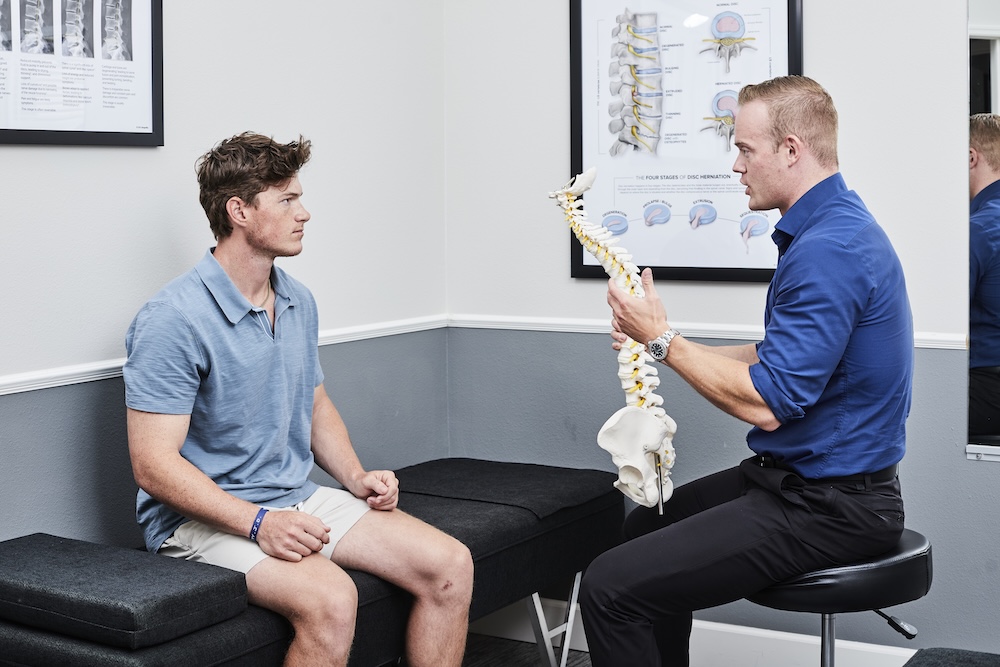
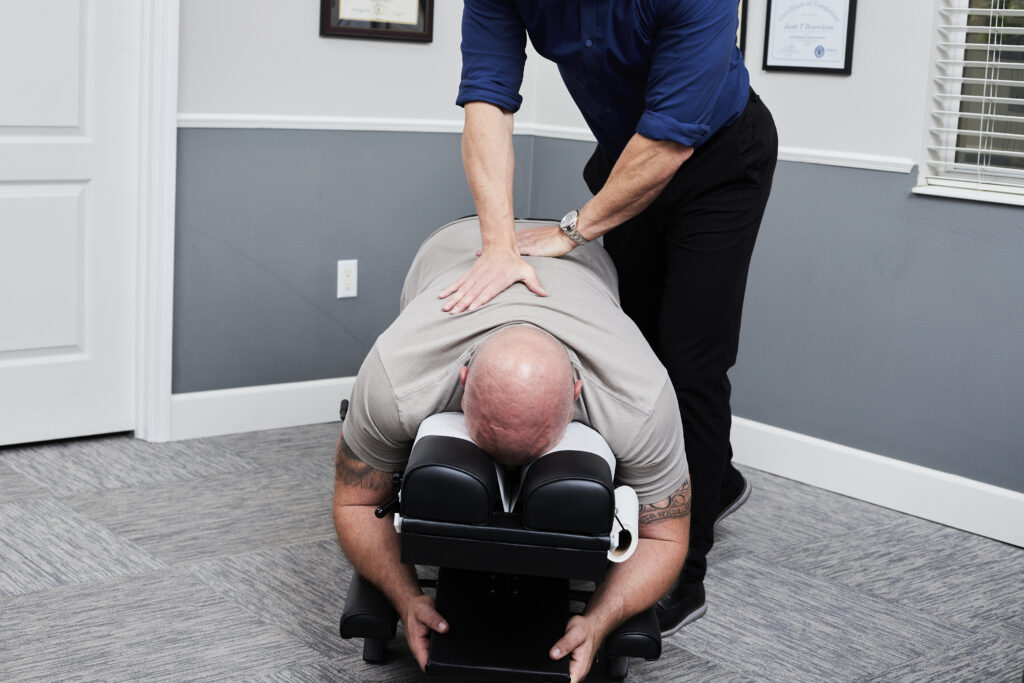
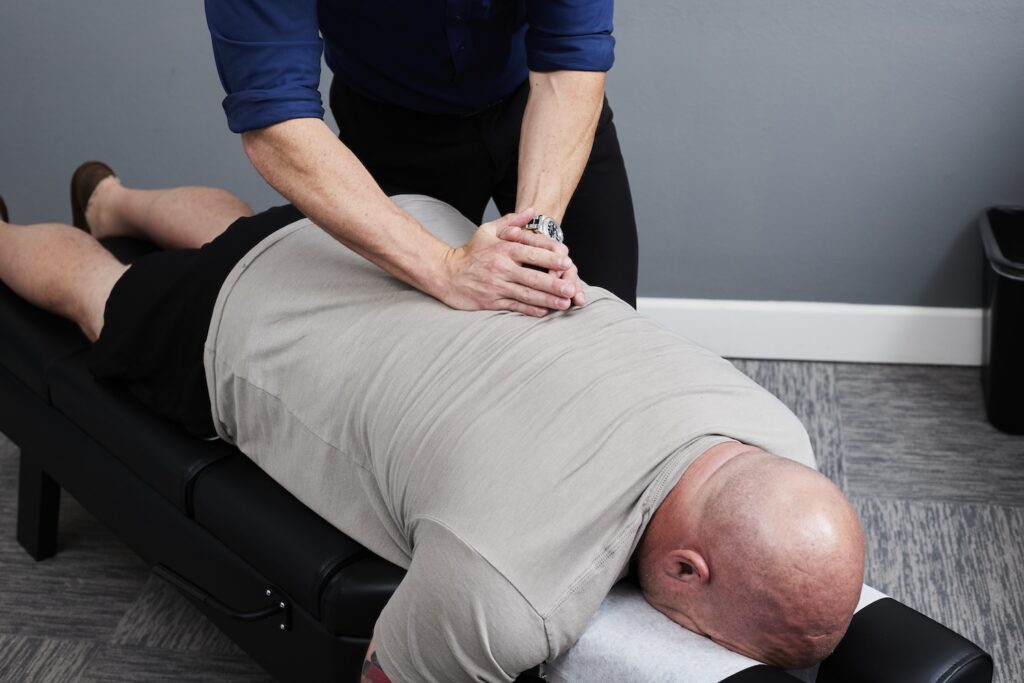
One of the best ways to address neck pain and its impact on migraines is through chiropractic care. As a chiropractor, I emphasize the importance of spinal health and how it can significantly improve your overall well-being. Regular chiropractic adjustments can help realign the spine, reduce tension in the neck, and promote better blood flow, which can lead to fewer headaches and migraines.
Here are some practical tips to help manage your neck pain and migraines:
- Maintain Good Posture: Pay attention to your posture, especially when sitting at a desk or using your phone. Keeping your head aligned over your spine can help reduce strain on your neck.
- Stay Hydrated: Dehydration can contribute to both neck pain and migraines. Make sure you’re drinking plenty of water throughout the day.
- Practice Relaxation Techniques: Stress can exacerbate neck tension and migraines. Consider incorporating deep breathing, meditation, or gentle yoga into your routine to help relieve stress.
- Apply Heat or Cold: Using a heating pad or cold pack on your neck can provide immediate relief from tension and discomfort.
- Regular Chiropractic Visits: Schedule regular appointments with your chiropractor to keep your spine aligned and address any neck issues that may lead to migraines.
- Gentle Neck Exercises: Engage in gentle neck stretches and exercises to improve flexibility and reduce tension. Consult with your chiropractor for specific exercises tailored to your needs.
By focusing on spinal health and utilizing these strategies, you can take significant steps towards alleviating neck pain and reducing the frequency of your migraines. Remember, chiropractic care is a natural and effective approach to achieving optimal health and wellness. Don’t hesitate to reach out to your local chiropractor for personalized guidance on your journey to relief.
Key Takeaways
- Focus on maintaining good posture throughout your day. This simple adjustment can significantly reduce neck strain and help prevent migraine triggers. Remember, your spine is the foundation of your overall health, so keeping it aligned is crucial.
- Regular visits to a chiropractor can work wonders for neck tension. Chiropractic care is designed to align your spine, which not only relieves discomfort but can also reduce the frequency and intensity of migraines. Think of it as a natural way to support your body’s healing process.
- Incorporate stress management techniques into your daily routine. Simple practices like deep breathing exercises or yoga can help release tension that may be contributing to both neck pain and migraines. These holistic approaches support your overall well-being.
- Staying hydrated is essential for everyone, especially if you’re prone to migraines. Make sure to drink plenty of water throughout the day. Dehydration is a common trigger, and keeping your body well-hydrated can help maintain optimal health and reduce headache occurrences.
- Consider adding gentle neck stretches to your daily routine. These stretches can improve blood flow and relieve tightness in your neck muscles. It’s a small commitment that can yield significant benefits for your neck health and help keep migraines at bay.
Remember, chiropractic care is a natural and effective way to support your health and well-being. By focusing on spinal alignment and incorporating these simple tips into your life, you can work towards alleviating neck pain and reducing migraine occurrences. Your journey to better health starts with taking these proactive steps!
Understanding the Connection Between Migraines and Neck Pain
When you experience migraines, you mightn’t realize just how closely they’re connected to neck pain. The muscles in your neck can become tense and strained, often due to poor posture or stress, which can lead to headaches that escalate into migraines.
If you’ve ever noticed that when your neck hurts, your head tends to follow suit, you’re not alone.
It’s important to understand that the nerves in your neck communicate directly with your brain, and any irritation in this area can trigger migraine episodes. Common habits like clenching your jaw or tensing your shoulders can exacerbate this problem, creating a cycle of pain that can be challenging to break.
As a chiropractor, I want to empower you with the knowledge that addressing neck pain can significantly lessen the frequency and intensity of your migraines.
Here are some tips to help you manage both neck pain and migraines:
- Posture Awareness: Pay attention to your posture, especially if you spend long hours sitting at a desk or looking at screens. Keeping your spine aligned can prevent unnecessary strain on your neck.
- Regular Chiropractic Care: Regular adjustments can help align your spine and relieve tension in your neck, which may reduce migraine occurrences. Chiropractic care focuses on natural healing and can provide long-term relief.
- Neck Stretches: Incorporate gentle neck stretches into your daily routine. Simple movements can help loosen tight muscles and improve blood flow, which may relieve pain.
- Stress Management: Techniques such as deep breathing, meditation, or yoga can help reduce overall stress levels, which in turn can lessen tension in your neck and help prevent migraines.
- Stay Hydrated: Dehydration can trigger headaches and migraines, so make sure you’re drinking enough water throughout the day.
Understanding the connection between neck pain and migraines can lead to better management of both issues.
By focusing on natural methods like chiropractic care and adopting healthier habits, you can work towards a more pain-free and balanced life.
If you’re struggling with these symptoms, consider visiting a chiropractor to explore how spinal adjustments can help you achieve optimal health and wellness.
Identifying Triggers for Migraines and Neck Pain
To effectively manage your migraines and neck pain, one of the most important steps is identifying your triggers. As a local chiropractor, I often see patients who notice that specific activities, certain foods, or even stress can exacerbate their symptoms. By understanding these connections, you can take proactive steps toward prevention and treatment.
Chiropractic care plays a crucial role in this journey. Regular adjustments can help align your spine, reduce tension, and improve overall function, leading to a decrease in both migraine and neck pain frequency and intensity.
Here are some general tips to help you identify and manage your triggers:
- Keep a Journal: Track your symptoms, noting when they occur and what you were doing beforehand. This can help you pinpoint specific triggers.
- Stay Hydrated: Dehydration is a common trigger for migraines. Make sure you’re drinking enough water throughout the day.
- Practice Good Posture: Poor posture can lead to neck pain and tension. Be mindful of your posture throughout the day, especially if you sit for long periods.
- Manage Stress: Incorporate stress-relief techniques such as deep breathing, yoga, or meditation into your routine. These practices can help reduce the overall tension in your body.
- Regular Chiropractic Visits: Consistent chiropractic adjustments can help maintain spinal alignment, alleviate muscle tension, and promote overall wellness.
By focusing on these strategies and embracing chiropractic care, you can take significant steps toward achieving optimal health and reducing your migraines and neck pain naturally.
Common Migraine Triggers
Identifying common migraine triggers is essential for managing both migraines and the neck pain that often accompanies them. As a chiropractor, I believe that understanding these triggers can be a key step toward achieving optimal health and wellness without relying on medications or surgeries.
One of the most significant triggers for migraines is stress. Practicing relaxation techniques, such as deep breathing or gentle yoga, can help alleviate tension and reduce the frequency of migraines. Incorporating chiropractic adjustments into your routine can also help to relieve stress and promote relaxation by improving spinal alignment and overall body function.
Poor posture is another common culprit that can lead to neck strain and increase the likelihood of migraines. Be mindful of your posture whether you’re sitting at a desk or standing throughout the day. Simple adjustments, like keeping your shoulders back and your head aligned with your spine, can make a big difference. Regular chiropractic care can help maintain proper alignment and relieve strain on your neck.
Diet plays a crucial role in managing migraines as well. Certain foods, such as aged cheeses or processed meats, can trigger headaches, so it’s important to pay attention to what you eat. Additionally, skipping meals can lead to drops in blood sugar, triggering migraines. Try to eat balanced meals at regular intervals to maintain steady energy levels.
Environmental factors, such as bright lights or strong smells, can also contribute to migraines. If you know you’re sensitive to these triggers, try to create a calming environment at home and work. Using soft lighting and avoiding overpowering scents can help.
Lastly, staying hydrated is vital for overall health and can also help prevent migraines. Dehydration is a common culprit for headaches, so make sure to drink plenty of water throughout the day.
By recognizing these triggers and taking proactive steps to manage them, you can significantly reduce their impact on your life. Chiropractic care is a natural and effective way to support your body in handling stress, improving posture, and maintaining overall wellness.
If you’re experiencing migraines, consider visiting a chiropractor to explore how spinal adjustments and holistic health practices can contribute to your well-being.
Neck Pain Indicators
Neck pain is often your body’s way of signaling that something isn’t quite right, particularly in relation to migraines. Recognizing these signs early can help you take action before issues worsen. Here are three common neck pain indicators you should keep an eye on:
- Stiffness: If you’re experiencing tightness in your neck that makes it difficult to turn your head, this could be a warning sign. Regular chiropractic adjustments can help restore mobility and ease that stiffness, promoting a more flexible neck.
- Radiating Pain: Discomfort that travels from your neck down to your shoulders or arms is another indicator to watch for. This could suggest nerve involvement or tension that chiropractic care can effectively address. Gentle spinal adjustments can relieve this pain and restore proper function.
- Headaches: If you frequently experience headaches, especially at the base of your skull, this often coincides with neck pain and can indicate a potential migraine trigger. Chiropractic care focuses on aligning the spine, which can reduce the frequency and intensity of headaches, helping you find lasting relief.
By being mindful of these symptoms, you can take proactive steps toward better health. Regular chiropractic visits can offer natural healing solutions, helping you achieve optimal wellness without the need for medications or invasive procedures.
Lifestyle Connection Factors
Understanding the connection between your lifestyle and the onset of migraines and neck pain can be a game changer on your journey to optimal health. Identifying specific triggers in your daily routine can help you manage these conditions effectively and promote natural healing.
As a chiropractor, I encourage you to consider how your daily habits might be affecting your well-being. Here’s a simple reference table to help you pinpoint common lifestyle factors that could be playing a role in your discomfort:
| Trigger | Effect on Migraines | Effect on Neck Pain |
|---|---|---|
| Poor posture | Can increase intensity | Causes tension in the neck and shoulders |
| Dehydration | Triggers headaches | Can worsen discomfort and contribute to tension |
| Lack of sleep | Intensifies pain and sensitivity | Contributes to muscle tightness and discomfort |
| Stress | Major trigger for headaches | Leads to tightness and strain in the neck |
By addressing these lifestyle factors, you can take proactive steps toward relief. Here are some practical tips:
- Mind Your Posture: Be aware of your posture throughout the day. When sitting, ensure your back is straight, your shoulders are relaxed, and your computer screen is at eye level. Good posture can significantly reduce strain on your neck and help prevent migraines.
- Stay Hydrated: Aim to drink plenty of water throughout the day. Dehydration is a common trigger for headaches and can contribute to neck discomfort. Consider carrying a water bottle with you to remind yourself to sip regularly.
- Prioritize Sleep: Establish a regular sleep routine to ensure you’re getting enough rest. Quality sleep is crucial for healing and can help mitigate tension and pain.
- Manage Stress: Incorporate stress-relief techniques into your daily routine, such as deep breathing, meditation, or gentle stretching. Chiropractic care can also help alleviate stress by promoting relaxation and improving spinal alignment.
Stretching Exercises for Neck Relief
When you’re dealing with neck pain, it’s important to know that incorporating stretching exercises can make a world of difference. Gentle neck stretches, strengthening your upper back, and improving your posture are excellent ways to relieve tension naturally.
As a chiropractor, I believe that these techniques not only help alleviate discomfort but can also reduce the frequency of migraines.
Let’s dive into some simple stretches and tips you can incorporate into your daily routine to promote neck relief and overall wellness:
- Gentle Neck Stretches: Start with some easy side-to-side neck stretches. Sit or stand up straight, gently tilt your head to the right, bringing your ear towards your shoulder. Hold for 15-30 seconds and repeat on the left side. This helps to relieve tightness in the neck muscles.
- Chin Tucks: This exercise helps improve posture and strengthen the neck muscles. While sitting or standing, pull your chin in towards your neck, creating a double chin effect. Hold this position for a few seconds and then release. Repeat several times throughout the day.
- Upper Back Strengthening: Strong upper back muscles support your neck and improve posture. Simple exercises like shoulder blade squeezes can be effective. Sit up straight and squeeze your shoulder blades together, holding for a few seconds before releasing.
- Posture Awareness: Being mindful of your posture throughout the day is crucial. Whether you’re sitting at a desk or using your phone, try to keep your shoulders back and your head aligned over your spine. Good posture can significantly reduce neck strain.
- Regular Chiropractic Care: Visiting a chiropractor regularly can help maintain spinal health and address any underlying issues contributing to neck pain. Chiropractic adjustments can provide immediate relief and promote long-term wellness, allowing your body to heal naturally.
By incorporating these simple exercises and being mindful of your posture, you can take significant steps toward relieving neck discomfort.
Gentle Neck Stretches
Gentle neck stretches can significantly alleviate tension and discomfort, especially if you’re dealing with migraine-related neck pain. Incorporating these simple stretches into your daily routine can help ease tightness and promote overall relaxation, supporting your journey towards optimal health.
- Chin Tucks: Start by gently tucking your chin towards your chest. Hold this position for a few seconds, then release. This stretch is great for opening up the back of your neck, helping to relieve built-up tension.
- Side Neck Stretch: Tilt your head to the right, allowing your ear to move towards your shoulder. Hold for about 15 seconds before switching to the other side. You should feel a pleasant stretch along the opposite side of your neck, which can help improve flexibility and reduce discomfort.
- Neck Rolls: Slowly roll your head in a circular motion—begin by going clockwise, then switch to counterclockwise. This movement helps to loosen tight muscles and enhance mobility in your neck, making it easier for your spine to maintain proper alignment.
In addition to these stretches, remember to maintain good posture throughout your day, whether you’re sitting at a desk or using your phone. Keeping your head aligned over your shoulders can prevent unnecessary strain on your neck.
Regularly practicing these stretches not only provides immediate relief but also contributes to your overall wellness.
Consider visiting a chiropractor for personalized care and to learn more about how chiropractic adjustments can help you achieve lasting health and comfort. Embrace the natural healing benefits of chiropractic care to enhance your quality of life!
Strengthening Upper Back
To effectively alleviate neck pain, it’s crucial to strengthen your upper back, as this plays a significant role in supporting your neck and reducing strain. When your upper back muscles are strong, they help maintain proper alignment and posture, which can lead to less tension and discomfort in the neck area.
Incorporating simple exercises like rows, reverse flys, and wall angels can make a notable difference in your overall well-being.
As a local chiropractor, I recommend starting with two to three sets of 10-15 repetitions for each of these exercises, ensuring that you focus on maintaining good form throughout. Gradually increasing the weight as you build strength can help you see even better results.
You might also find using resistance bands beneficial; they offer great support and add variety to your routine.
Consistency is key! Aim to perform these exercises two to three times a week. This regular practice won’t only strengthen your upper back but also promote better posture, which can lead to decreased neck pain and fewer headaches.
Remember, chiropractic care is an excellent choice for managing pain and achieving optimal health. By enhancing the strength of your upper back through these exercises, you’re taking proactive steps towards a healthier spine and a more balanced life.
Always feel free to reach out to your chiropractor for personalized advice and guidance tailored to your unique needs.
Posture Improvement Techniques
As you work on strengthening your upper back, it’s essential to incorporate posture improvement techniques, particularly stretching exercises that can alleviate neck tension. These stretches are an excellent way to promote better alignment and overall wellness. By making them a part of your daily routine, you can experience significant relief and comfort.
Here are three effective stretches to add to your practice:
- Neck Tilt: Begin by sitting or standing tall. Gently tilt your head to one side, feeling the stretch along the opposite side of your neck. Hold this position for 15-30 seconds and then switch sides. This simple movement helps release tightness and encourages better spinal alignment.
- Chin Tuck: While standing or sitting, gently tuck your chin towards your chest, pulling your head back slightly. Hold for a few seconds before releasing. This exercise not only strengthens the neck muscles but also promotes a healthier posture by helping to align the head over the spine.
- Shoulder Shrug: Raise your shoulders up towards your ears, hold for a moment, and then relax them down. Repeat this several times. This stretch is excellent for releasing tension built up in the shoulders, which can contribute to neck pain.
Incorporating these stretches into your day can significantly help reduce neck pain and may even lower the frequency of migraine triggers.
Remember, chiropractic care is a fantastic way to enhance your overall health and well-being. Regular adjustments can support your posture, relieve tension, and promote natural healing, allowing your body to function at its best.
Prioritize your health with these simple techniques and consider visiting a chiropractor for personalized care tailored to your needs.
Massage Therapy for Migraines and Neck Tension
Managing migraines can often feel daunting, but incorporating chiropractic care into your wellness routine can significantly reduce neck tension and alleviate headache symptoms. Many people don’t realize that tightness in the neck can lead to headaches and migraines. A skilled chiropractor can help identify misalignments in your spine that may be contributing to this tension, providing targeted adjustments to relieve pressure and improve overall function.
By utilizing techniques such as spinal adjustments and soft tissue therapy, you can experience greater relief from neck pain and associated headaches. Regular chiropractic sessions not only help alleviate immediate discomfort but also educate you on how stress and posture affect your spinal health. This awareness can empower you to manage triggers effectively and maintain a healthier lifestyle.
In addition to professional care, there are self-care strategies you can implement at home. Gentle stretching exercises for your neck and shoulders can be very beneficial, as can practicing good posture while sitting or standing. Keeping your body hydrated and engaging in regular physical activity can also support your overall well-being and reduce the frequency of migraines.
Prioritizing chiropractic care as part of your health regimen can lead to both immediate and long-term relief from migraines and neck tension. Embrace this natural approach to wellness; your body will appreciate the care you provide it!
The Role of Posture in Migraine and Neck Pain Management
Good posture is crucial for managing migraines and neck pain, as poor alignment can lead to tension and discomfort. When you slouch or hunch forward, it puts extra strain on your neck and upper back, often triggering headaches. By focusing on your posture, you can significantly reduce these issues and improve your overall well-being.
Chiropractic care is an excellent way to achieve optimal spinal alignment and support your body’s natural healing processes. Here are three simple tips to enhance your posture and promote a healthier lifestyle:
- Sit tall: Make it a habit to keep your back straight and your shoulders relaxed while sitting. Ensure your feet rest flat on the floor and that your computer screen is at eye level. This simple adjustment can help alleviate unnecessary pressure on your spine.
- Stand strong: When standing, distribute your weight evenly between both feet and engage your core. This practice not only supports your spine but also helps prevent unnecessary strain, leading to a healthier posture overall.
- Take breaks: Remember to regularly stretch and move around throughout your day. This helps prevent stiffness and keeps your muscles from becoming fatigued, which can lead to increased pain. Incorporating gentle stretches into your routine can enhance your spinal health.
By prioritizing good posture and incorporating these tips into your daily life, you can take significant steps toward alleviating migraines and neck pain.
Chiropractic care further complements these efforts by addressing spinal misalignments and supporting your body’s natural ability to heal. Embrace a healthier lifestyle today through better posture and chiropractic care!
Heat and Cold Therapy for Pain Relief
Maintaining proper posture is essential for reducing the risk of migraines and neck pain. However, sometimes we all need a little extra help to find relief. One effective approach is through heat and cold therapy, which can soothe your discomfort and support your journey to wellness. Applying heat to your neck can help relax tight muscles and improve blood flow, while cold therapy can reduce inflammation and numb sharp pain.
As a chiropractor, I encourage you to consider the following simple guide to help you choose between heat and cold therapy:
| Therapy Type | When to Use | Benefits |
|---|---|---|
| Heat | Muscle tension | Relaxes muscles, improves blood flow |
| Cold | Inflammation | Numbs pain, reduces swelling |
| Combination | Chronic pain | Offers both relaxation and pain relief |
For best results, try using a heating pad or a cold pack for 15-20 minutes at a time. Listen to your body and see which method brings you the most comfort. You might find that alternating between both can provide the relief you need to manage your migraines effectively.
While these techniques can be helpful, remember that chiropractic care is a holistic approach to achieving optimal health. Regular chiropractic adjustments not only help align your spine but also improve your overall body function, reduce tension, and promote natural healing. If you’re struggling with chronic pain or discomfort, I encourage you to schedule a visit. Together, we can create a personalized wellness plan that supports your body’s natural ability to heal and thrive.
Chiropractic Care for Migraines and Neck Pain
Chiropractic care is a powerful natural approach to relieving migraines and neck pain, as it focuses on identifying and addressing the root causes of your discomfort. By prioritizing spinal alignment and enhancing your body’s mobility, a chiropractor can help alleviate tension and restore harmony within your system.
Here are three key benefits you might experience through chiropractic treatment:
- Better Spinal Alignment: Regular chiropractic adjustments can help align your spine, which reduces strain on your muscles and nerves. This improved alignment may lead to fewer migraines, allowing you to enjoy life without the discomfort of frequent headaches.
- Improved Circulation: Chiropractic techniques can enhance blood flow throughout your body, ensuring that your brain gets the oxygen and nutrients it needs. Better circulation can help minimize headache triggers, promoting overall wellness and vitality.
- Reduced Stress and Tension: Through targeted spinal manipulation, you’re likely to feel more relaxed, which can significantly lower muscle tension and stress levels. Since stress is a common contributor to migraines, finding ways to unwind and release tension can be incredibly beneficial for your well-being.
In addition to chiropractic care, consider incorporating some simple lifestyle habits to support your health. Staying hydrated, practicing good posture, and engaging in regular physical activity can complement your chiropractic treatment and help you maintain a pain-free life.
Lifestyle Changes to Reduce Migraines and Neck Discomfort
As a local chiropractor, I understand how debilitating migraines and neck discomfort can be. While professional chiropractic care is essential for optimal health, making lifestyle changes can significantly enhance your journey towards pain relief and wellness.
Start by prioritizing hydration; drinking plenty of water is crucial as it helps prevent headaches and keeps your body functioning properly. Regular physical activity is also important—exercise not only reduces stress but strengthens the muscles that support your neck, creating better alignment and reducing discomfort.
Pay close attention to your posture, especially if you spend long hours sitting. Adjust your workspace to promote a healthy alignment of your spine; consider using ergonomic furniture and make it a habit to take frequent breaks to stretch and reset your posture.
Incorporating relaxation techniques such as yoga or meditation into your routine can be incredibly beneficial for releasing tension in your body. These practices not only help with physical discomfort but also promote a sense of overall well-being, complementing the benefits of chiropractic care.
Establishing a consistent sleep schedule is vital as well. Poor quality sleep can be a significant trigger for migraines, so aim for restorative rest each night.
Lastly, it’s important to identify and steer clear of any food triggers—common culprits include aged cheese and chocolate—that may contribute to your discomfort.
By making these lifestyle adjustments, you’ll create a supportive environment that fosters healing and enhances the effectiveness of your chiropractic treatments.
Conclusion
Incorporating chiropractic care into your daily routine can be a powerful way to alleviate migraines associated with neck pain. By focusing on maintaining good posture, incorporating gentle stretching, and managing stress effectively, you can create a supportive environment for your body to heal.
Chiropractic adjustments play a crucial role in reducing tension in the neck and spine, which often contributes to migraines. Regular visits to a chiropractor can help align your spine, relieve pressure on nerves, and promote better overall function of your body. Additionally, don’t underestimate the benefits of massage therapy, which can complement chiropractic care by easing muscle tension and enhancing relaxation.
Staying hydrated is essential as well; water helps maintain healthy spinal discs and reduces the risk of dehydration-related headaches. Making simple lifestyle changes, such as taking breaks from screens, practicing relaxation techniques, and ensuring proper ergonomics in your workspace, can also minimize triggers for migraines.
With consistent chiropractic care and attention to these wellness strategies, you can find relief from migraines and enjoy a healthier, more vibrant life. Remember, a natural approach to health is not only effective but can also empower you to take charge of your well-being.