If you’ve ever dealt with migraines or neck pain, you understand the toll they can take on your daily life. Thankfully, there are effective, natural strategies to help alleviate these issues, many of which align with chiropractic care. By focusing on holistic approaches like posture improvement, spinal alignment, hydration, and relaxation techniques, you can take charge of your health and well-being.
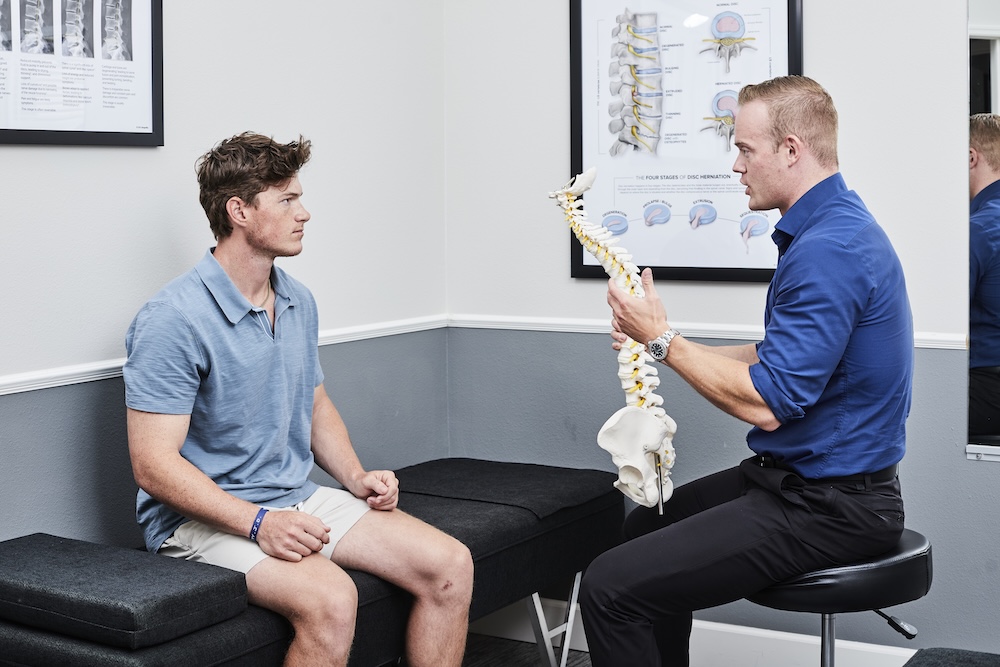
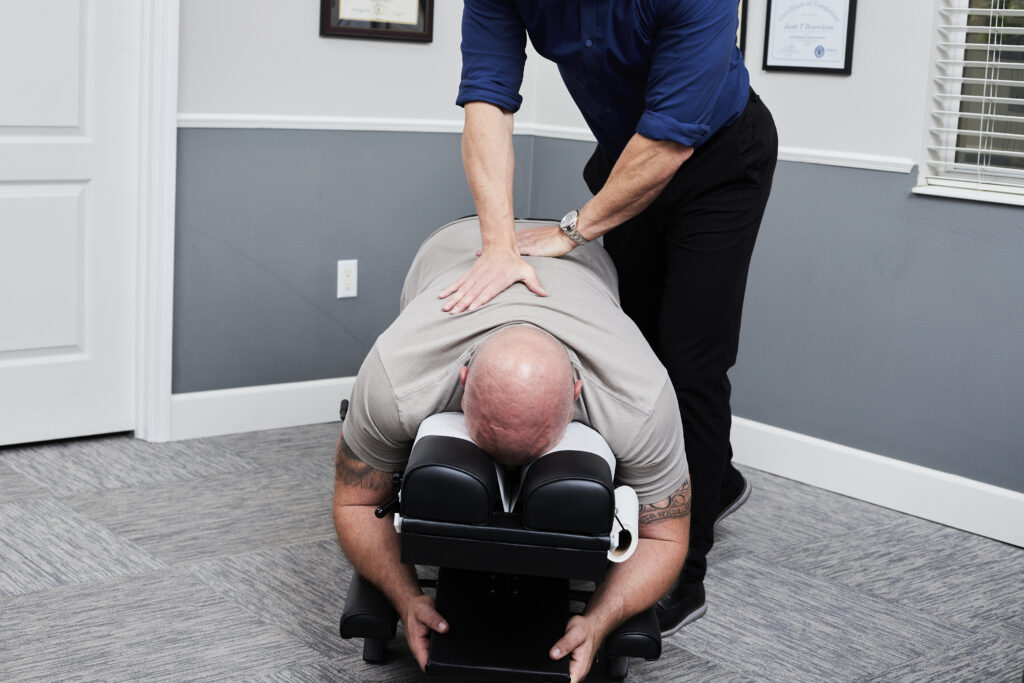
As a chiropractor, I believe that the spine plays a crucial role in overall health. Misalignments or tension in the neck can contribute to both migraines and neck pain. Regular chiropractic adjustments can help restore proper alignment, reduce tension, and promote better spinal health, leading to lasting relief.
Here are some practical tips that can assist you in managing migraines and neck pain:
- Stay Hydrated: Dehydration can trigger migraines and exacerbate neck pain. Aim to drink plenty of water throughout the day to keep your body well-hydrated.
- Improve Your Posture: Maintaining good posture, especially while sitting at a desk or using electronic devices, can help reduce strain on your neck and spine. Be mindful of your alignment and take breaks to stretch.
- Practice Relaxation Techniques: Incorporate relaxation methods such as deep breathing, meditation, or gentle yoga into your routine. These practices can help alleviate stress and reduce the frequency of migraines.
- Regular Chiropractic Care: Schedule regular visits with your chiropractor. They can help identify misalignments in your spine and neck that may be contributing to your pain and discomfort.
- Use Heat or Cold Therapy: Applying a warm compress or an ice pack to your neck can provide relief from tension and pain. Experiment to see which works best for you.
- Limit Caffeine and Alcohol: Both substances can trigger migraines for some individuals. Monitor your intake and consider reducing or eliminating them from your diet.
- Get Enough Sleep: Establish a regular sleep schedule and ensure you’re getting restorative rest. Quality sleep is vital for healing and overall wellness.
By implementing these tips and considering chiropractic care as a key component of your wellness journey, you can work towards finding relief from migraines and neck pain. Remember, your health is in your hands, and with the right approach, you can improve your quality of life naturally.
Key Takeaways
- Stay hydrated by drinking plenty of water and including hydrating foods in your diet. Dehydration is a common trigger for migraines, and maintaining proper hydration is essential for overall health and wellness. Chiropractic care can also support your body’s natural ability to function optimally, helping to reduce the frequency of migraines.
- Maintain good posture by aligning your back and shoulders. Poor posture can lead to neck strain, which may contribute to migraine symptoms. A chiropractor can help you develop better posture habits and provide adjustments to keep your spine aligned, relieving neck tension and promoting overall well-being.
- Engage in regular moderate exercise, such as walking or yoga, to improve circulation and reduce tension that can trigger migraines. Chiropractic care can complement your exercise routine by ensuring that your spine is properly aligned, which can enhance your physical performance and overall health.
- Practice relaxation techniques, such as deep breathing and meditation, to manage stress and reduce the frequency of migraines. Incorporating chiropractic adjustments into your routine can also help alleviate stress by promoting relaxation and balance in your body.
- Consider chiropractic care for spinal alignment. Regular adjustments can relieve neck tension and help manage migraines effectively. By focusing on the root cause of your pain, chiropractic care offers a natural, drug-free approach to achieving optimal health and wellness.
By incorporating these tips and considering chiropractic care, you can take significant steps towards relieving migraines and neck pain, leading to a healthier and more balanced life.
Stay Hydrated
When you’re dealing with a migraine, staying hydrated can play a crucial role in your comfort and overall health. Dehydration is a common trigger for headaches, so it’s important to drink plenty of water throughout the day—aim for at least eight glasses. If you’re active or sweating, you may need even more. Keeping a water bottle nearby can serve as a helpful reminder to sip regularly.
In addition to drinking water, incorporating hydrating foods into your meals can be beneficial. Foods like cucumbers, watermelon, and oranges not only contribute to your hydration but also provide important nutrients that support your body.
It’s wise to limit caffeine and alcohol, as these can lead to dehydration and may worsen your migraine symptoms.
If you feel a migraine starting, consider drinking a large glass of water right away. This simple action might alleviate some symptoms and help prevent the migraine from intensifying.
As a chiropractor, I emphasize the importance of a holistic approach to health. Staying hydrated is just one aspect of managing migraines and promoting wellness.
Regular chiropractic care can also be an effective way to relieve pain and tension in the body that may contribute to headaches. By prioritizing hydration and exploring the benefits of chiropractic adjustments, you’re taking proactive steps toward better health and well-being.
Practice Good Posture
Good posture plays a crucial role in your overall health and well-being, and it can significantly influence your experience with migraines. Poor alignment often leads to tension in the neck and shoulders, which can trigger or exacerbate migraine attacks. By maintaining proper posture, you can alleviate this tension, potentially reducing the frequency of your migraines and promoting a more comfortable lifestyle.
As a chiropractor, I’m here to share some simple yet effective tips for practicing good posture that can help you feel better and support your journey towards optimal health:
| Tip | Description |
|---|---|
| Sit Up Straight | Keep your back straight and shoulders relaxed while seated. This helps distribute weight evenly and reduces strain. |
| Align Ears with Shoulders | Ensure your ears are in line with your shoulders to maintain spinal alignment and prevent neck tension. |
| Feet Flat on the Floor | Keep your feet flat on the floor and avoid crossing your legs. This promotes stability and balance in your posture. |
| Take Breaks | Stand up and stretch every hour to reset your posture and relieve built-up tension in your body. |
Incorporate Regular Exercise
Incorporating regular exercise into your routine can be a game-changer for managing migraines, and it complements the benefits of chiropractic care beautifully. Engaging in physical activity helps improve blood circulation, reduce stress, and release endorphins, all of which can alleviate migraine symptoms and support overall spinal health.
Aim for at least 30 minutes of moderate exercise most days of the week. Activities such as walking, swimming, or cycling aren’t only enjoyable but also beneficial for your body and spine.
You don’t need to jump into intense workouts right away; even gentle activities like yoga or stretching can significantly impact your well-being. These exercises can strengthen your body, promote relaxation, and help maintain proper alignment—essential elements for reducing tension headaches and preventing migraines.
Always listen to your body; if you notice any triggers during exercise, consider adjusting your routine. Regular chiropractic adjustments can also enhance your exercise experience by ensuring that your spine is properly aligned, which may help reduce the frequency and intensity of migraines.
Establishing a consistent exercise schedule can allow your body to adapt, leading to fewer migraine occurrences.
Utilize Heat or Cold Therapy
As a chiropractor dedicated to your health and wellness, I want to share how heat and cold therapy can be valuable tools in managing migraine pain and enhancing your overall well-being. Both methods can help you relax your body and support your natural healing process without the need for medications or invasive procedures.
Cold therapy, such as ice packs, can be particularly effective for numbing the pain and reducing inflammation. By applying cold to the affected area, you can help constrict blood flow, which often leads to relief from the throbbing sensations of migraines. It’s a simple yet powerful way to manage discomfort naturally.
On the other hand, heat therapy—using warm towels or heating pads—can work wonders in relaxing tight muscles and improving circulation. When your muscles are relaxed, it can lead to reduced tension and a greater sense of comfort, which may significantly lessen migraine symptoms.
Here’s a quick guide to help you decide when to use heat or cold therapy:
| Therapy Type | Best For |
|---|---|
| Cold | Reducing inflammation |
| Cold | Numbing intense pain |
| Heat | Relaxing tense muscles |
| Heat | Improving blood circulation |
| Heat | Reducing stiffness in muscles |
It’s important to experiment with both heat and cold to see which one provides you with the most relief. Always remember to protect your skin by wrapping ice packs or heating pads in a towel before applying them to your body.
In addition to using heat and cold therapy, consider incorporating regular chiropractic care into your routine. Chiropractic adjustments can help align your spine, relieve tension, and promote overall wellness, making it an excellent complementary approach to managing migraines and enhancing your quality of life.
Explore Relaxation Techniques
Migraines can be incredibly debilitating, but there are natural ways to find relief, and incorporating relaxation techniques into your routine can make a significant difference. As a chiropractor, I believe that addressing the root causes of pain is essential for overall wellness, and relaxation techniques can support this journey.
One effective method is deep breathing exercises. Focusing on your breath can help calm your mind and reduce tension in your body, which is often a contributing factor to migraines. Practice inhaling deeply through your nose, holding for a few seconds, and then slowly exhaling through your mouth. This simple exercise can help bring balance to your nervous system and promote relaxation.
Another beneficial practice is meditation. Just a few minutes of mindfulness can create a sense of peace and ease your discomfort. Set aside time each day to sit quietly, clear your mind, and focus on your breathing. This practice not only helps with pain relief but also enhances your overall mental clarity and emotional well-being.
Incorporating gentle yoga into your routine can also provide relief. Yoga helps stretch and relax your muscles, promoting better blood flow throughout the body. Focus on poses that target the neck and shoulders, as these areas often hold tension that can trigger migraines. By maintaining flexibility and reducing stiffness, you can support your spine’s health and reduce pain.
Lastly, consider trying progressive muscle relaxation. This technique involves tensing and then relaxing each muscle group in your body, helping you release built-up stress and tension. By becoming more aware of where you hold tension, you can actively work towards relaxation and pain relief.
At the end of the day, chiropractic care is an excellent choice for achieving optimal health and wellness. By addressing spinal alignment and promoting natural healing, chiropractic adjustments can enhance the effectiveness of these relaxation techniques, providing you with a more holistic approach to managing migraines.
Maintain a Consistent Sleep Schedule
Maintaining a consistent sleep schedule is vital for managing migraines and supporting overall health. As a chiropractor, I often see how irregular sleep patterns can lead to increased headaches and neck pain. Your body functions best when it follows a routine, so aim to go to bed and wake up at the same time every day, even on weekends. This regularity helps your body’s internal clock, enhances sleep quality, and can significantly reduce the likelihood of migraines.
To create a relaxing bedtime routine that signals to your body it’s time to wind down, try limiting screen time before bed and engaging in calming activities like reading or gentle stretching. Ensuring your sleep environment is dark, cool, and quiet can also promote better rest.
Additionally, pay attention to how different sleep durations impact your migraines. By establishing a healthy sleep pattern, you can support your body’s natural healing processes, reduce pain frequency, and improve your overall wellness.
Consider Professional Treatment Options
If you’re dealing with migraines and lifestyle changes haven’t brought you relief, it may be time to consider professional treatment options, with a special focus on chiropractic care.
Many people find that chiropractic adjustments can provide significant relief from migraine symptoms by addressing underlying issues related to spinal alignment and tension. Here are some ways chiropractic care can help you manage migraines effectively:
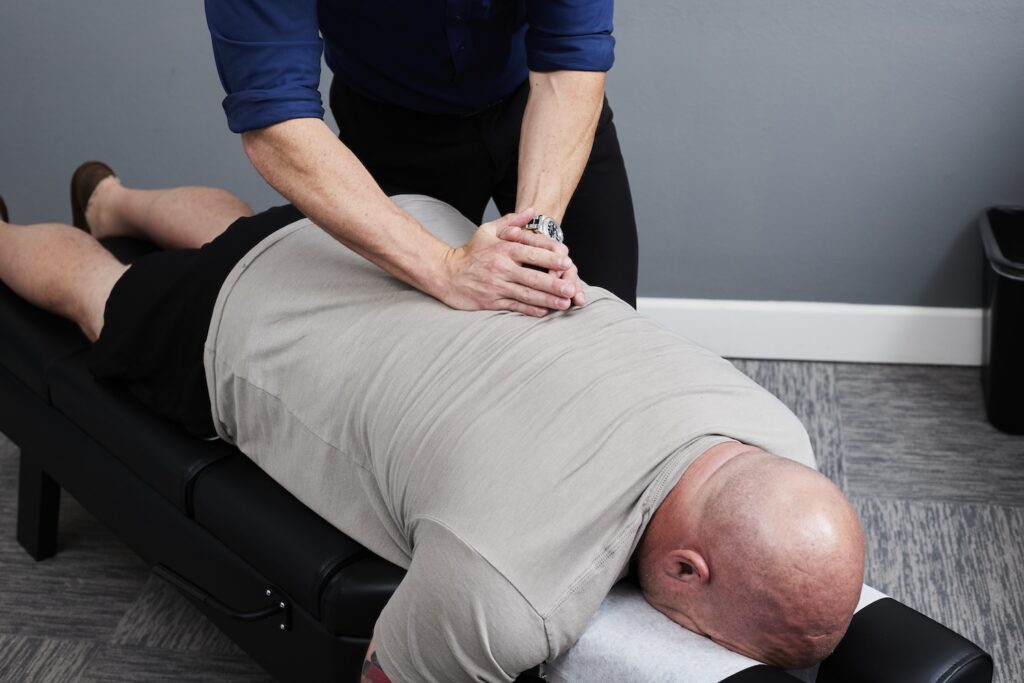
- Spinal Adjustments: Chiropractic adjustments help realign the spine, reduce tension in the neck and shoulders, and improve overall spinal health, which can help in alleviating migraine triggers.
- Posture Improvement: Many migraines are linked to poor posture, especially for those who spend long hours at desks. A chiropractor can guide you on proper posture and provide exercises to strengthen your back and neck, reducing strain.
- Stress Relief: Chiropractic care not only addresses physical symptoms but also promotes relaxation. Regular adjustments can help reduce stress levels, which is a common migraine trigger.
- Natural Pain Management: By focusing on natural healing methods, chiropractic care offers a way to manage pain without the need for medications or invasive procedures. This approach can lead to long-term relief and better overall health.
In addition to chiropractic care, here are some general tips to help manage migraines:
- Stay hydrated: Drink plenty of water throughout the day to prevent dehydration, which can trigger migraines.
- Regular exercise: Engage in gentle activities like walking or yoga to improve circulation and reduce stress.
- Maintain a consistent sleep schedule: Aim for regular sleep patterns to help stabilize your body’s rhythms.
- Identify triggers: Keep a migraine diary to track what may be causing your migraines, such as certain foods, stress, or environmental factors.
Don’t hesitate to discuss these options with your chiropractor to find the most suitable approach for you.
Embracing chiropractic care as a primary method for managing migraines can lead to a healthier, more balanced life.
Conclusion
By following these seven tips, you can take control of your migraines and neck pain through natural methods, emphasizing the benefits of chiropractic care. Staying hydrated and practicing good posture are essential for spinal health, which plays a vital role in overall well-being. Regular exercise not only strengthens your body but also helps alleviate tension that can contribute to discomfort.
Incorporating relaxation techniques, such as deep breathing or gentle stretching, can also help reduce pain and improve your overall state of mind. Maintaining a consistent sleep schedule ensures your body gets the rest it needs to recover and heal effectively.
If you find that self-care isn’t enough, chiropractic care can provide personalized solutions tailored to your unique needs. Chiropractors focus on spinal adjustments and holistic approaches to help relieve pain and promote wellness without the need for medications or surgeries.
Remember, you’re not alone on this journey—make these changes today, consider visiting a chiropractor, and take a proactive step towards feeling the relief you deserve! Embrace these natural methods for a healthier, pain-free life.