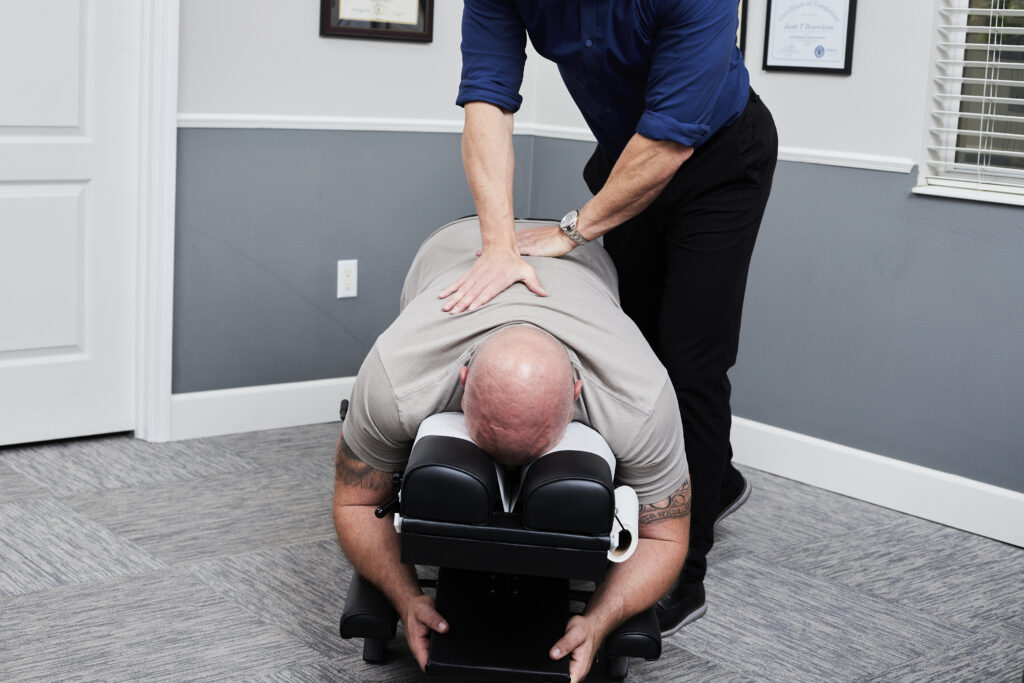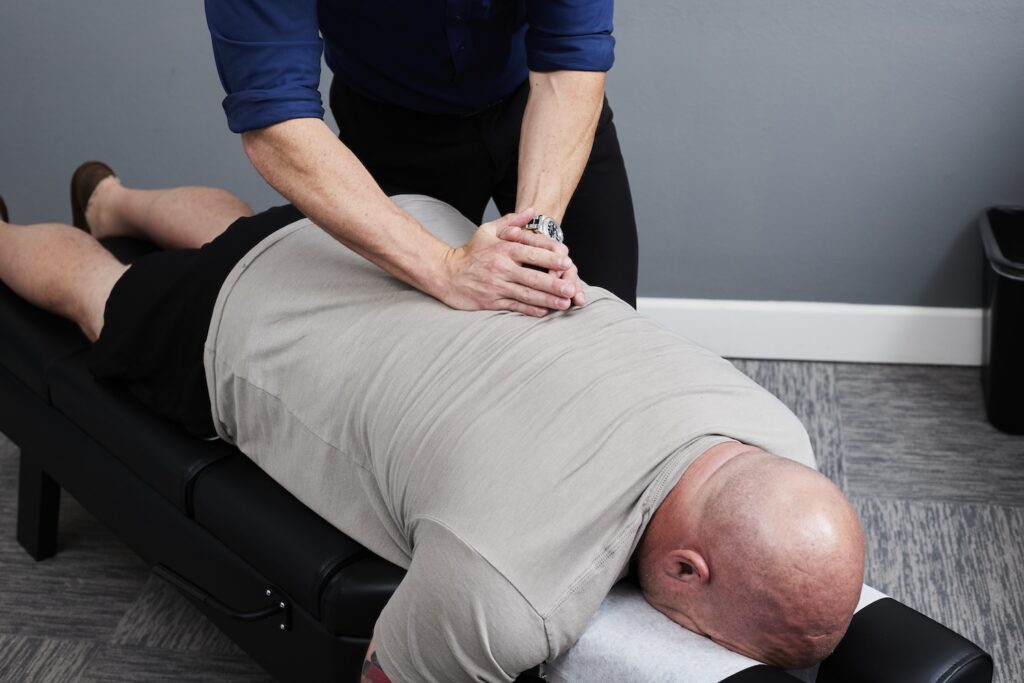

If you’re experiencing persistent neck pain, you’re certainly not alone. Many individuals face discomfort in this area due to a variety of factors, including poor posture, stress, or even sleeping positions. While there are numerous methods to help ease neck pain, chiropractic care stands out as one of the best options for achieving lasting relief and promoting overall wellness.
One effective way to manage neck pain is through chiropractic adjustments. These gentle, targeted manipulations can help realign the spine, reduce tension, and improve mobility. By addressing the root cause of the pain rather than just the symptoms, chiropractic care supports the body’s natural healing processes.
In addition to chiropractic adjustments, incorporating heat therapy can be beneficial. Applying a warm compress to your neck can help relax tight muscles and improve blood flow, aiding in recovery. Gentle stretching exercises are also invaluable; they help maintain flexibility and reduce stiffness. Simple neck stretches can be done throughout the day to keep your muscles limber and reduce tension.
Moreover, maintaining good posture while sitting, standing, or sleeping is crucial. Be mindful of how you hold your head and shoulders; keeping them aligned can significantly minimize strain on your neck. Consider using ergonomic chairs and pillows that support proper alignment.
Lastly, don’t forget the importance of stress management. Techniques such as deep breathing, meditation, or yoga can help reduce tension in your neck and promote relaxation. Remember, taking care of your overall health will reflect positively on your neck pain.
By choosing chiropractic care and integrating these simple strategies into your daily routine, you can find effective, natural relief from neck pain and enhance your quality of life. Your journey to optimal health starts with understanding your body’s needs and taking proactive steps toward wellness.
Key Takeaways
- To help alleviate stiffness and reduce inflammation in the neck, consider using heat or cold therapy. Applying a warm compress or an ice pack for 15-20 minutes can provide immediate relief and help soothe tight muscles.
- Gentle stretching exercises are essential for maintaining neck health. Simple movements like neck tilts and chin tucks can effectively release tension and improve flexibility. Incorporate these stretches into your daily routine to keep your neck feeling great.
- Essential oils can also play a role in neck pain relief. Oils such as lavender and peppermint, when diluted with a carrier oil, can promote muscle relaxation and comfort. A gentle massage with these oils can be a soothing addition to your self-care routine.
- Maintaining proper posture is crucial for reducing neck strain. Be mindful of your posture during daily activities and ensure your workspace is ergonomically set up. This simple adjustment can make a significant difference in your neck health.
- Staying hydrated is vital for overall wellness, including your neck. Drinking plenty of water and enjoying herbal teas can help keep your muscles and tissues elastic, supporting a healthy spine.
- Remember, regular chiropractic care is one of the best ways to achieve optimal health and wellness. A chiropractor can help address any underlying issues contributing to neck pain, ensuring you stay pain-free and active. By incorporating these tips and seeking chiropractic adjustments, you’re taking significant steps toward a healthier, more comfortable life.
Apply Heat or Cold Therapy
When you’re dealing with neck pain, applying heat or cold therapy can make a significant difference in your comfort. As a chiropractor, I often recommend these natural methods to help manage pain and promote healing without the need for medications or invasive procedures.
Heat therapy is fantastic for relaxing your muscles and increasing blood flow, which can alleviate stiffness and tension. You can easily apply heat using a warm towel, a heating pad, or by taking a warm shower for about 15 to 20 minutes. Just be sure to keep the heat at a comfortable level to avoid burns – it should feel soothing, not painful.
On the flip side, cold therapy is great for reducing inflammation and numbing sharp pain. Ice packs or even a bag of frozen vegetables wrapped in a cloth can provide instant relief. Apply cold for the same 15 to 20 minutes, but remember to let your skin return to normal temperature between applications to prevent frostbite.
Both heat and cold therapies can effectively help manage neck pain, so I encourage you to experiment with both to see which one offers you the most relief. Listening to your body is key – if something doesn’t feel right or if your pain persists or worsens, it’s always a good idea to consult with a healthcare professional, particularly a chiropractor who can provide tailored advice and treatment.
In addition to these therapies, maintaining good posture, staying active with gentle stretching, and practicing stress-reducing techniques can also support your neck health.
Practice Gentle Stretching Exercises
Incorporating gentle stretching exercises into your daily routine can be a wonderful way to ease neck pain and improve your overall flexibility. These simple movements not only help relieve tension but can also complement your chiropractic care, leading to better overall health.
Start by gently tilting your head to one side, holding the position for 15-30 seconds, then switch to the other side. This easy stretch is effective for releasing tightness in your neck muscles, making it a perfect addition to your day.
Following this, try the chin tuck: sit up straight and gently pull your chin toward your chest while keeping your shoulders relaxed. Hold this position for a few seconds and repeat several times. This exercise helps align your spine and can alleviate discomfort.
Don’t forget about shoulder rolls! Simply roll your shoulders forward and then backward in a circular motion. This movement promotes blood flow and reduces stiffness, helping to keep your neck and shoulder area relaxed.
Throughout each stretch, remember to breathe deeply and smoothly; this can enhance your relaxation and the effectiveness of the exercises. Aim to perform these stretches a few times a day, especially during breaks at work or after long periods of sitting. Regular practice can lead to significant relief, making daily activities much more comfortable and enjoyable.
Remember, chiropractic care is a fantastic way to support your body’s natural healing processes and maintain optimal health. By combining gentle stretching with routine chiropractic adjustments, you can achieve greater wellness and function.
Embrace these natural methods for pain relief and prioritize your health with the help of chiropractic care!
Use Essential Oils for Relief
As a chiropractor, I believe in the power of natural healing and holistic wellness. When it comes to relieving neck pain, essential oils can be a valuable addition to your self-care routine.
However, it’s important to remember that chiropractic care is the most effective way to address the root causes of pain and promote overall health.
If you’re interested in exploring essential oils, start by looking into some of the best options for neck pain relief, such as lavender, peppermint, and eucalyptus. These oils can provide soothing relief when used properly.
Here are some tips for incorporating them into your routine:
- Dilution and Application: Always dilute essential oils with a carrier oil, like coconut or jojoba oil, before applying them to your skin. This helps prevent irritation. You can gently massage the mixture onto your neck to help relieve tension and promote relaxation.
- Aromatherapy: Consider using a diffuser to fill your space with the calming scents of essential oils. This can help relieve stress, which is often a contributor to neck pain.
- Heat Therapy: Combine essential oils with heat therapy. After applying the oils, you can use a warm compress on your neck to enhance the soothing effects.
- Mindfulness and Relaxation: Incorporate mindfulness practices, such as deep breathing or gentle stretching, while using essential oils. This can help reduce stress and tension in your neck.
Remember, while essential oils can provide temporary relief, they aren’t a substitute for chiropractic care. Regular chiropractic adjustments can help correct spinal misalignments, improve mobility, and alleviate tension, leading to long-term relief from neck pain.
If you’re experiencing persistent discomfort, I encourage you to schedule an appointment to discuss a tailored plan that addresses your specific needs. Your journey to optimal health starts with taking proactive steps towards natural wellness!
Best Essential Oils
Essential oils can serve as a wonderful complement to chiropractic care in your journey towards neck pain relief. These natural remedies possess anti-inflammatory and analgesic properties that align well with the principles of holistic wellness. Among the most effective essential oils for soothing neck discomfort are lavender, peppermint, eucalyptus, and rosemary.
Lavender is renowned for its calming effects, making it an excellent choice for easing tension in your neck muscles. Incorporating lavender into your routine can enhance relaxation and support the natural healing process.
Peppermint oil, with its invigorating cooling sensation, may provide quick relief from pain and discomfort. Eucalyptus oil is another fantastic option; its anti-inflammatory properties can promote better circulation, helping to alleviate soreness in the neck area.
Additionally, rosemary oil is beneficial for improving blood flow and reducing muscle stiffness, which can be particularly helpful after a chiropractic adjustment. By incorporating these essential oils into your daily routine, you can create a supportive environment for healing and relaxation.
Remember, while essential oils can be a valuable tool, they work best when combined with regular chiropractic care. Regular adjustments can help align your spine, reduce tension, and promote overall well-being.
As you explore these options, consider talking to your chiropractor for personalized recommendations on how to integrate essential oils with your care plan for optimal health and comfort in your neck.
Application Techniques
When looking for relief from neck pain, using essential oils can be a helpful addition to your wellness routine, especially when combined with chiropractic care. Here are some effective techniques to enhance the benefits of essential oils while prioritizing your spinal health:
- Dilute before applying: Always mix a few drops of essential oil with a carrier oil, like coconut or olive oil, to prevent any skin irritation. This step ensures that the oils are gentle on your skin while still providing relief.
- Gentle massage: After diluting the oils, use your fingertips to gently massage the mixture into your neck. This not only helps to relieve tension but also promotes blood circulation, which is vital for healing.
- Inhale the aroma: To further benefit from essential oils, place a few drops on a tissue or use a diffuser in your space. Inhaling the soothing scents can promote relaxation and enhance your overall well-being, making it a great complement to regular chiropractic adjustments.
- Warm compress: For added relief, soak a cloth in warm water mixed with essential oils, and then place it on your neck. The warmth combined with the powerful properties of the oils can help ease discomfort and tension.
Incorporating these techniques into your self-care routine can help maximize the benefits of essential oils for neck pain.
However, remember that chiropractic care is a key component of achieving optimal health and addressing chronic pain. Regular visits to your chiropractor can help ensure your spine is aligned and functioning properly, which is crucial for overall wellness.
Always prioritize natural healing methods as a primary approach to pain relief.
Safety Precautions
Incorporating essential oils can be a wonderful complementary approach to enhance your neck pain relief routine, but it’s essential to prioritize your safety for a positive and effective experience. As your local chiropractor, I want to ensure you have the best information to support your natural healing journey.
Before using any new essential oil, always perform a patch test to check for any potential allergies. It’s also crucial to dilute essential oils with a carrier oil like coconut or jojoba oil to prevent skin irritation. If you are pregnant or have specific health conditions, some oils may not be suitable for you, so it’s best to consult with a healthcare professional if you’re uncertain.
Here’s a handy reference table to help you safely use essential oils for neck pain relief:
| Essential Oil | Safety Tip | Best Use |
|---|---|---|
| Lavender | Patch test first | Promoting relaxation and better sleep |
| Peppermint | Dilute before use | Alleviating pain and tension |
| Eucalyptus | Avoid during pregnancy | Supporting respiratory health |
| Frankincense | Consult your chiropractor if needed | Reducing stress and tension |
Maintain Proper Posture
Good posture is essential for maintaining neck health, and it serves as a strong foundation for overall well-being. By keeping your body aligned properly, you can significantly reduce strain on your neck muscles and prevent discomfort.
As a local chiropractor, I want to share some simple tips to help you maintain good posture and support your journey towards natural wellness:
- Align your ears with your shoulders: Imagine a straight line running from your ears down to your shoulders. Keeping your head centered over your spine is crucial; this helps avoid the common issue of forward head posture, which can lead to pain.
- Choose supportive seating: Opt for chairs that offer proper lumbar support and encourage an upright position. A well-designed chair can make a world of difference in how your body feels throughout the day.
- Take regular breaks: If you find yourself sitting for extended periods, it’s important to stand up and stretch your neck every 30 minutes. This simple action can help relieve tension and keep your muscles relaxed.
- Adjust your workstation: Make sure your computer screen is at eye level. This adjustment means you won’t have to tilt your head down or up, which can strain your neck over time.
By incorporating these tips into your daily routine, you can enhance your posture and contribute to your overall health.
Incorporate Massage Techniques
Incorporating massage techniques can be a wonderful way to ease your neck pain, and as a chiropractor, I believe it’s essential to explore natural healing methods that complement chiropractic care.
You might consider self-massage, which can help relieve tension in your neck muscles. Simply use your fingers to apply gentle pressure to sore areas, or use a tennis ball against a wall to target those hard-to-reach spots.
If you have a partner who can assist, partner-assisted massage can enhance your relief even further. They can help apply deeper pressure or target specific areas that you find difficult to reach.
Don’t forget to consider enhancing your massage experience with essential oils, such as lavender or eucalyptus, which can promote relaxation and soothe your muscles.
Remember, each of these methods offers unique benefits, but they work best in conjunction with regular chiropractic care.
By addressing the underlying issues in your spine and nervous system, chiropractic adjustments can help alleviate pain and improve your overall wellness.
Focus on incorporating these techniques into your routine, and consult with your chiropractor to develop a comprehensive plan that promotes optimal health and natural healing.
Self-Massage Techniques
Self-massage techniques can be a wonderful way to alleviate neck pain and tension, and they complement the benefits of chiropractic care beautifully.
While chiropractic adjustments are the most effective way to address spinal issues, incorporating simple self-massage techniques into your routine can enhance your overall wellness.
Here are some easy methods to try using just your hands:
- Kneading: Gently use your fingers to apply pressure and knead the muscles in your neck. This can help to relieve tension and improve circulation, making it a great addition to your self-care routine.
- Pinching: Lightly pinch the skin and muscle around your neck. This technique stimulates blood flow and helps to alleviate tightness, promoting a sense of relaxation.
- Rolling: With your thumbs, roll along the sides of your neck, focusing on any tender spots. This can provide immediate relief and helps to loosen tight muscles.
- Stretching: Slowly tilt your head to one side and then the other, holding each position for a few seconds. This gentle stretch can help lengthen tight muscles and enhance your range of motion.
Incorporating these self-massage techniques alongside regular chiropractic care can significantly reduce neck discomfort and promote a healthier lifestyle.
Remember, chiropractic care is designed to address the root causes of pain and tension, ensuring you achieve optimal health in a natural, drug-free way.
Always listen to your body, and if you experience persistent pain, consult with your chiropractor for personalized advice.
Partner-Assisted Massage
If you’re seeking an effective way to alleviate neck pain, partner-assisted massage can be a wonderful complement to your chiropractic care routine. It helps enhance the benefits of self-massage techniques and can provide relief to those hard-to-reach areas that might be contributing to your discomfort.
Here are some simple techniques you and your partner can try to promote relaxation and well-being:
| Technique | Description |
|---|---|
| Effleurage | Use long, gliding strokes along the neck and shoulders to promote relaxation and calm the nervous system. |
| Petrissage | Gently knead the muscles to ease tension and relieve tightness that may be affecting your spinal alignment. |
| Friction | Apply deep, circular motions to specific knots or tight spots to help release built-up tension and improve circulation. |
| Tapotement | Incorporate rhythmic tapping to stimulate blood flow and invigorate the neck area, enhancing overall wellness. |
Always communicate with your partner about how much pressure feels comfortable for you. This collaboration not only enriches the experience but also fosters a deeper connection while providing essential relief.
Essential Oils Usage
When it comes to finding relief for neck pain, incorporating essential oils into your routine can be a fantastic addition to the benefits of chiropractic care.
While chiropractic adjustments are key to addressing the root causes of discomfort, using essential oils during self-massage can enhance your overall experience and support your natural healing journey.
Essential oils not only provide calming scents but also offer therapeutic properties that may help ease tension and discomfort in your neck. Here are some oils to consider:
- Lavender: Known for its calming effects, lavender oil can promote relaxation and help reduce muscle tension in the neck.
- Peppermint: This oil provides a refreshing cooling sensation that can help alleviate pain and soothe sore muscles.
- Eucalyptus: Often used for its anti-inflammatory properties, eucalyptus can assist in muscle relaxation and reduce stiffness.
- Rosemary: This oil is great for stimulating circulation, which can aid in reducing tightness and enhancing mobility.
To use essential oils effectively, mix a few drops of your chosen oil with a carrier oil, such as coconut or almond oil.
Gently massage the mixture into your neck, paying special attention to any tight or sore areas. You should notice the soothing effects right away!
Remember, while essential oils can provide temporary relief, regular chiropractic care is essential for addressing the underlying issues causing your neck pain.
By combining the benefits of chiropractic adjustments with the soothing properties of essential oils, you can work towards optimal health and wellness.
Always consult your chiropractor for personalized recommendations and tips tailored to your specific needs.
Try Herbal Teas and Supplements
To ease neck pain, incorporating herbal teas and supplements can be a beneficial addition to your wellness routine, but remember that chiropractic care is the most effective way to address the root causes of pain and promote overall health.
Certain herbs, like ginger and turmeric, have anti-inflammatory properties that may help reduce discomfort. A warm cup of ginger tea or turmeric-infused drinks could provide some relief, but they should complement your chiropractic treatments, not replace them.
In addition to herbal remedies, supplements such as glucosamine and chondroitin support joint health and may alleviate pain. Boswellia extract is worth considering as well, as it’s known for its anti-inflammatory effects, which can be particularly helpful for chronic neck pain.
However, the best way to ensure your neck and spine function optimally is through regular chiropractic adjustments, which help restore proper alignment and mobility.
Don’t overlook the importance of magnesium, either. This essential mineral can relax muscles and help ease tension. You can find magnesium in various foods or consider a supplement, but again, it’s best used alongside chiropractic care for overall effectiveness.
For the best results, always consult with your chiropractor before starting any new herbal regimen or supplement, especially if you have ongoing health concerns.
Utilize a Supportive Pillow
Choosing the right pillow is crucial for relieving neck pain and supporting your overall spinal health. As a chiropractor, I often emphasize the importance of proper alignment during sleep. When selecting a pillow, pay attention to its height and material, and think about your preferred sleep position.
For instance, side sleepers may benefit from a firmer, thicker pillow to fill the gap between the shoulder and head, while back sleepers might need a flatter pillow to maintain a neutral head position.
By making these thoughtful adjustments to your sleep setup, you can significantly enhance your comfort, promote better spinal alignment, and help prevent future pain.
Pillow Height Matters
Pillow Height Matters for Your Spinal Health
As a chiropractor, I know how crucial the right pillow height is for relieving neck pain and promoting overall wellness. The way you sleep can greatly impact your spine alignment, and choosing a pillow that suits your needs is essential. A pillow that’s too high or too low can cause strain on your neck, leading to discomfort and potential long-term issues.
Here are some tips to ensure you find the perfect pillow height for optimal spinal health:
- Consider Your Sleep Position: Your sleeping position plays a key role in determining the right pillow height. If you sleep on your back, a flatter pillow may be beneficial, while side sleepers typically need a firmer, higher pillow to keep their neck aligned with the spine. Stomach sleepers might benefit from a softer, thinner pillow to prevent neck strain.
- Prioritize Support: Look for pillows designed to keep your neck aligned with your spine. This alignment is vital for reducing tension and allowing your body to relax fully during sleep.
- Experiment with Heights: Don’t be afraid to try out different pillow heights and materials. Everyone’s body is unique, and what works for one person may not work for another. Finding the right fit is often a matter of trial and error.
- Regular Replacement: Keep in mind that old pillows can lose their shape and support over time. Make it a habit to replace your pillows periodically to ensure you’re getting the best support for your neck and spine.
By making these simple adjustments, you can improve your sleep quality and reduce pain.
Remember, while pillows play a significant role in your comfort, regular chiropractic care can further enhance your overall health and well-being. By addressing any underlying spinal issues, chiropractic adjustments can help you achieve optimal health naturally, without the need for medications or invasive procedures.
Prioritizing your spinal health is a step towards a healthier, pain-free life!
Material Selection Tips
When choosing a supportive pillow, it’s essential to think about the material, as this can significantly impact your comfort and neck alignment, which are crucial for overall spinal health.
Memory foam is often recommended because it molds to your neck and shoulders, offering tailored support that can help alleviate tension. If you tend to get warm at night, consider pillows that feature gel-infused materials; these help keep your sleeping environment cool and comfortable, allowing for better rest.
For those who prefer natural options, latex or buckwheat pillows provide firm support while also allowing for breathability, which can minimize sweating and promote a more restful sleep.
If you have allergies, opting for hypoallergenic materials can be a smart choice to avoid irritation.
Remember, the right pillow should support your head and neck in a neutral position, which is vital for maintaining proper spinal alignment. This alignment not only helps prevent pain but also supports overall wellness.
By investing in a quality pillow, you’re taking an important step toward better sleep and health.
And don’t forget—regular chiropractic care can complement your efforts by addressing any underlying issues and enhancing your overall well-being.
Sleep Position Considerations
Your sleep position can significantly impact your neck health, and using the right pillow is crucial for enhancing your comfort and promoting optimal spinal alignment. A supportive pillow helps to maintain the natural curve of your neck, which is essential for preventing discomfort and ensuring restful sleep.
Here are some helpful tips to consider when selecting your pillow:
- Loft: Choose a pillow height that keeps your neck aligned with your spine. This alignment is vital for reducing tension and preventing pain.
- Material: Consider materials like memory foam or latex. These options provide excellent support and contour to your neck, promoting a more natural sleeping posture.
- Fill: Look into adjustable fill pillows. These allow you to customize the firmness and loft according to your personal comfort preferences, which can help alleviate neck strain.
- Sleep Position: If you sleep on your side, a firmer, higher pillow may be beneficial for keeping your spine aligned. For back sleepers, a flatter pillow can help maintain proper neck support.
Incorporating these adjustments can lead to significant improvements in neck pain and enhance your overall sleep quality.
Additionally, regular visits to your chiropractor can help ensure that your spine is properly aligned, supporting your journey toward natural healing and optimal health. Chiropractic care focuses on restoring balance and function to your body, making it an excellent choice for pain relief and wellness.
Stay Hydrated
Staying hydrated is essential for your overall health and well-being, especially when you’re experiencing neck pain. Adequate water intake is crucial for keeping your muscles and tissues elastic, which can help prevent stiffness and discomfort.
When you’re not drinking enough water, your body may struggle to function optimally, often resulting in increased muscle tension and pain.
As a chiropractor, I recommend making it a daily habit to drink water throughout the day. Aim for at least eight 8-ounce glasses, but don’t hesitate to increase that amount if you’re active or live in a warmer climate.
Keeping a refillable water bottle nearby can serve as a great reminder to sip regularly.
In addition to plain water, consider incorporating herbal teas or hydrating fruits and vegetables like cucumbers and watermelon into your diet.
However, be cautious with caffeine and alcohol, as they can lead to dehydration. Prioritizing hydration supports your body’s natural healing processes and can significantly alleviate neck pain.
Remember, while hydration is key, regular chiropractic adjustments can also play a vital role in enhancing your overall health and relieving pain.
Engage in Relaxation Techniques
Hydration is essential for muscle function, but finding relief from neck pain also heavily relies on managing stress and tension. Incorporating relaxation techniques into your daily routine can significantly help in releasing built-up stress, easing muscle tightness, and promoting overall wellness.
As a chiropractor, I believe these natural methods can complement your chiropractic care for optimal health. Here are some effective relaxation techniques to consider:
- Deep Breathing: Take a few moments to focus on slow, deep breaths. This practice not only calms your mind but also reduces tension in your neck, allowing your body to relax and recover naturally.
- Meditation: Dedicating just a few minutes each day to mindfulness meditation can enhance your relaxation and improve your focus. It’s a wonderful way to connect with your body and mind, contributing to your overall well-being.
- Gentle Stretching: Regularly incorporating gentle stretching exercises can help loosen tight neck muscles and promote flexibility. This can work hand-in-hand with chiropractic adjustments to improve your range of motion and comfort.
- Progressive Muscle Relaxation: This technique involves tensing and then relaxing each muscle group in your body, starting from your toes and moving up to your neck. It’s a simple yet effective way to recognize where you hold tension and release it.
By integrating these relaxation techniques with your chiropractic care, you can enhance your body’s natural healing process and achieve a greater sense of wellness.
Limit Screen Time and Take Breaks
To effectively manage neck pain, it’s crucial to limit your screen time and take regular breaks from digital devices. Constantly staring at screens can lead to poor posture and strain on your neck.
As your local chiropractor, I recommend setting a timer to remind yourself to step away every 30 to 60 minutes. During these breaks, take a moment to stretch your neck gently, roll your shoulders, and practice deep breathing to release any built-up tension.
In addition to taking breaks, adjusting your workspace ergonomics can make a significant difference in your neck health. Position your monitor at eye level and keep your phone at a comfortable height to avoid tilting your head.
If you’re reading or working on a laptop, consider using a stand to elevate the screen. These simple adjustments can help align your spine and reduce discomfort.
Remember, chiropractic care is an excellent option for addressing neck pain naturally. Regular chiropractic adjustments can help improve your posture, relieve tension, and promote overall wellness.
Conclusion
Incorporating these home remedies into your daily routine can help you manage neck pain effectively, but remember that chiropractic care is one of the best ways to achieve long-lasting relief and optimal health. Start by applying heat or cold therapy to your neck, which can soothe inflammation and promote relaxation. Gentle stretches can also help alleviate tension, and I encourage you to consider the benefits of using essential oils for additional comfort.
Good posture is crucial; make sure your workspace is ergonomically set up to support your spine. Using a supportive pillow at night can also make a significant difference in how you feel during the day. Staying hydrated is important, as it helps maintain the health of your spinal discs. Additionally, engaging in relaxation techniques like deep breathing or meditation can further aid in reducing stress-related neck pain.
Ultimately, while these remedies can provide temporary relief, regular visits to your chiropractor can help address the underlying issues causing your neck pain. With their expertise, you can receive tailored adjustments and guidance that promote a healthier spine and overall wellness. By taking these steps, you’re not only working towards a more comfortable neck but also investing in your long-term health.