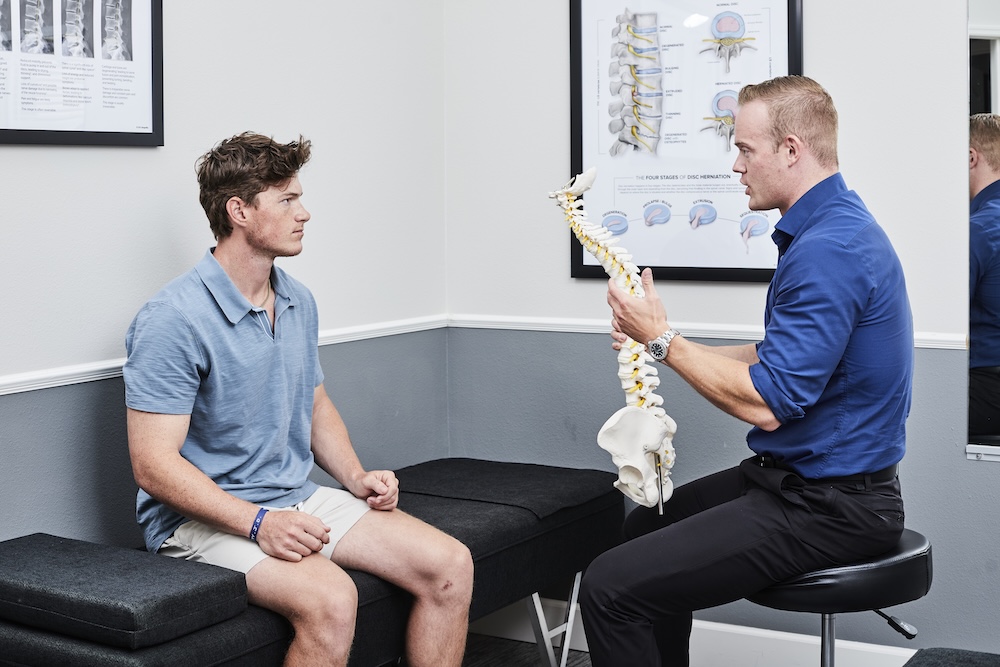
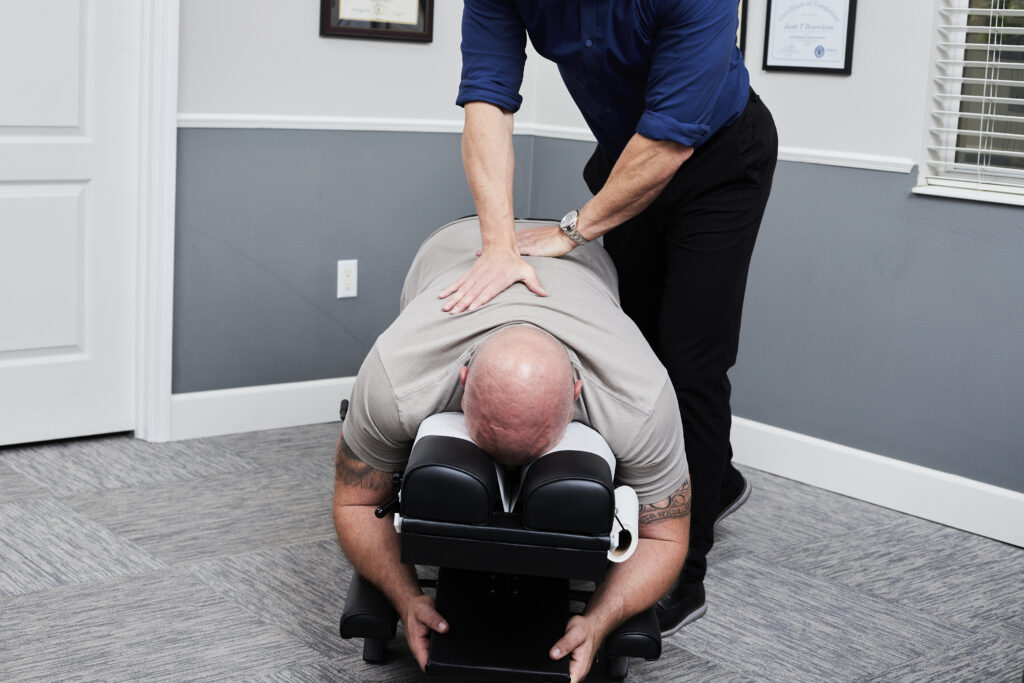
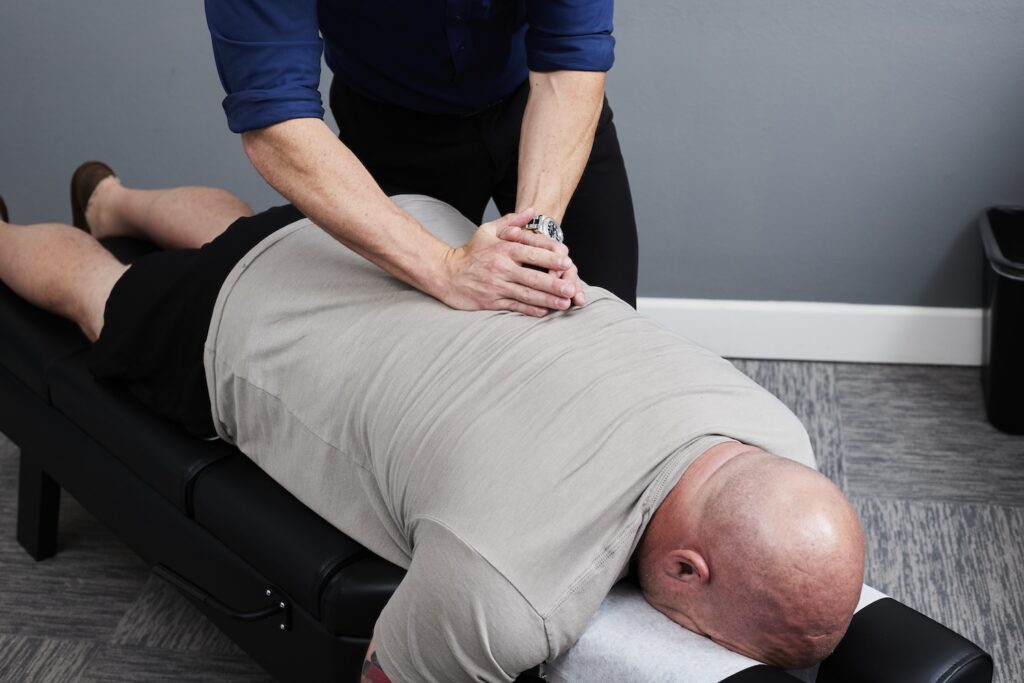
As a local chiropractor, I often see patients who are struggling with back pain and are seeking effective, natural solutions. You might be surprised to learn that there are various techniques available that can help alleviate discomfort and enhance your overall quality of life.
Gentle stretching exercises can play a significant role in relieving tension and improving flexibility. Additionally, incorporating mindfulness practices can help you manage pain without the need for medication. By integrating these natural strategies into your daily routine, you may find a more effective way to handle your back pain.
If you’re curious about which specific techniques could work best for you, I invite you to explore the possibilities of chiropractic care and other holistic approaches. Together, we can create a personalized plan that prioritizes your health and well-being.
Gentle Stretching Exercises
As a local chiropractor, I want to share with you some gentle stretching exercises that can significantly help relieve back pain. Incorporating these movements into your daily routine can enhance your flexibility and alleviate muscle tension, which is crucial for maintaining a healthy spine.
Let’s start with a fundamental stretch known as the cat-cow. While on all fours, alternate between arching your back upwards and rounding it downwards. This simple motion helps loosen your spine and improves your overall mobility, which is essential for everyday activities.
Another beneficial stretch is the seated forward bend. Sit down with your legs extended straight in front of you and gently reach towards your toes. Holding this position for several breaths can help ease tightness in your hamstrings and lower back. It’s important to focus on your breathing—take deep, calming breaths and be mindful not to overexert yourself.
I also recommend trying the child’s pose. Kneel down and stretch forward, allowing your forehead to rest comfortably on the ground. This position not only promotes relaxation but also provides a gentle stretch for your back and hips, which can be incredibly soothing.
By consistently incorporating these gentle stretches into your routine, you may notice a significant improvement in your back pain and overall mobility.
Mindfulness and Meditation Techniques
As a local chiropractor, I want to share the benefits of incorporating mindfulness and meditation techniques into your routine, especially if you’re dealing with back pain.
Many patients may not realize how powerful these practices can be for your healing journey. Breathing exercises are a fantastic way to help relax your body and ease tension. When you focus on your breath, you create a calming effect that can alleviate pain.
Additionally, body scan meditation is an effective technique that encourages you to connect with your physical sensations, allowing you to become more aware of where you might be holding tension or discomfort.
By embracing mindfulness, you can learn to manage your pain more effectively and enhance your overall sense of well-being.
These natural healing methods can complement chiropractic care and support your journey to a healthier, pain-free life. Remember, your body has an incredible ability to heal, and with the right tools, you can empower yourself on this path.
Breathing Exercises for Relaxation
As a chiropractor, I want to share how simple breathing exercises can significantly improve your experience with back pain. Focusing on your breath helps activate your body’s natural relaxation response, which is essential for easing muscle tension and reducing discomfort.
To get started, find a comfortable position, whether it’s sitting or lying down.
Begin by inhaling deeply through your nose, allowing your abdomen to expand fully. Hold that breath for a brief moment, then exhale slowly through your mouth. Repeat this process for a few minutes, paying close attention to the rhythm of your breath.
While you breathe, visualize tension melting away from your body, particularly in your back.
This mindful breathing technique not only calms your mind but also enhances oxygen flow throughout your body, which can support healing and provide pain relief.
I encourage you to incorporate this practice into your routine—it’s a simple yet effective way to complement your chiropractic care and promote overall well-being. Give it a try!
Body Scan Meditation Benefits
As a chiropractor, I want to introduce you to the benefits of body scan meditation, a practice that can significantly enhance your connection with your body and help alleviate back pain. By focusing your attention on different areas of your body, you can become more aware of the tension that may be contributing to your discomfort. This heightened awareness allows you to release tightness and promotes a deeper sense of relaxation.
One of the key aspects of body scan meditation is learning to observe physical sensations without judgment, fostering a sense of acceptance and calm. Regular practice can enhance your overall mindfulness, making you more attuned to your body’s signals. As you cultivate this awareness, you may discover patterns in your daily activities or postures that worsen your back pain.
Incorporating body scan meditation into your routine encourages a holistic approach to managing discomfort. It empowers you to take charge of your well-being, complementing the chiropractic care you receive.
As you learn to listen to your body, you’ll be better equipped to make informed choices that support your health and relieve pain. I encourage you to explore this practice as part of your journey toward recovery and improved wellness.
Mindfulness Practices for Pain
As a chiropractor, I understand that managing pain can often feel overwhelming. One effective way to enhance your healing journey is through mindfulness practices, which can complement the care you receive in our office.
By staying present and observing your sensations without judgment, you can change how you experience discomfort. Here are some techniques that can be particularly helpful:
- Breath Awareness: Pay attention to your breath. Notice its natural rhythm and depth. This simple practice can help ground you and reduce tension.
- Mindful Movement: Gentle movements, such as yoga or tai chi, can help you reconnect with your body and promote flexibility, which is essential for pain management.
- Gratitude Journaling: Take a moment to jot down things you’re grateful for. This practice can shift your focus away from pain and cultivate a more positive mindset.
- Guided Imagery: Picture a peaceful, calming space in your mind. This visualization can help promote relaxation and ease discomfort.
- Daily Check-ins: Throughout your day, take brief moments to assess how your body and emotions feel. This awareness helps you stay connected to your wellbeing.
Incorporating these mindfulness practices into your routine can’t only offer you relief but also empower you on your path to healing.
Heat Therapy for Muscle Relaxation
As a local chiropractor, I want to share how heat therapy can significantly aid in muscle relaxation and alleviate back pain. Many of my patients are unfamiliar with the different methods of applying heat, so let me explain.
There are various options available, including heating pads, warm baths, and even heated stones, each providing its own unique benefits for muscle tension relief.
Understanding the right time to use heat therapy is crucial for maximizing its effectiveness in soothing discomfort. By incorporating heat into your routine, you can enhance your healing process and support your overall well-being.
If you’re interested in learning more about how heat therapy can complement your chiropractic care, I’m here to help guide you on this journey toward better health.
Benefits of Heat Therapy
As a local chiropractor committed to your well-being, I want to share the benefits of heat therapy, especially if you’re experiencing muscle tension and discomfort. This natural approach can be a wonderful addition to your self-care routine, promoting relaxation and easing tightness in your muscles.
Here are some key advantages you may experience with heat therapy:
- Increased blood flow: Applying heat helps to dilate your blood vessels, which can lead to improved circulation. This is crucial for bringing oxygen and nutrients to your muscles.
- Enhanced flexibility: Warm muscles tend to be more pliable, which can help reduce the risk of injuries and make it easier for you to move comfortably.
- Pain reduction: Heat therapy can effectively block pain signals, providing you with immediate relief from discomfort.
- Stress relief: The soothing warmth can create a calming effect on both your body and mind, helping to alleviate mental tension.
- Improved healing: By enhancing circulation, heat therapy supports faster recovery from muscle strains and other injuries.
Incorporating heat therapy into your daily routine is a simple yet powerful way to alleviate muscle discomfort and elevate your overall wellness.
So, the next time you find yourself feeling tense, consider utilizing a heat source to help you feel better.
As always, if you have questions or want to explore more about how chiropractic care can support your healing journey, feel free to reach out!
Types of Heat Applications
As a local chiropractor, I want to share some effective heat applications that can help you relax your muscles and alleviate back pain.
One of the most accessible methods is using a heating pad. This can be easily applied to the specific area of discomfort, providing targeted relief where you need it most.
Another great option is a hot water bottle or a warm towel, both of which can deliver gentle, soothing heat to your back.
If you enjoy taking baths, soaking in warm water can significantly ease tension throughout your entire back, promoting relaxation and comfort.
Additionally, you might want to try a hot pack made from rice or beans; these can mold to your body’s shape, providing a comforting embrace as they warm your muscles.
For a more focused approach, consider using a warm compress directly on trigger points—specific areas that may be causing pain or discomfort.
Each of these heat applications can’t only enhance your comfort but also support your body’s natural healing process.
Remember, incorporating these methods into your self-care routine can lead to significant improvements in how you feel.
If you have any questions or want to learn more about how chiropractic care can assist you, feel free to reach out!
When to Use Heat
As a chiropractor dedicated to your health and well-being, I often get questions about the best ways to promote muscle relaxation. One effective method is heat therapy, but understanding when to use it can make all the difference.
Here are some situations where applying heat can be beneficial:
- If you experience chronic muscle tension
- When dealing with stiffness following exercise
- During episodes of muscle spasms or cramps
- If you feel pain from injuries that aren’t swollen
- When stress or anxiety leads to tightness in your muscles
Applying heat can enhance blood circulation, relax tight muscles, and alleviate pain. However, it’s important to avoid using heat on recent injuries or swollen areas, as this can increase inflammation.
Instead, focus on those times when you sense your muscles are tight or tense.
Remember, moderation is key! I recommend applying heat for about 15 to 20 minutes to enjoy the benefits without overdoing it.
If you have any questions about how to incorporate heat therapy into your routine, don’t hesitate to reach out. Your journey to better health is our priority!
Cold Therapy for Inflammation Reduction
As a local chiropractor, I often emphasize the importance of cold therapy, or cryotherapy, in managing inflammation and easing back pain. Many of my patients are unaware of how effective this natural remedy can be.
When you apply cold to the affected area, it works by constricting blood vessels, which helps to reduce swelling and numb sharp sensations of pain. This can be incredibly beneficial for your back, as it allows you to move more freely and engage in everyday activities without discomfort.
To get the most out of cold therapy, I recommend wrapping ice in a cloth or using a cold pack. Apply it directly to your back for about 15-20 minutes at a time. It’s important to take breaks between applications to avoid damaging your skin.
You can repeat this several times throughout the day, particularly after engaging in activities that may irritate your back pain.
Incorporating cold therapy into your daily routine is a simple and effective way to manage inflammation. By doing so, you’ll find that you can experience significant relief, allowing you to return to the things you enjoy with greater comfort.
As always, if you have any questions or need guidance on how to best implement this technique, feel free to reach out during your next visit!
Strengthening Core Muscles
As a local chiropractor, I want to emphasize the importance of not only managing pain but also addressing the underlying factors contributing to back discomfort. One key aspect of this is strengthening your core muscles. A robust core is essential as it provides support for your spine and enhances your overall posture, which can significantly help in preventing future pain.
To get you started, here are some effective exercises that I recommend incorporating into your routine:
- Planks: This exercise engages your entire core. Simply hold a plank position, keeping your body straight from head to heels.
- Bridges: While lying on your back, lift your hips towards the ceiling. This movement not only works your glutes but also strengthens your lower back.
- Bird-Dogs: Start on your hands and knees, then extend one arm and the opposite leg simultaneously. This improves your balance and core stability.
- Russian Twists: Sit with your knees bent and twist your torso from side to side. This exercise targets your oblique muscles and enhances rotational strength.
- Leg Raises: Lie flat on your back and lift your legs towards the ceiling. This is effective for strengthening your lower abdominal muscles.
Incorporating these exercises into your routine can greatly enhance your core strength and contribute to alleviating back pain over time.
Ergonomic Adjustments for Daily Activities
As a local chiropractor, I want to help you understand how making simple ergonomic adjustments in your daily life can significantly enhance your well-being and support your spine health. One of the first steps is to optimize your workspace. Position your computer screen at eye level so that you’re not straining your neck. Your feet should rest flat on the floor, and using a chair with proper lumbar support is essential to maintain the natural curve of your spine.
When it comes to lifting heavy objects, remember to bend at your knees rather than at your waist, and keep the load close to your body. This technique is crucial in preventing injury and strain on your back.
If you find yourself sitting for extended periods, it’s important to take regular breaks to stretch and walk around, which can help alleviate tightness in your muscles.
In your kitchen, organize frequently used items so they’re easily accessible. This reduces the need for awkward twisting and bending movements that can lead to discomfort.
Additionally, if you’re often on your phone, consider using a hands-free device to minimize neck strain.
Conclusion
As a chiropractor dedicated to helping you achieve optimal health, I want to share some natural techniques that can significantly alleviate your back pain and improve your overall well-being. By integrating gentle stretching and mindfulness practices into your daily routine, along with the appropriate application of heat or cold therapy, you can create a holistic approach to pain relief. Additionally, incorporating core strengthening exercises will support your spine and enhance stability.
It’s also essential to make ergonomic adjustments to your daily activities, which can greatly support your back and prevent further discomfort. Embracing these strategies not only empowers you to take control of your health but also paves the way toward a more comfortable, pain-free life. Remember, chiropractic care is here to guide you through these natural healing methods, helping you understand how your body works and how to support it effectively.