
As a local chiropractor, I understand that dealing with chronic migraines can be incredibly challenging. Many of my patients often express how overwhelming it can be to find effective relief. What you may not realize is that a holistic approach—encompassing lifestyle changes, dietary adjustments, and natural treatments—can significantly improve your condition.
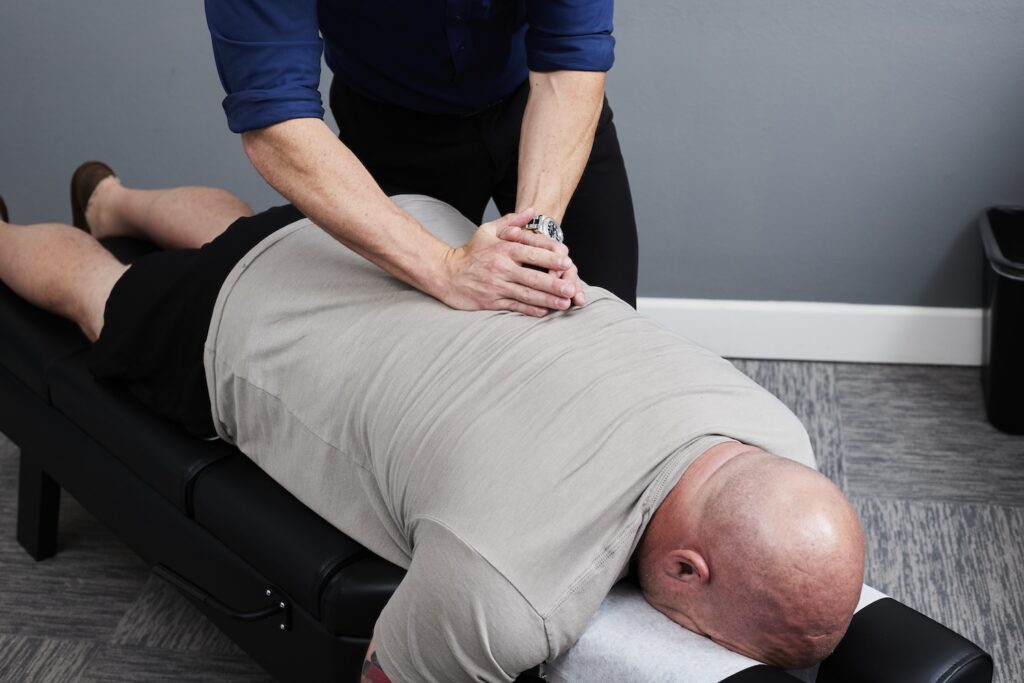
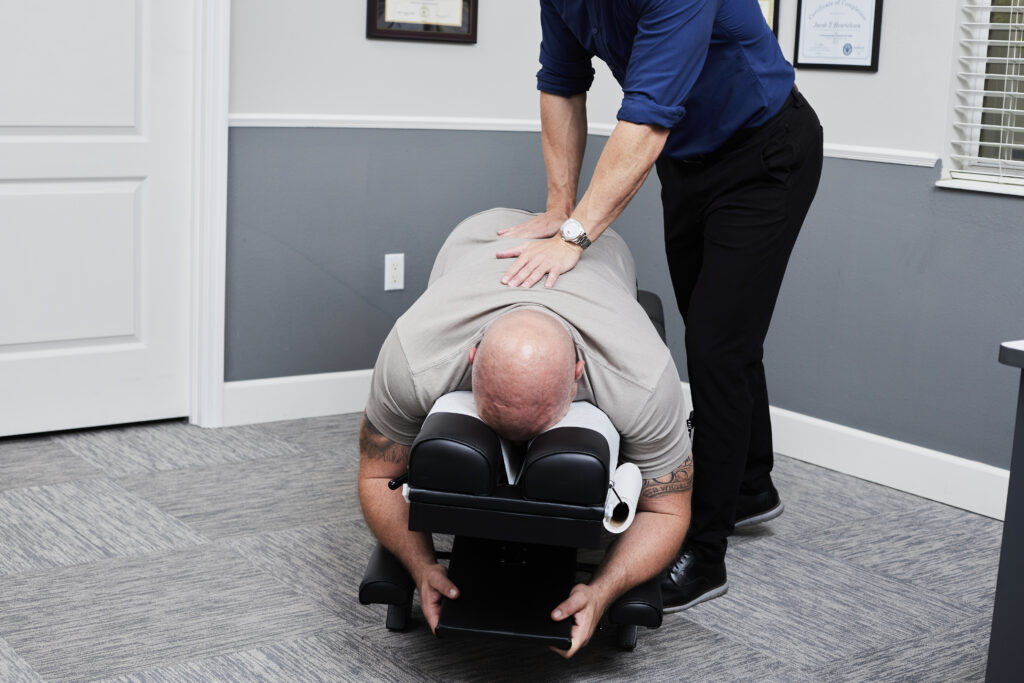
In my practice, I emphasize the importance of stress management techniques and recognizing your individual triggers, as these factors are crucial in reducing both the frequency and severity of migraines. By incorporating spinal adjustments and other chiropractic methods, we can help alleviate tension in the body that may be contributing to your headaches.
So, what specific strategies can we explore together to help you achieve real relief? The good news is that many of these solutions might be more accessible than you think, and I'm here to guide you on this journey towards better health and well-being.
Understanding Chronic Migraines
Chronic migraines can be a challenging condition that significantly impacts your daily life, and as your local chiropractor, I want to help you understand them better. These intense headaches often occur at least 15 days a month and can last anywhere from a few hours to several days.
It's important to recognize that chronic migraines are more than just headaches; they may come with symptoms such as nausea, sensitivity to light and sound, and sometimes even an aura that precedes the pain.
You might notice that your migraines vary in intensity and duration, and they can be triggered by a variety of factors, including stress, hormonal changes, or certain foods. Identifying your specific triggers is crucial for managing this condition effectively. Many individuals find that their migraines can disrupt their daily routine, making it difficult to focus at work or enjoy social engagements.
Chronic migraines often arise from a combination of genetic and environmental factors. They can also be linked with other issues, such as anxiety or depression, which can complicate your experience. I want to reassure you that you're not alone in this journey; many people face similar struggles.
As a chiropractor, I believe that effective management of chronic migraines can begin with understanding your unique migraine patterns and symptoms. One useful tool is keeping a headache diary, which can help you identify what might be triggering your migraines.
This proactive approach allows us to work together to develop strategies that can minimize their occurrence. By understanding the nature of chronic migraines, you can empower yourself to explore appropriate treatments and natural healing methods that can enhance your quality of life.
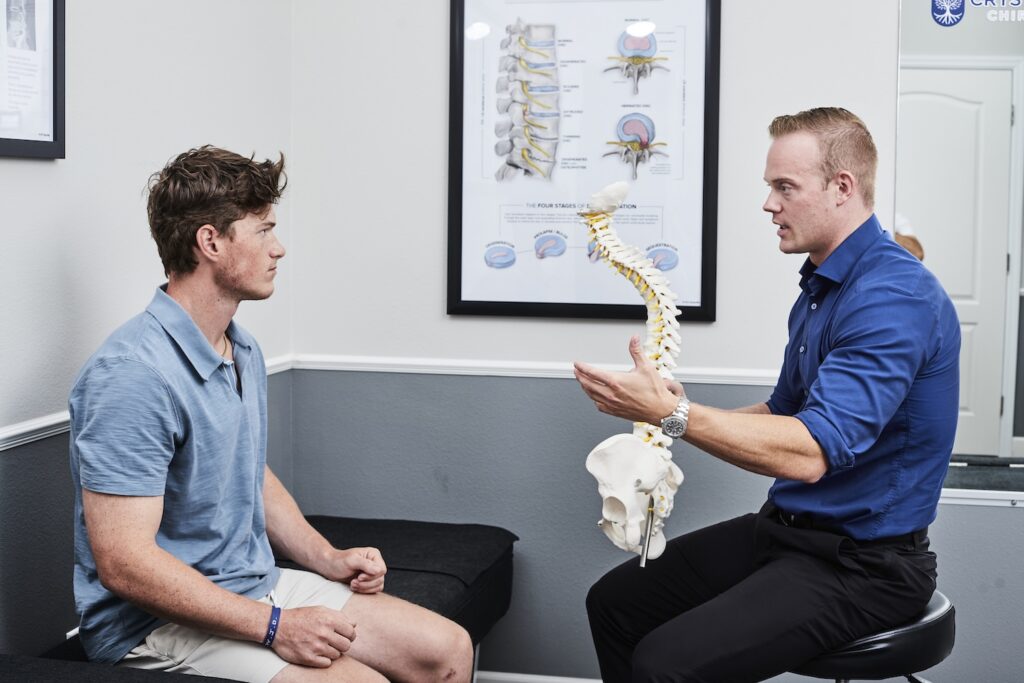
Chiropractic care focuses on aligning the spine and optimizing the nervous system, which can be beneficial in managing migraine symptoms. I'm here to support you on your path to better health.
Lifestyle Modifications
As a local chiropractor dedicated to helping my patients manage chronic migraines, I want to share some lifestyle modifications that can significantly reduce both the frequency and intensity of these debilitating headaches.
First and foremost, establishing a consistent sleep schedule is crucial. Aim for seven to nine hours of quality sleep each night, and try to maintain a regular bedtime and wake-up time. This consistency helps regulate your body's internal clock, which can help prevent migraine triggers.
Next, let's talk about stress. Chronic stress is a known trigger for many individuals suffering from migraines. Incorporating relaxation techniques into your daily routine can be immensely beneficial. Practices like yoga, meditation, or deep-breathing exercises can effectively help manage stress levels.
Even taking short breaks throughout the day to practice mindfulness can lead to noticeable improvements in your overall well-being.
Physical activity also plays a vital role in migraine management. Regular exercise not only boosts your overall health but has been shown to reduce the frequency of migraines. Aim for at least 30 minutes of moderate exercise most days of the week.
Just be cautious not to push yourself too hard, as intense workouts can sometimes trigger migraines.
Lastly, creating a migraine-friendly environment is essential. Ensure your living space is comfortable by minimizing noise and light, both of which can aggravate symptoms.
Consider using blackout curtains to darken your space or white noise machines to create a soothing atmosphere.
Dietary Considerations
As a chiropractor dedicated to helping my patients manage chronic migraines, I want to emphasize the significant role that your diet can play in finding relief.
It's crucial to identify any trigger foods that may exacerbate your symptoms, and I can help guide you through this process.
Additionally, maintaining proper hydration is vital; adequate water intake can significantly influence the frequency and intensity of your migraines.
Trigger Foods to Avoid
As a local chiropractor, I want to share some valuable insights about how your diet can influence your experience with migraines. Many patients may not realize that certain foods can be significant triggers for these debilitating headaches. By making mindful dietary choices, you may find relief from the frequency and intensity of your migraines.
Common trigger foods include aged cheeses, processed meats, and fermented products. These items often contain tyramine, a compound that can provoke headaches in sensitive individuals. Additionally, be aware of foods high in preservatives, such as MSG and nitrates, which are known migraine triggers.
Caffeine and chocolate can be tricky as well; while some people find that small amounts of caffeine help alleviate headaches, others may find that excessive consumption can lead to migraines. Alcohol, especially red wine, can also pose a risk due to its histamine content.
I encourage you to pay attention to how your body reacts after consuming different foods. Keeping a food diary can be a helpful tool in identifying your specific triggers.
Don't forget about artificial sweeteners like aspartame, which have been associated with migraines for some individuals.
Hydration and Migraine Relief
As a local chiropractor dedicated to your overall wellness, I want to emphasize the critical role that hydration plays in managing migraines and enhancing your health. Many people may not realize that dehydration can trigger headaches, which makes it essential to ensure you're consuming enough fluids throughout the day.
A good rule of thumb is to aim for at least eight 8-ounce glasses of water daily, but remember that your specific needs might vary depending on your activity level and the climate you live in.
In addition to drinking water, incorporating hydrating foods into your diet—such as watermelon, cucumbers, and oranges—can significantly increase your fluid intake. It's also wise to limit beverages like caffeine and alcohol, as they can lead to dehydration and may trigger migraine episodes.
If plain water doesn't excite your palate, consider infusing it with slices of lemon or berries for a refreshing twist without added sugars.
I encourage you to keep an eye on your fluid intake, especially during hot weather or when you're active. Having a water bottle nearby can serve as a helpful reminder to drink regularly.
If you do find yourself suffering from a migraine, rehydrating can sometimes reduce the severity of your symptoms or even help prevent future occurrences.
By prioritizing hydration, you're taking an important step in your migraine management plan and supporting your overall health. Remember, chiropractic care can also complement these efforts by addressing any underlying issues that may contribute to your migraines.
Let's work together towards achieving better wellness through natural healing practices!
Natural Remedies
If you're dealing with chronic migraines, let's talk about how chiropractic care and natural remedies can help you find relief without the side effects associated with conventional medication. Many of my patients have discovered that by making certain lifestyle changes and embracing holistic approaches, they can significantly reduce both the frequency and intensity of their migraines.
One natural remedy that has proven effective is the use of essential oils. Lavender and peppermint oils, for example, are known for their calming properties and can help alleviate migraine symptoms. You might consider inhaling these oils directly or diluting them with a carrier oil and applying them to your temples, which can enhance the relaxation response.
Another beneficial approach within chiropractic care is acupuncture. This ancient technique focuses on specific points in the body to help alleviate pain and has been shown to reduce both the severity and frequency of migraines.
Herbal supplements like butterbur and feverfew are also worth integrating into your routine. Research suggests that both can aid in migraine prevention when taken consistently. However, it's crucial to consult with a healthcare provider, such as myself, to ensure that any new supplement is safe and appropriate for you.
Moreover, incorporating relaxation techniques such as yoga, meditation, or deep breathing exercises can be incredibly helpful in managing stress, a common trigger for migraines. Regular physical activity is another important factor, as it enhances overall well-being and decreases the likelihood of migraine episodes.
Lastly, let's not overlook the importance of a consistent sleep schedule. Striving for 7-9 hours of quality sleep each night can make a significant difference, as sleep deprivation is a recognized trigger for many people.
Medical Treatments
If you're struggling with chronic migraines and haven't found relief through natural remedies, it might be time to consider exploring medical treatments, including those offered by chiropractic care.
As a local chiropractor, I want to emphasize that prescription medications can sometimes provide relief, but they often come with side effects and may not address the underlying issues causing your migraines.
Chiropractic care can be an effective alternative or complementary approach. We focus on the alignment of your spine and overall nervous system function, which can play a significant role in reducing the frequency and intensity of migraines.
Additionally, we can discuss lifestyle changes, nutrition, and other holistic options that may enhance your primary care plan.
It's important to find the right combination of treatments that work specifically for you, and I'm here to help guide you on that journey.
Prescription Medications Overview
As a local chiropractor, I want to share some insights on how we can support individuals dealing with chronic migraines through natural healing methods. While prescription medications are a common route for many, there are holistic approaches that can also provide relief and improve overall well-being.
Chronic migraines can be debilitating, and it's important to explore all avenues for relief. While your healthcare provider may suggest various prescription options, you might find that chiropractic care offers a complementary approach. We focus on the alignment of the spine, which can influence overall nervous system function. Misalignments can lead to tension and discomfort, potentially triggering migraine episodes.
In our practice, we often see patients who benefit from adjustments that alleviate tension in the neck and upper back, areas that can contribute to migraine discomfort.
Additionally, we might recommend lifestyle changes, exercises, and stress management techniques to help reduce the frequency and severity of migraines over time.
It's essential to communicate openly about your experiences and any medications you may be taking. We want to work collaboratively with your healthcare provider to ensure a comprehensive approach to your migraine management.
Remember, finding the right combination of therapies can take time, so it's important to be patient and keep an open mind as we explore the best strategies for your unique situation.
If you're struggling with chronic migraines, I encourage you to consider the benefits of chiropractic care as a natural, supportive option in your journey toward relief and wellness.
Alternative Treatment Options
As a local chiropractor, I want to highlight some alternative treatment options for chronic migraines that may provide you with the relief you've been seeking. Many individuals find that these natural methods can enhance traditional medications or even act as effective standalone therapies.
One approach you might consider is acupuncture, which involves the insertion of thin needles into specific points on the body. This ancient practice can help alleviate the frequency and intensity of migraines by promoting better energy flow and relaxation.
Another beneficial technique is biofeedback. This method teaches you how to control certain physiological functions, such as heart rate and muscle tension. By mastering these responses, you may find that you can significantly reduce your migraine symptoms over time.
Additionally, cognitive-behavioral therapy (CBT) can be advantageous in helping you manage the emotional aspects of chronic pain, potentially leading to a decrease in the occurrence of migraines.
Herbal supplements like butterbur and feverfew are also intriguing options to explore, but it's essential to discuss any new supplements with your healthcare provider before starting them.
Furthermore, making dietary changes can have a profound impact on your migraine management. Keeping a food diary may assist you in identifying potential triggers and guide you toward a diet that's more supportive of your health.
Alternative Therapies
As a local chiropractor, I often see individuals seeking relief from chronic migraines who are curious about alternative therapies. These approaches can complement traditional treatments and offer a holistic way to manage migraine pain.
One natural method you might consider is chiropractic care, which focuses on spinal adjustments to enhance your body's function. Many of my patients report a reduction in headache frequency and intensity after receiving targeted spinal adjustments.
In addition to chiropractic care, acupuncture is another alternative therapy that some of my patients have found helpful. This ancient practice involves inserting thin needles into specific points on the body and can assist in alleviating migraine symptoms for many individuals.
Herbal supplements are also worth exploring in your quest for relief. For example, butterbur and feverfew have shown potential in studies for reducing the number of migraines experienced. However, it's always important to consult with your healthcare provider before starting any new supplement to ensure it's safe and appropriate for you.
Another technique that can empower you in managing your migraines is biofeedback therapy. This method teaches you how to control physiological functions like heart rate and muscle tension, allowing you to identify triggers and effectively manage pain.
Many of my patients find that developing this awareness gives them greater control over their migraine episodes.
Lastly, essential oils such as lavender and peppermint are popular among those seeking natural relief. These oils are often used for their calming effects, whether through inhalation or topical application.
Remember, while these alternative therapies can be beneficial, they're most effective when integrated into a comprehensive treatment plan tailored to your specific needs.
I encourage you to maintain open communication with your healthcare provider as you explore these natural healing options. Together, we can work toward finding the best strategies to help you manage your migraines effectively.
Stress Management Techniques
As a local chiropractor, I want to share the importance of effective stress management, especially for those of you who may be dealing with chronic migraines. Many individuals are unaware that stress is a common trigger for these intense headaches, and by integrating stress reduction techniques into your daily life, you may reduce the frequency and severity of your migraine attacks.
One of the simplest yet most effective methods is deep breathing exercises. When you notice tension building, take a moment to focus on your breath. Inhale deeply through your nose, hold it for a few seconds, and then exhale slowly through your mouth. This practice not only grounds you but also helps to alleviate anxiety, making it a wonderful tool for anyone experiencing stress.
Additionally, I encourage you to explore mindfulness or meditation. Just a few minutes each day spent in a quiet space, focusing on your thoughts and feelings without judgment, can significantly lower your stress levels. If you're new to meditation, there are many apps available that can guide you through the process, making it easier to incorporate into your routine.
Physical activity is another vital component of stress relief that I often recommend to my patients. Aim for at least 30 minutes of moderate exercise most days of the week. Whether it's walking, swimming, or practicing yoga, engaging in physical activity can release endorphins—our body's natural mood enhancers—which can help you manage stress more effectively.
Lastly, I can't stress enough the importance of social support. Connecting with friends and family provides emotional relief and can be incredibly therapeutic. Share your experiences and feelings, or simply enjoy their company; it can make a world of difference in how you cope with stress and its related symptoms.
Incorporating these techniques alongside chiropractic care can create a holistic approach to managing not only your migraines but overall well-being. Remember, your health journey is a partnership, and I'm here to support you every step of the way.
Tracking Triggers
As a local chiropractor dedicated to holistic health and natural healing, I want to share how tracking your migraine triggers can significantly enhance your understanding and management of chronic migraines. Identifying the factors that provoke your migraines is crucial for effective care.
I recommend starting with a detailed diary to monitor your symptoms. Record the date, time, and severity of each headache, and note any potential triggers you suspect, such as specific foods, weather changes, stress levels, or sleep patterns.
To make this process easier, consider categorizing your triggers. For example, you might've a section dedicated to dietary triggers—like caffeine, alcohol, or aged cheeses. Additionally, keep track of environmental factors, such as exposure to bright lights or strong odors. This organization will help you identify patterns over time.
It's also important to document your emotional state. Stress and anxiety can significantly contribute to migraines, so take note of how you felt before an episode. You may be surprised at how often emotional factors play a role.
After gathering sufficient data, analyze it to identify which triggers are most frequently linked to your migraines. With this information, we can work together to make informed changes.
If you discover specific foods that consistently lead to migraines, we can explore alternatives or elimination strategies. If stress stands out as a major trigger, I can guide you through relaxation techniques, such as chiropractic adjustments, meditation, or deep-breathing exercises, to help alleviate tension and promote overall well-being.
Support Systems
As a local chiropractor, I understand that dealing with chronic migraines can be a challenging experience. After identifying your migraine triggers, the next step is to build a strong support system that can aid in your journey towards relief. Living with chronic migraines can often feel isolating, but surrounding yourself with people who comprehend your struggles can make a significant difference in your quality of life.
Start by reaching out to family and friends. Share your experiences with them and educate them about how migraines affect you. This understanding fosters empathy and allows your loved ones to better support you during difficult times.
Consider also joining a local or online support group. Engaging with others who face similar challenges can provide a sense of community and connection. In these groups, you can share experiences, coping strategies, and tips that have worked for you. It's a safe space to express your feelings and find comfort among those who truly get it.
Incorporating healthcare professionals into your support system is crucial. Regular visits to a chiropractor can offer you alternative treatments that may alleviate your migraines. Chiropractic care focuses on the relationship between the spine and the nervous system, and many patients have found relief through spinal adjustments and holistic approaches to health.
I encourage you to discuss your migraines with me during your visits, as I can provide tailored insights and recommendations that cater to your unique needs. If necessary, I can also refer you to therapists who specialize in chronic pain management.
Lastly, consider involving your workplace if possible. Communicating with your employer about your condition can lead to reasonable accommodations that help you manage your workload during migraine episodes.
Building a robust support system that includes friends, family, healthcare professionals, and even your workplace can empower you to navigate your migraines more effectively. Remember, you aren't alone in this journey, and seeking the right support is an essential step toward finding relief and improving your overall well-being.
As your chiropractor, I'm here to guide you through this process and help you discover natural healing methods that work for you.
Conclusion
As your local chiropractor, I want to emphasize that managing chronic migraines involves a holistic approach that can be tailored to your individual needs. By incorporating lifestyle changes, being conscious of your dietary choices, and exploring natural remedies, many patients find significant relief from their symptoms. It's essential to collaborate with healthcare professionals, including myself, to develop a personalized treatment plan that fits your lifestyle.
In addition to chiropractic adjustments, I encourage the incorporation of stress management techniques and the tracking of your migraine triggers. These strategies can greatly enhance your overall quality of life. Remember, you don't have to navigate this journey alone—building a supportive network can be incredibly beneficial. Together, we can work towards finding the best solutions for you.