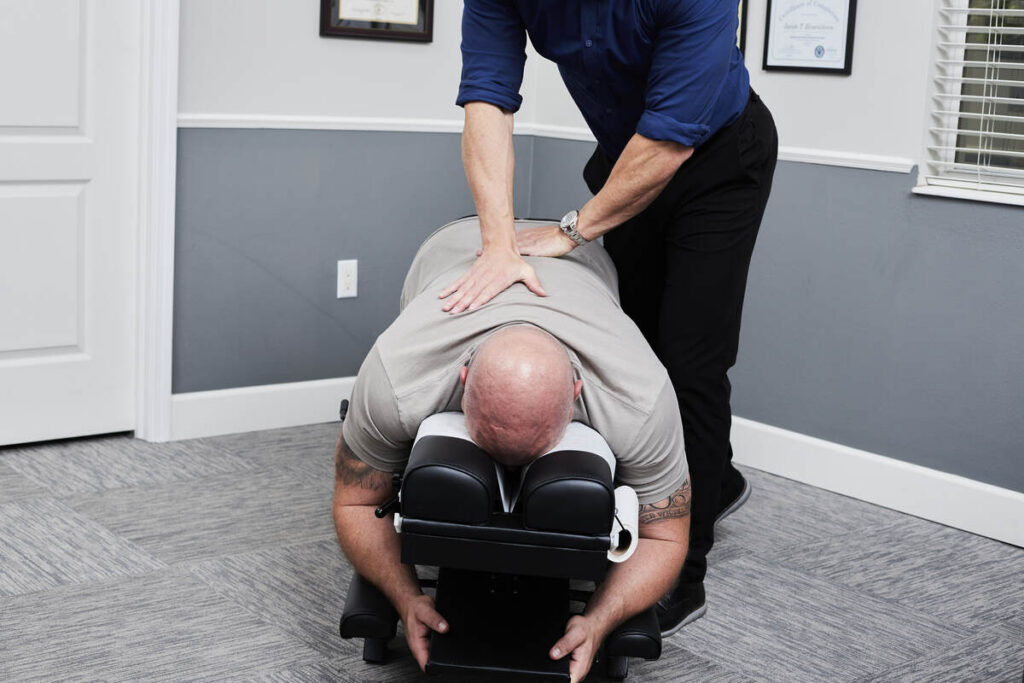

As a local chiropractor, I want to emphasize the crucial role that posture plays in your overall health and wellness. Many people may not be aware that poor posture can lead to a variety of health issues, including chronic pain, fatigue, and even mood disturbances. The good news is that by making some simple adjustments to your daily habits and integrating specific exercises into your lifestyle, you can experience remarkable improvements in your posture and, consequently, your well-being.
So, how can you start correcting your posture and enhancing your health? Let me share some insights that can help guide you on this journey. With the right knowledge and tools, you can take proactive steps towards better posture and a healthier life.
Understanding Posture and Its Importance
As a chiropractor, I want to emphasize how crucial good posture is for your overall health. It affects everything from spinal alignment to your breathing, and when you maintain proper posture, your body can function optimally. This often results in increased energy levels and decreased fatigue. You may not realize it, but the way you hold your body significantly impacts how your muscles, joints, and ligaments work together. By standing or sitting correctly, you can distribute your weight evenly, preventing unnecessary strain and discomfort.
It's important to understand that posture comes in two forms: static and dynamic. Static posture refers to how you hold yourself when you're at rest, while dynamic posture pertains to your movements during activities. Both are important; poor static posture can lead to discomfort that affects your dynamic movements. You may find yourself slumping at your desk or leaning in awkward positions while using your phone, which can contribute to long-term health issues.
Moreover, maintaining good posture can boost your self-confidence and improve your mood. When you stand tall and engage your core, not only do you appear more confident, but you also feel it internally. This positive change can enhance your interactions with others, fostering better relationships both personally and professionally.
I encourage you to incorporate posture awareness into your daily life. Simple adjustments—such as keeping your shoulders back and aligning your head over your spine—can make a remarkable difference. The more mindful you're of your posture, the more natural it will become, ultimately leading to lasting benefits for your overall health and well-being.
As your chiropractor, I'm here to guide you on this journey to better posture and improved health.
Common Causes of Poor Posture
As a local chiropractor, I want to share with you some common causes of poor posture that I often see in my practice. Understanding these factors can help you make effective changes and improve your overall well-being.
One significant contributor to poor posture is prolonged sitting. Many people find themselves hunched over a computer or slouched on a couch for extended periods. This can weaken your core muscles and lead to misalignment in your spine.
If you work at a desk, it's easy to get caught in the habit of leaning forward or craning your neck, which places extra strain on your back.
Another issue I frequently encounter is the use of smartphones and tablets. Many of us spend hours looking down at our devices, leading to a condition known as "tech neck." This awkward posture can result in discomfort and long-term complications if not addressed properly.
Additionally, the way we carry our bags can impact our posture. Heavy backpacks or shoulder bags, particularly when carrying more weight on one side, can create muscle imbalances and contribute to uneven posture over time.
Lack of exercise is another factor that can lead to poor posture. Weak muscles, especially those in the back and abdomen, are unable to provide the necessary support for your spine.
On the flip side, tight muscles can restrict your movement, leading to awkward positions that further exacerbate the problem.
Lastly, stress can significantly affect your posture. When you're feeling anxious or tense, it's common to unconsciously tighten your shoulders or arch your back.
Being aware of these stress-related habits is crucial in addressing your posture and enhancing your overall health.
By recognizing these common causes of poor posture, you can start to implement positive changes. As a chiropractor, I'm here to guide you through this journey toward better posture and improved health.
Together, we can work on strategies that promote a healthier, more aligned body.
Signs and Symptoms of Bad Posture
As a local chiropractor, I often see the physical signs of bad posture in my patients. Common indicators include back pain and tension in the shoulders, which can significantly impact your daily life.
Even simple tasks can become difficult when your body is misaligned. It's important to understand that poor posture doesn't just affect your physical health; it can also take a toll on your mental and emotional well-being.
Many people experience heightened stress and a dip in confidence levels due to these postural issues. By addressing your posture, we can help alleviate these problems and improve your overall quality of life through natural healing methods.
Common Physical Indicators
As a chiropractor, I often see patients who are unaware of the gradual signs of bad posture that can develop over time. Many individuals may not realize that the discomfort they're experiencing in their neck, back, or shoulders is a signal that their posture requires attention.
If you notice yourself slouching or leaning forward frequently, it could be contributing to tension headaches or feelings of fatigue, as your muscles are working harder to support your body in these positions.
You might also find that your shoulders are rounding or that there's an exaggerated curve in your lower back—these are clear signs of muscular imbalances that need to be addressed.
If you regularly feel stiff after sitting for extended periods, this is your body's way of responding to poor alignment, which can affect your overall well-being. You may even notice that your balance feels off or that your movements seem less fluid than they should be.
Other common indicators of poor posture include crossing your legs often or shifting your weight unevenly while standing, which can lead to further complications down the road.
If you recognize any of these signs, it's crucial to take action. Ignoring these physical indicators can lead to more serious issues in the future, so it's important to listen to your body and seek guidance.
Chiropractic care offers a natural approach to help restore your body's alignment and improve your posture, ultimately enhancing your overall health. Your body deserves attention and care—let's work together to maintain a healthy posture.
Impact on Daily Activities
As a chiropractor, I want to emphasize how crucial good posture is for your overall well-being and daily activities. Many people don't realize that poor posture can significantly impact how you feel and function throughout the day.
When you slouch or hunch over, it places unnecessary strain on your muscles and joints. You might find that routine activities, such as sitting at your desk, cooking, or even walking, become more difficult and uncomfortable.
This discomfort can lead to fatigue, making it challenging to stay focused on your work or enjoy your hobbies. You may catch yourself frequently adjusting your position, which can decrease your productivity.
Persistent neck or back pain can also disrupt your sleep quality, leaving you feeling tired and less motivated to take on your daily tasks.
Moreover, poor posture can restrict your lung capacity, making it harder to breathe deeply during physical activities, which can limit your ability to exercise effectively. You might also experience challenges with balance and coordination due to muscle fatigue, increasing your risk of falls or injuries.
Being aware of how bad posture affects your life is essential. By recognizing these signs and symptoms, you can take proactive steps to improve your posture.
As your chiropractor, I encourage you to prioritize your posture, as it's a key element for achieving better overall health and an active lifestyle. Together, we can work on strategies to enhance your posture and support your natural healing journey.
Mental and Emotional Effects
As a local Chiropractor, I often see the impact that poor posture can have on not just physical health, but mental and emotional well-being as well. Many individuals may not connect the dots between their body alignment and their mental state, yet the relationship is quite significant.
When you slouch or hunch your shoulders, it can lead to more than just physical discomfort; it can affect your mind too. You might experience increased anxiety, negative thought patterns, and a dip in your overall mood and self-esteem.
Here are some signs to consider that may indicate poor posture is influencing your mental health:
- Heightened feelings of anxiety and stress
- A noticeable decline in self-confidence and self-worth
- Challenges with concentration or maintaining focus
- Increased sadness or irritability
By understanding how your body language affects your emotional state, you can take proactive steps to improve both. Correcting your posture not only benefits your physical health but can also uplift your mood and enhance your mental clarity.
I've seen many patients experience a boost in their sense of empowerment and a reduction in negative emotions simply by standing tall and adopting better posture.
As you become more aware of your body alignment, I encourage you to take charge of your posture. It's a simple yet powerful method to enhance your mental and emotional well-being.
Let's work together to improve your posture, and you'll likely notice a positive transformation in your mindset!
Benefits of Correcting Posture
As your local chiropractor, I want to emphasize the importance of correcting your posture for your overall health.
When you align your body properly, you can experience significant improvements in your physical well-being and energy levels.
Many of my patients report enhanced mental focus as well, as a well-aligned body promotes clearer thinking.
By making some simple adjustments to your posture, you can greatly enhance your health and productivity.
Enhanced Physical Well-being
As your local chiropractor, I want to emphasize how prioritizing good posture can significantly enhance your overall physical well-being. When you align your body correctly, you open the door to numerous benefits that support a healthier, more active lifestyle.
By correcting your posture, you can reduce the strain on your muscles and joints, allowing for freer movement and less discomfort.
Here are some emotional and physical benefits you might experience by focusing on your posture:
- Increased energy levels: Maintaining proper posture facilitates better breathing, which means your body gets more oxygen. This can lead to increased energy levels throughout your day.
- Reduced pain: By alleviating tension in areas like your back, neck, and shoulders, you can significantly lessen chronic pain that may be affecting your quality of life.
- Enhanced mobility: A properly aligned body enables smoother and more efficient movements, making everyday activities easier and more enjoyable.
- Boosted confidence: Standing tall not only improves your physical presence but also positively impacts your self-image and how others perceive you.
At our chiropractic practice, we're dedicated to helping you achieve and maintain optimal posture, which in turn can lead to a healthier, happier you.
Let's guide you on this journey to better health through natural healing and proper alignment.
Improved Mental Focus
As a local chiropractor, I want to share how good posture can significantly enhance not only your physical well-being but also your mental clarity. When you maintain an upright position, you're not just aligning your spine; you're also facilitating improved blood circulation and oxygen flow to your brain. This boost in oxygen supply can lead to better cognitive function, making it easier for you to concentrate and absorb information.
By focusing on correcting your posture, you can alleviate discomfort and distractions that often hinder your ability to focus. When your body feels good and is positioned correctly, you're less inclined to fidget or change positions frequently. This stability allows you to fully engage in your tasks, resulting in heightened productivity and sharper mental clarity.
Moreover, good posture can enhance your confidence. When you carry yourself well, you naturally feel more self-assured, which encourages you to be more engaged with your work and tackle challenges more effectively. This positive mindset further supports your capacity to concentrate.
Incorporating posture correction techniques into your daily life can profoundly influence your mental focus. Simple adjustments to your workstation or practicing mindful body movements can make a significant difference. Every small change is a step toward achieving a sharper, more focused mind.
Practical Tips for Daily Posture
As a local chiropractor, I want to emphasize the importance of maintaining proper posture for your overall health and well-being. Many people are unaware that small changes in your daily habits can lead to significant improvements in how you feel.
Whether you're at work, home, or out and about, being conscious of your posture is essential. Here are some practical tips that you can easily integrate into your daily routine:
- Set reminders: Consider using your phone or computer to send you reminders every hour to check in on your posture. This simple prompt can have a profound impact on your spinal alignment and comfort.
- Create an ergonomic workspace: It's crucial to adjust your chair, desk, and computer screen to set up a workspace that supports good posture. A well-designed environment encourages you to sit up straight, which can reduce strain on your back and neck.
- Practice mindful standing: Whether you're waiting in line or having a conversation, take a moment to focus on standing tall. Distributing your weight evenly on both feet helps prevent slouching and promotes better alignment.
- Limit screen time: Extended periods of screen use can lead to poor posture, often resulting in discomfort. Make it a habit to take regular breaks to stretch and reposition yourself, allowing your body to reset and maintain proper alignment.
By incorporating these tips into your daily life, you can support your spine's health and enhance your overall well-being.
Exercises to Improve Posture
As a local chiropractor, I want to emphasize how incorporating specific exercises into your daily routine can significantly enhance your posture and overall well-being. By focusing on strengthening your core, back, and shoulder muscles, you can build a solid foundation that supports proper alignment throughout your day-to-day activities.
Let's start with planks, which are fantastic for engaging your entire core. Aim to hold a plank position for 30 seconds to a minute, ensuring that your body maintains a straight line from head to heels. As you gain strength, gradually increase the duration of your holds.
Another great exercise is the wall angel. Position yourself with your back against a wall and your arms bent at 90 degrees. As you slide your arms up and down the wall, be sure to keep your elbows and wrists in contact with the surface. This movement not only opens your chest but also strengthens your upper back, which is crucial for good posture.
I also recommend incorporating cat-cow stretches into your routine. Begin on all fours and alternate between arching your back like a cat and lowering your belly while lifting your head like a cow. Aim for 10 repetitions of this flow to enhance flexibility and relieve tension.
Bridges are another excellent exercise to consider. Lie on your back with your knees bent and lift your hips towards the ceiling, squeezing your glutes at the top. This not only strengthens your glutes but also helps stabilize your pelvis, which is essential for proper alignment.
Lastly, don't overlook shoulder blade squeezes. Whether sitting or standing, pull your shoulder blades back and down, holding this position for five seconds. Repeat this movement 10 times to help reinforce proper shoulder alignment.
By consistently practicing these exercises, you can develop a stronger posture and alleviate discomfort that may arise from poor alignment.
As your chiropractor, I'm here to guide you on this journey to better health through natural healing and proper body mechanics.
Ergonomic Workstation Setup
As a chiropractor dedicated to helping you achieve optimal health, I want to share how creating an ergonomic workstation can significantly enhance your posture and overall productivity.
When your workspace is properly set up, it can alleviate discomfort and sharpen your focus, making it easier for you to engage in your daily activities without unnecessary strain.
Here are some key recommendations for establishing an ergonomic workstation:
- Chair Selection: Invest in a chair that provides adequate support for your lower back. It's important that your feet rest flat on the floor. An adjustable chair is particularly beneficial, as it allows you to find a height that suits your body perfectly.
- Desk Height: Ensure your desk is positioned at elbow height while you're seated. This alignment keeps your arms parallel to the ground, which helps prevent strain in your shoulders and wrists, ultimately reducing the risk of developing musculoskeletal issues.
- Monitor Position: Your monitor should be at eye level and approximately an arm's length away. This arrangement promotes a neutral neck position, which can help you avoid leaning forward or looking down excessively, reducing tension in your neck and upper back.
- Keyboard and Mouse Placement: Keep your keyboard and mouse within easy reach, so you can use them comfortably without having to stretch. It's crucial that your wrists remain straight, and your hands should be poised just above the keyboard to minimize strain.
By following these ergonomic principles, you can create a workspace that not only supports your physical health but also enhances your productivity.
If you have any questions or concerns about your posture or how your workstation may be affecting your well-being, don't hesitate to reach out for guidance. Your health is our priority!
Stretching Techniques for Relief
As a chiropractor, I want to emphasize the importance of stretching as a natural method for relieving tension and enhancing flexibility, particularly after spending long hours at your ergonomic workstation.
Many of you may not realize that prolonged sitting can lead to tightness in areas like your neck, shoulders, and back. By incorporating simple stretching techniques into your daily routine, you can alleviate discomfort and maintain better mobility.
Let's start with some effective neck stretches. Gently tilt your head to one side, bringing your ear toward your shoulder. Hold this position for 15-30 seconds, then switch to the other side. This simple movement can significantly relieve tension in your neck and upper shoulders.
Next, I recommend shoulder rolls. Raise your shoulders toward your ears, then roll them back and down. Repeat this motion 5-10 times. This exercise is excellent for releasing tightness that builds up from extended periods of sitting.
For your back, consider incorporating a seated twist. While sitting comfortably, place your right hand on the back of your chair and gently twist your torso to the right. Hold this position for 15-30 seconds before repeating on the left side. This stretch can enhance spinal mobility and alleviate discomfort.
Lastly, don't overlook your hips. Stand up and take a step back with one foot while keeping your front knee bent. Lean into this stretch for 15-30 seconds on each side. It's an effective way to counteract the negative effects of prolonged sitting.
By integrating these stretching techniques into your routine, you're taking an important step towards supporting your body's natural healing processes and improving your overall well-being.
Maintaining Good Posture Long-Term
Maintaining good posture over the long term is essential for your overall health and well-being, and as your chiropractor, I want to help you understand how to achieve this.
It's common for people to revert to poor posture habits without even realizing it, but with some conscious effort and awareness, you can make a significant and lasting change.
First and foremost, it's important to be aware of your body alignment in all aspects of your daily life—whether you're working at your desk, standing in line, or taking a walk. Regularly checking in with your posture can help you identify when you start to slouch or hold tension in your body.
Here are some tips to assist you in staying committed to your posture improvement journey:
- Set reminders: Consider using your phone or placing sticky notes in visible areas as gentle reminders to correct your posture throughout the day. This can help you develop a habit of maintaining proper alignment.
- Invest in ergonomic furniture: Your comfort is important, so I recommend choosing a chair and desk designed to promote good posture. Ergonomic furniture can significantly reduce strain on your body during prolonged sitting or standing.
- Engage in strengthening exercises: Focus on exercises that target your core and back muscles, as these are crucial for supporting your spine. A strong foundation can help you maintain better posture naturally.
- Practice mindfulness: Incorporating practices such as breathing exercises or yoga can enhance your body awareness and help reduce tension. Mindfulness can play a key role in recognizing and correcting poor posture habits.
As your chiropractor, I'm here to guide you on this journey to better posture and overall health.
If you have any questions or need personalized advice, don't hesitate to reach out. Together, we can work towards a healthier, more aligned you!
Conclusion
As your local chiropractor, I want to emphasize the significant impact that good posture can have on your overall health and well-being. Many people may not realize the importance of maintaining proper posture, and they might not recognize the signs of poor posture until it leads to discomfort or pain.
By incorporating good posture into your daily routine, you can take proactive steps to enhance your health. I encourage you to embrace exercises specifically designed to strengthen your core and back muscles, set up an ergonomic workspace, and practice stretching techniques that promote flexibility. These practical strategies can make a world of difference.
Consistency is vital when it comes to making lasting changes. By prioritizing posture correction, you can experience increased energy levels, reduced pain, and an overall boost in confidence. Remember, your body is your greatest asset, and by taking care of it through proper alignment, you'll be doing it a great service. Let's work together to make posture a priority in your life!