As your local chiropractor, I want to share an important insight that many may overlook: your posture plays a crucial role in your overall health. Poor posture can lead to discomfort, fatigue, and even long-term health complications. By adopting correct sitting and standing habits, you can significantly improve your breathing, digestion, and overall well-being.
So, how can you enhance your posture and enjoy these health benefits? The good news is that there are simple adjustments and exercises that can create a remarkable difference in your daily life. As we delve into some effective strategies, you'll not only feel better but also function more optimally each day. Let's work together to transform your posture and, in turn, your health!
Understanding Posture Basics
As a local chiropractor, I want to help you understand the essential role that posture plays in your overall health and well-being. Good posture goes beyond just standing tall; it's about aligning your body in a way that supports your musculoskeletal system. When your spine is properly aligned, you reduce strain on your muscles and joints, which can enhance your physical performance and alleviate discomfort.
You may not be aware, but your posture also significantly impacts your breathing and digestion. When you slouch, your diaphragm is restricted, making it harder to take deep breaths. This can lead to decreased oxygen flow, resulting in feelings of fatigue or anxiety.
Additionally, poor posture can compress your internal organs, negatively affecting digestion and your overall energy levels.
To maintain good posture, it's crucial to stay aware of your body's position throughout the day. Whether you're sitting at a desk, standing in line, or lifting objects, strive for a neutral spine. This means keeping your ears, shoulders, and hips aligned.
Strengthening your core muscles is also vital, as they play a key role in supporting your spine and sustaining proper posture.
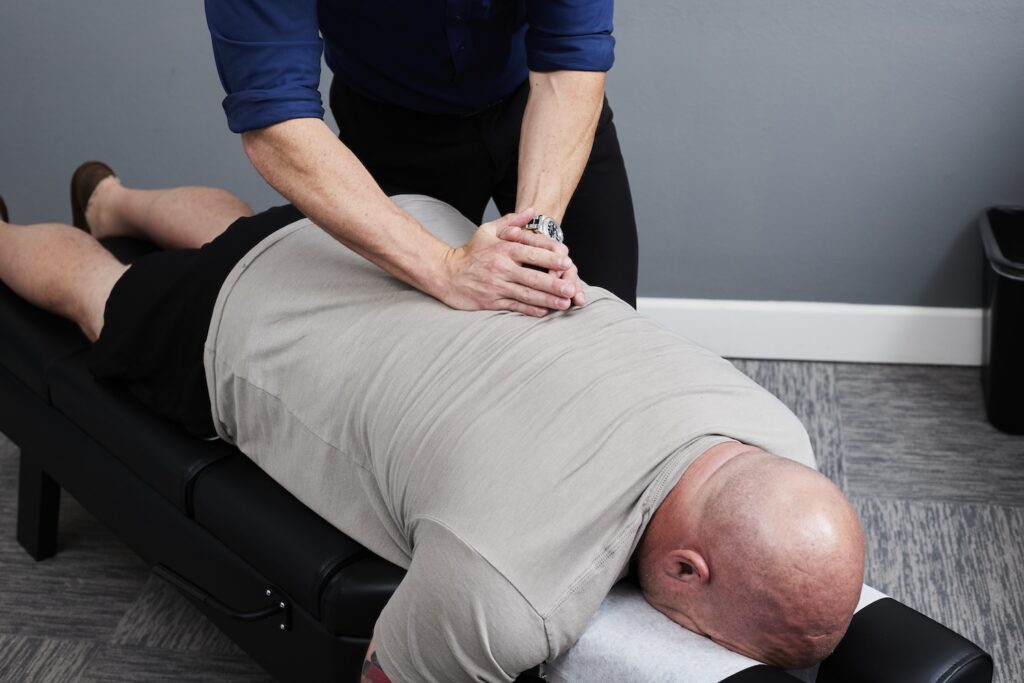
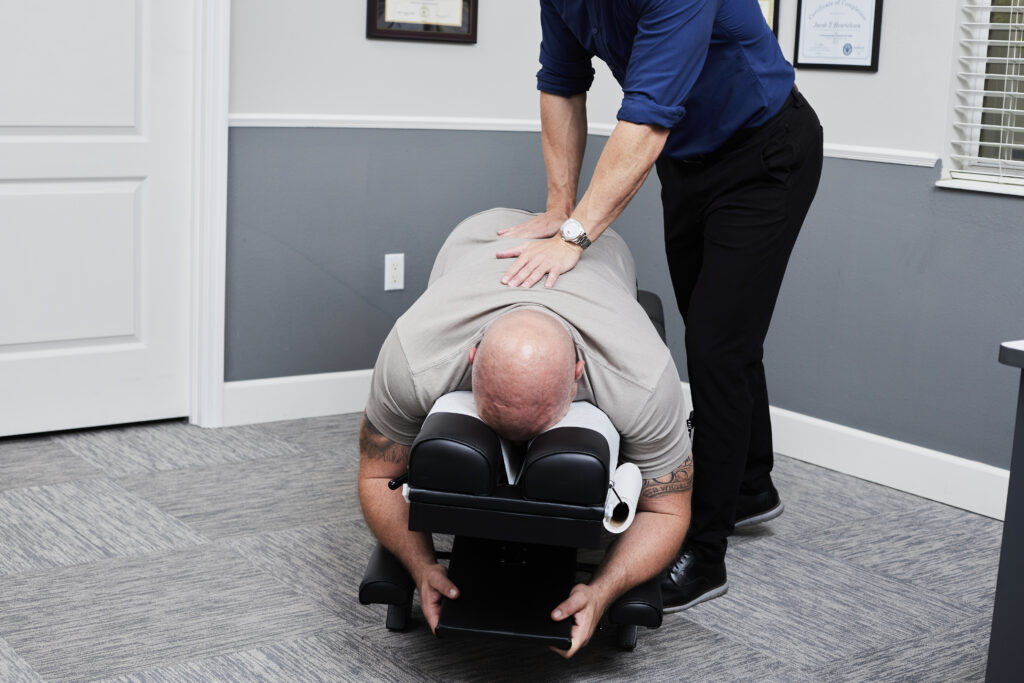
At our practice, we focus on natural healing methods to help you achieve and maintain good posture. By understanding and adjusting your posture, you can improve not only your physical health but your overall quality of life as well.
Let's work together to make posture a priority in your daily routine!
Common Posture Problems
As a local chiropractor, I often see patients who struggle with common posture problems that can lead to discomfort and health issues over time. One of the most prevalent issues I encounter is slouching. This typically happens when people sit for long periods, especially at a desk. You might find yourself leaning forward, which causes your shoulders to hunch and your spine to curve inappropriately. This position not only feels uncomfortable but also puts unnecessary strain on your back muscles, leading to pain and tension.
Another issue I frequently address is forward head posture. This occurs when your head juts out in front of your body rather than aligning with your spine. It's often a result of prolonged screen time, whether you're working on a computer or looking at your phone. You may start to notice tension building up in your neck and shoulders as a consequence.
Rounded shoulders are also a common concern that I see alongside slouching. When your shoulders roll forward, it can create muscular imbalances and discomfort.
Additionally, standing with your hips tilted too far forward or backward can disrupt weight distribution, which can contribute to lower back pain.
Lastly, many individuals have a tendency to lock their knees when standing. This habit can lead to muscle fatigue and restrict blood flow, which can exacerbate discomfort.
By recognizing these common posture problems in your daily life, you can take proactive steps to improve your posture and overall well-being. Simple adjustments, like being mindful of your alignment and incorporating regular breaks into your routine, can make a significant difference.
As a chiropractor, I encourage you to prioritize your posture for a healthier, pain-free life.
Health Impacts of Poor Posture
As a local chiropractor, I want to share with you the significant health impacts of poor posture that you mightn't be aware of. When your posture is misaligned, it can lead to chronic pain that makes even the simplest tasks feel daunting. This discomfort can become a part of your daily life, affecting your overall well-being.
Moreover, poor posture can disrupt your digestive system, leading to uncomfortable symptoms and additional health issues that may arise as a result. It's essential to recognize that your physical alignment has a direct impact on how your body functions.
Additionally, I want to highlight the connection between posture and mental health. Research has shown that maintaining poor posture can contribute to increased feelings of stress and anxiety. By improving your posture through chiropractic care, you can't only alleviate physical pain but also enhance your mental well-being.
At our practice, we focus on natural healing methods to help you achieve and maintain proper posture, which can ultimately lead to a healthier, more balanced life.
I'm here to guide you on this journey towards better health and wellness.
Chronic Pain Issues
Chronic pain is a common issue that often stems from neglecting proper posture over time. Many of us have developed habits like slouching at our desks or leaning forward while using our phones. These seemingly harmless behaviors can lead to muscle imbalances and strain, resulting in discomfort that may become a constant part of your daily life.
When your spine is misaligned, the muscles and ligaments around it have to work harder, which can manifest as pain in your back, neck, and shoulders. You might also find that poor posture contributes to tension headaches and feelings of fatigue.
As your body tries to adjust to misalignment, it can lead to stiffness and inflammation, making even simple daily activities feel burdensome. Ignoring these symptoms often worsens the situation rather than improving it.
As a chiropractor, I want to emphasize the importance of correcting your posture to help alleviate chronic pain. Simple changes such as sitting up straight and ensuring your workspace is ergonomic can have a profound impact on your overall well-being.
Additionally, incorporating stretching and strengthening exercises into your routine can support your muscles and enhance your spinal alignment. By taking these proactive steps, you can't only alleviate pain but also embrace a healthier, more comfortable lifestyle.
Digestive System Disruption
As a local Chiropractor, I want to share some important insights about how your posture can significantly impact not just your muscles and joints, but also your digestive system.
Many people don't realize that when you slouch or hunch over, you're compressing your abdominal organs. This compression makes it more challenging for your digestive system to function properly, which can lead to uncomfortable issues like heartburn, bloating, and constipation.
Your posture plays a vital role in your body's ability to process food and absorb nutrients. In a slouched position, your diaphragm has less room to expand, which can affect your breathing and, in turn, your digestion.
When your body is cramped, your digestive organs can become restricted, which hampers their efficiency. By improving your posture, you can create more space for these organs to work effectively, allowing your body to function at its best.
Incorporating good posture practices into your daily routine can be a simple yet powerful way to support your overall health and well-being.
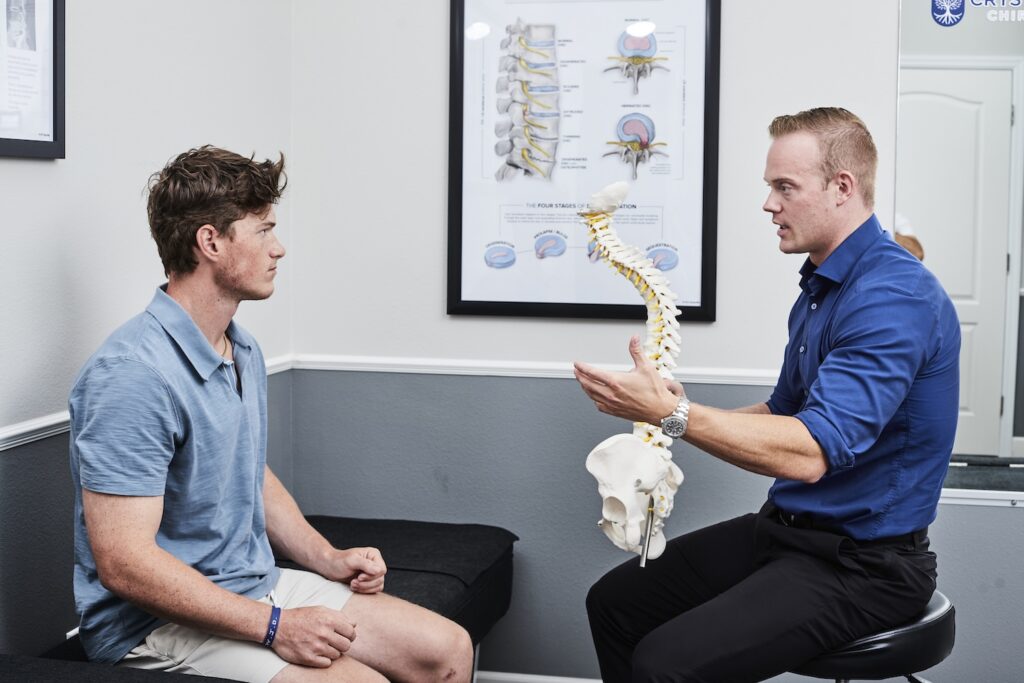
If you're interested in learning more about how chiropractic care can help improve your posture and support your digestive health, I'm here to guide you on that journey!
Mental Health Effects
As a local chiropractor, I want to share with you how your posture can significantly influence not only your physical health but also your mental well-being. Many people don't realize that when you slouch or hunch over, it can contribute to feelings of fatigue, stress, and even depression.
Poor posture doesn't just affect your spine; it can sap your energy levels and diminish your confidence, which may impact your daily interactions and overall quality of life.
Research has shown that maintaining an upright posture can enhance your mood and self-esteem. By simply correcting your posture, you're sending positive signals to your brain, indicating that you're alert and prepared to face whatever challenges come your way.
This small adjustment can lead to greater focus and productivity, helping you manage stress and anxiety more effectively.
Additionally, good posture allows your body to breathe more efficiently. When you stand or sit up straight, you enable deeper breathing, which increases oxygen flow to your brain.
This boost can enhance your mental clarity and help you feel more relaxed. I encourage you to be mindful of your posture throughout the day. By consciously aligning your body correctly, you may notice an improvement in your mental outlook alongside your physical health.
Embrace the connection between posture and mental well-being; it's a powerful and natural tool that you can utilize every day.
If you have questions or need guidance on how to achieve better posture, don't hesitate to reach out. I'm here to help you on your journey to better health!
Benefits of Good Posture
As a local chiropractor, I want to share with you the incredible benefits of maintaining good posture and how it can significantly enhance your overall health and well-being.
It's not merely about looking confident; it plays a crucial role in both your physical and mental health. When you practice good posture, your spine is properly aligned, which reduces strain on your muscles and joints. This alignment can help prevent common discomforts in your back, neck, and shoulders, which many of my patients experience due to slouching or hunching over.
One of the surprising benefits of good posture is its positive effect on your breathing. When you sit or stand upright, your lungs have more space to expand, allowing for deeper, more efficient breaths. This increased oxygen intake not only boosts your energy levels but also enhances your concentration, helping you feel more alert throughout the day.
Good posture also plays a significant role in digestion. When you slouch, you compress your internal organs, which can disrupt their function. Maintaining proper alignment encourages better digestion and nutrient absorption, ultimately contributing to improved overall health.
Moreover, adopting good posture can have a profound impact on your self-esteem. Standing tall can elevate your confidence and assertiveness. Research indicates that a powerful posture can enhance your mood and reduce feelings of stress or anxiety—something I often discuss with my patients during consultations.
Lastly, good posture is vital for enhancing athletic performance. Whether you're running, lifting weights, or engaging in any sport, proper alignment allows for more efficient movement and reduces the risk of injury.
Incorporating good posture into your daily routine can lead to significant improvements in your quality of life. As your chiropractor, I encourage you to prioritize your posture—it's a simple yet powerful step towards better health and wellness that everyone can benefit from.
Tips for Improving Posture
As your local chiropractor, I'm here to help you understand how you can effectively improve your posture and enjoy the multitude of benefits that come with it. By making a few simple adjustments in your daily routine, you can experience significant improvements in your overall well-being.
Here are some practical tips that I encourage you to incorporate into your life:
- Optimize Your Workspace: It's crucial to set up your chair and desk in a way that supports optimal posture. Ensure that your feet are flat on the floor, and your computer screen is at eye level. This setup helps prevent slouching and promotes proper spinal alignment, which is essential for reducing discomfort and enhancing productivity.
- Stay Mindful of Your Posture: Throughout your day, make it a habit to check in with your posture. You can set reminders on your phone or place sticky notes in visible areas to prompt you to straighten up. Being aware of your posture is key, especially when you're focused on tasks, as it's easy to slip into poor habits.
- Strengthen Your Core: While I won't delve into specific exercises here, it's important to recognize that a strong core plays a vital role in supporting good posture. Engaging your abdominal muscles helps keep your spine properly aligned, making it easier for you to maintain an upright position throughout the day.
By implementing these tips, you can take proactive steps toward better posture, which can lead to enhanced comfort and overall health.
If you have any questions or would like to learn more about how chiropractic care can further support your journey to improved posture, feel free to reach out!
Exercises for Posture Correction
As a local chiropractor, I want to emphasize that improving your posture goes beyond just being aware of how you sit or stand; it involves incorporating specific exercises into your daily routine.
These exercises are designed to strengthen the muscles that support your spine and promote proper alignment, which are crucial for your overall health.
Let's start with a great exercise known as the wall angel. Stand with your back against a wall, positioning your feet a few inches away. Make sure to press your lower back, shoulders, and head against the wall.
Raise your arms to create a "W" shape, then slowly glide them up to form a "Y." Repeat this ten times. This exercise effectively engages your upper back and helps open up your chest, encouraging a more upright posture.
Another beneficial exercise is the bridge, which works wonders for your lower back and glutes. Simply lie on your back with your knees bent and feet flat on the floor.
Push through your heels to lift your hips towards the ceiling, squeezing your glutes at the top of the movement. Hold this position for a few seconds before lowering back down. Aim for three sets of ten repetitions to strengthen the muscles that support your spine.
Don't overlook the importance of the cat-cow stretch. Begin on all fours, ensuring your wrists are under your shoulders and your knees under your hips.
Inhale deeply as you arch your back (this is the cow position), and then exhale as you round your back (the cat position). This dynamic stretch not only improves flexibility but also alleviates tension in your spine, making it an excellent addition to your routine.
Lastly, I encourage you to incorporate planks into your exercise regimen. Planks are fantastic for strengthening your core, which plays a vital role in maintaining good posture.
Start by holding a plank position for 20-30 seconds, and as you build your strength, gradually increase the duration. Regularly practicing these exercises can lead to significant improvements in your posture, enhancing your overall well-being.
Remember, a proactive approach to your posture can prevent discomfort and promote better health in the long run.
If you have any questions or need guidance, feel free to reach out during your next visit!
Posture-Friendly Workspace Setup
As a local chiropractor, I want to emphasize the importance of creating a posture-friendly workspace for your overall health, especially if you find yourself spending long hours at a desk.
The way you set up your environment can significantly influence your posture and, consequently, your well-being. Here are three crucial aspects to consider for your workspace:
1. Chair Height and Support: It's essential to choose a chair that offers adequate support for your lower back.
Ideally, your feet should be flat on the ground, with your knees forming a 90-degree angle. If your chair is too high, a footrest can help you maintain proper alignment, reducing strain on your back.
2. Desk Height: The height of your desk is another vital component.
When seated, your desk should be at elbow height, allowing your arms to rest comfortably without straining your shoulders. If you find your desk to be too high, consider adjusting your chair or incorporating a keyboard tray to ensure a more ergonomic setup.
3. Monitor Position: The positioning of your computer monitor plays a critical role in your posture.
Aim to place your monitor about an arm's length away, with the top of the screen aligned at or just below eye level. This positioning helps minimize neck strain and encourages you to maintain a straight posture. If you're using a laptop, a stand can be a great solution to elevate the screen to the appropriate height.
By paying attention to these key elements, you can create a workspace that not only supports your posture but also promotes your overall health and wellness.
Daily Habits for Better Posture
As a local chiropractor, I want to share some essential daily habits that can greatly enhance your posture and overall well-being. One of the first steps is to ensure that your workspace is ergonomically designed. This means adjusting your chair, desk, and computer screen to promote proper alignment, which can help prevent strain on your body throughout the day.
Additionally, incorporating mindful movement practices into your routine can have a profound impact on how you hold yourself. Simple exercises like stretching, yoga, or even taking regular breaks to walk around can strengthen your muscles and improve your posture.
Ergonomic Workspace Setup
As a local chiropractor committed to your well-being, I want to emphasize the importance of setting up an ergonomic workspace. This is crucial for maintaining good posture and preventing discomfort throughout your workday.
By making a few simple adjustments, you can significantly reduce strain on your body and improve your overall comfort. Here are three key elements to focus on:
- Chair Height: It's vital that your chair provides support for your lower back. Ensure that your feet can rest flat on the floor by adjusting the height so that your knees are at or slightly below hip level. This supports the natural curve of your spine, which is essential for preventing back pain.
- Desk Position: The height of your desk should allow your elbows to remain at a 90-degree angle while you type. This positioning helps keep your wrists straight and minimizes the tendency to reach too far forward, which can lead to shoulder and neck tension.
- Monitor Placement: Position your monitor at eye level and about an arm's length away from you. This alignment helps to reduce neck strain and keeps your eyes at a comfortable distance, allowing for easier focus on your tasks without unnecessary strain.
Implementing these ergonomic principles into your workspace can lead to significant improvements in your daily comfort and health.
Remember, small changes can lead to big benefits, making it easier for you to maintain good posture and stay engaged in your work.
If you have any questions or need further guidance on how to create a healthier workspace, feel free to reach out!
Mindful Movement Practices
As a local chiropractor, I want to share the significant benefits of incorporating mindful movement practices into your daily routine, particularly when it comes to improving your posture. Many people aren't aware of how their body moves throughout the day, and adopting a mindful approach can lead to remarkable changes.
Start with simple stretches or yoga poses designed to promote spinal alignment and enhance flexibility. Even dedicating just a few minutes to stretching in the morning or during your breaks at work can alleviate tension that builds up from long hours of sitting.
Consider adding mindful walking to your daily activities. Focus on how your body moves and the sensation of your feet connecting with the ground. This increased awareness can help you maintain a stable and well-aligned posture.
When sitting, remember to shift your weight and adjust your position regularly to combat stiffness and discomfort.
Additionally, deep breathing exercises are an excellent way to support your posture. By inhaling deeply and engaging your core muscles, you not only enhance your posture but also promote relaxation. Take a moment to expand your diaphragm as you breathe in, and exhale slowly to release any tightness you may be holding.
It's also crucial to break the cycle of prolonged sitting. Make it a habit to stand up, move around, and reset your posture throughout the day.
Tracking Your Progress
Tracking your progress is a vital part of effective posture correction, especially when you're on a journey toward better health through chiropractic care. By regularly assessing your improvements, you can stay motivated and make the necessary adjustments to your routine. Here are three helpful strategies to monitor your posture progress:
- Take Photos: A simple yet powerful tool is to take photos of yourself in your typical standing or sitting posture. By doing this every few weeks, you can visually compare your alignment over time. You might be surprised by the noticeable changes that can occur!
- Set Benchmarks: It's important to establish specific goals related to your posture. For example, you could aim to maintain an upright posture for a certain amount of time each day or work on alleviating neck and shoulder tension. Mark your achievements on a calendar to create a visual representation of your progress.
- Use a Posture App: Consider utilizing a posture-tracking app. Many of these apps provide reminders, exercises, and features for tracking your progress, helping you stay accountable and informed about your posture improvement journey.
Monitoring your posture regularly not only highlights the benefits of your efforts but also reinforces healthy habits. As you focus on your goals, you may notice a reduction in discomfort and an overall enhancement in your well-being.
Keep in mind that correcting your posture takes time, so it's important to celebrate the small victories along the way. The more actively you engage with your progress, the more successful you'll be in achieving lasting change. Stay committed, and you'll be able to enjoy the health benefits that come with improved posture.
Conclusion
As a local chiropractor, I want to share with you how improving your posture can significantly enhance your overall health and well-being. Many people are unaware of the impact that posture has on their body, but understanding the fundamentals can make a world of difference. By recognizing common posture-related issues and integrating simple exercises and adjustments into your everyday life, you can experience reduced pain, heightened confidence, and improved mental clarity.
Creating a posture-friendly workspace is essential. This means setting up your environment in a way that promotes proper alignment, whether you're at home or in the office. Additionally, developing daily habits that support good posture can lead to long-lasting benefits.
As you begin to track your progress, you'll notice not just physical improvements, but also an enhancement in your overall quality of life. Prioritizing your posture is a vital step toward a healthier tomorrow. If you have any questions or need guidance on how to get started, don't hesitate to reach out. Together, we can work towards a stronger, healthier you!