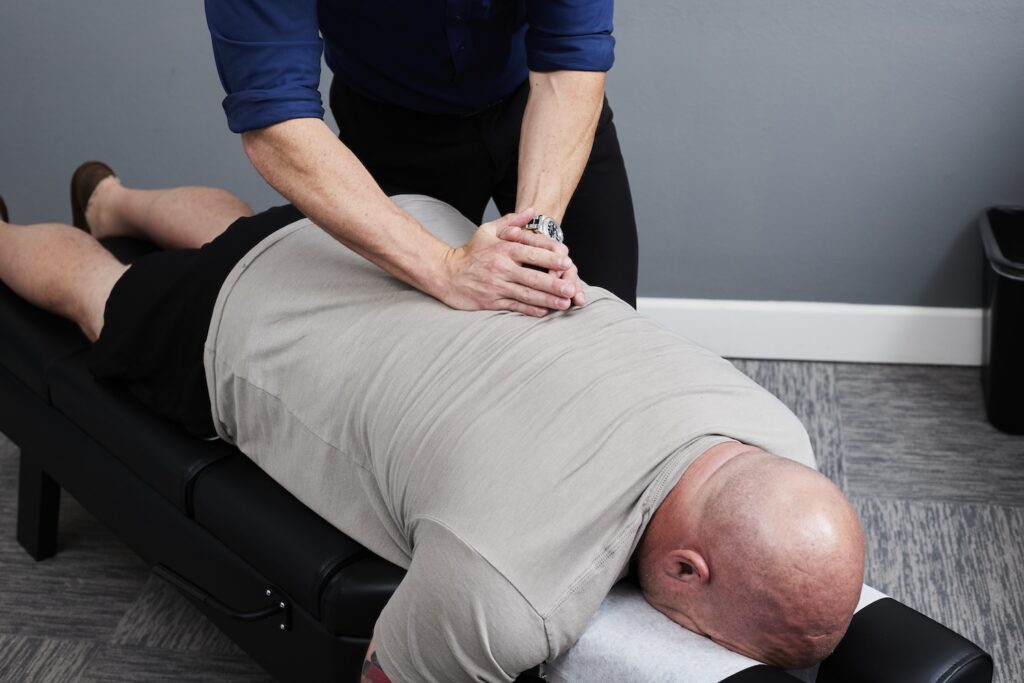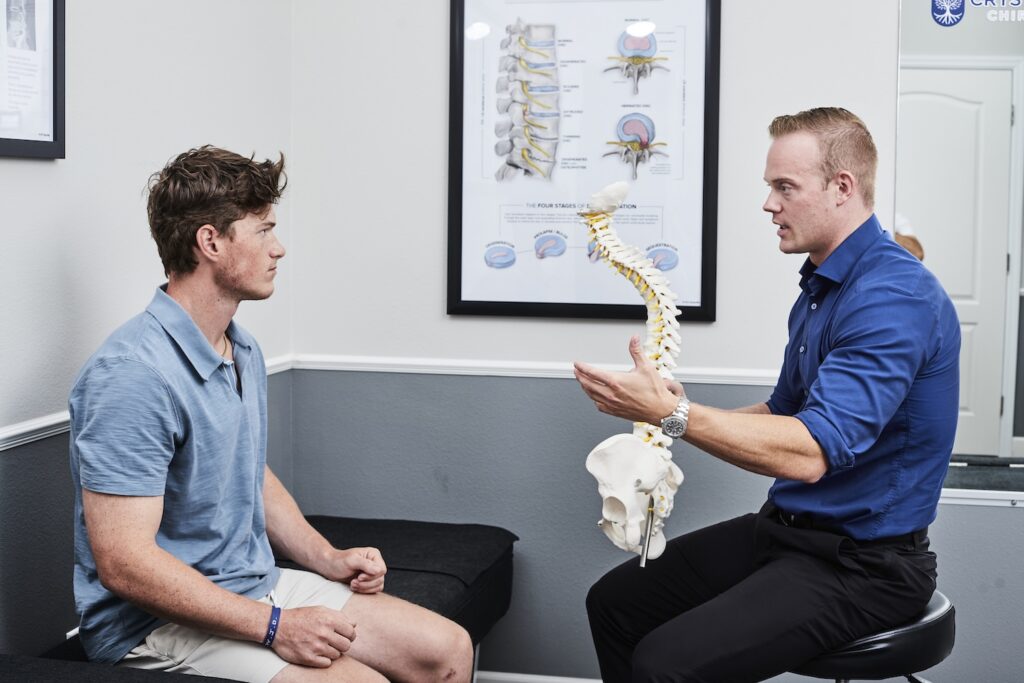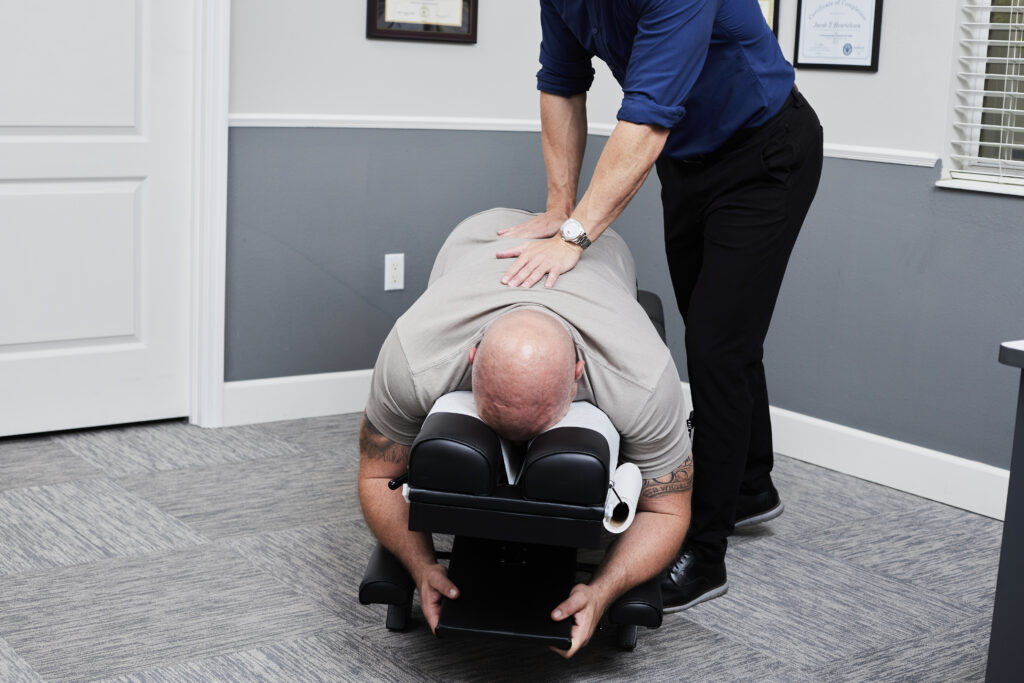

When it comes to enhancing your athletic performance, recovery is just as important as your training regimen—if not more so. As your local chiropractor, I want to emphasize how understanding and improving your recovery process can significantly influence your success as an athlete. Many people believe that pushing harder is the key to progress, but there are important strategies that can help you recover more efficiently and ultimately perform at your best.
For instance, prioritizing quality sleep is crucial. Sleep is when your body repairs itself, and without it, you won't be able to perform at your peak. Additionally, incorporating effective recovery tools—such as chiropractic adjustments, massage, and stretching—can aid in alleviating muscle tension and promoting better alignment, which is vital for optimal movement.
I encourage you to explore how these approaches can transform your athletic routine and overall well-being. By focusing on recovery, you'll not only bounce back quicker but also enhance your performance in the long run. Together, we can work on a tailored recovery plan that aligns with your specific needs as an athlete.
Prioritize Sleep Quality
As a local chiropractor, I want to emphasize the vital role that sleep quality plays in your overall health and recovery. Many people may not realize that sleep is one of the most powerful tools for healing and revitalizing your body, especially after physical stress or injury. Quality sleep is crucial for muscle repair, reducing inflammation, and enhancing your performance in daily activities.
To improve your sleep quality, one of the first steps is to establish a consistent sleep schedule. Try to go to bed and wake up at the same time every day, even on weekends. This routine helps regulate your body's internal clock, making it easier to fall asleep and stay asleep throughout the night.
Incorporating a calming pre-sleep routine can also be beneficial. Simple activities such as reading, gentle stretching, or practicing mindfulness can signal to your body that it's time to unwind.
Your sleep environment is another important factor. Aim to keep your bedroom cool, dark, and quiet. Investing in blackout curtains and a comfortable mattress can significantly enhance your sleeping conditions.
Additionally, be mindful of your screen time before bed; the blue light emitted from devices can hinder melatonin production, which is essential for sleep. Ideally, you should turn off screens at least an hour before you plan to sleep.
Finally, pay attention to your caffeine and alcohol intake. Consuming these substances, particularly in the afternoon and evening, can disrupt your sleep cycle.
Remember, prioritizing sleep quality isn't just about the number of hours you sleep; it's about ensuring that your sleep is deep and restorative. By making these adjustments, you'll likely notice a significant improvement in your recovery and overall well-being.
If you have any questions or need further guidance, feel free to reach out—I'm here to help you on your journey to better health through natural healing!
Stay Hydrated
As a local chiropractor, I want to emphasize the importance of quality sleep for your recovery, but it's equally vital to stay hydrated. Proper hydration is essential not just for your overall health, but also for maintaining your energy levels and supporting muscle function, which is crucial for optimal chiropractic care and healing.
During your workouts or daily activities, you naturally lose fluids through sweat, and replenishing those fluids is key to your recovery. Neglecting hydration can lead to fatigue, muscle cramps, and an extended recovery period, which can ultimately affect your chiropractic treatment outcomes.
Here are some tips to help you stay hydrated:
- Drink water consistently throughout the day: Don't wait until you feel thirsty to hydrate. Keep a water bottle nearby and take sips regularly to ensure you're getting enough fluid.
- Check the color of your urine: A light yellow color generally indicates good hydration, while darker shades suggest that it's time to drink more water.
- Include hydrating foods in your diet: Fruits and vegetables, such as watermelon, cucumbers, and oranges, can significantly contribute to your hydration levels.
- Consider electrolyte drinks when needed: If you're engaging in intense or prolonged exercise, electrolyte drinks can help replenish lost minerals and support your body's functions.
- Set hydration reminders: Utilize your phone or a hydration app to prompt you to drink water at regular intervals throughout the day.
Implement Active Recovery
As a local chiropractor, I want to emphasize the importance of active recovery in enhancing not only your athletic performance but also your overall well-being. Many people believe that resting completely after intense workouts is the best way to recover, but engaging in low-intensity activities can be far more beneficial. Instead of staying still, consider participating in gentle movements like walking, cycling, swimming, or light jogging. The goal is to keep your body moving without putting too much strain on it.
Active recovery plays a crucial role in helping your body flush out metabolic waste products, which can significantly reduce soreness and stiffness. Dedicating just 20 to 30 minutes to these gentle activities can lead to noticeable improvements in how you feel the following day. Moreover, active recovery helps maintain your cardiovascular fitness and can lower your chances of sustaining injuries.
I encourage you to incorporate active recovery days into your fitness regimen. These days allow you to take a break from high-intensity workouts while still remaining engaged in your health journey. It's essential to listen to your body; if you're feeling fatigued, gentle movement can be incredibly rejuvenating without pushing your limits.
Additionally, I can't stress enough the importance of including flexibility and mobility exercises during these active recovery sessions. Stretching not only alleviates tension but also improves your range of motion, which is essential for optimal performance.
Focus on Nutrition
As a local chiropractor, I want to emphasize the crucial role that nutrition plays in your recovery journey and overall well-being. What you consume can significantly impact your energy levels, muscle recovery, and how effectively you recover from physical strain.
To enhance your healing process, it's essential to adopt a balanced diet that aligns with your individual health needs.
Here are some important nutritional strategies to consider:
- Hydration: Ensure you drink plenty of water before, during, and after any physical activity. Staying hydrated is vital for your body to function optimally, as dehydration can impede recovery and overall performance.
- Protein Intake: Aim to include lean protein sources such as chicken, fish, beans, or tofu in your meals. Protein is crucial for repairing and building muscles, especially if you're engaged in physical activities.
- Carbohydrates: Embrace healthy carbohydrates like whole grains, fruits, and vegetables. These foods provide the energy necessary for your activities and help restore glycogen levels after exercise.
- Healthy Fats: Don't forget to incorporate healthy fats into your diet, such as avocados, nuts, and olive oil. These fats are essential for hormone regulation and contribute to your overall health.
- Timing Matters: Try to consume a balanced meal or snack within 30 minutes after your workout. This practice can help trigger the recovery process and replenish any nutrients lost during physical activity.
By focusing on these nutritional strategies, you can support your body's natural healing processes and improve your overall health and performance.
Use Recovery Tools
As a local chiropractor, I want to emphasize the importance of integrating recovery tools into your wellness routine, especially if you're new to chiropractic care and natural healing.
These tools are designed to support your body's natural recovery processes, allowing you to bounce back more efficiently after physical activity.
One of the most accessible and effective recovery tools I recommend is the foam roller. This simple device is excellent for self-myofascial release, which helps alleviate tight muscles and enhances flexibility.
After your workouts, spend a few minutes rolling out your major muscle groups to help reduce tension and promote recovery.
Compression garments are another valuable option that many of my patients find helpful. Wearing these during and after exercise can significantly enhance blood flow, which is crucial for muscle recovery and reducing soreness.
Cold therapy, such as ice baths or cryotherapy, can seem daunting, but it offers substantial benefits. By exposing your body to cold, you can effectively minimize inflammation, which speeds up recovery time.
If cold therapy isn't appealing, heat therapy is a great alternative; it helps relax muscles and improves circulation, further aiding in your recovery.
Additionally, I've seen many patients benefit from using massage guns. These devices utilize percussive therapy to target sore muscles and promote healing.
A few minutes with a massage gun can make a notable difference in how your muscles feel.
It's also vital to remember that recovery tools work best in conjunction with proper hydration and quality sleep.
While these tools can enhance your recovery, they should complement fundamental aspects of health and wellness.
By consistently using recovery tools and following good hydration and sleep practices, you'll likely see improvements in your performance and overall well-being.
I encourage you to explore these recovery tools as part of your chiropractic care journey.
Together, we can help you feel better and perform at your best!
Conclusion
As a local chiropractor, I want to emphasize the importance of recovery and performance for athletes of all levels. One of the most crucial elements is prioritizing quality sleep—it's during this time that your body repairs and rejuvenates itself. Staying properly hydrated is equally important; it helps your muscles function optimally and aids in recovery.
Nutrition plays a vital role in your overall well-being and athletic performance. Fueling your body with the right nutrients can enhance your energy levels and support muscle recovery. Additionally, incorporating active recovery strategies, such as low-intensity exercises, can keep your body engaged without overexerting it.
Utilizing recovery tools, like foam rollers or massage therapy, can make a significant difference in how your body feels and performs. These methods help alleviate muscle tension, improve circulation, and promote overall recovery. By adopting these holistic strategies, you can set yourself up for success both in your training and everyday life.
Remember, while pushing your limits is important, recovery should never be overlooked. By embracing these principles of recovery and natural healing, you'll not only enhance your athletic journey but also promote long-term health and well-being. Let's work together to help you achieve your performance goals while prioritizing your body's recovery!