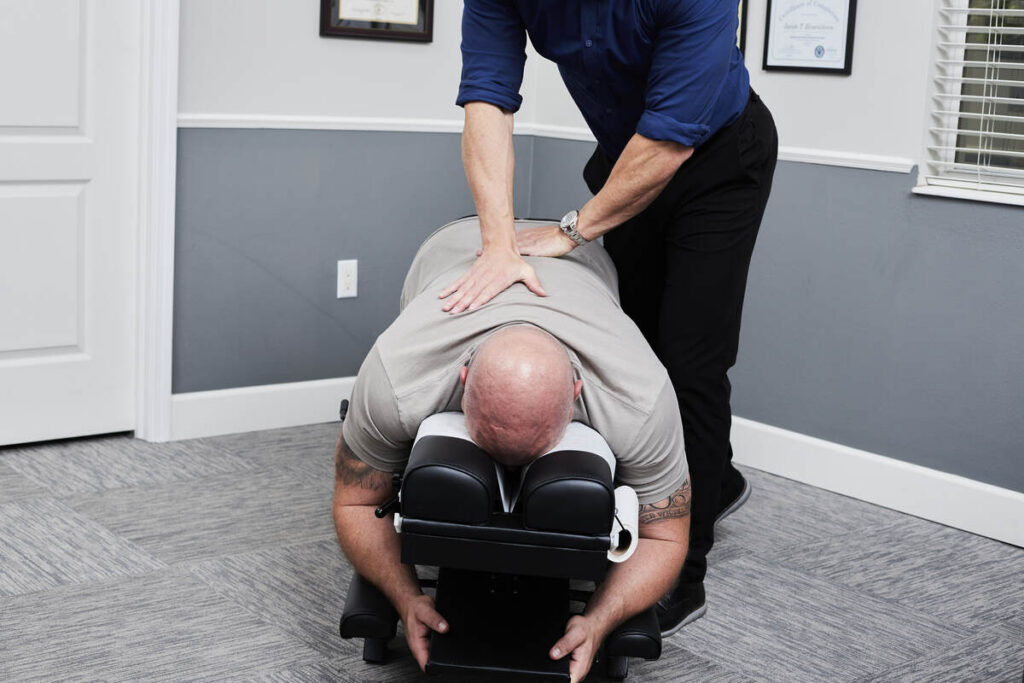

As a chiropractor dedicated to your health and well-being, I want to help you enhance your joint flexibility and movement naturally. Improving your flexibility is not just about stretching; it involves a comprehensive approach that includes various strategies, from consistent stretching routines to strength training. These methods can significantly increase your range of motion and promote overall joint health, which is vital for your daily activities and quality of life.
I understand that navigating this information can be overwhelming, especially if you're new to chiropractic care or natural healing. That's why I'm here to provide you with practical advice that can seamlessly fit into your routine. By incorporating these tips, you'll be on your way to moving more freely and feeling better in your body. Let's dive into some effective strategies to enhance your joint flexibility and support your overall health!
Incorporate Regular Stretching
As a local chiropractor, I want to emphasize the importance of incorporating regular stretching into your daily routine. Many people believe that stretching is only for athletes, but I assure you, it's essential for everyone—whether you spend long hours at a desk or engage in physical activities at the gym. Just a few minutes of stretching each day can significantly enhance your joint flexibility and overall mobility.
Begin by selecting a few key stretches that focus on major muscle groups. Pay particular attention to areas that are prone to tightness, such as your hamstrings, hips, shoulders, and back. Hold each stretch for about 15 to 30 seconds, and remember to breathe deeply. This practice not only improves flexibility but also promotes relaxation and alleviates stress.
I encourage you to weave stretching into your daily routine. Consider doing it in the morning after you wake up, during breaks at work, or right before you go to bed. Consistency is vital; by stretching regularly, you'll likely experience an increase in your range of motion and a decrease in muscle stiffness over time.
As you stretch, it's essential to listen to your body. Avoid pushing yourself too hard—if something feels painful, back off. Always warm up your muscles with some light activity before diving into more intense stretches to prevent injury.
Additionally, think about incorporating a variety of stretching techniques, such as static or dynamic stretches, to keep your routine fresh and effective.
Incorporating these practices into your life can complement chiropractic care and support your journey toward natural healing and overall wellness.
Practice Dynamic Warm-Ups
As a chiropractor committed to your overall health, I want to emphasize the importance of warm-ups in preparing your joints and muscles for activity.
Dynamic warm-ups are particularly effective; they not only increase flexibility but also enhance your overall performance. By incorporating specific dynamic exercises into your routine, you can help prevent injuries and promote better movement patterns.
It's essential to focus on the timing and frequency of these warm-ups to maximize their benefits.
Importance of Warm-Ups
As a local chiropractor dedicated to promoting natural healing and overall wellness, I want to emphasize the importance of dynamic warm-ups before engaging in any physical activity.
These warm-ups are crucial for preparing your joints and muscles for movement, ensuring that your body is primed for the workout ahead. Engaging in dynamic stretches not only increases blood flow but also enhances your flexibility, which can significantly reduce the risk of injury and improve your performance during exercise.
Here are some key benefits of incorporating dynamic warm-ups into your routine:
- Increased Blood Flow: Your muscles require oxygen to function optimally, and a proper warm-up enhances circulation, delivering that vital oxygen to where it's needed most.
- Improved Range of Motion: Dynamic stretches promote joint mobility, making it easier for you to perform a variety of movements safely and effectively.
- Enhanced Muscle Performance: Warming up activates the specific muscles you'll be using, which can lead to better strength and endurance during your activity.
- Mental Preparation: Engaging in a warm-up routine allows you to focus and mentally prepare for the physical challenges ahead, setting a positive tone for your workout.
In summary, I urge you not to skip your warm-ups!
They're a fundamental step in ensuring that your body is ready for exercise, ultimately leading to better results while minimizing the risk of injury. By taking the time to warm up properly, you're investing in your health and setting yourself up for success both in your workouts and in your overall well-being.
Effective Dynamic Exercises
As a local chiropractor dedicated to promoting natural healing and overall well-being, I want to emphasize the importance of preparing your body for physical activity through dynamic exercises. These movements are vital not only for increasing blood flow but also for enhancing flexibility and improving your overall performance.
Let's start with an exercise that you may find beneficial: leg swings. These can be done by standing next to a wall for support. Swing one leg forward and back, and then switch to the other leg. This simple movement helps loosen your hips and hamstrings, which is essential for preventing injuries.
Next, consider incorporating walking lunges into your routine. Step forward with your right foot, bending both knees to a 90-degree angle, and then push off your front foot to bring your back leg forward into the next lunge. This movement engages your quads, hamstrings, and glutes while promoting joint mobility—key factors in maintaining a healthy spine and body.
Another great exercise is arm circles. Stand tall and extend your arms out to the side, making small circular motions. Gradually increase the size of the circles. This not only warms up your shoulders and upper body but also helps maintain joint health, which is crucial for your overall posture and alignment.
Finally, I recommend adding high knees or butt kicks to your warm-up routine. These exercises elevate your heart rate and improve coordination, both of which are important for your body's readiness to take on physical challenges.
I suggest dedicating 8-10 minutes to these dynamic movements. By doing so, you'll not only notice improved flexibility but also a reduced risk of injury when engaging in physical activities.
Timing and Frequency
As a local chiropractor dedicated to your overall health and performance, I want to emphasize the importance of a consistent warm-up routine, especially when it comes to dynamic stretching. Incorporating these warm-ups can significantly enhance your physical performance and minimize the risk of injuries.
Timing and frequency are crucial elements in reaping the maximum benefits from your warm-up sessions. I recommend making dynamic stretches a regular part of your routine, ideally before any workout or physical activity. This ensures that your muscles and joints are adequately prepared for the demands ahead.
Here are some tips to optimize your warm-up routine:
- Warm-Up Duration: Aim to spend at least 10-15 minutes engaged in dynamic exercises. This duration is essential for effectively preparing your body for physical activity.
- Frequency: Consistency is key. Try to perform dynamic warm-ups before each training session or competition to maintain your body's readiness.
- Timing: Begin your warm-up 10-15 minutes prior to your workout. This will help increase blood flow and improve flexibility, setting you up for success.
- Variety: Don't hesitate to mix things up! Including a range of movements that target different muscle groups ensures balanced flexibility and mobility, which are vital for injury prevention.
By adopting these practices, you'll not only enhance your performance but also promote natural healing and wellness within your body.
Engage in Strength Training
As a local chiropractor, I want to emphasize the incredible benefits of strength training, particularly when it comes to enhancing joint flexibility. Many people don't realize that by incorporating strength training into their routine, they can't only build muscle but also significantly improve the stability and range of motion of their joints. Strong muscles support your joints, which can help reduce the risk of injury and enhance overall flexibility.
If you're just getting started, I recommend focusing on compound movements that engage multiple muscle groups. Exercises such as squats, deadlifts, and bench presses are excellent choices. These movements not only strengthen various muscles surrounding your joints but also promote better coordination and balance.
Aim to include two to three strength training sessions each week, ensuring you allow your body adequate recovery time between workouts.
I can't stress enough the importance of maintaining proper form and technique during these exercises. Correct alignment is crucial for protecting your joints and maximizing the benefits of your training. If you're uncertain about your form, consider consulting with a trainer or watching instructional videos to guide you.
Remember to gradually increase weights as you become stronger, but always listen to your body—pushing too hard can result in injuries.
Incorporating flexibility-focused strength exercises like lunges, push-ups, and resistance band workouts can also be incredibly beneficial. These movements not only build strength but also improve your range of motion.
It's essential to warm up before each session and cool down afterward to enhance flexibility and prevent stiffness.
As you progress with strength training, you'll likely notice increased joint mobility and improved performance in your daily activities and sports. So, I encourage you to prioritize strength training in your health routine and watch your joint flexibility flourish!
If you have any questions or need personalized guidance, feel free to reach out to my office. Your journey to better health is just a step away!
Utilize Foam Rolling Techniques
As a local chiropractor, I want to share with you the incredible benefits of foam rolling for enhancing joint flexibility. Many people are unaware of how this simple tool can significantly impact your overall well-being.
By utilizing proper foam rolling techniques, you can experience reduced muscle tension, improved circulation, and greater flexibility.
Foam rolling works by applying pressure to specific muscle groups, helping to release tightness and improve blood flow to the area. This can be particularly beneficial for those who may not be familiar with chiropractic care or natural healing methods.
It's a fantastic addition to your flexibility routine, promoting relaxation and aiding in recovery after physical activity.
Let's delve into how you can effectively use foam rollers to complement your chiropractic treatments and foster a healthier, more flexible body.
Benefits of Foam Rolling
As a chiropractor dedicated to helping you understand the benefits of natural healing, I want to introduce you to the advantages of foam rolling. This simple yet effective technique can significantly enhance your flexibility and overall physical well-being.
Foam rolling is a form of self-myofascial release, which means it helps alleviate muscle tightness and improves your range of motion, aligning perfectly with your joint flexibility goals.
Here are some key benefits of incorporating foam rolling into your routine:
- Increased Blood Flow: By regularly using a foam roller, you can boost circulation in your muscles, which is essential for delivering nutrients and promoting healing.
- Reduced Muscle Soreness: Many of my patients report less post-workout soreness when they include foam rolling in their recovery process, making it easier for them to stay active and engaged in their daily lives.
- Improved Muscle Recovery: Consistent foam rolling can shorten recovery times, allowing your body to bounce back quicker and prepare for your next workout or activity.
- Enhanced Performance: With greater flexibility and reduced muscle tension, you may notice a marked improvement in your physical performance, whether that's during exercise or everyday tasks.
I encourage you to make foam rolling a regular part of your warm-up or cool-down routine.
Just a few minutes of focused rolling can lead to significant improvements in how you feel during workouts and throughout your daily activities.
Proper Foam Rolling Techniques
As your local chiropractor, I want to share some valuable insights about foam rolling and how it can enhance your overall well-being. Foam rolling is an excellent tool for muscle release, and using the right techniques can make all the difference in ensuring you get the most out of it while minimizing the risk of injury.
First, it's important to choose a foam roller that suits your needs. If you're new to foam rolling, I recommend starting with a softer roller. This will allow you to get accustomed to the sensation and technique. As you become more experienced and your muscles adapt, you may want to transition to a firmer roller for deeper pressure.
When you foam roll, concentrate on one muscle group at a time. Position the roller under the area you wish to target, and use your body weight to gently apply pressure. Roll slowly back and forth, spending about 30 seconds to a minute on each muscle group. If you encounter a tender spot, pause there, take deep breaths, and maintain gentle pressure for 20 to 30 seconds. This approach helps release tension effectively.
It's crucial to maintain proper form throughout the process. Keep your core engaged and your body aligned to prevent any strain. Avoid rolling directly over joints or bony areas, as this can lead to discomfort or injury.
Lastly, don't rush through the foam rolling process. Take your time to ensure you're effectively alleviating muscle tension.
Incorporating these foam rolling techniques into your routine can greatly enhance your flexibility, speed up recovery, and improve your overall movement. By understanding and applying these methods, you're taking an important step towards natural healing and better musculoskeletal health.
If you have any questions or want to learn more about how foam rolling can complement your chiropractic care, don't hesitate to ask during your next visit!
Maintain Proper Hydration
As a chiropractor dedicated to your overall health and well-being, I want to emphasize the importance of staying properly hydrated. Proper hydration plays a crucial role in maintaining joint flexibility and promoting overall health. When you're well-hydrated, your joints enjoy better lubrication, which reduces friction and wear on the cartilage. Conversely, dehydration can lead to stiffness and discomfort, making it more challenging for you to move freely.
To ensure you're drinking enough water, a common guideline is to aim for at least eight 8-ounce glasses a day. However, it's important to remember that individual hydration needs can vary based on factors like your activity level, climate, and body size.
Here are some practical tips to help you maintain proper hydration:
- Carry a reusable water bottle: Keeping a water bottle on hand throughout your day serves as a great reminder to drink regularly.
- Set reminders: Utilize alarms or hydration apps to prompt yourself to take breaks and drink water, especially during busy hours.
- Infuse your water: If plain water doesn't excite your palate, consider adding slices of fruit or fresh herbs to make it more enjoyable.
- Monitor your urine color: A pale yellow hue is often a good indicator of proper hydration, while a darker yellow signals that it's time to drink more.
Remember, maintaining proper hydration isn't just about quenching your thirst; it's vital for joint health and overall physical function.
If you have any questions about how hydration impacts your health or how chiropractic care can assist you in your journey to wellness, don't hesitate to ask!
Focus on Balanced Nutrition
As a local chiropractor, I want to emphasize the importance of balanced nutrition alongside chiropractic care for maintaining joint flexibility and overall health. It's not just about adjustments; what you put into your body plays a crucial role in your well-being. To support your joints and enhance the benefits of your chiropractic treatment, it's essential to adopt a diet rich in vital nutrients.
Focus on eating a variety of colorful fruits and vegetables, lean proteins, whole grains, and healthy fats. These foods are packed with vitamins, minerals, and antioxidants that can help reduce inflammation and promote healthy joint function. For example, omega-3 fatty acids, found in fish like salmon and nuts such as walnuts, are particularly beneficial. They've been shown to help alleviate joint pain and stiffness, so I recommend including them in your meals at least twice a week.
Don't overlook the importance of vitamins C and D. Vitamin C is crucial for collagen production, which supports the cartilage in your joints, while vitamin D is essential for maintaining strong bones. Including foods rich in these vitamins can greatly benefit your joint health.
Additionally, incorporating high-fiber foods like legumes and whole grains can further help reduce inflammation throughout your body. Natural spices like turmeric and ginger are also excellent additions to your diet, as they possess anti-inflammatory properties that can complement your chiropractic care.
On the flip side, it's important to be mindful of what you limit in your diet. Processed foods, sugary snacks, and excessive salt can contribute to inflammation and may hinder your joint health. Instead, try to satisfy your sweet tooth with natural options like fresh fruits, and enhance your meals with herbs and spices for flavor without the negative effects.
Consider Professional Guidance
When it comes to enhancing joint flexibility and overall health, balancing nutrition is just one important piece of the puzzle. As a local chiropractor, I want to emphasize the critical role of professional guidance in this journey.
Whether you're new to fitness or looking to improve your existing routine, seeking the expertise of a chiropractor can significantly impact your progress toward better joint flexibility.
A chiropractor specializes in the musculoskeletal system and can provide you with personalized advice that aligns with your specific needs. We assess your current flexibility, identify areas for improvement, and design a tailored program that enhances your movement and well-being.
Here's why consulting with a chiropractor can be beneficial:
- Customized Care Plans: We create individualized treatment plans that cater to your unique body mechanics and flexibility goals, ensuring that you receive the right approach for your situation.
- Correct Techniques: With our guidance, we ensure that you're performing exercises and movements correctly, which helps to minimize the risk of injury and maximize effectiveness.
- Progress Monitoring: We track your progress closely and can adjust your treatment plan as needed, helping you stay motivated and on the right path toward your goals.
- Education and Empowerment: We provide valuable insights about the anatomy of your joints, the importance of flexibility, and natural healing practices, empowering you to make informed decisions about your health.
Investing in chiropractic care not only accelerates your progress but also equips you with the knowledge and skills to maintain your joint health for the long term.
If you're looking to unlock your potential and promote optimal joint flexibility, don't hesitate to reach out to a chiropractor who can guide you on your wellness journey.
Conclusion
As a local chiropractor, I want to share some essential tips that can significantly enhance your joint flexibility and overall movement. By incorporating these practices into your daily routine, you can experience a noticeable improvement in how your body feels and functions.
First and foremost, regular stretching is crucial. It helps maintain flexibility and can prevent stiffness in your joints. I also recommend engaging in dynamic warm-ups before any physical activity, as they prepare your muscles and joints for movement.
Strength training is another vital component. It not only builds muscle but also supports your joints, making them more resilient. Additionally, don't underestimate the power of proper hydration and a well-balanced diet rich in anti-inflammatory foods. These nourish your body and promote optimal joint health.
Foam rolling is an excellent technique to alleviate muscle tension, which can positively impact your joint mobility. Finally, consider seeking professional guidance, like chiropractic care, to ensure you're using the right techniques and exercises tailored to your specific needs.
Start implementing these tips today, and you'll begin to notice the benefits in no time! Your joints will certainly appreciate the care you provide them.