If you're dealing with chronic pain, know that you're not alone, and I'm here to help you explore natural methods for relief. As a chiropractor, I believe in the power of a holistic approach that encompasses nutrition, exercise, and mindfulness to ease your discomfort and improve your overall health. Picture waking up each morning with a greater sense of control and less pain holding you back.
However, the journey to healing can be complex, and it's important to understand the various strategies available to you. Many individuals may not be aware of how chiropractic care can play a pivotal role in alleviating pain and enhancing well-being. By addressing misalignments in the spine and promoting proper function of your nervous system, we can work together to develop a personalized plan that supports your body's natural healing processes.
Have you considered the potential benefits of chiropractic adjustments, along with lifestyle changes? Let's explore these options together to find what best suits your needs!
Understanding Chronic Pain
Chronic pain is a widespread issue that affects countless individuals, making it a key focus in our health discussions. As a chiropractor, I want to emphasize that chronic pain isn't just about the physical sensations you may feel—it's intricately linked to your emotional health and overall quality of life.
You might find yourself dealing with persistent aches, sharp pains, or a dull throb that seems to never let up. This ongoing discomfort can be caused by various conditions, including arthritis, fibromyalgia, or injuries that haven't healed properly.
Understanding chronic pain is crucial for effective management, and chiropractic care can play a significant role in this process. Unlike acute pain, which serves as a warning signal for injury, chronic pain often continues long after the initial issue has resolved. Your nervous system may become hypersensitive, heightening pain signals even when there's no injury present. This can create a distressing cycle of pain that feels unending.
You may also notice that your pain levels can change based on factors such as stress, fatigue, or even shifts in the weather. Emotional states, including anxiety and depression, can significantly influence how you perceive pain. This is why it's important to acknowledge these connections—by addressing your emotional well-being, you may find relief from physical discomfort.
As a chiropractor, I encourage you to explore natural healing methods that focus on restoring balance and function to your body. Techniques such as spinal adjustments, therapeutic exercises, and lifestyle modifications can help alleviate chronic pain and improve your overall health.
Together, we can work towards breaking the cycle of pain and enhancing your quality of life.
The Role of Nutrition
As a local chiropractor, I want to emphasize the significant role that nutrition plays in managing chronic pain and enhancing your overall well-being. The foods you choose can profoundly affect inflammation and pain levels in your body, which is crucial for your recovery and health.
By focusing on a diet rich in whole foods—like fresh fruits, vibrant vegetables, whole grains, lean proteins, and healthy fats—you provide your body with essential nutrients that support its natural healing processes. Incorporating anti-inflammatory foods can be particularly beneficial for alleviating pain. For example, fatty fish, berries, leafy greens, and nuts are packed with compounds that may help to reduce inflammation.
Additionally, spices like turmeric and ginger are known for their natural pain-relieving properties.
It's equally important to be mindful of what to limit in your diet. Processed foods, sugars, and trans fats can aggravate inflammation and contribute to chronic pain, so it's best to minimize these as much as possible.
Another key aspect of your nutrition is staying well-hydrated. Drinking plenty of water is vital for maintaining your body's functions and can help reduce muscle cramps and joint pain. Foods with high water content, such as cucumbers and oranges, can also aid in keeping you hydrated.
Moreover, ensuring a balanced intake of vitamins and minerals is crucial for your health. Vitamins like D and calcium are essential for strong bones, while magnesium supports muscle function and relaxation.
If you're uncertain about your specific nutritional needs, I encourage you to consult with a healthcare professional or a registered dietitian. They can provide tailored advice to help you optimize your nutrition for better health and pain management.
Incorporating these nutritional strategies can complement your chiropractic care and enhance your journey towards holistic healing. Together, we can work towards reducing your pain and improving your quality of life.
Exercise and Physical Activity
As a local chiropractor, I want to emphasize the significant role that regular exercise plays in managing chronic pain and promoting overall wellness. Incorporating physical activity into your daily routine can be transformative. It not only strengthens muscles but also improves flexibility and enhances your body's overall function. When you engage in movement, your body releases endorphins—natural painkillers that elevate your mood and help alleviate discomfort.
I recommend starting with low-impact exercises, such as walking, swimming, or cycling. These activities are gentle on your joints yet provide the essential movement that your body craves. Aim for at least 30 minutes of moderate exercise most days of the week. If that feels overwhelming, don't worry—breaking it down into smaller, manageable sessions works just as well. Even ten-minute bursts of activity can accumulate and yield positive results over time.
Strength training is equally important and serves a vital purpose in your journey towards pain relief. Building muscle support around your joints can significantly reduce pain during daily activities. Consider incorporating resistance bands or light weights into your routine two to three times a week.
Also, let's not overlook the importance of stretching; it enhances flexibility and helps prevent stiffness.
It's crucial to listen to your body and recognize when you need to adjust your routine. If you experience pain, don't push through it. Instead, modify your activities or consult with a healthcare professional—like myself—who can provide guidance.
Finding an exercise that you enjoy will make it easier to stay consistent; whether that means joining a class, practicing yoga, or simply dancing in your living room, the key is to stay engaged.
Ultimately, staying active not only helps alleviate chronic pain but also empowers you to take control of your health and well-being. As your chiropractor, I'm here to support you on this path to a healthier, more active life.
Importance of Sleep
As a local chiropractor, I want to emphasize the vital role that quality sleep plays in your journey toward managing pain and enhancing your overall well-being. Sleep isn't merely a time for rest; it's a critical period when your body has the opportunity to heal and rejuvenate itself.
When you prioritize good sleep, you'll likely find that your perception of pain diminishes, and your ability to cope with stress improves significantly. I recommend aiming for 7 to 9 hours of restorative sleep each night. This range is essential for supporting your body's natural recovery processes.
When sleep is compromised, your body tends to produce higher levels of stress hormones like cortisol, which can exacerbate pain and inflammation. Adopting a consistent sleep schedule is key; it helps regulate your internal clock, making it easier for you to fall asleep and wake up feeling revitalized.
Creating a sleep-friendly environment is crucial for achieving restful nights. Ensure your bedroom is cool, dark, and quiet. If outside light or noise is a problem, consider using blackout curtains or a white noise machine to help you relax.
Additionally, it's wise to limit screen time before bedtime, as the blue light from devices can disrupt your natural sleep cycle. Establishing a calming pre-sleep routine is another effective strategy. This could involve activities such as reading, gentle stretching, or sipping on a warm herbal tea—whatever helps you unwind.
By making sleep a priority, you'll not only experience a reduction in pain but also notice an enhancement in your emotional resilience, leading to a better quality of life.
As your chiropractor, I encourage you to prioritize sleep as a natural and powerful tool in alleviating chronic pain. Together, we can work on a holistic approach to your health and well-being.
Mindfulness and Meditation
As a local chiropractor, I want to share with you how mindfulness and meditation can be valuable tools in managing chronic pain and enhancing your overall well-being. Many of my patients find that by practicing mindfulness, they can focus on the present moment rather than getting lost in worries about their pain or its future implications. This practice helps to detach from the pain and reduce its emotional impact, allowing you to acknowledge your sensations without judgment. The shift in perspective can significantly lower stress levels and foster a sense of peace in your daily life.
Meditation works hand-in-hand with mindfulness by providing a structured way to cultivate awareness and relaxation. You don't need to start with long sessions; just a few minutes each day can make a difference. As you get more comfortable, you can gradually increase the time. Techniques like guided imagery or body scanning can help you visualize and release tension, creating a deeper connection with your body and promoting healing.
While you're in my care, I encourage you to focus on your breath as an anchor. When pain arises, instead of resisting it, observe it with curiosity. Pay attention to how it feels, where it's located, and how it changes over time. This non-reactive approach can transform your relationship with pain, making it feel less intrusive and more manageable.
Incorporating mindfulness and meditation into your daily routine doesn't require a large time commitment. Even brief sessions can yield significant benefits. As you integrate these practices alongside your chiropractic care, you may find not only relief from chronic pain but also a greater sense of control over your life.
Embracing mindfulness and meditation can empower you to navigate your pain journey with resilience and grace, complementing the natural healing processes we focus on in chiropractic care.
Herbal Remedies and Supplements
As a local chiropractor, I want to share how herbal remedies and supplements can be beneficial in managing chronic pain naturally. Many of our patients have found relief through various herbs, which can help reduce inflammation, ease muscle tension, and enhance overall well-being.
For example, turmeric, renowned for its active compound curcumin, is well-known for its powerful anti-inflammatory effects. Incorporating turmeric into your diet or using it as a supplement may help alleviate your pain.
Ginger is another herb that has shown promise in reducing pain and inflammation. You can easily enjoy ginger as a tea or add it to your meals to experience its benefits.
Additionally, willow bark, often called nature's aspirin, has been used for centuries to alleviate pain. It's available in supplement form or as a tea, making it an accessible option for many.
Don't forget about omega-3 fatty acids, commonly found in fish oil, which can help decrease joint pain and stiffness. If fish isn't your preference, alternatives like flaxseed oil or chia seeds can provide similar benefits.
Another powerful herbal remedy to consider is devil's claw, which may be particularly effective for osteoarthritis and lower back pain. However, it's essential to consult with a healthcare professional, such as myself, before starting any new supplement, as there can be interactions with medications you might be taking.
By integrating these herbal remedies into your routine, you may discover a natural path to alleviating your chronic pain and enhancing your quality of life.
Alternative Therapies
As a local chiropractor dedicated to helping you manage chronic pain, I want to share how alternative therapies can complement traditional treatments and support your healing journey. These holistic approaches focus on both the physical and emotional aspects of pain, which is essential for long-term relief.
Here are four alternative therapies you might consider including in your pain management plan:
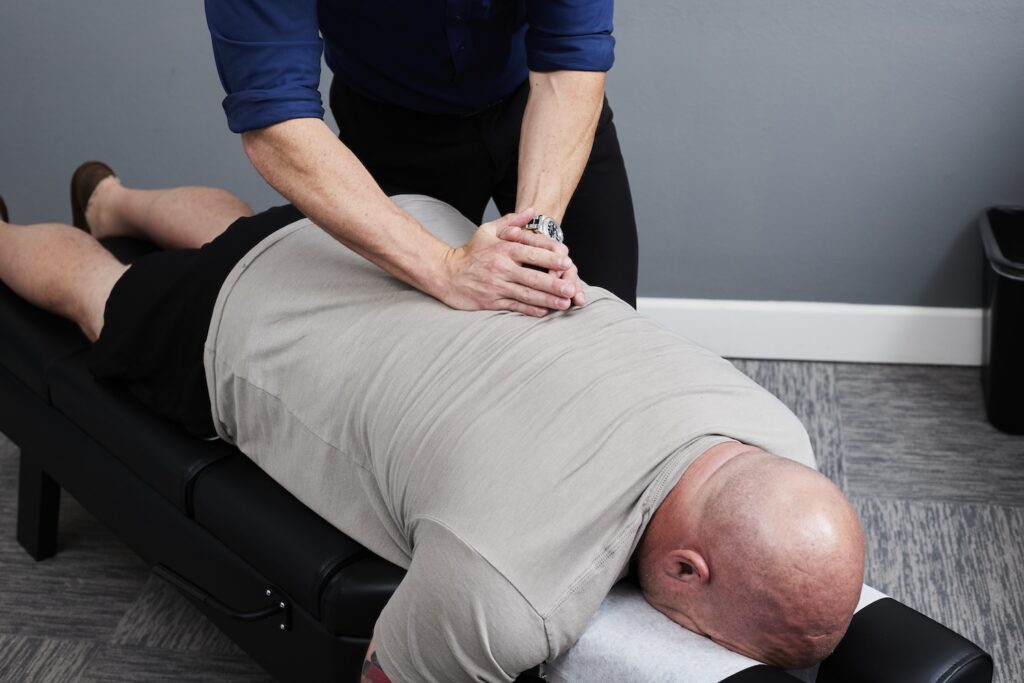
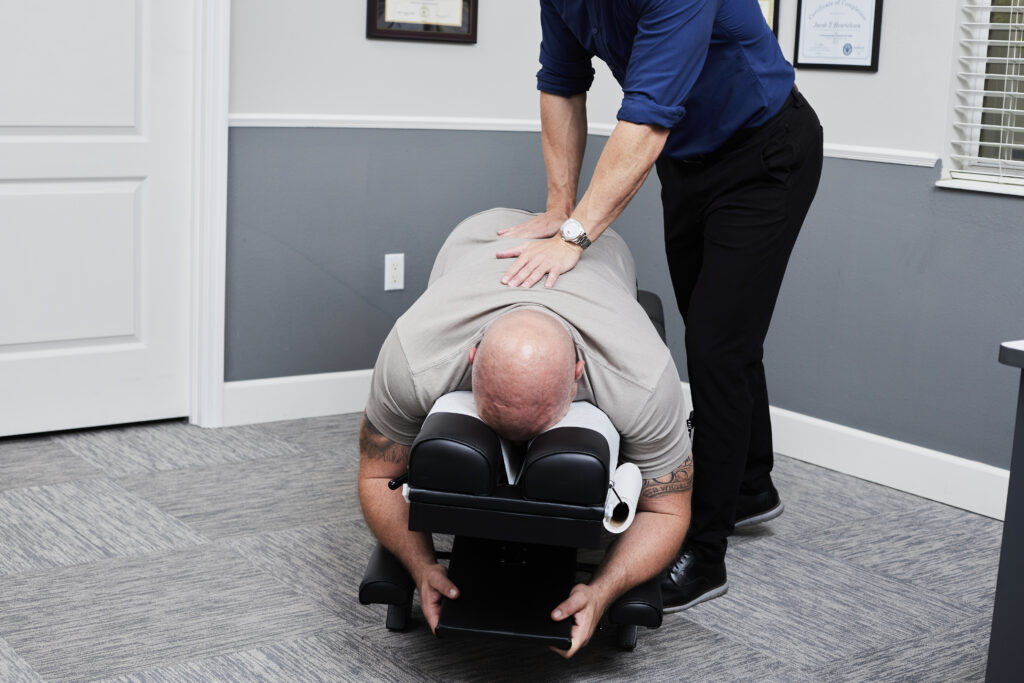
1. Chiropractic Care: My primary focus is on chiropractic adjustments, which involve realigning the spine and joints. This gentle manipulation can relieve pain stemming from various musculoskeletal issues.
Many of my patients experience enhanced mobility and reduced discomfort after regular visits, allowing them to engage in daily activities more freely.
2. Acupuncture: Although I primarily focus on chiropractic care, I often recommend acupuncture as an adjunct therapy. This ancient practice involves inserting thin needles into specific points on the body, which many people find effective for pain relief and overall wellness.
When combined with chiropractic adjustments, you may see even greater improvements.
3. Massage Therapy: Therapeutic massage is another excellent option to consider. It can alleviate muscle tension, enhance circulation, and foster relaxation.
Whether you prefer deep tissue or Swedish techniques, incorporating massage into your routine can significantly reduce chronic pain and improve your recovery.
4. Yoga and Tai Chi: These gentle movement practices integrate stretching, mindfulness, and breathing techniques. They can significantly improve your flexibility and strength while reducing stress levels, which is crucial for effective pain management.
I encourage my patients to explore these practices as part of a comprehensive approach to healing.
By considering these alternative therapies, you can empower yourself to take control of your chronic pain. Each method has unique benefits, and often, a combination of therapies yields the best results.
Remember, it's essential to consult with me or your healthcare provider before starting any new treatments to ensure they fit well into your overall pain management strategy.
Together, we can embark on a journey toward discovering natural ways to alleviate your pain and improve your quality of life!
Stress Management Techniques
As a local chiropractor, I want to emphasize the importance of managing stress, especially for those dealing with chronic pain.
It's not just about adjustments; it's about a holistic approach to your well-being. One effective technique I recommend is mindfulness meditation. This practice can help you stay grounded in the present moment and significantly reduce anxiety levels.
Additionally, incorporating breathing exercises into your daily routine can promote relaxation for both your mind and body. By exploring these strategies, you can enhance your overall health and support the healing process.
Mindfulness Meditation Practices
How can mindfulness meditation enhance your journey through chronic pain management? As a chiropractor, I emphasize the importance of a holistic approach to health, and mindfulness meditation is a powerful tool that can complement your chiropractic care. By focusing your attention and cultivating awareness, mindfulness meditation can help you manage pain more effectively. Here's how it can make a difference:
- Reduces Stress: Mindfulness practices are proven to lower stress levels, which can significantly reduce the intensity of chronic pain symptoms. Less stress means less strain on your body.
- Enhances Self-Awareness: Mindfulness helps you become more attuned to your body's signals. By understanding your pain patterns better, you can make informed decisions about your care and communicate more effectively with your healthcare providers.
- Improves Emotional Resilience: Engaging in regular mindfulness meditation fosters a positive mindset, helping to combat feelings of hopelessness and frustration that often accompany chronic pain.
- Promotes Relaxation: Mindfulness encourages a state of relaxation, alleviating tension in your body. This relaxation can enhance the effectiveness of your chiropractic adjustments and overall healing process.
To get started, set aside just a few minutes each day for practice. Find a quiet space, sit comfortably, and focus on your breath. When thoughts come to mind, acknowledge them without judgment and gently return to your breathing.
Over time, you'll discover that this practice not only helps in alleviating pain but also enhances your overall quality of life. I encourage you to embrace mindfulness meditation as a vital component of your natural healing journey alongside chiropractic care.
Breathing Exercises Techniques
As a chiropractor, I often emphasize the importance of holistic approaches to managing stress and alleviating chronic pain. One of the simplest yet most effective methods I recommend to my patients is breathing exercises. By focusing on your breath, you can calm your mind and create a relaxation response in your body.
Let's start with a basic technique called deep breathing. Inhale slowly through your nose for a count of four, hold that breath for another count of four, and then exhale gently through your mouth for a count of six. By repeating this cycle several times, you can help activate your body's natural relaxation response.
Another excellent method is diaphragmatic breathing, which is particularly beneficial for enhancing oxygen exchange. To practice this, place one hand on your chest and the other on your abdomen. When you breathe in, your abdomen should rise more than your chest, indicating you're using your diaphragm effectively. This technique not only helps to reduce tension but also aids in promoting healing throughout your body.
I also encourage my patients to try the 4-7-8 breathing technique. Inhale for four counts, hold your breath for seven counts, and then exhale for eight counts. This specific pattern not only calms the mind but can also contribute to lowering your heart rate, which is essential for managing stress.
Incorporating these breathing exercises into your daily routine can empower you to take control of your stress and pain levels. I suggest setting aside a few moments each day for practice, and over time, you may notice a significant improvement in your overall well-being.
Building a Support Network
As a local chiropractor, I want to emphasize the importance of building a support network for effectively managing chronic pain.
Connecting with others who share similar experiences can be incredibly beneficial. You might consider joining local support groups or exploring online communities where you can find like-minded individuals.
These connections can provide not only encouragement but also valuable insights into managing your pain through natural healing methods.
At our practice, we believe that having a strong support system is a vital aspect of your journey toward better health and well-being.
Finding Like-Minded Individuals
Connection is vital when navigating the challenges of chronic pain, and finding like-minded individuals can significantly enhance your journey toward relief.
As a chiropractor, I often see how a strong support network can provide emotional resilience, facilitate the sharing of effective coping strategies, and foster a sense of belonging among those who understand your struggles.
Here are some effective ways to connect with others who share similar experiences:
- Attend Local Support Groups: Look for community meetings where you can engage with individuals facing similar challenges. These gatherings can foster a sense of camaraderie and understanding.
- Join Classes or Workshops: Consider participating in activities centered around pain management, yoga, or mindfulness. These classes not only promote healing but also allow you to meet others who are on a similar path to wellness.
- Volunteer: Getting involved in community service can connect you with compassionate individuals who may also be navigating their own journeys with chronic pain. Sharing experiences can be incredibly uplifting.
- Reach Out to Friends and Family: Sometimes, those closest to you want to help but may not know how. By opening up about your experiences and needs, you can create a support system that encourages healing and understanding.
Utilizing Online Communities
As a chiropractor, I understand how valuable in-person support can be for those dealing with chronic pain. However, I want to highlight the unique benefits that online communities can offer for individuals seeking to connect with others who share similar experiences.
These platforms create a safe environment where you can share your journey, seek advice, and find encouragement from people who truly understand the challenges of living with chronic pain.
By joining forums, social media groups, or specialized online support networks, you gain access to a wealth of knowledge and shared experiences. You can ask questions about various treatments, including chiropractic care, share coping strategies, and even express your frustrations on difficult days.
The anonymity of online interactions can make it easier to open up about your feelings without the fear of being judged.
You'll also find an abundance of resources such as articles, videos, and podcasts that can deepen your understanding of chronic pain management and natural healing methods. Many community members are eager to share their successes and setbacks, fostering a sense of camaraderie that can be incredibly empowering.
As you engage in these communities, I encourage you to share your own insights and experiences as well. Your story can inspire others and help build deeper connections.
By utilizing online communities alongside chiropractic care, you can create a robust support network that uplifts you and aids you in navigating your chronic pain journey with greater resilience.
Engaging Local Support Groups
As a local chiropractor, I understand that navigating the challenges of chronic pain can feel overwhelming. Engaging with a supportive community can make a significant difference in your healing journey.
Here's why connecting with local support groups can enhance your experience with chiropractic care and natural healing:
- Shared Experiences: In these groups, you'll meet individuals who truly relate to your struggles, which can help reduce feelings of isolation and foster a sense of belonging.
- Resource Exchange: Members often share valuable insights about various treatments, including chiropractic techniques, therapies, and holistic approaches that have positively impacted their lives.
- Emotional Support: Chronic pain can take a toll not only on your body but also on your mental health. Support groups provide a nurturing environment where you can express your feelings and receive encouragement from others who understand your journey.
- Motivation: Being part of a community can inspire you to take proactive steps in managing your pain. It can motivate you to explore chiropractic care and other natural healing methods that can improve your quality of life.
To find a local support group, consider checking with community centers, hospitals, or online platforms like Meetup.
Remember, building connections with others who face similar challenges can empower you in your healing journey.
Don't underestimate the value of shared knowledge and support—taking that first step towards community engagement could be transformative for your health and well-being.
Lifestyle Changes for Pain Relief
As a local chiropractor, I want to share how intentional lifestyle changes can significantly alleviate chronic pain and enhance your overall well-being. The first step is to take a close look at your daily habits. Incorporating regular physical activity tailored to your individual needs is crucial. Activities such as walking or gentle stretching can improve your mobility and strength, both essential for effective pain management. I recommend aiming for at least 30 minutes of moderate exercise most days to keep your body moving.
Next, let's discuss the importance of your diet. Following an anti-inflammatory diet rich in fruits, vegetables, whole grains, and lean proteins can help lower your pain levels. It's wise to limit processed foods, added sugars, and excessive salt, as these can contribute to inflammation. Hydration plays a vital role too—so be sure to drink plenty of water throughout the day.
Sleep is another critical component of pain management. Aim for 7-9 hours of quality sleep each night. Creating a soothing bedtime routine and ensuring your sleep environment is comfortable and dark can foster more restful sleep, which is essential for healing.
Managing stress is equally important in alleviating pain. Incorporating mindfulness practices such as meditation, yoga, or deep-breathing exercises can help relax your mind and reduce muscle tension, ultimately leading to pain relief.
Lastly, I encourage you to limit alcohol and tobacco use, as both can hinder your body's healing processes and exacerbate chronic pain conditions.
Conclusion
As your local chiropractor, I want to share with you how transforming your life and alleviating chronic pain naturally is entirely possible. By adopting a holistic approach that encompasses nutrition, exercise, mindfulness, and alternative therapies, you can significantly enhance your well-being.
Chiropractic care focuses on the alignment of your spine and nervous system, which plays a crucial role in managing pain and improving overall function. Additionally, I encourage you to prioritize quality sleep, effectively manage stress, and surround yourself with a supportive network of friends and family.
These lifestyle changes can not only help reduce your pain but also empower you to take control of your health. I invite you to take the first step towards a pain-free life by exploring chiropractic care and other natural healing methods. Together, we can work towards the relief you truly deserve!