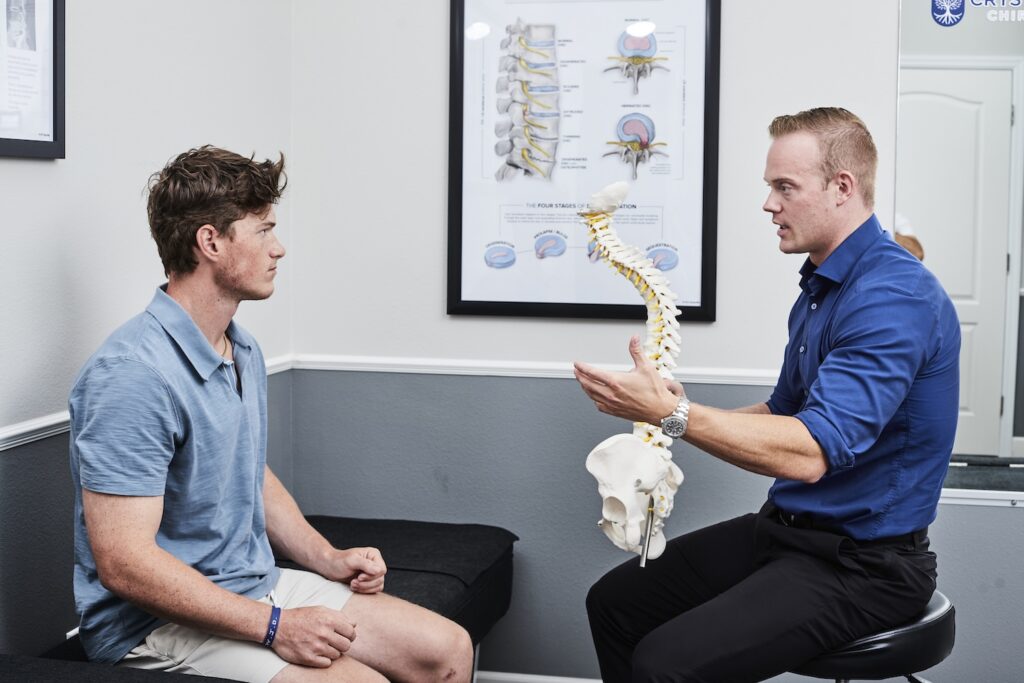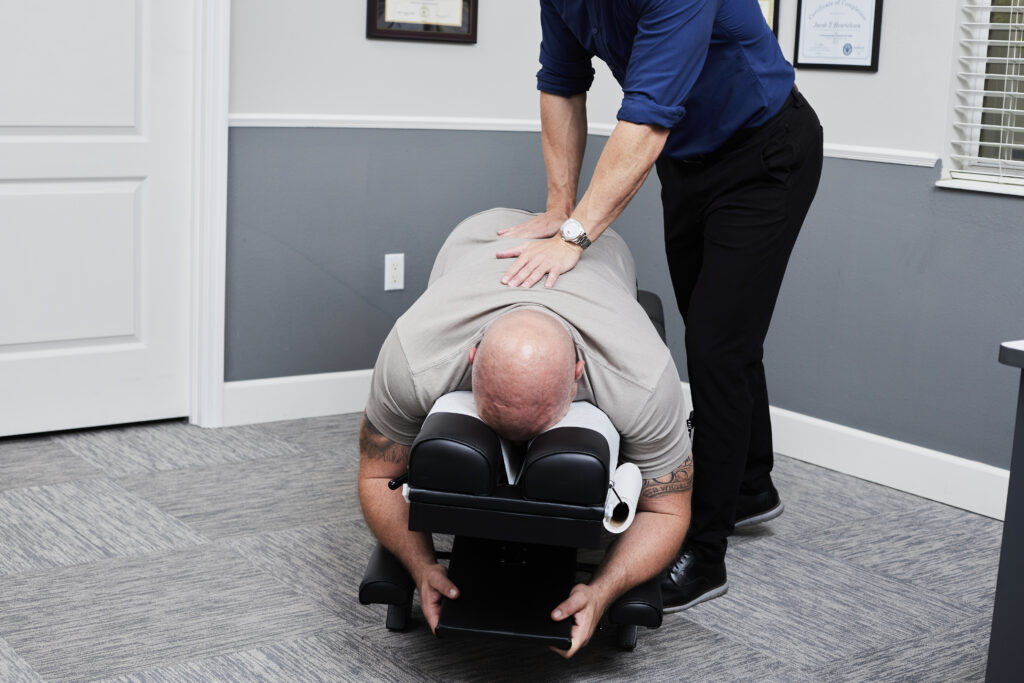

As a local chiropractor, I understand the burden that chronic pain can impose on your daily life. It can feel overwhelming and exhausting, but I want to share with you that there is hope. By taking control of your health and exploring chiropractic care, you can embark on a transformative journey that not only addresses your pain but also enhances your overall well-being.
Chiropractic care focuses on the relationship between your spine and nervous system, and how misalignments can contribute to pain. Through gentle adjustments and holistic practices, we can help restore balance to your body. Additionally, I encourage you to consider incorporating mindful practices, nutritional changes, and building a supportive community into your routine. These elements can empower you to shift your mindset and redefine your relationship with pain.
Now, as you contemplate your next steps, I invite you to think about what the first change could be in your daily routine—perhaps scheduling a chiropractic consultation to assess your individual needs. Together, we can create a plan that promotes healing and helps you reclaim your life from chronic pain.
Understanding Chronic Pain
Chronic pain is more than just a symptom; it's a multifaceted condition that can have a profound impact on your life. As a chiropractor, I often see how chronic pain can disrupt daily activities—making it difficult to work, socialize, or enjoy your favorite hobbies.
Unlike acute pain, which typically has a specific cause and resolves after a certain period, chronic pain can persist for months or even years, often without a clear origin. This uncertainty can lead to feelings of frustration and helplessness.
Understanding chronic pain is crucial for your wellness journey. It's important to recognize that this condition can present itself in various ways, from dull aches to sharp, stabbing sensations. Emotional and psychological effects, such as anxiety or depression, can also accompany chronic pain, often exacerbating the discomfort you may feel. This interconnectedness means that simply addressing the physical symptoms may not be sufficient for relief.
In my practice, I encounter different types of chronic pain, such as neuropathic pain, which arises from nerve damage, or nociceptive pain, which is related to tissue injury. Each type requires a tailored approach to treatment, and identifying your specific pain type can help us create a management plan that works best for you.
It's also important to remember that chronic pain can vary in intensity from day to day. Some days may feel better than others, and that's completely normal.
Gaining a deeper understanding of your condition is the first step toward regaining control over your life and discovering effective strategies to manage your pain. Embrace this journey toward healing, and know that I'm here to support you with natural healing techniques and resources. Together, we can work towards a more comfortable and fulfilling life.
The Mind-Body Connection
As a local chiropractor, I want to help you understand the vital connection between your mind and body, especially when it comes to managing chronic pain. Pain isn't just something that affects your body; it also influences your emotions, thoughts, and beliefs. By recognizing how these elements interact, you can take an active role in your wellness journey.
Your mindset plays a significant role in how you experience pain. Stress, anxiety, and negative thinking can heighten your discomfort, whereas positive emotions and relaxation techniques can help you find relief. I often recommend practices like mindfulness and meditation to my patients. These techniques can enhance your awareness of your thoughts and feelings, enabling you to respond to pain with greater resilience.
By focusing on the present moment, you can lessen the emotional burden of pain and gain a new perspective. In my practice, I also encourage techniques such as deep breathing and visualization. These methods promote relaxation and help to reduce tension in your body. When you consciously release stress, you create a healthier environment for healing.
Engaging in activities you love or spending time outdoors can also lift your mood and diminish your perception of pain. Another useful tool I suggest is journaling about your pain experiences. This can help clarify your emotions and identify patterns that may be contributing to your discomfort.
Nutritional Strategies for Relief
As your local chiropractor, I want to emphasize the vital role that your diet plays in managing chronic pain and enhancing your overall wellness. Many of my patients may not realize that what you eat can significantly influence your pain levels and recovery process.
One key strategy is to incorporate anti-inflammatory foods into your meals. These foods can help reduce inflammation in your body, potentially alleviating pain and promoting healing.
Additionally, staying well-hydrated is crucial; proper hydration supports your body's functions and can further aid in pain relief.
Let's dive deeper into how these nutritional strategies can empower you on your journey to finding relief and improving your health naturally.
Anti-Inflammatory Foods
As a local chiropractor dedicated to your health and wellness, I want to emphasize the importance of incorporating anti-inflammatory foods into your diet to help alleviate chronic pain and promote overall well-being. Many people may not realize that the foods we consume can significantly impact inflammation levels in our bodies, which is often a contributing factor to pain.
Start by making fruits and vegetables a central part of your meals. Berries, leafy greens, and cruciferous vegetables like broccoli are rich in antioxidants that combat inflammation, making them excellent choices for your diet.
Let's not overlook the role of healthy fats! Including foods that are high in omega-3 fatty acids, such as salmon, walnuts, and flaxseeds, can be incredibly beneficial in reducing inflammation. Additionally, spices like turmeric and ginger aren't only flavorful but also serve as powerful anti-inflammatory agents that can help ease your discomfort.
Whole grains, like quinoa and brown rice, are great sources of fiber, which is essential for maintaining gut health. A healthy gut can play a critical role in reducing inflammation throughout your body.
On the other hand, it's wise to limit processed foods, refined sugars, and trans fats, as these can worsen inflammation and contribute to pain.
By making these dietary changes, you're taking proactive steps towards managing your chronic pain and enhancing your quality of life. Remember, every small adjustment you make in your diet counts on your journey to better health and wellness.
If you have any questions or would like more personalized advice, feel free to reach out during your next visit!
Hydration and Pain Relief
As a local chiropractor, I want to emphasize the crucial role that hydration plays in managing chronic pain and promoting overall wellness. When you maintain proper hydration by drinking enough water, you're helping your body flush out toxins and reduce inflammation, both of which can significantly alleviate pain.
It's important to understand that dehydration can lead to muscle cramps, stiffness, and headaches, all of which may intensify your discomfort. I recommend aiming for at least eight glasses of water a day, but it's vital to listen to your body. If you're active or live in a warmer climate, you might require even more fluid.
Including hydrating foods such as cucumbers, watermelon, and oranges in your diet can also enhance your fluid intake. Don't overlook the importance of electrolytes. Staying well-hydrated allows your muscles to function optimally, which can help minimize pain related to muscle tension or overexertion.
After exercise, consider incorporating electrolyte-rich options like coconut water or bananas into your routine. It's also wise to limit your intake of caffeine and alcohol since both can contribute to dehydration and worsen your pain.
Instead, I suggest opting for herbal teas, which can be a calming alternative that keeps you hydrated while offering additional health benefits. By making hydration a priority in your life, you can take a simple yet powerful step towards effectively managing chronic pain.
Effective Exercise Regimens
As a local chiropractor, I want to share how an effective exercise regimen can play a crucial role in managing chronic pain and enhancing your overall health. Regular physical activity not only helps strengthen your muscles and improve flexibility, but it also contributes to your overall well-being.
It's important to choose exercises that align with your unique needs and limitations to avoid exacerbating any pain you may already be experiencing.
I recommend starting with low-impact activities such as walking, swimming, or cycling. These exercises are gentle on your joints and can be easily modified to match your comfort level. Aim for at least 30 minutes of activity most days of the week, and don't hesitate to break it into shorter sessions if that feels better for you.
Consistency is vital, so try to find activities that you genuinely enjoy to help keep you motivated.
In addition to cardio, incorporating strength training exercises two to three times a week can be beneficial. Focus on strengthening your core, back, and leg muscles, as these areas provide essential support for your body and can help alleviate pain.
Start with resistance bands or light weights, and gradually increase the intensity as you feel more at ease.
Flexibility exercises are equally important. Stretching can enhance your range of motion and diminish stiffness, making daily activities easier.
I encourage you to explore practices like yoga or Pilates, which are excellent for promoting both strength and flexibility in a gentle manner.
Most importantly, it's crucial to listen to your body. If you experience any increase in pain or discomfort while exercising, don't hesitate to modify your routine.
I recommend consulting with a physical therapist or a fitness professional who specializes in chronic pain management to develop a personalized exercise plan tailored to your needs.
Mindfulness and Meditation Techniques
As a chiropractor, I've seen many patients with chronic pain find significant relief by incorporating mindfulness and meditation techniques into their daily lives. These practices can greatly enhance your overall well-being by helping you focus on the present moment, which can be a powerful way to break the cycle of pain and anxiety that often accompanies chronic conditions.
I encourage you to start by dedicating just a few minutes each day to practice mindfulness. Find a quiet place where you can sit comfortably. Close your eyes and take deep, slow breaths. As you inhale, visualize calmness filling your body, and as you exhale, imagine releasing any tension and discomfort. If your mind starts to wander, gently guide your focus back to your breath. This simple yet effective practice can help cultivate awareness and reduce the emotional response to pain.
In addition to mindfulness, guided meditation can be incredibly beneficial for pain management. There are numerous apps and online resources that offer a variety of meditations specifically tailored for individuals dealing with pain. I recommend selecting one that resonates with you and committing to it regularly. Over time, you may notice a shift in how you perceive both pain and stress, which can complement the physical adjustments we provide in chiropractic care.
Another valuable technique is body scanning. This practice involves mentally scanning your body from head to toe, recognizing any areas of discomfort without judgment. Body scanning promotes acceptance and can help you feel more in tune with your body, enhancing the healing process we aim for through chiropractic adjustments.
Building a Support System
Building a robust support system is crucial for anyone navigating the challenges of chronic pain management, and as your local chiropractor, I want to share how chiropractic care can play a role in this journey. Surrounding yourself with understanding and compassionate individuals is vital, but so is incorporating holistic approaches that can enhance your overall well-being.
Start by reaching out to family and friends who can provide emotional support. It's important to communicate your needs with them—whether you need someone to listen, help with daily tasks, or accompany you to appointments. Let them know how chiropractic care might benefit you, as understanding your treatment can foster a supportive environment.
Consider joining a support group, either in-person or online, where you can connect with others facing similar challenges. Sharing experiences and coping strategies can be incredibly encouraging. As you engage in these communities, remember that chiropractic care focuses on addressing the root causes of pain, and discussing this with others can empower you and provide valuable insights.
Don't overlook the importance of professional support in your healing journey. As a chiropractor, I can offer tailored strategies to help you manage your pain and improve your mobility. Through personalized treatment plans, including spinal adjustments and other natural healing techniques, we can work together to create a comprehensive approach to your pain management.
Additionally, consider involving friends in your wellness journey by inviting them to participate in activities that promote healing, such as stretching exercises or mindfulness practices. Sharing your goals and progress can create a sense of accountability and motivate you both.
Building a strong support system isn't just about seeking help; it's also about fostering connections that uplift and inspire you. By surrounding yourself with supportive individuals and integrating chiropractic care into your routine, you can enhance your pain management journey and improve your overall quality of life. Together, we can work towards a healthier, more fulfilling future.
Tracking Progress and Adjustments
As your local chiropractor, I want to emphasize how important it's to track your progress when managing chronic pain.
By keeping an eye on your pain levels and making necessary adjustments to your treatment plan, we can discover what works best for your unique situation. This process not only helps us tailor your chiropractic care but also empowers you to understand your body better.
Setting realistic goals along the way will keep you motivated and focused on your journey toward wellness.
Monitoring Pain Levels
As a chiropractor dedicated to your wellness journey, I want to emphasize the importance of effectively monitoring your pain levels. Understanding your pain is crucial to identifying patterns, recognizing triggers, and assessing the effectiveness of the natural healing strategies we implement together.
Here are four practical steps you can take to keep track of your pain and enhance your healing process:
- Daily Journaling: I encourage you to keep a journal where you record your pain levels each day. Note the intensity, duration, and any activities you engaged in. This practice will help you observe trends and changes over time, allowing us to make informed adjustments to your treatment plan.
- Use a Pain Scale: When assessing your pain, rate it on a scale from 1 to 10—where 1 signifies minimal discomfort and 10 represents unbearable pain. This straightforward method will provide us with a clear snapshot of your experience and help us gauge the effectiveness of your chiropractic care.
- Identify Triggers: It's essential to keep track of what seems to worsen your pain—be it specific movements, dietary choices, or stressors in your life. By recognizing these triggers, we can work together to develop strategies to avoid or manage them effectively, promoting your overall well-being.
- Set Goals: I recommend establishing specific, achievable goals related to your pain management. For instance, you might aim to reduce your average pain level by one point over the next month. Setting these goals will give us a clear focus for your chiropractic care and empower you in your healing journey.
Adjusting Treatment Plans
As you begin your journey towards better health, monitoring your pain levels is crucial for your ongoing progress, especially when considering chiropractic care. Keeping track of your symptoms can help you identify patterns and triggers related to your discomfort, enabling you to make more informed decisions about your care.
I encourage you to maintain a journal or use an app to document not just the intensity of your pain, but also factors such as your activity levels, stress, and sleep quality. This information will be incredibly useful when we discuss your treatment plan together.
If you find that certain approaches aren't providing the relief you seek, please don't hesitate to let me know. Open communication is key to effective chiropractic care.
By sharing what works and what doesn't, we can evaluate your treatment together and make necessary adjustments. This might involve modifying your chiropractic adjustments, incorporating additional therapies like massage or physical therapy, or even discussing lifestyle changes that can support your healing process.
Setting Realistic Goals
As your local chiropractor, I understand that embarking on a wellness journey can feel daunting, especially if you're unfamiliar with chiropractic care and natural healing.
With a solid grasp of your pain patterns and how effective treatments can be, it's essential to set realistic and attainable goals for your health. Here's how we can work together to create those goals:
- Define Specific Outcomes: Instead of a broad statement like, "I want to feel better," let's get specific. For instance, you could aim to decrease your pain level from a 7 to a 4 within the next three months. This will give us a clear target to work towards.
- Break It Down: Large goals can often feel overwhelming. To make them more manageable, let's break them into smaller, actionable steps. For example, if your goal is to incorporate more exercise into your routine, we could start with a commitment to a 10-minute walk three times a week. This will gradually build your confidence and stamina.
- Set a Timeline: Having a timeline for each goal is crucial for accountability. Together, we can establish a timeframe for when you aim to achieve your goals. For example, we might target a specific month for a noticeable improvement, and we can make adjustments along the way if necessary.
- Monitor and Adjust: It's important to track your progress regularly. We can check in weekly to see how you're doing. If any goal feels too ambitious or isn't yielding the results we hoped for, we can modify it.
Remember, flexibility is key in your wellness journey, and I'm here to support you every step of the way.
Conclusion
As a chiropractor, I want to share with you that embarking on a wellness journey to alleviate chronic pain is entirely achievable with the right mindset and methods. It's essential to understand the profound connection between your mind and body. By nourishing yourself with anti-inflammatory foods and engaging in specific exercises tailored to your needs, you can significantly reduce discomfort and enhance your overall health.
In addition to physical care, incorporating mindfulness techniques can greatly enhance your mental clarity and resilience, providing you with the tools to cope with pain more effectively. Don't overlook the importance of a supportive community—surround yourself with friends, family, or support groups that understand your journey.
As you navigate this process, I encourage you to keep track of your progress and be open to adjustments along the way. Remember, chiropractic care is here to support you in achieving a healthier, more fulfilling life. Together, we can work towards saying goodbye to chronic pain for good. You've got this, and I'm here to help!