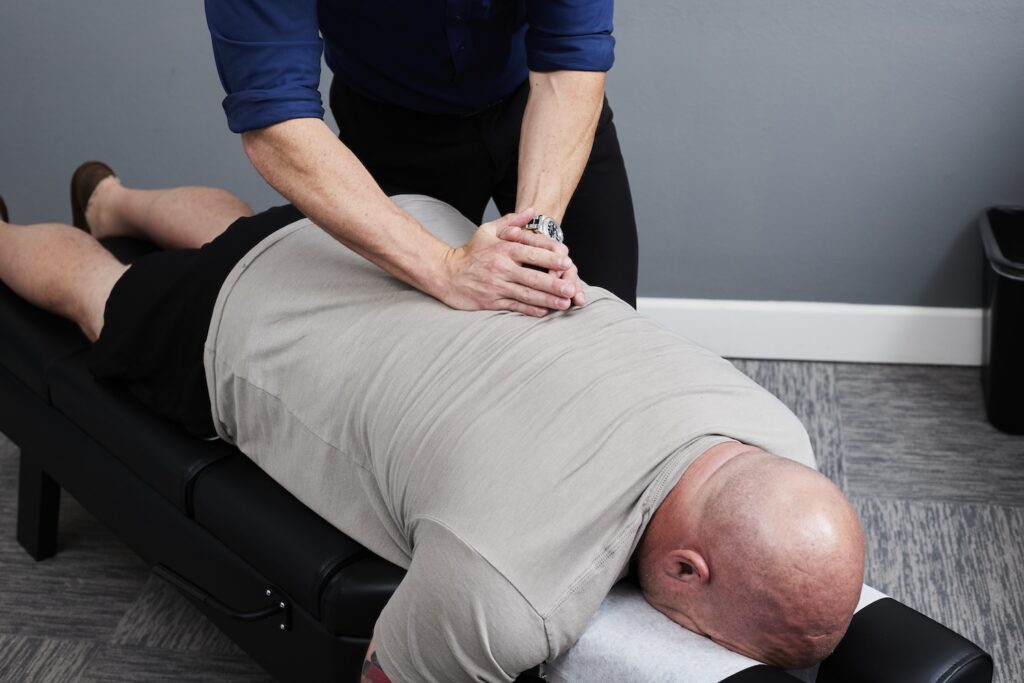
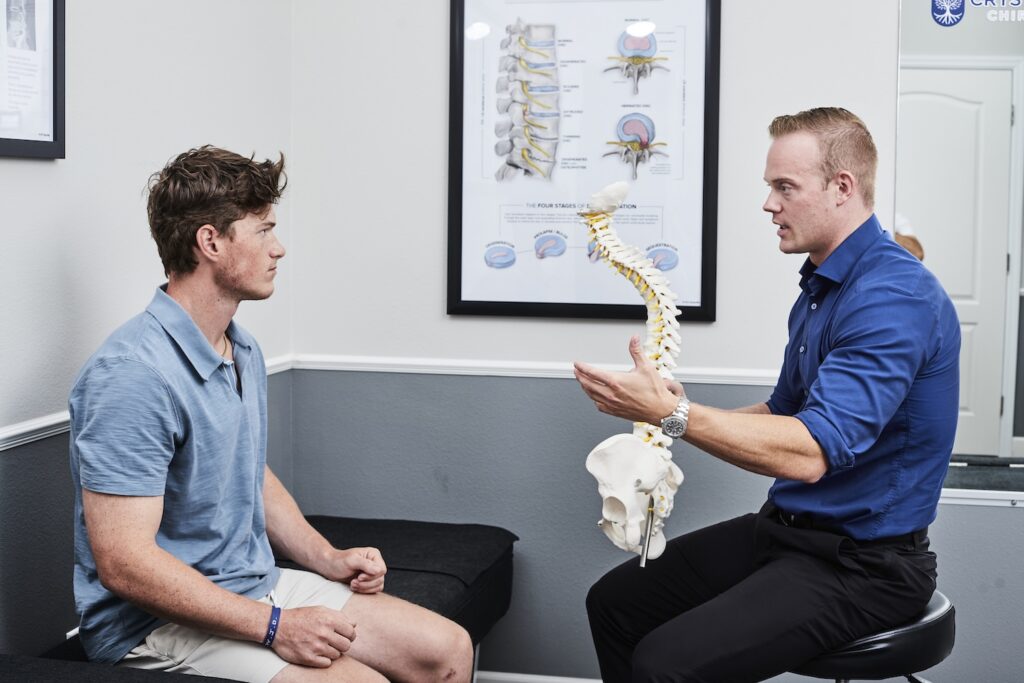
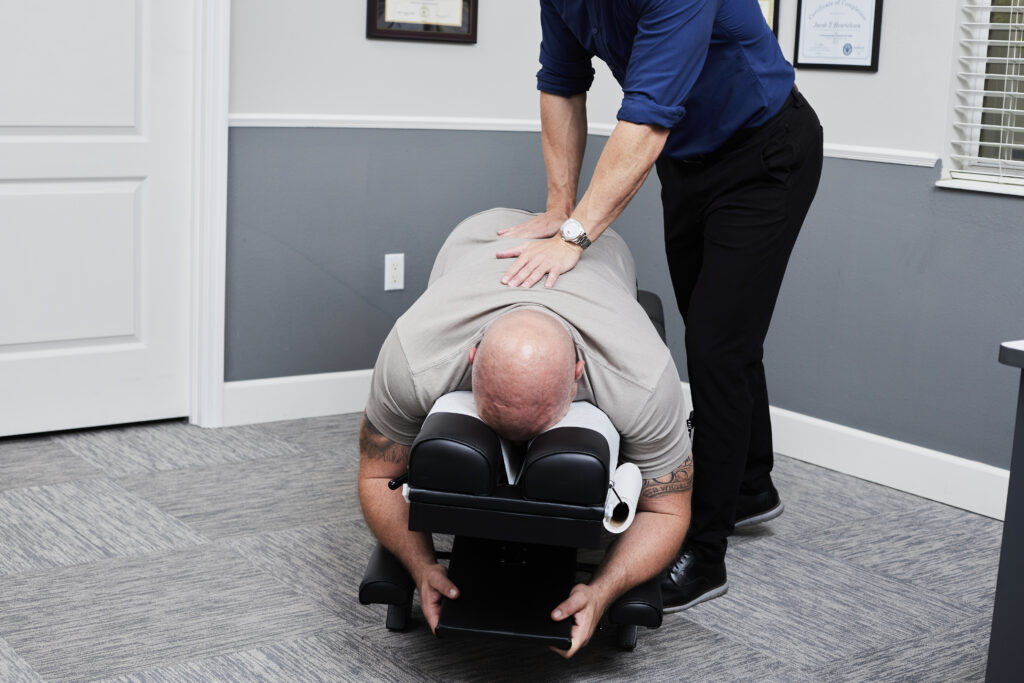
As a local chiropractor, I want to emphasize the often-overlooked benefits of alternative therapies in enhancing your athletic recovery. Many people may not realize how techniques such as chiropractic adjustments, massage, yoga, and acupuncture can play a pivotal role in not only healing muscles but also in managing stress and boosting overall performance.
When considering your recovery routine, it's important to recognize how these therapies work in conjunction with proper nutrition and quality sleep. You might be surprised to learn that even small adjustments in your approach can lead to significant improvements in both your recovery process and athletic performance. Embracing these natural healing methods can help you achieve your fitness goals more effectively.
Importance of Recovery
In the realm of athletics and physical activity, recovery isn't merely a post-training obligation; it serves as the foundation for long-term performance and overall well-being. While it's natural to push your limits during workouts, neglecting the recovery process can lead to injuries, burnout, and stagnation in your progress. Recovery is essential for allowing your muscles to heal, replenishing your energy levels, and sharpening your mental focus.
As a local chiropractor, I want to emphasize that prioritizing recovery is an investment in your future performance. Adequate rest and recovery help prevent overtraining, which can result in decreased strength and endurance. It's important to listen to your body's signals; feelings of fatigue or persistent soreness are your body's way of indicating that it might be time to take a step back. Ignoring these signals can lead to setbacks that take much longer to recover from than a few days of rest would.
Recovery goes beyond just physical rest. It includes essential elements like proper nutrition, hydration, and quality sleep. A well-rounded recovery plan should involve nourishing your body with the right nutrients to support muscle repair and growth. Staying hydrated is crucial for optimal functioning, and getting enough quality sleep is vital for rejuvenating both your mind and body.
Incorporating active recovery techniques—such as stretching, gentle yoga, or low-intensity workouts—can further enhance your recovery process. These practices promote blood circulation and reduce muscle stiffness, allowing you to bounce back stronger and more resilient.
Ultimately, embracing recovery as a fundamental part of your training regimen can significantly boost your performance and help you reach your athletic goals. So, don't underestimate its importance; make recovery a priority, and you'll experience the benefits in every aspect of your athletic journey.
As your chiropractor, I'm here to support you in understanding how recovery and natural healing can enhance your overall health and athletic performance.
Overview of Alternative Therapies
As a local chiropractor, I want to share some insights about alternative therapies that can greatly benefit athletes looking for effective recovery methods beyond traditional treatments.
These therapies not only complement conventional care but also provide unique advantages that can enhance your overall athletic performance. If you're open to exploring these options, you may find that they help you recover more quickly and feel rejuvenated after challenging workouts or competitions.
Here's a brief overview of some popular alternative therapies I recommend:
1. Massage Therapy: This technique is instrumental in improving circulation, alleviating muscle tension, and promoting relaxation.
Regular massage sessions can significantly aid in faster recovery and minimize post-exercise soreness, making it an excellent addition to your recovery routine.
2. Yoga and Stretching: Incorporating yoga or specific stretching exercises into your regimen can boost your flexibility and strength while lowering the risk of injuries.
This holistic approach also encourages mindfulness, which can positively impact your mental state during recovery.
3. Hydrotherapy: Utilizing water for recovery—like cold baths or contrast showers—is a powerful method to reduce inflammation and enhance blood flow.
Hydrotherapy can leave you feeling refreshed and revitalized, preparing you for your next athletic challenge.
4. Nutritional Therapy: Your diet plays a crucial role in recovery.
By focusing on proper nutrition and supplementation, you can significantly influence your healing process. Incorporating anti-inflammatory foods and ensuring adequate hydration can help expedite your recovery time.
At my practice, I'm dedicated to helping you understand and embrace these natural healing methods.
Together, we can create a personalized recovery plan that integrates these alternative therapies to support your athletic endeavors.
Acupuncture for Muscle Relief
As a local chiropractor, I want to share how acupuncture can be a valuable tool for addressing muscle pain and enhancing your overall recovery.
Many of my patients are surprised to learn that this ancient healing practice can effectively reduce pain and discomfort. By stimulating specific points in the body, acupuncture not only alleviates muscle soreness but also improves blood circulation, which is crucial for faster healing.
Incorporating acupuncture into your wellness routine can complement your chiropractic care and help you recover more efficiently, especially if you're active in sports or physical activities.
It's a natural approach that supports your body's ability to heal itself.
Pain Reduction Techniques
As a local chiropractor, I want to introduce you to the benefits of acupuncture, a complementary technique that can significantly enhance your recovery and muscle relief.
By utilizing fine needles to target specific pain points, acupuncture promotes healing and helps manage pain effectively. This ancient practice can be particularly beneficial after intense workouts, allowing your body to recover more quickly and naturally.
Here are four key advantages of incorporating acupuncture into your pain reduction strategy:
- Targeted Pain Relief: Acupuncture zeroes in on specific muscle groups, providing relief directly at the source of your discomfort.
- Reduced Muscle Tension: The insertion of needles can help to relax tight muscles, which can lead to improved mobility and ease in everyday activities.
- Enhanced Mental Well-being: Many patients find that acupuncture reduces stress and anxiety, which are often contributors to muscle pain and discomfort.
- Minimal Side Effects: Unlike some conventional pain medications that may carry significant side effects, acupuncture is generally safe and poses very few risks, making it a great option for those looking for natural healing solutions.
Integrating acupuncture into your recovery routine can make a meaningful difference in how you feel after exercising.
It's a powerful tool that not only assists in reducing pain but also supports your body's natural healing processes.
If you're curious about how acupuncture can work alongside chiropractic care to improve your overall well-being, I'd be happy to discuss this with you further!
Enhanced Blood Circulation
Enhanced blood circulation is crucial for muscle relief, particularly after engaging in strenuous exercise. When you push your body during intense workouts, your muscles can develop micro-tears, resulting in soreness and stiffness. By improving circulation, we can effectively deliver oxygen and essential nutrients to these affected areas, which accelerates the healing process.
One highly beneficial method to enhance blood circulation is through acupuncture. This time-honored practice involves inserting thin needles at specific points on your body. By stimulating these points, acupuncture promotes energy flow and increases blood flow, which can significantly reduce muscle tension and alleviate pain.
Many of my patients have reported that after an acupuncture session, they experience a noticeable reduction in muscle tightness and a quicker recovery time. Athletes, in particular, have found that incorporating acupuncture into their recovery regimens leads to less soreness and improved overall performance.
Furthermore, I always recommend combining acupuncture with other recovery techniques like stretching and proper hydration to maximize the benefits. By integrating these natural healing methods into your recovery plan, you can enjoy significant improvements, allowing you to bounce back faster and return to your training with renewed strength.
Embracing acupuncture and chiropractic care can elevate your athletic recovery and enhance your overall well-being.
Benefits of Cryotherapy
As a local chiropractor, I want to introduce you to the remarkable benefits of cryotherapy for your overall wellness and recovery.
This natural healing method can significantly reduce inflammation and alleviate pain, particularly after those intense workouts or physical activities. By exposing your body to cold temperatures, cryotherapy helps to speed up muscle recovery, allowing you to return to your training routine more quickly and efficiently.
Many athletes are embracing this technique as part of their performance-enhancing strategies, and I believe it can be a valuable tool for anyone looking to improve their health and well-being.
If you're curious about how cryotherapy can complement your chiropractic care, I invite you to learn more about it in our practice.
Reduced Inflammation and Pain
As a local chiropractor, I want to introduce you to an effective recovery method that many athletes and individuals looking for relief have found beneficial: cryotherapy. This innovative approach utilizes extremely cold temperatures to stimulate your body's natural healing processes, especially when it comes to reducing inflammation and alleviating pain.
Here are some key benefits of cryotherapy that you might find appealing:
- Reduced Swelling: The cold exposure causes blood vessels to constrict, which can significantly decrease swelling in injured or fatigued muscles. This is especially helpful after physical activity or injury.
- Pain Alleviation: Cryotherapy works by numbing nerve endings, offering immediate relief from pain. This can be particularly effective for acute injuries or those stubborn muscle aches that linger after a workout.
- Enhanced Circulation: Once the cold treatment is over and your body starts to warm up again, blood circulation improves. This increased blood flow helps eliminate toxins and supplies essential nutrients to your muscles and tissues, promoting overall healing.
- Faster Recovery: If you incorporate regular cryotherapy sessions into your recovery routine, you may find that you bounce back from workouts and competitions more quickly. This allows you to train harder and more consistently, which can lead to better performance over time.
At our chiropractic practice, we emphasize the importance of natural healing methods like cryotherapy to support your body's recovery processes.
If you're curious about how this therapy can fit into your wellness journey, feel free to ask during your next visit!
Accelerated Muscle Recovery
As a local chiropractor, I often emphasize the incredible benefits of cryotherapy, particularly when it comes to accelerating muscle recovery post-exercise. Many of my patients are unfamiliar with this powerful technique, so let me explain how it works.
When you expose your body to extreme cold, it initiates a series of physiological processes that can significantly reduce muscle soreness and enhance healing. This means you'll notice a decrease in recovery time, enabling you to return to your training routine much sooner.
During a cryotherapy session, your blood vessels constrict, which effectively helps to flush out toxins and reduce inflammation in your muscles. Once the session is over and your body warms back up, those blood vessels dilate. This dilation promotes improved circulation, ensuring that essential nutrients are delivered to your muscles.
As a result, any damaged tissues can recover more efficiently, leaving you feeling revitalized and prepared to take on your next challenge.
In addition, cryotherapy can be a fantastic way to alleviate muscle fatigue and stiffness. By incorporating this therapy into your routine, you may find it easier to maintain peak performance, especially during those demanding training cycles.
Many of my patients have reported an increase in their overall stamina and endurance with regular cryotherapy sessions. So, if you're looking to enhance your athletic recovery and overall well-being, consider adding cryotherapy to your muscle recovery journey—it's a game-changer that can complement your chiropractic care and natural healing practices beautifully.
Yoga for Flexibility and Mindfulness
As a chiropractor, I want to share how yoga can be a valuable addition to your wellness routine, especially when it comes to enhancing flexibility and promoting mindfulness.
While many people may view yoga simply as a sequence of poses, it's actually a holistic practice that can significantly benefit your physical and mental well-being. By integrating yoga into your lifestyle, you can experience improvements in both your physical performance and mental clarity.
Here are four essential benefits of yoga that I encourage you to consider:
1. Increased Range of Motion: Regular engagement in yoga helps to stretch and strengthen your muscles, which can enhance your overall range of motion. This is particularly important for maintaining joint health and preventing injuries, a key focus in chiropractic care.
2. Enhanced Balance and Stability: Many yoga poses emphasize balance, which can improve your stability not only during yoga practice but also in your daily activities and sports. This increased stability is vital for maintaining proper alignment and function in your body, which is a cornerstone of chiropractic health.
3. Mindfulness and Stress Reduction: Yoga promotes mindfulness through a focus on breath and being present in the moment. This practice can help reduce stress and anxiety, leading to improved mental clarity.
For those under chiropractic care, managing stress is crucial for overall health and can enhance the effectiveness of your treatments.
4. Improved Recovery: Incorporating gentle yoga sessions into your recovery routine can stimulate blood flow, helping to alleviate muscle soreness and promote healing. This complements the chiropractic adjustments you may receive, supporting a more holistic approach to recovery.
Massage Therapy Techniques
Massage therapy techniques are an integral part of enhancing athletic recovery and promoting overall wellness, and as your local chiropractor, I want to help you understand their benefits. When you integrate these techniques into your routine, you can significantly alleviate muscle tension, boost circulation, and encourage relaxation—all essential components for optimal health.
One widely recognized method is Swedish massage, characterized by long, flowing strokes that promote increased blood flow while relaxing tight muscles. Not only does this technique provide a pleasurable experience, but it also aids in flushing out toxins that may accumulate after strenuous workouts.
If you're experiencing specific muscle soreness, deep tissue massage can be particularly beneficial. It targets deeper layers of muscle and connective tissue, effectively alleviating chronic pain and stiffness, making it an excellent choice for those engaged in rigorous training.
Moreover, sports massage is tailored specifically for athletes, focusing on the areas of your body that endure the most stress based on your sport. This customized approach can significantly enhance your performance, whether you're preparing for an event or recovering afterward, all while reducing the risk of injury.
Additionally, I encourage you not to overlook trigger point therapy. This technique zeroes in on tight areas within muscle tissue, effectively relieving knots and improving your range of motion.
By incorporating these various massage techniques into your recovery plan, you can facilitate quicker healing, allowing you to return to your training with renewed energy and vitality.
As your chiropractor, I'm here to guide you through these natural healing methods, ensuring you have the knowledge and tools to support your body's recovery and wellness journey.
Nutritional Support for Recovery
As your local chiropractor, I want to highlight the critical role that nutritional support plays in your recovery journey. Proper nutrition is essential for fueling your body with the important nutrients it needs to heal and function at its best.
After engaging in intense physical activity, your muscles require specific nutrients to recover efficiently. By being mindful of your diet, you can significantly influence your recovery time and overall performance.
To enhance your recovery through nutrition, consider these four key elements:
- Protein Intake: Adequate protein consumption is vital for repairing muscle tissue and supporting growth. I recommend that you aim for a protein-rich meal or snack within 30 minutes after your workout. Options like a protein shake or grilled chicken can give your muscles the boost they need.
- Carbohydrates: After strenuous activity, replenishing your glycogen stores is crucial. Incorporate complex carbohydrates into your meals, such as whole grains, fruits, and vegetables. These will provide you with the sustained energy necessary for your future workouts.
- Hydration: Staying well-hydrated is essential for your recovery. Water plays a key role in nutrient transport and helps to prevent fatigue. If your workout has been particularly intense or lengthy, consider drinking electrolyte-rich beverages to replenish lost minerals.
- Vitamins and Minerals: Don't overlook the importance of micronutrients. Vitamins like C and E are known for supporting muscle repair and reducing oxidative stress. Including a variety of colorful fruits and vegetables in your diet ensures that you obtain a broad spectrum of essential vitamins and minerals.
Incorporating these nutritional strategies not only supports your recovery but also complements the chiropractic care you receive. Together, they can help you achieve optimal health and wellness.
If you have any questions about integrating nutrition into your recovery plan, feel free to reach out—I'm here to help!
The Role of Sleep
As a local chiropractor, I want to emphasize the critical role that sleep plays in your recovery and overall health. Many people often overlook the importance of quality sleep, but it's just as vital as proper nutrition and regular exercise.
When you sleep, your body engages in essential processes that are necessary for healing, such as muscle repair, tissue growth, and the release of recovery-enhancing hormones. If you aren't getting adequate rest, you may be limiting your body's ability to recover after workouts or daily activities.
I recommend aiming for 7 to 9 hours of quality sleep each night. It's not just about how long you sleep; the quality of that sleep is equally important. Deep sleep is particularly vital because it's during this stage that your body releases growth hormone, which aids in muscle recovery and regeneration.
To improve your sleep quality, try to establish a consistent sleep schedule. Going to bed and waking up at the same time every day can help regulate your body's internal clock, making it easier to fall asleep and wake up refreshed.
Creating a sleep-friendly environment can also enhance your sleep experience. Aim to keep your bedroom dark, cool, and quiet to promote restful slumber. It's best to avoid screens before bedtime, as the blue light emitted can interfere with your natural sleep cycle. Instead, you might consider engaging in relaxing activities such as reading or meditating to help prepare your body for sleep.
Additionally, be mindful of your habits leading up to bedtime. Consuming caffeine or heavy meals too close to sleep can disrupt your ability to fall and stay asleep.
By prioritizing sleep in your recovery routine, you'll not only enhance your athletic performance but also improve your focus and speed up recovery times. Remember, a well-rested individual is more likely to thrive in their daily activities and overall wellness.
If you have any questions about how chiropractic care can support your recovery, feel free to reach out!
Integrating Therapies Into Routine
Integrating various recovery therapies into your routine can significantly enhance your athletic performance and overall well-being. As a local chiropractor, I want to emphasize the importance of a holistic approach to recovery, which can help your body heal faster, decrease the risk of injury, and improve your mental resilience.
Here's how you can effectively incorporate these therapies into your daily life:
- Schedule Regular Visits: It's essential to make time for recovery therapies like chiropractic adjustments, massage, or yoga. Consider setting aside specific days each week dedicated to these practices. Consistency is crucial for achieving the best results.
- Combine Therapies with Exercise: I recommend integrating therapies immediately after your workouts. For example, following a strenuous training session, you might benefit from a chiropractic adjustment or a session of foam rolling. This approach can enhance your recovery and maximize the advantages of each therapy.
- Tune into Your Body: Always listen to your body's signals. If you're experiencing fatigue or discomfort, it's important to prioritize recovery therapies. Adjust your routine accordingly to prevent burnout and promote healing.
- Explore Different Therapies: Don't limit yourself to just one type of therapy. Mixing various techniques, such as mindfulness meditation, nutritional support, and hydrotherapy, can help you discover what works best for your unique needs. This personalized approach can lead to optimal recovery and improved health.
By embracing these strategies, you can support your body's natural healing processes and enhance your overall well-being.
If you have any questions or need guidance on how to get started, feel free to reach out to me!
Conclusion
As a local chiropractor, I want to share how incorporating alternative therapies into your recovery routine can significantly enhance your athletic performance. Techniques such as acupuncture, cryotherapy, yoga, and massage therapy can play a crucial role in not only speeding up muscle healing but also fostering mental resilience.
It's important to remember that chiropractic care is centered around holistic health, which means we prioritize proper nutrition and quality sleep as essential components of your recovery journey. By tuning into your body's signals and integrating these natural therapies, you are paving the way for success both on and off the field.
I encourage you to take action and start prioritizing your recovery today. Together, we can explore how chiropractic care and alternative therapies can work hand-in-hand to optimize your athletic performance and overall well-being.