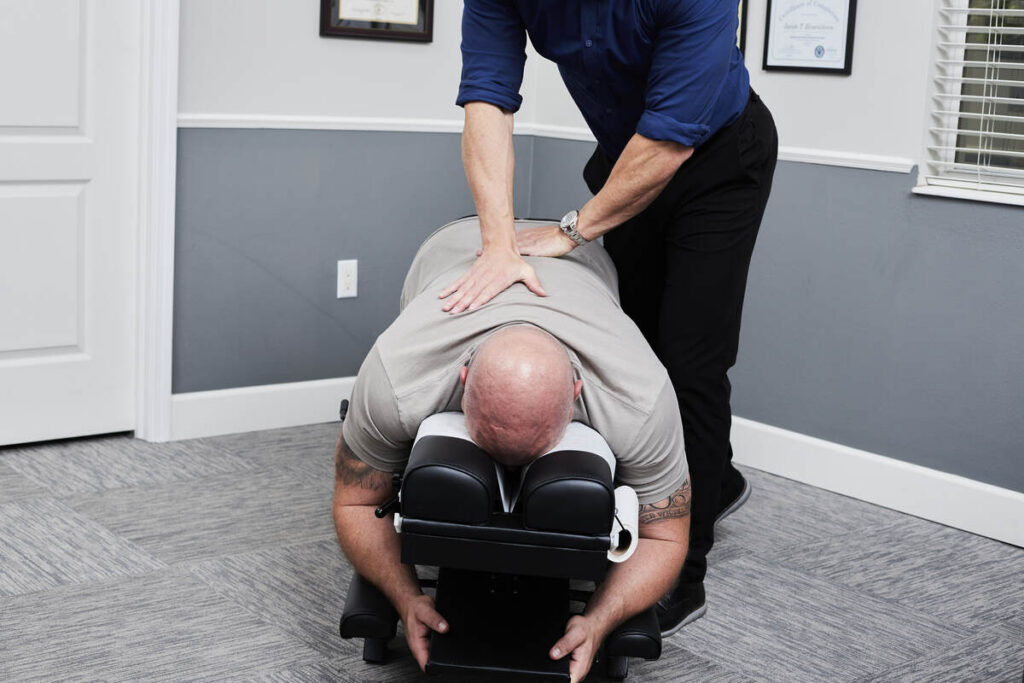
As a local chiropractor, I understand the unique challenges that children with ADHD face every day. It's essential to recognize that there are natural and practical strategies to help alleviate their symptoms and create a more stable environment. One of the key approaches is establishing a structured routine, which can significantly benefit your child's overall well-being. Additionally, breaking tasks into manageable steps can make daily activities feel less overwhelming.
But there's much more to consider when it comes to supporting children with ADHD. Have you ever thought about how nutrition plays a role in their focus and behavior? A balanced diet can have a profound impact on their mental clarity and energy levels. Moreover, incorporating mindfulness practices can help cultivate a sense of calm and improve attention.
As your chiropractor, I encourage you to explore these holistic strategies alongside chiropractic care. Together, we can work towards finding the best approach to enhance your child's quality of life and overall health.
Establish a Routine
As a local chiropractor, I understand that establishing a routine can significantly impact the well-being of children, especially those with ADHD. Creating a structured daily schedule not only helps your child know what to expect but also supports their overall health and wellness. Consistency in daily activities can reduce anxiety, improve focus, and make everyday tasks more manageable.
Start by ensuring your child has a regular wake-up time and bedtime. Adequate sleep is essential for managing ADHD symptoms and promoting overall health. A well-rested child is more likely to engage positively with their environment, including chiropractic care, which can help in relieving stress and tension in the body.
Next, divide the day into predictable segments that include time for meals, homework, play, and relaxation. By establishing clear time blocks, your child learns to anticipate changes, which can lessen frustration and support neurological function. Visual aids, like charts or calendars, can reinforce these routines, acting as reminders and helping your child feel more in control of their day.
Incorporating short breaks throughout the day is vital. These breaks allow your child to recharge, maintain focus, and can involve physical activity, which is beneficial for both concentration and mood. Activities like stretching or light exercise can be excellent ways to enhance their chiropractic care routine.
To make routines engaging, involve your child in the planning process. Ask for their input on activities and time allocations. When children feel a sense of ownership over their routines, they're more likely to follow through, which can complement the benefits of chiropractic adjustments.
Lastly, be patient and flexible. Adjust the routine as needed to find what works best for your child. Celebrate their successes, no matter how small, to reinforce positive behavior. By establishing a reliable routine, you not only support your child's development but also create an environment where natural healing through chiropractic care can thrive.
Break Tasks Into Steps
Breaking down tasks into smaller, manageable steps can significantly benefit children with ADHD, and this principle applies to many aspects of life, including health and wellness. As a chiropractor, I often see patients who may feel overwhelmed by the journey towards better health. By breaking down the process of chiropractic care into specific steps, we can make it more approachable and effective.
Begin by identifying the overall goal for your health, such as improving posture, alleviating pain, or enhancing overall wellness. From there, we can outline specific actions to take, like scheduling an initial consultation, undergoing a thorough assessment, and following a personalized treatment plan. Writing these steps down or using a checklist can help you track your progress and stay engaged in your healing journey.
It's essential to focus on one step at a time. During your visits, we'll address specific areas of concern and work together on exercises or adjustments that can help. Remember, it's perfectly fine to take breaks in between appointments to allow your body to reset and recover.
If you encounter challenges along the way, I'm here to offer guidance and support to keep you on track.
Lastly, let's celebrate small victories! Whether it's a reduction in pain or improved mobility, acknowledging these achievements can motivate you to continue your path toward better health. Positive reinforcement is a powerful tool in natural healing, and I'm here to help you every step of the way.
Use Visual Aids
Visual aids can significantly enhance the understanding of chiropractic care, especially for those who may not be familiar with the concepts of natural healing. By providing clear and engaging representations of information related to the spine, nervous system, and overall health, visual aids can help maintain focus and comprehension during our discussions.
Let's delve into the various types of visual aids we can use in our practice, the benefits they offer, and how you can incorporate them into your daily wellness routines.
Whether it's diagrams of the spine, illustrations of how adjustments work, or charts that depict the benefits of chiropractic care, these tools can make the information more accessible and relatable.
Incorporating visual aids into your understanding of chiropractic care can empower you to take charge of your health and wellness journey more effectively.
Types of Visual Aids
Effective communication is vital when it comes to educating patients about chiropractic care and natural healing. One highly effective method to enhance understanding is through the use of visual aids. These aids come in various forms, each tailored to serve a specific purpose in conveying information.
Firstly, charts and graphs can simplify complex health concepts, making it easier for you to grasp essential information about your body and how chiropractic adjustments work. They can break down the benefits of treatment into understandable steps, helping you visualize your progress and the improvement in your well-being.
Secondly, pictures and illustrations can serve as powerful motivators for patients. By using images to represent various treatment techniques or the anatomy of the spine, we can turn the often abstract ideas of chiropractic care into engaging and relatable concepts. This visual connection can spark your interest and increase your enthusiasm for the healing process.
Thirdly, color-coded systems can help organize your treatment plans. By assigning different colors to specific areas of focus or stages of your recovery, you can quickly identify what needs attention and understand the progression of your treatment journey.
Lastly, interactive tools like pamphlets, diagrams, or digital apps can make learning about chiropractic care more dynamic. These hands-on resources encourage participation and reinforce concepts through engaging activities, empowering you to take an active role in your healing process.
Benefits for Focus
Using visual aids can significantly enhance focus for children, especially those dealing with ADHD. As a chiropractor, I often emphasize the importance of a holistic approach to health, which includes not just physical well-being but also mental clarity. Visual tools, like colorful charts, diagrams, and images, can transform complex information into engaging content that captures attention. This engagement can lead to better retention of information, allowing children to stay on task longer.
Moreover, visual aids simplify complex concepts. Instead of overwhelming kids with long paragraphs of text, employing bullet points or infographics makes information more digestible. This clarity can alleviate frustration and help maintain concentration, which is crucial for overall well-being.
Visual cues also function as effective reminders. For instance, a visual schedule can provide children with a clear expectation of their day, reducing anxiety and minimizing distractions. When children can see what comes next, they're less likely to lose focus, promoting a more tranquil state of mind.
Lastly, these tools encourage active participation in the learning process. Children are more inclined to engage with lessons when visuals are incorporated, making the experience more interactive.
Implementation Strategies
Incorporating visual aids into daily routines can significantly benefit children with ADHD, much like how we approach holistic wellness in chiropractic care. Utilizing charts, diagrams, and images can assist your child in understanding concepts better and staying organized. For instance, creating a visual schedule that outlines daily tasks can break their activities down into manageable steps. This not only keeps them focused but also fosters a sense of achievement as they check off tasks they've completed.
Using color-coded materials to distinguish between subjects or activities can be particularly effective. Bright colors tend to capture attention and aid in categorizing information, similar to how we use specific techniques to address different areas of the body in chiropractic practice.
For homework assignments, graphic organizers can visually structure their thoughts, making it easier for them to write essays or tackle math problems, akin to how we help align the body for optimal function.
Incorporating tools like visual timers can also improve focus. These timers can visually display the remaining time, helping your child stay on track—much like how we emphasize the importance of timing and consistency in treatment for effective healing.
Finally, encourage them to utilize visual reminders, such as sticky notes or flashcards, for important tasks or study topics. By integrating these visual strategies into their routine, you'll empower your child to navigate their day with greater confidence and clarity, ultimately reducing frustration and enhancing their overall learning experience, much like how we strive to improve your well-being through natural healing approaches.
Encourage Regular Exercise
Regular exercise can be a transformative element in the lives of children with ADHD, and as a local chiropractor, I want to emphasize how integral this isn't only for their physical health but also for their mental well-being. Exercise can significantly reduce symptoms such as impulsivity and restlessness while enhancing focus and mood. By encouraging your child to engage in physical activity, you're supporting their overall health holistically.
Start by exploring activities that resonate with your child's interests. Whether it's riding a bike, swimming, or playing soccer, finding enjoyable exercises can foster a sense of motivation and enjoyment. Aim for at least 30 minutes of moderate to vigorous activity most days of the week. If necessary, breaking this time into shorter segments can make it more manageable and enjoyable for your child.
Consider integrating exercise into family routines. Participating in activities together—such as taking walks, playing tag, or joining a local sports team—will not only highlight the importance of regular physical activity but also fortify family bonds. This shared experience creates a supportive atmosphere where your child feels encouraged to engage.
Establishing a consistent routine is crucial. Incorporate exercise into your child's daily schedule, making it a regular part of their life. This consistency can help them appreciate the benefits of physical activity and foster long-term adherence.
Lastly, celebrate their achievements, no matter how small they may seem. Recognizing their efforts can significantly boost their confidence and motivate them to continue their journey toward regular exercise.
Practice Mindfulness Techniques
As a local chiropractor, I understand the importance of a holistic approach to health and wellness, especially for children. Integrating mindfulness techniques into your child's exercise routine can provide valuable support for their overall well-being.
Mindfulness not only enhances self-awareness but also helps with self-regulation, which is crucial for maintaining balance in both physical and emotional health.
To start, consider introducing simple breathing exercises. Encourage your child to take slow, deep breaths, inhaling through their nose and exhaling through their mouth. This practice can help calm the mind and body, making it easier for them to focus during their activities and promote better alignment in their posture.
In addition, guided imagery can be a powerful tool. Ask your child to close their eyes and visualize a peaceful place, such as a beach or a serene forest. Encourage them to engage their senses by imagining the sounds, smells, and sights of that environment. This technique can help them escape overwhelming thoughts, allowing for a greater sense of tranquility and relaxation that complements their physical health.
Another beneficial practice is mindful walking. During your walks together, remind your child to focus on the sensations of their feet touching the ground and the rhythm of their breath. This exercise can help ground them in the present moment, promoting relaxation and encouraging better body mechanics.
Lastly, consider exploring mindfulness apps designed for children. These apps often feature short exercises and engaging games that introduce mindfulness in a fun way. They can be an excellent resource for reinforcing these techniques and supporting your child's journey toward natural healing and overall well-being.
Limit Distractions
As a local chiropractor dedicated to your overall well-being, I want to emphasize the importance of managing distractions for both your physical and mental health.
Creating a quiet, serene space in your home or office can significantly enhance your ability to focus, which is essential for healing and maintaining a healthy lifestyle.
Additionally, reducing visual clutter in this area can further improve your concentration, allowing your body and mind to work harmoniously.
Designate a Quiet Space
Creating a tranquil environment can significantly aid children with ADHD in enhancing their focus and minimizing distractions. As a chiropractor, I understand the importance of a well-structured space in promoting overall well-being, including mental clarity. Establishing a dedicated area in your home where your child can concentrate is crucial.
This space should be designed to be free from noise and interruptions, allowing them to fully engage in their tasks without stress.
Here are some recommendations for setting up that ideal quiet zone:
- Comfortable seating: Invest in a cozy chair or a supportive bean bag that promotes good posture and relaxation, which can have a positive impact on their overall health.
- Soft lighting: Opt for natural light or a gentle lamp, as calming lighting can help reduce anxiety and create a peaceful atmosphere conducive to concentration.
- Minimal noise: Consider soundproofing the area or incorporating white noise to mask distractions, helping to create a serene environment that promotes focus.
- Personal touches: Encourage your child to personalize the space with their favorite items, as this can foster a sense of ownership and comfort, enhancing their ability to concentrate.
- Clear boundaries: It's essential to establish that this area is dedicated to focus and learning. Keeping it off-limits during playtime can help reinforce its purpose.
Minimize Visual Clutter
When considering how to support children with ADHD, it's crucial to minimize visual clutter to enhance focus and reduce distractions. As a chiropractor, I often emphasize the importance of a calming environment for overall well-being, including mental clarity.
Start by simplifying your child's surroundings. Clear off desks and tables, keeping only essential items within reach. Utilize organizers to store supplies neatly and out of sight when not in use, which can help create a more serene space conducive to concentration.
Next, pay attention to the color scheme of their workspace. Calming colors like soft blues or greens can foster a soothing atmosphere. It's best to avoid bright, bold patterns, as these can divert attention away from important tasks.
Limit wall decorations as well. While personal touches are nice, an excess of posters or pictures can lead to overwhelm and distraction. Instead, select a few meaningful pieces that inspire and motivate without cluttering the environment.
Finally, don't overlook the organization of digital devices. Just as physical clutter can impede focus, digital clutter can be equally distracting. Assist your child in categorizing apps and files to ensure they can efficiently access what they need without getting sidetracked.
Creating a well-organized and calming environment can significantly benefit children's focus and overall health, aligning with the principles of natural healing that we prioritize in chiropractic care.
Ensure Proper Nutrition
As a local chiropractor, I want to emphasize the importance of proper nutrition in managing ADHD symptoms and enhancing overall well-being. You might be surprised to learn that the food you consume can significantly impact your mood, focus, and behavior. By nourishing your body with the right nutrients, you can support better attention and help mitigate hyperactivity.
Here are some nutritional strategies I encourage you to consider:
- Balanced Meals: It's crucial to aim for meals that incorporate a variety of proteins, healthy fats, and complex carbohydrates. This combination helps stabilize blood sugar levels, providing consistent energy throughout the day, which is essential for maintaining focus.
- Omega-3 Fatty Acids: Including foods rich in omega-3s, such as salmon, walnuts, and flaxseeds, can be beneficial. Research suggests that these healthy fats support brain function and may help lessen the symptoms of ADHD.
- Limit Sugar and Processed Foods: High sugar consumption can lead to mood fluctuations and energy dips. I recommend reducing the intake of sugary snacks and processed foods, which often contain artificial additives that can affect behavior.
- Stay Hydrated: Hydration is vital! Dehydration can hinder concentration and cognitive performance. Encourage your child to drink plenty of water throughout the day to support their overall health.
- Mindful Eating: I also suggest promoting mindful eating habits. This practice involves being aware of hunger signals and eating without distractions, which can lead to a healthier relationship with food.
By incorporating these nutritional strategies into your routine, you can enhance your body's natural healing processes and improve well-being.
As your chiropractor, I'm here to support you on this journey toward better health through both nutrition and chiropractic care.
Foster Open Communication
As a local Chiropractor, I believe that fostering open communication is essential for promoting overall wellness, especially for kids with ADHD.
It's important to encourage them to express their thoughts and feelings honestly about their experiences. By practicing active listening, we can show them that their concerns are valued and understood.
Regular check-ins not only create a safe space for these discussions but also help us identify how chiropractic care can support their well-being.
Encourage Honest Expression
Open communication is just as vital in understanding chiropractic care and natural healing as it's for kids with ADHD to express their feelings. When you create an environment that encourages honest expression, you can feel safe and understood in your health journey.
This openness not only helps you articulate your concerns and questions about chiropractic practices but also strengthens the relationship between you and your chiropractor.
Here are some ways to encourage honest expression about your health:
- Validate your concerns: It's important to acknowledge that your feelings about your health and pain are valid and deserve attention.
- Share your own experiences: Sharing your personal health journey can help others feel more comfortable discussing their own struggles and successes with chiropractic care.
- Ask open-ended questions: Encourage deeper conversations with your chiropractor by asking questions that require more than a simple yes or no answer.
- Create a safe space: Find a time or setting during your appointments where you feel free to speak openly about your health without fear of judgment.
- Be patient: Take your time to express your thoughts and concerns. Remember that your chiropractor is there to listen and help you find the right solutions for your health.
Active Listening Techniques
Active listening is crucial when engaging with patients who may be new to chiropractic care and natural healing. When you genuinely listen to your patients, you demonstrate that their concerns and health journeys are important to you. Start by making eye contact and minimizing distractions, such as your phone or any background noise. This signals that you're fully present and focused on them.
Next, use verbal affirmations like "I understand" or "That makes sense" to encourage your patients to share more about their experiences. This not only validates their feelings but also helps them feel secure in discussing their health. Reflect back what they say by paraphrasing their concerns. For instance, if a patient expresses discomfort in their back, you might say, "It sounds like you're experiencing quite a bit of pain." This technique clarifies their feelings and reassures them that you're attentive.
Encourage deeper conversations by asking open-ended questions like "What specific issues have you been facing?" or "How does this discomfort impact your daily life?" This invites them to elaborate on their symptoms and experiences.
Lastly, exercise patience. Some patients may take longer to articulate their thoughts or may have questions about the process, so give them the time they need.
Regular Check-Ins
Regular check-ins with your body are an excellent way to maintain open communication about your health, especially if you're exploring chiropractic care for the first time. These moments allow you to tune in to how you're feeling, both physically and mentally. By establishing regular appointments, you help yourself feel more secure and understood in your wellness journey.
Consider these tips for effective health check-ins:
- Schedule a specific time: Choose a regular time each week or month to visit your chiropractor and discuss your health.
- Ask open-ended questions: Encourage yourself to share your thoughts and concerns by asking questions like, "How have I been feeling lately in my back and neck?"
- Be patient with yourself: Allow yourself to take the time to express what you're experiencing. Rushing this process can lead to overlooked issues.
- Listen to your body: Pay attention to the signs and signals your body is giving you, and don't hesitate to communicate these to your chiropractor.
- Follow up: Keep the conversation going about previous treatments or adjustments to show that you value your progress and are invested in your health.
Set Realistic Goals
Setting realistic health goals is essential for anyone looking to improve their well-being, especially for those who may be unfamiliar with chiropractic care and natural healing. When you establish achievable health objectives, you create a clear path that helps you focus on what you can accomplish in terms of your physical health.
Start by breaking down larger health goals into smaller, manageable steps. For instance, if your goal is to alleviate back pain, you might divide it into stages such as scheduling a consultation, attending regular adjustments, and incorporating stretches or exercises at home. This way, you won't feel overwhelmed, and you can celebrate each small victory along the way.
Next, ensure your health goals are specific and measurable. Instead of saying, "I want to feel better," try, "I'll attend chiropractic sessions twice a week for the next month." This clarity gives you a target to aim for. You can track your progress, making it easier to see how far you've come in your healing journey.
It's also important to be flexible with your health goals. Sometimes, unexpected challenges arise, and that's okay! If you find a goal isn't working for you, adjust it. For example, if you're struggling to attend sessions twice a week, consider aiming for once a week instead, or focus on implementing self-care practices at home.
Lastly, involve your family or friends in your health goal-setting process. Sharing your goals with others can help you stay accountable and provide encouragement when you need it most.
Seek Professional Support
As a local chiropractor, I want to emphasize the importance of seeking professional support for children with ADHD through natural healing methods. Chiropractic care is about more than just managing symptoms; it's about empowering your child to thrive holistically. By addressing the nervous system and overall wellness, we can help your child realize their potential and build confidence.
Here are some ways chiropractic care can support children with ADHD:
- Holistic Approach: Chiropractors focus on the entire body, ensuring that all systems work together effectively, which can enhance your child's overall health and well-being.
- Nervous System Health: Adjustments can help improve nervous system function, potentially leading to better focus, reduced anxiety, and improved emotional regulation.
- Natural Healing: Chiropractic care promotes the body's ability to heal itself without the need for medications, which can be beneficial for families seeking non-pharmaceutical options.
- Family Involvement: We provide guidance for parents on how to support their child's health journey, including lifestyle adjustments and wellness strategies that complement chiropractic care.
- Empowerment through Education: We educate both children and parents about the importance of body mechanics, nutrition, and exercise, fostering skills that contribute to better management of ADHD symptoms.
Don't hesitate to take the first step toward a more natural approach to your child's well-being. Connecting with a chiropractor not only aids your child's development but also alleviates some of the pressures you may feel as a caregiver.
You're not alone in this journey; our community is here to support you and your child in achieving a healthier, more balanced life. Prioritizing chiropractic care can foster resilience, understanding, and success in your child's life.
Conclusion
As a local chiropractor, I want to share some valuable insights into how you can create a nurturing environment for your child with ADHD. Integrating chiropractic care into your child's routine might help enhance their overall well-being and ability to manage symptoms. Establishing consistent daily routines, encouraging physical activity, and maintaining open lines of communication are essential steps that can support your child's journey.
Chiropractic adjustments can promote better nervous system function, potentially leading to improved focus and behavior. Remember, seeking professional guidance, whether from a chiropractor or other healthcare provider, is crucial when navigating ADHD. Small, natural changes in your child's lifestyle can lead to significant improvements in their quality of life. With a little patience and understanding, you can help your child develop resilience and enjoy a fulfilling life while managing the challenges of ADHD.