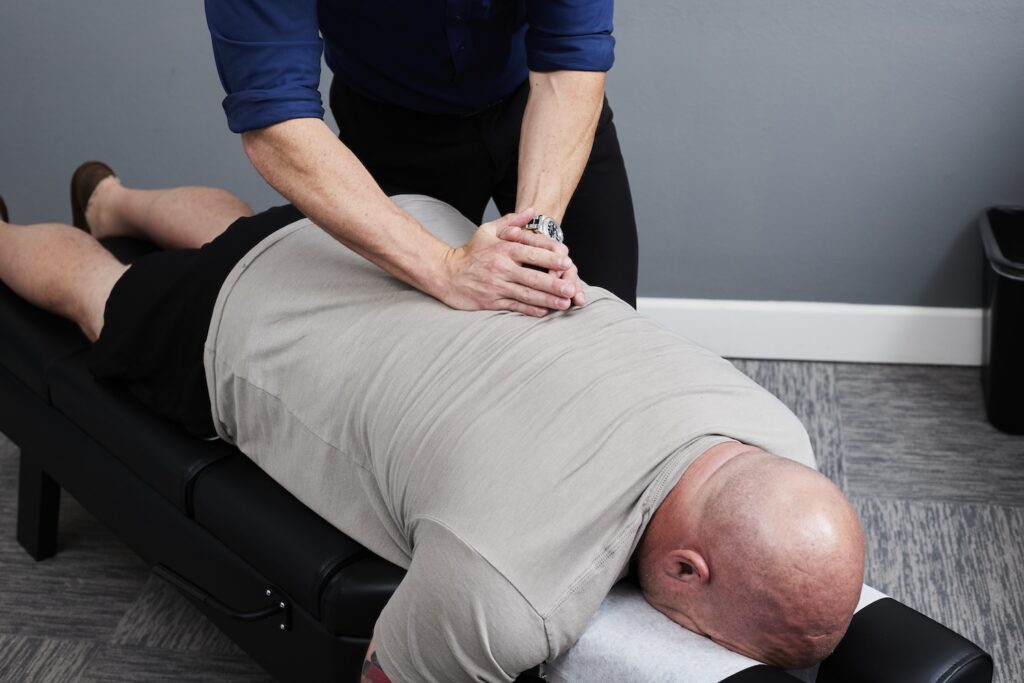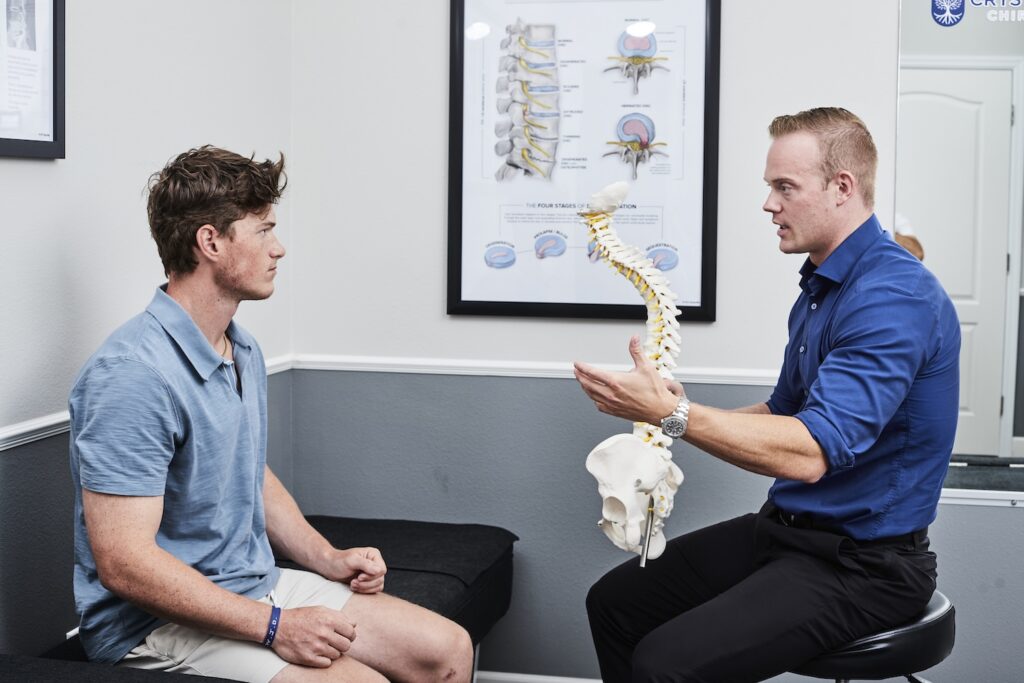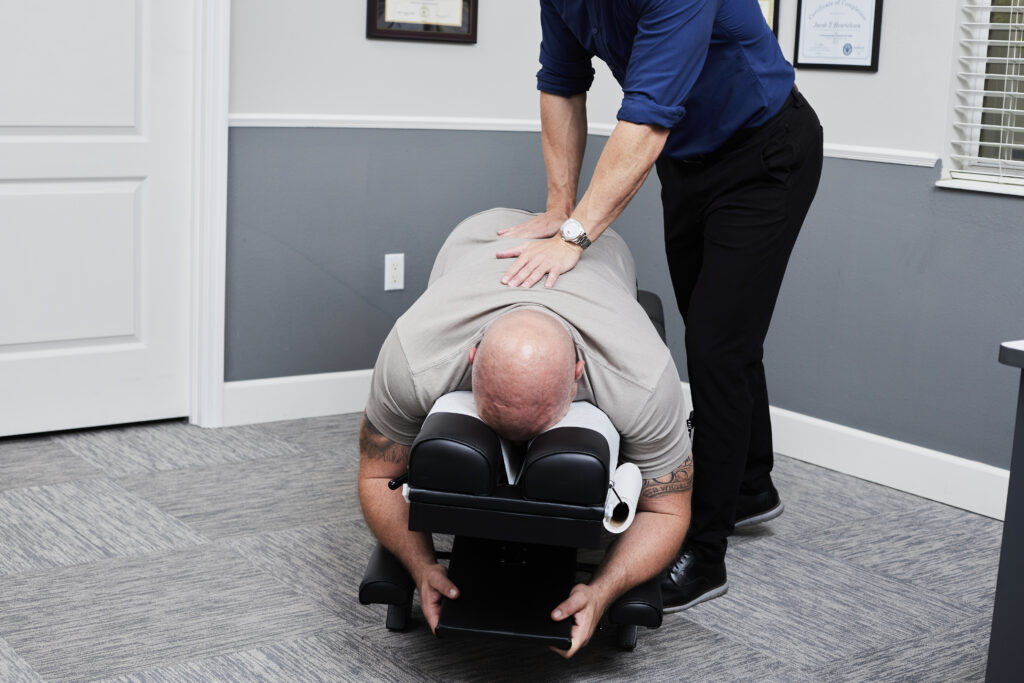

If you're experiencing upper back pain, you're certainly not alone, and it's crucial to identify the root causes of your discomfort. As a local chiropractor, I want to help you understand how various aspects of your lifestyle, posture, and muscle usage may be contributing to your pain. By taking a specially designed quiz, you can uncover specific factors that may be affecting your well-being.
Understanding these underlying issues is the first step towards finding effective solutions tailored to your individual needs. It's important to know that relief from upper back pain can come in many forms, and the strategies we explore together may surprise you. Through chiropractic care and natural healing techniques, we can work towards restoring your comfort and improving your quality of life. Let's take this journey together to find the relief you deserve!
Understanding Upper Back Pain
As a local chiropractor, I understand that upper back pain can be both frustrating and debilitating, impacting your daily activities and overall quality of life. It's important to recognize that this discomfort often arises from various factors, and gaining insight into its nature is crucial for finding effective relief.
Many of my patients describe upper back pain as a dull ache, a sharp sensation, or tightness in the muscles around the upper spine. This pain can sometimes radiate to your shoulders and neck, making even simple tasks feel overwhelming.
One of the primary contributors to upper back pain is posture. Many of us spend hours hunched over computers or slouched on the couch without even realizing it. Poor posture can lead to muscle strain and tension, significantly worsening your discomfort. I encourage you to be mindful of your alignment throughout the day. Simple adjustments can make a huge difference.
Stress is another critical factor that often goes overlooked. When you're under stress, your muscles tend to tense up, which can lead to pain and discomfort. I recommend incorporating relaxation techniques into your routine, such as deep breathing exercises or yoga, to help release that tension and promote overall well-being.
Moreover, engaging in regular physical activity is vital for strengthening the muscles in your back. This not only improves your posture but also decreases the likelihood of experiencing pain. Focus on exercises that target your upper back and core to build stability and support around your spine.
By understanding these aspects of upper back pain, you can take proactive steps toward alleviating your discomfort. As a chiropractor, I'm here to guide you on your journey to better health and enhance your quality of life through natural healing methods.
Don't hesitate to reach out for personalized care tailored to your specific needs.
Common Causes of Discomfort
As a local chiropractor, I often see patients who are experiencing upper back pain, and I want to help you understand some common causes behind this discomfort.
Many times, this pain arises from issues such as poor posture habits, which can develop from our daily routines—like slumping over a computer or hunching while using our phones. Muscle strain can also occur from everyday activities, whether it's lifting something incorrectly or even just sitting for long periods without proper support.
Additionally, stress and tension that we carry in our bodies can contribute significantly to upper back pain.
It's important to recognize these triggers, as understanding them can empower you to take steps towards relief. By addressing these factors through chiropractic care, we can work together to develop effective solutions that promote natural healing and improve your overall well-being.
Let's explore these causes further and find a path to relief for you.
Poor Posture Habits
As a local chiropractor, I often see patients who are unaware that poor posture habits can contribute significantly to upper back pain. If you find yourself frequently slouching while sitting at your desk or hunching over your phone, you're certainly not alone. These common habits can place excessive stress on your back muscles and spine, leading to discomfort and tension over time.
When you sit for prolonged periods without the right support, your body tends to adapt to that position, which can gradually worsen your posture. You may start to notice your shoulders rounding forward or your head jutting out, which can put a strain on the muscles in your upper back.
Even while standing, leaning to one side or locking your knees compromises the natural alignment of your spine.
To address these issues, I encourage you to be more mindful of your posture throughout the day. Regularly check in with your body, make necessary adjustments, and consider using ergonomic furniture to support your spine.
Additionally, incorporating brief stretching breaks into your daily routine can help alleviate built-up tension.
Remember, maintaining good posture isn't only about looking confident; it's crucial for keeping your upper back pain-free. By taking these small steps, you can make a significant difference in your overall comfort and well-being.
If you're interested in learning more about how chiropractic care can support your journey to better posture and natural healing, I'd be happy to discuss it with you during your visit.
Muscle Strain Factors
As a local chiropractor, I want to help you understand how muscle strain can sneak up on you, especially when you unknowingly push your body beyond its limits during daily activities.
You may not realize it, but repetitive movements—such as lifting, bending, or even sitting for extended periods—can lead to discomfort in your upper back. If you find yourself frequently reaching for items overhead or twisting your torso in awkward positions, it can overwhelm your muscles and result in strain.
Improper lifting techniques are another common culprit. Lifting heavy objects without using your legs or maintaining a straight back puts you at a greater risk of experiencing a muscle strain.
Even seemingly simple tasks, like carrying groceries or moving furniture, can contribute to this issue if not performed correctly.
Your overall fitness level is also an important factor to consider. If you haven't been exercising regularly, your muscles may not be adequately prepared for sudden physical demands. This lack of conditioning can increase your vulnerability to strains during routine activities.
I encourage you to pay close attention to your movements and ensure that you're using proper techniques to prevent muscle strain.
Incorporating strength and flexibility exercises into your routine can greatly benefit your upper back, helping to reduce your risk of discomfort.
Stress and Tension
As a local chiropractor, I want to share some important insights with you about how stress and tension can impact your upper back health. Many people often overlook the connection between their daily stressors and the discomfort they experience in their bodies.
When you're feeling stressed, your body naturally responds by tensing up, which can lead to pain and discomfort, particularly in the upper back area. Understanding the sources of this tension is essential for finding relief and improving your overall well-being.
Here are three common contributors that I frequently see in my practice:
- Work-related pressure: Many of my patients spend long hours at a desk, face tight deadlines, or encounter challenging interactions with coworkers. This kind of work-related stress can create significant muscle tension, leading to discomfort in your upper back.
- Poor posture: Stress can often cause us to unconsciously adopt poor posture—like slouching or hunching over—which can further exacerbate tension in the upper back. Being aware of your posture can make a big difference in how you feel.
- Emotional stressors: Personal challenges, financial worries, or relationship issues can contribute to muscle tightness. This emotional stress can manifest physically, often resulting in discomfort in your back.
By recognizing these stressors, we can work together to develop a plan that promotes natural healing and alleviates your upper back pain.
Chiropractic care, alongside mindfulness and proper posture, can help restore balance to your body and reduce tension. Let's take steps towards a healthier, pain-free life together!
Symptoms to Identify
As a local chiropractor, I want to help you understand the signs of upper back pain and how recognizing these symptoms is crucial for your well-being.
You may experience stiffness or an aching sensation, and sometimes the discomfort can escalate to sharp pain in that area. It's important to pay attention to these signals from your body.
If these symptoms persist or worsen, I encourage you to seek professional help. Chiropractic care can provide effective, natural relief by addressing the underlying issues contributing to your pain.
Together, we can work towards restoring your comfort and mobility.
Common Upper Back Symptoms
As a local chiropractor, I want to help you understand the signs that your upper back may need some attention. Many people experience upper back pain without realizing it, and recognizing the symptoms early is crucial for effective treatment.
Here are three common signs that you might encounter:
- Muscle Tightness: You might notice a persistent feeling of tightness or stiffness in your upper back. This discomfort can make it difficult to move freely or maintain proper posture throughout the day.
- Radiating Pain: It's not uncommon for pain to radiate beyond the initial area of discomfort. You may feel this pain spreading to your shoulders, neck, or even down your arms, which can be distressing and interfere with your daily activities.
- Limited Range of Motion: You may experience a reduced ability to twist or bend without discomfort. Even simple actions, like reaching for an item or turning your head, can become challenging.
Being aware of these symptoms is essential for your well-being. If you recognize any of these signs, I encourage you to listen to your body and consider seeking care.
Understanding your symptoms is the first step toward finding effective, natural solutions for your upper back pain. At our chiropractic clinic, we focus on holistic healing methods that can help restore your mobility and alleviate discomfort.
When to Seek Help
Recognizing the symptoms of upper back pain is just the first step; knowing when to seek help is crucial for your recovery, especially when considering chiropractic care. If you're experiencing persistent pain that doesn't seem to improve with rest or over-the-counter medications, it's a good idea to consult a chiropractor. We specialize in understanding how your spine and nervous system work together, and we can help assess your condition.
It's important not to ignore severe pain that radiates down your arms or legs, as this could indicate a more serious issue that may benefit from chiropractic intervention. Additionally, if you notice accompanying symptoms such as numbness, tingling, or weakness, these could signal nerve involvement. A chiropractor can provide the necessary evaluation and treatment to address these symptoms effectively.
If your upper back pain follows an injury or accident, don't delay in seeking help. Prompt treatment is key to preventing further complications, and chiropractic care can often provide relief and promote healing.
Moreover, if your upper back pain comes with unexplained weight loss, fever, or any other concerning symptoms, it's essential to reach out to a healthcare professional, including a chiropractor.
Lifestyle Factors to Consider
As a local chiropractor, I want to help you understand how your daily lifestyle choices can significantly impact your upper back pain. By making some simple adjustments to your habits, you can alleviate discomfort and improve your overall well-being.
Here are three essential lifestyle factors to consider:
1. Posture: Proper posture is crucial for maintaining a healthy spine. Whether you're working at a desk, driving, or just standing around, it's important to keep your back straight, shoulders relaxed, and head aligned with your spine.
Poor posture can put unnecessary strain on your upper back muscles, leading to pain and discomfort. I can provide guidance on how to improve your posture during various activities.
2. Physical Activity: Engaging in regular physical activity is vital for the health of your back. I recommend incorporating exercises that strengthen your core and upper back, such as yoga, swimming, or strength training.
Aim for at least 30 minutes of moderate exercise most days of the week. It's also important to avoid long periods of inactivity, as this can weaken your muscles and exacerbate pain. I'll be happy to suggest specific exercises tailored to your needs.
3. Stress Management: High levels of stress can lead to muscle tension in your upper back, contributing to pain. I encourage you to practice stress-reducing techniques such as deep breathing, meditation, or mindfulness.
Consider scheduling regular breaks throughout your day to relax and recharge, especially in a high-pressure work environment. Managing stress effectively can greatly enhance your overall quality of life.
The Quiz: How It Works
Understanding upper back pain is crucial for effective relief, and as your local chiropractor, I'm here to guide you through this journey. One of the best tools we've at our disposal is a quiz designed to help identify the specific factors contributing to your discomfort. This interactive questionnaire will lead you through a series of simple yet insightful questions, enabling us to gain a clearer picture of your situation.
As you progress through the quiz, you'll share details about the intensity of your pain, how often it occurs, and any activities that seem to make it worse. Additionally, you'll provide insights into your daily habits, including your posture while sitting, your exercise routine, and your stress levels. All of this information is vital, as it helps us spot patterns that may be impacting your upper back health.
After you complete the quiz, we'll analyze the information together to uncover potential underlying causes of your pain. This personalized approach ensures that you receive insights tailored specifically to your needs, rather than generic advice. It's an efficient way to gather important information quickly, allowing us to better understand your pain and discuss appropriate next steps.
But remember, the quiz isn't just about identifying problems; it's about empowering you to take charge of your health. By understanding the intricacies of your condition, you'll be better prepared to explore effective, natural solutions.
If you're ready to take that first step towards relief, I encourage you to engage with the quiz and discover what your upper back pain might be telling you. Together, we can work towards restoring your well-being through chiropractic care and natural healing practices.
Tailored Solutions for Relief
As a local chiropractor, I want to share some effective, natural approaches to help relieve your upper back pain after you complete our initial assessment quiz. Understanding your unique situation is key to finding the right solutions that can restore your comfort and mobility.
Here are three strategies I highly recommend:
1. Stretching and Strengthening Exercises: Engaging in specific exercises tailored to your upper back can significantly alleviate tension and enhance strength. Incorporate gentle stretches that improve flexibility, such as shoulder rolls and thoracic spine rotations.
Additionally, strength-building exercises like rows and scapular squeezes are excellent for supporting good posture and reducing pain.
2. Postural Adjustments: It's essential to assess your daily habits, as poor posture is a common contributor to upper back discomfort. I encourage you to make small yet impactful changes, such as positioning your workstation so that your computer screen is at eye level and selecting a chair that aligns with your spine's natural curvature.
Staying mindful of your posture throughout the day can lead to a noticeable decrease in discomfort.
3. Heat and Cold Therapy: Utilizing heat or cold therapy can provide quick relief for your upper back pain. A heating pad can help relax tight muscles, while a cold pack can reduce inflammation.
I suggest trying both methods to see which one offers you the most comfort, and don't hesitate to alternate between them as needed.
By incorporating these strategies into your routine, you can take proactive steps toward alleviating your upper back pain and enhancing your overall well-being.
If you have any questions or need further guidance, please feel free to reach out!
Tips for Prevention
As a local chiropractor, I want to share some essential tips for maintaining a pain-free upper back, which is crucial for your overall well-being.
First and foremost, let's talk about posture. It's important to be mindful of how you sit, especially if you find yourself at a desk for long hours. Make sure to keep your back straight, shoulders relaxed, and your feet flat on the floor. Investing in an ergonomic chair can be a game changer, as it supports the natural curve of your spine and encourages healthier alignment.
Another key aspect is taking regular breaks throughout your day. Aim to stand up, stretch, and move around every hour. This simple practice can help relieve tension and enhance blood circulation. Even just a few shoulder rolls or neck tilts can significantly reduce stiffness and prevent discomfort. Remember, these short breaks can stop your muscles from becoming tight or fatigued.
Strengthening your upper back is vital for maintaining good posture and preventing pain. I recommend incorporating exercises that specifically target your upper back muscles, like rows or reverse flys. These exercises will help create balance in your muscle strength and improve your posture overall.
It's also important to include core-strengthening workouts, as a strong core provides support for your entire body, including your back.
Lastly, let's discuss proper lifting techniques. Always bend at your knees and keep heavy loads close to your body to prevent straining your upper back. If your daily activities involve repetitive movements, be sure to use correct techniques to minimize stress on your spine.
When to Seek Professional Help
As a local chiropractor, I understand that many people may not be familiar with the benefits of chiropractic care and natural healing for upper back pain.
Even with the best preventive measures, you may still find yourself experiencing discomfort that requires professional attention. It's crucial to recognize when your pain goes beyond simple soreness and needs expert evaluation.
Here are three key indicators that it's time to seek chiropractic help:
- Severe Pain: If you're dealing with sharp or debilitating upper back pain that doesn't get better with rest or over-the-counter pain relievers, it's important to consult a healthcare professional like a chiropractor. Severe pain could indicate underlying issues such as a herniated disc or muscle strain that may benefit from specialized care.
- Numbness or Tingling: Are you experiencing numbness or tingling in your arms or hands alongside upper back pain? These sensations can be concerning and may suggest nerve compression or other neurological issues that require assessment. A chiropractor can help identify the root cause and provide natural treatment options.
- Radiating Pain: If your upper back pain radiates to other areas, such as your neck, shoulders, or chest, it's essential not to ignore these symptoms. This could signal a more complex issue, including potential heart-related concerns, and should be evaluated promptly by a professional.
Don't hesitate to reach out for chiropractic care if you notice any of these signs.
Early intervention can lead to better outcomes and help you manage your upper back pain effectively through natural healing methods.
Conclusion
As a local chiropractor, I want to commend you for taking the quiz on upper back pain. This is a vital first step in understanding your discomfort. Recognizing the underlying causes of your pain is crucial, as it allows us to develop personalized strategies for relief and prevention tailored specifically to you.
It's important to remember that lifestyle factors and posture habits play a significant role in your overall well-being. By addressing these aspects, we can work together to enhance your health. Incorporating tailored exercises and ergonomic adjustments into your daily routine is key to alleviating pain.
If your upper back pain persists, don't hesitate to reach out for professional guidance. Chiropractic care offers natural healing methods that can help restore balance and function to your spine and nervous system. Your journey to a pain-free life starts now—let's work together to get you moving towards relief and improved health!