
When dealing with lower back pain, many patients often consider various treatment options. As a local chiropractor, I want to shed light on how chiropractic care can complement both effective treatments like physical therapy and medication, as well as alternative methods such as acupuncture and yoga. Each approach has its own benefits, but understanding how chiropractic care can play a pivotal role in your healing journey is crucial.
Chiropractic care focuses on aligning the spine and improving overall function, which can alleviate pain and enhance your body's natural ability to heal. Many patients have found that incorporating chiropractic adjustments alongside other treatments can lead to a more comprehensive and effective recovery.
So, how do you navigate this landscape of treatments? I encourage you to explore the benefits of chiropractic care and see if it might be the right fit for you. Together, we can create a personalized plan that integrates multiple methods to help you find lasting relief from lower back pain.
Overview of Lower Back Pain
As a local Chiropractor, I understand that experiencing lower back pain can be truly debilitating, impacting your daily activities and overall quality of life. This type of discomfort can arise from a variety of causes, such as muscle strains, ligament sprains, herniated discs, and degenerative conditions. You might find yourself dealing with a dull ache or sharp pain that radiates down your legs, making it challenging to sit, stand, or even walk comfortably.
Lower back pain can be categorized as either acute or chronic. Acute pain often appears suddenly and can last from a few days to a couple of weeks, commonly triggered by an injury or overexertion. In contrast, chronic pain persists for three months or longer and may be the result of ongoing conditions like arthritis or sciatica. Understanding the nature of your pain is crucial for effective management, and this is where chiropractic care can play a significant role.
You may notice that certain activities or positions aggravate your discomfort. Common culprits include bending, lifting, or prolonged sitting. Additionally, emotional stress can create tension in your body that exacerbates your symptoms. As chiropractors, we focus on the interconnectedness of your physical and emotional well-being.
Recognizing the signs and symptoms of lower back pain is essential in seeking appropriate care. It's important to be aware of any accompanying symptoms, such as numbness or weakness, as these could indicate a more serious issue. By understanding the fundamentals of lower back pain, you can explore various treatment options, including chiropractic adjustments, which aim to restore proper alignment and function to your spine.
Addressing your pain early on is vital in preventing it from becoming a long-term issue. Through chiropractic care, we can create a personalized plan to help alleviate your pain and improve your overall health.
Conventional Treatments Explained
When it comes to managing lower back pain, many patients are often unaware of the effective conventional treatments available that can significantly alleviate discomfort. As your local chiropractor, I want to emphasize the importance of addressing not just the symptoms but also the underlying causes of your pain.
Here are some key approaches we often use in chiropractic care:
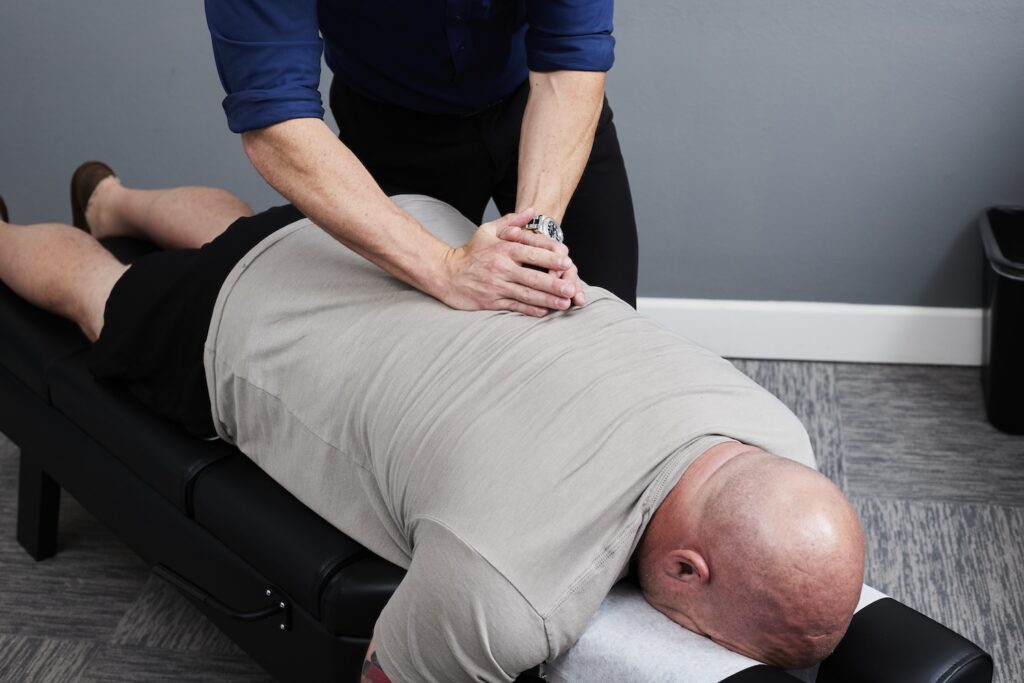
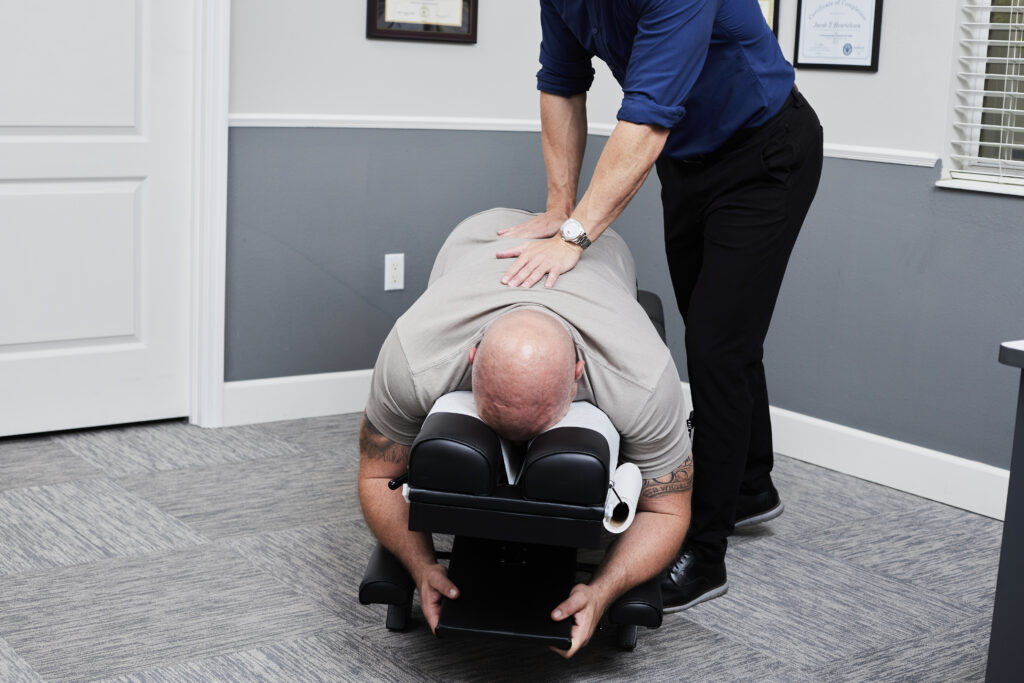
- Chiropractic Adjustments: Through hands-on spinal manipulation, we can adjust your spine to relieve pain and restore proper alignment. This helps to improve your body's overall function and can lead to lasting relief.
- Physical Therapy Exercises: I often collaborate with physical therapists to create a tailored exercise plan that strengthens your back muscles, enhances flexibility, and promotes better posture, which is essential for preventing future issues.
- Heat and Cold Therapy: I recommend using heat to relax tense muscles and cold packs to reduce inflammation. Alternating between these therapies can be particularly effective in managing pain.
- Massage Therapy: Incorporating targeted massage can relieve muscle tension and improve circulation, providing both physical and psychological relief. It complements chiropractic adjustments very well.
In addition to these treatments, I may suggest some lifestyle changes, such as regular exercise and weight management, to support your healing process.
My goal as your chiropractor is to provide you with immediate relief while also addressing the root causes of your pain. It's important to work closely together to find the best approach for you, helping you regain control of your daily activities and enhance your overall quality of life.
Effectiveness of Medications
As a local chiropractor, I want to share some insights on managing lower back pain, particularly the role that medications can play in your overall treatment plan.
While it's common to reach for pain relievers, whether they're prescription or over-the-counter, it's important to recognize that each option comes with its own benefits and potential risks.
At our clinic, we focus on natural healing methods, which aim to address the root causes of pain rather than just masking symptoms.
Understanding the medications available to you, along with their side effects, is crucial. This knowledge empowers you to make informed decisions about your pain management.
Remember, while medications can provide temporary relief, incorporating chiropractic care and other natural therapies can enhance your recovery and promote long-term wellness.
If you have questions about how to manage your pain effectively, we're here to help guide you through your options.
Prescription Pain Relievers
As a local chiropractor, I want to help you understand the role of prescription pain relievers in managing lower back pain and how they compare to natural healing methods. While prescription medications can provide relief for some individuals, they may not always be the best long-term solution.
When your lower back pain becomes severe or persistent, many turn to prescription pain relievers for immediate relief. These medications can be effective in targeting pain signals in the brain, particularly for acute or chronic issues. However, it's important to consider the broader picture of your health and wellness.
Here are a few key points to keep in mind regarding prescription pain relievers:
- Types: Commonly prescribed options include opioids, muscle relaxants, and certain antidepressants. While these can alleviate pain, they often come with potential drawbacks.
- Effectiveness: While some patients find temporary relief, relying solely on medication may not address the underlying causes of your pain, and could limit your ability to engage in daily activities fully.
- Side Effects: Be aware that these medications can lead to side effects like drowsiness, constipation, and even dependency. This can complicate your recovery process.
- Consultation: It's crucial to have an open dialogue with your healthcare provider about your pain management options. Exploring natural healing techniques, such as chiropractic adjustments, can often provide lasting relief without the risks associated with medication.
While prescription pain relievers can be beneficial in the short term, they aren't a one-size-fits-all solution. As a chiropractor, I emphasize the importance of understanding your body and finding a holistic approach to healing.
By monitoring your response to treatments and collaborating with your healthcare provider, we can create a tailored plan that addresses not only your pain but also promotes overall health and well-being.
Embracing natural healing methods, including chiropractic care, can often lead to more sustainable relief from lower back pain. Let's work together to explore all of your options for effective pain management!
Over-the-Counter Options
As a local chiropractor, I want to share some insights about managing lower back pain, particularly when considering over-the-counter (OTC) medications. Many people often turn to these medications as their first line of defense. The two most common types you'll encounter are nonsteroidal anti-inflammatory drugs (NSAIDs) and acetaminophen.
NSAIDs, such as ibuprofen and naproxen, are designed to reduce inflammation and alleviate pain, making them quite effective for acute discomfort. On the other hand, acetaminophen is a great option for pain relief without the anti-inflammatory effects, which can be particularly beneficial if you have sensitivities to NSAIDs.
When you decide to use an OTC medication, it's crucial to adhere to the recommended dosage found on the label and to pay attention to how your body reacts. Many individuals report finding relief within a few days of using these medications, especially when they combine them with rest and gentle stretching exercises.
However, it's important to remember that while OTC medications can provide significant short-term relief, they aren't intended as a long-term solution for chronic pain. If your lower back pain persists despite using these medications, I encourage you to seek guidance from a healthcare professional, such as a chiropractor.
We can help identify the underlying cause of your discomfort and explore natural healing methods and other treatment options that may be more effective for your situation. Your health and well-being are our top priority, and we're here to support you on your path to recovery.
Risks and Side Effects
As a local chiropractor, I want to help you understand the importance of addressing lower back pain in a safe and effective way. While over-the-counter (OTC) medications may seem like a quick fix, it's crucial to recognize the potential risks and side effects that can come with their use. Many individuals reach for these medications without fully grasping how they might affect their overall health.
Here are some common concerns you should be aware of:
- Gastrointestinal Issues: Long-term use of OTC pain relievers can lead to serious gastrointestinal problems such as ulcers, bleeding, or persistent stomach pain.
- Kidney Damage: Excessive use of nonsteroidal anti-inflammatory drugs (NSAIDs) can harm your kidneys, particularly if you have preexisting health issues.
- Allergic Reactions: Some patients may experience allergic responses, including rashes, swelling, or even difficulty breathing after taking certain medications.
- Dependence: Relying on pain relievers can create a cycle of tolerance, meaning you may need higher doses to achieve the same effect over time.
Instead of turning to medications, I encourage you to explore natural healing methods such as chiropractic care. These approaches focus on addressing the root cause of your pain without the risks associated with pharmaceuticals.
It's always wise to consult with a healthcare professional before starting any medication or treatment plan. I'm here to help you evaluate your options and find safer, more holistic solutions for managing your lower back pain.
Role of Physical Therapy
When it comes to managing lower back pain, chiropractic care can be an essential part of your healing journey.
By utilizing various techniques, including spinal adjustments and targeted exercises, we aim to improve your mobility and alleviate discomfort.
Committing to a personalized chiropractic program not only helps relieve your pain but also fosters long-term health benefits that can significantly enhance your overall quality of life.
Embracing natural healing methods through chiropractic care can empower you to take control of your health and well-being.
Benefits of Physical Therapy
As a local chiropractor, I want to shed light on the numerous benefits of physical therapy, especially for those grappling with lower back pain.
It's essential to recognize that physical therapy is a vital component of a holistic approach to healing and can significantly improve your quality of life.
Here are some key advantages you can expect when you engage in a customized physical therapy program:
- Enhanced flexibility: Through guided exercises, you'll discover ways to improve your range of motion and reduce stiffness, making everyday activities easier and more comfortable.
- Strength development: Targeted strength training is crucial for supporting your spine and overall posture. By building strength in the right areas, you can significantly decrease the likelihood of future injuries.
- Effective pain management: Our therapists will equip you with natural techniques to manage pain, minimizing the need for medications that often come with side effects.
- Understanding body mechanics: You'll receive invaluable education on proper posture and body mechanics, which is essential for preventing additional strain on your back and ensuring long-term wellness.
I encourage you to consider how a tailored physical therapy program can help you on your path to recovery and optimal health.
Together, we can work toward restoring balance and strength to your body naturally.
Techniques Used in Therapy
As a local chiropractor, I want to introduce you to some effective techniques we utilize in our practice to help alleviate lower back pain and promote healing.
One of the key methods we use is manual therapy. This hands-on approach involves gentle manipulation of your spine and surrounding muscles to relieve tension, improve mobility, and promote overall spinal health.
In addition to manual therapy, we emphasize the importance of therapeutic exercises. These are specifically designed to strengthen your core, enhance flexibility, and improve your overall function. By engaging in these tailored exercises, you'll be better equipped to support your spine and prevent future pain.
We also incorporate various modalities, such as heat, ice, or electrical stimulation, to help manage pain and reduce inflammation. These treatments can provide immediate relief, allowing you to feel more comfortable while we work on long-term solutions through exercise and chiropractic adjustments.
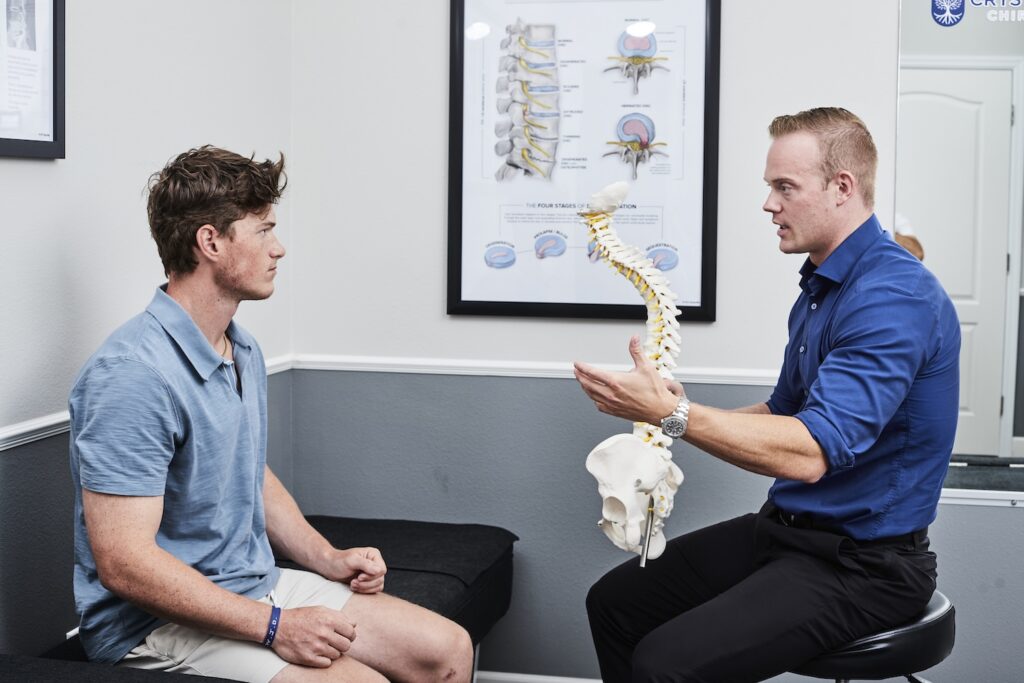
Education is a vital component of your care. I'll guide you on proper body mechanics and posture, empowering you to make lifestyle changes that reduce strain on your back and promote healing.
Lastly, we may recommend the use of assistive devices, such as braces or supports, to provide additional stability during your recovery process.
Long-term Impact on Recovery
Long-term recovery from lower back pain is significantly influenced by the benefits of chiropractic care. Participating in a well-structured chiropractic treatment plan can greatly enhance your healing journey.
It's not only about alleviating your immediate discomfort; it's about fostering strength, flexibility, and resilience for the future. As your local chiropractor, here are some key advantages you can expect from chiropractic care:
- Enhanced Mobility: Chiropractic adjustments can help restore your range of motion, allowing you to move more freely and comfortably.
- Strengthened Muscles: Through targeted spinal manipulation and rehabilitation exercises, we can help build strength in your core and back muscles, supporting your spine more effectively.
- Effective Pain Management: We'll teach you natural techniques to manage your pain and reduce the likelihood of flare-ups, empowering you to take control of your recovery.
- Knowledge and Awareness: You'll gain valuable insights into proper body mechanics and ergonomics, which will help you avoid future injuries and maintain a healthier lifestyle.
Surgical Options Available
When conservative treatments, such as chiropractic care, don't provide the relief you need from lower back pain, some individuals may consider surgical options. It's important to understand that while surgery can address specific issues like herniated discs and spinal stenosis, it's often not the first or only solution available.
One common surgical approach is discectomy, which involves the removal of part of a herniated disc that's pressing on a nerve. While this procedure can provide immediate relief, it's essential to consider the long-term implications and explore all options, including non-invasive methods like chiropractic adjustments that can help improve spinal alignment and reduce pain.
If spinal stenosis is a concern, a laminectomy may be suggested. This surgery removes a part of the vertebra to alleviate pressure on the spinal cord. However, before heading down the surgical path, it's worth contemplating how chiropractic techniques can promote healing and relieve pressure on the spine without the need for invasive procedures.
In cases of multiple damaged discs, spinal fusion may be proposed. This procedure fuses two or more vertebrae, stabilizing the spine but also changing its natural movement. This is where chiropractic care shines—through tailored treatments, we work to restore and maintain your spine's natural function, enhancing your overall well-being without the risks associated with surgery.
If you find yourself considering surgery, I encourage you to consult with a chiropractor who can evaluate your condition and provide alternative treatment options. Chiropractic care focuses on natural healing and can lead to significant improvements in pain and mobility.
It's essential to have realistic expectations and to understand that while surgery may seem like a quick fix, long-term recovery and health often come from holistic approaches. A commitment to rehabilitation and ongoing care is key to achieving lasting relief and strength.
Exploring Alternative Therapies
As a local chiropractor, I want to share some insights on alternative therapies for lower back pain that can complement traditional treatments or serve as effective standalone solutions. Many individuals are seeking these options to find relief without relying heavily on medications or invasive procedures, and I believe exploring these alternatives can lead you to a method that resonates with your specific needs.
Here are some popular alternative therapies that I encourage you to consider:
- Acupuncture: An ancient practice that involves the insertion of thin needles into specific points on your body, acupuncture aims to alleviate pain and promote healing. Many of my patients have found it beneficial in managing their discomfort.
- Massage Therapy: This therapy can significantly reduce muscle tension, improve circulation, and enhance overall relaxation. It's an excellent choice for those dealing with lower back pain, as it helps to ease tightness in the muscles surrounding the spine.
- Yoga: Integrating yoga into your routine can be transformative. It improves flexibility, strengthens your core, and encourages better posture—three key factors in alleviating back pain. Many of my patients have reported improved mobility and reduced pain after practicing yoga regularly.
- Chiropractic Care: While I won't delve into its benefits in-depth here, chiropractic adjustments are an important part of a holistic approach to back pain relief. These adjustments can help realign your spine, relieve pressure on nerves, and enhance your overall function.
Before embarking on any alternative therapy, it's essential to consult with a healthcare professional. As a chiropractor, I can guide you on what might be effective based on your individual circumstances.
Remember, each person's experience with back pain is unique, and finding the right alternative therapy may require time and a bit of experimentation. By remaining open-minded and proactive, you can take meaningful steps toward effectively managing your lower back pain.
Let's work together to find a solution that works for you!
Benefits of Chiropractic Care
As a local chiropractor, I want to take a moment to educate you about the myriad benefits of chiropractic care, particularly in managing lower back pain and enhancing your overall well-being.
One of the fundamental advantages of chiropractic care is effective pain relief. Through spinal adjustments, we can correct misalignments in your spine, which in turn alleviates pressure on nerves and reduces inflammation. Many patients experience a noticeable decrease in pain and discomfort after just a few sessions, allowing them to return to their daily activities with greater ease.
Improved mobility is another significant benefit of regular chiropractic adjustments. By enhancing your range of motion, you'll find it easier to engage in everyday tasks without pain. This increased flexibility not only improves your quality of life but also plays a critical role in preventing future injuries, helping to keep your back strong and resilient over time.
We also focus on promoting better posture, which is essential for those suffering from lower back pain. Poor posture can exacerbate your discomfort, so I provide personalized guidance on maintaining proper alignment while sitting, standing, or lifting. This advice can lead to long-term improvements in how you carry yourself, which is vital for your overall health.
Moreover, chiropractic care takes a holistic approach to health. Many of my patients report experiencing better sleep and lower stress levels after beginning their treatment. By addressing not just the symptoms but also the underlying issues, chiropractic care fosters a healthier lifestyle overall.
Finally, one of the most appealing aspects of chiropractic care is that it's a non-invasive alternative to medications or surgery. This means you can manage your lower back pain without worrying about the potential side effects associated with pharmaceuticals. By choosing chiropractic care, you're opting for a natural and effective solution that enhances your quality of life while addressing your pain at its source.
If you're curious about how chiropractic care can benefit you, I encourage you to reach out for a consultation. Together, we can explore how this natural healing approach can help you achieve your wellness goals.
Acupuncture for Pain Relief
As a local chiropractor, I often meet individuals seeking relief from lower back pain who are primarily familiar with traditional treatment methods. However, I encourage you to explore acupuncture as a complementary option that aligns with the body's natural healing capabilities. This ancient practice, which originates from Traditional Chinese Medicine, involves the strategic insertion of fine needles at specific points on the body to stimulate the flow of energy, or "qi."
If you're considering acupuncture alongside chiropractic care for your lower back pain, here are some benefits you may experience:
- Reduced Pain: Many patients report a significant decrease in pain levels after just a few acupuncture sessions, enhancing the overall effectiveness of their chiropractic adjustments.
- Enhanced Mobility: Acupuncture can improve flexibility and range of motion, which is crucial for maintaining an active lifestyle and facilitating your chiropractic treatments.
- Stress Reduction: The calming effects of acupuncture help alleviate tension, which can often worsen pain and hinder recovery.
- Holistic Approach: This practice addresses both the physical and emotional components of pain, promoting comprehensive well-being—something we strive for in chiropractic care as well.
You may find that the treatment process is both soothing and relaxing, allowing you to unwind while targeted acupuncture points are addressed. Each session typically lasts between 30 to 60 minutes, and many patients experience immediate relief, which can be a great supplement to your chiropractic sessions.
Research supports the effectiveness of acupuncture for lower back pain, and it's recognized as a safe alternative to medications. However, it's essential to consult with a qualified practitioner who can tailor the treatment to your specific needs.
Herbal Remedies and Supplements
As a local chiropractor, I understand that many of my patients are seeking natural ways to manage lower back pain. Herbal remedies and supplements can be an effective part of your overall wellness strategy, providing relief without the unwanted side effects that often come with conventional medications.
One of the most well-known herbs for pain management is turmeric. Its active component, curcumin, is celebrated for its strong anti-inflammatory properties. You can easily incorporate turmeric into your meals as a spice or consider taking it in supplement form to potentially experience significant relief from discomfort.
Another herb worth exploring is ginger. It's renowned for its ability to reduce muscle soreness and inflammation. A warm cup of ginger tea can be a comforting addition to your daily routine and may aid in easing your back pain.
You might also consider willow bark, which contains salicin—a compound similar to aspirin. It can be an effective option for alleviating pain. However, if you're currently taking blood-thinning medications, it's crucial to consult with your healthcare provider before trying willow bark.
In addition to these herbal options, certain supplements can further support your back health. Omega-3 fatty acids, found in fish oil, are known for their anti-inflammatory effects. Magnesium is essential for proper muscle function and can help with relaxation, while glucosamine is often used to assist with joint repair and pain relief.
Before embarking on any herbal remedies or supplements, I highly recommend discussing your options with me or your healthcare provider. Together, we can determine what's safe and suitable for your individual needs.
Conclusion
As a local chiropractor, I want to share some insights about managing lower back pain and how chiropractic care can play a vital role in your recovery. Many people often turn to conventional treatments like medications and physical therapy for quick relief, but there's so much more to consider for long-term wellness.
Chiropractic care is a natural approach that focuses on addressing the root causes of pain rather than just masking the symptoms. By aligning the spine and improving overall function, we can help reduce pain and enhance mobility. Additionally, integrating therapies like acupuncture can further support your healing journey.
It's important to remember that you don't have to navigate this journey alone. I encourage you to consult with a healthcare professional who understands your unique needs, and together, we can create a personalized treatment plan that enhances your quality of life. Embracing a holistic approach can lead to lasting relief and improved well-being. Let's work together towards a healthier, pain-free future!