As a local chiropractor, I understand that dealing with lower back pain can significantly impact your daily life. Many of my patients have shared how this discomfort affects their routines, making it challenging to enjoy their favorite activities. Thankfully, there are several effective treatments available to help alleviate your pain, and I'm here to guide you through them.
Chiropractic care is one of the leading options for managing lower back pain. It focuses on aligning the spine and improving overall function, which can lead to significant relief. In addition to chiropractic adjustments, I often recommend combining this approach with lifestyle changes, such as exercise and proper ergonomics, to enhance your healing process.
You might be surprised to learn how synergistic these treatments can be. For instance, regular chiropractic sessions can help address the root cause of your pain while lifestyle modifications can support your recovery and prevent future issues.
Before we embark on your journey to better health, it's essential to understand what chiropractic care entails and how it fits into a comprehensive strategy for long-term management of lower back pain. Together, we can explore these options and develop a personalized plan that works for you. Your well-being is my priority, and I'm here to help you find the relief you deserve.
Physical Therapy Options
When it comes to relieving lower back pain, chiropractic care can make a significant difference in your overall well-being. As a local chiropractor, I want to educate you on how our natural healing approach can help manage and alleviate discomfort in your lower back. We take the time to assess your individual condition, identify any underlying issues, and develop a personalized treatment plan tailored to your specific needs.
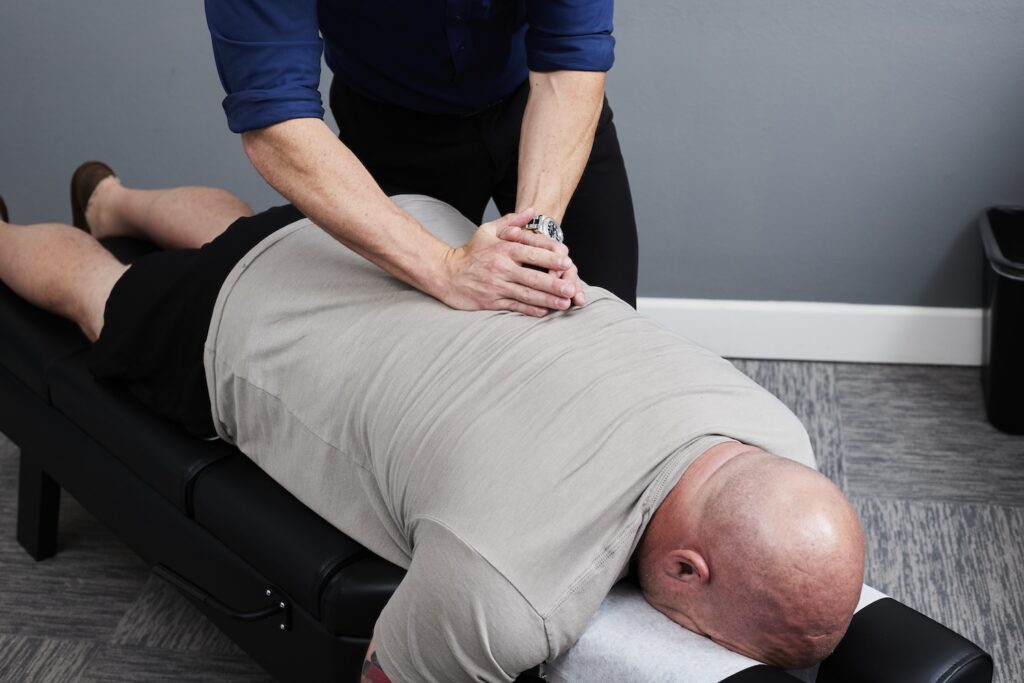
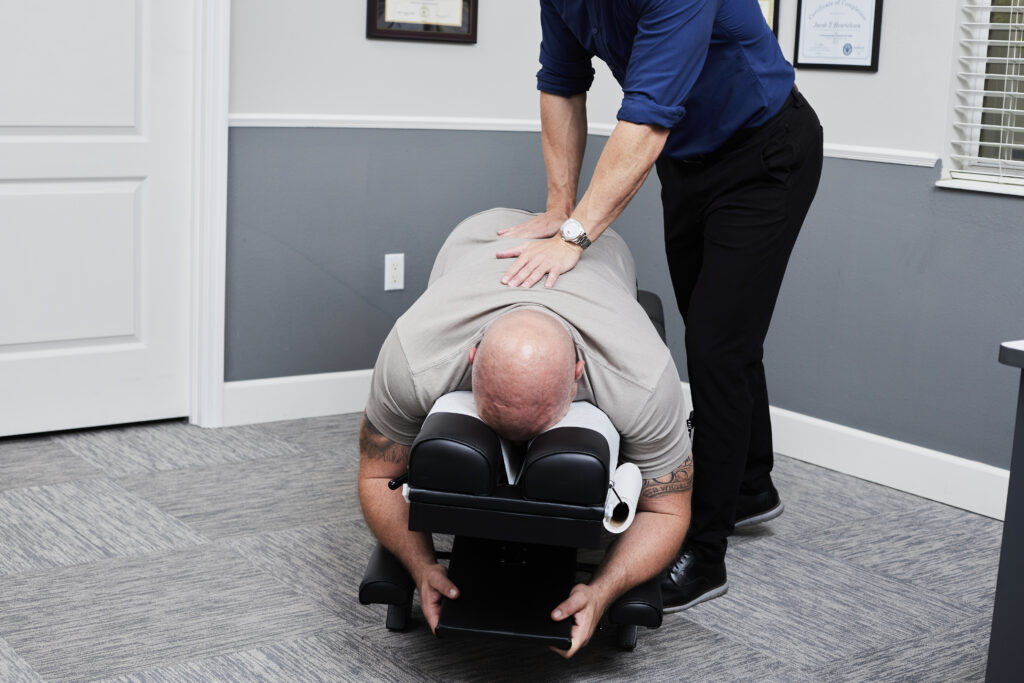
Our process often begins with spinal adjustments aimed at restoring proper alignment to your spine. Misalignments can contribute to pain and discomfort, and by realigning the spine, we help reduce strain and improve your overall function.
In addition to adjustments, we often incorporate exercises that strengthen your core muscles, which are crucial for supporting your spine and reducing the risk of injury. Stretching is another key component of our chiropractic approach. We integrate specific stretching techniques that enhance flexibility, promoting a healthy range of motion and relieving tension in your lower back.
To further assist in managing pain and inflammation, we may utilize other natural modalities such as heat therapy or cold therapy. These methods can provide immediate relief, allowing you to engage more effectively in your healing process.
We also emphasize the importance of proper body mechanics and posture, which are essential in preventing future injuries and minimizing pain. As you progress through your chiropractic care, you'll gain a deeper understanding of your body's mechanics and learn how to manage your discomfort independently.
This knowledge empowers you not only to address your lower back pain but also to improve your overall physical health. With commitment and the right guidance, chiropractic care can truly be a transformative part of your journey toward lasting relief and an enhanced quality of life.
Chiropractic Adjustments
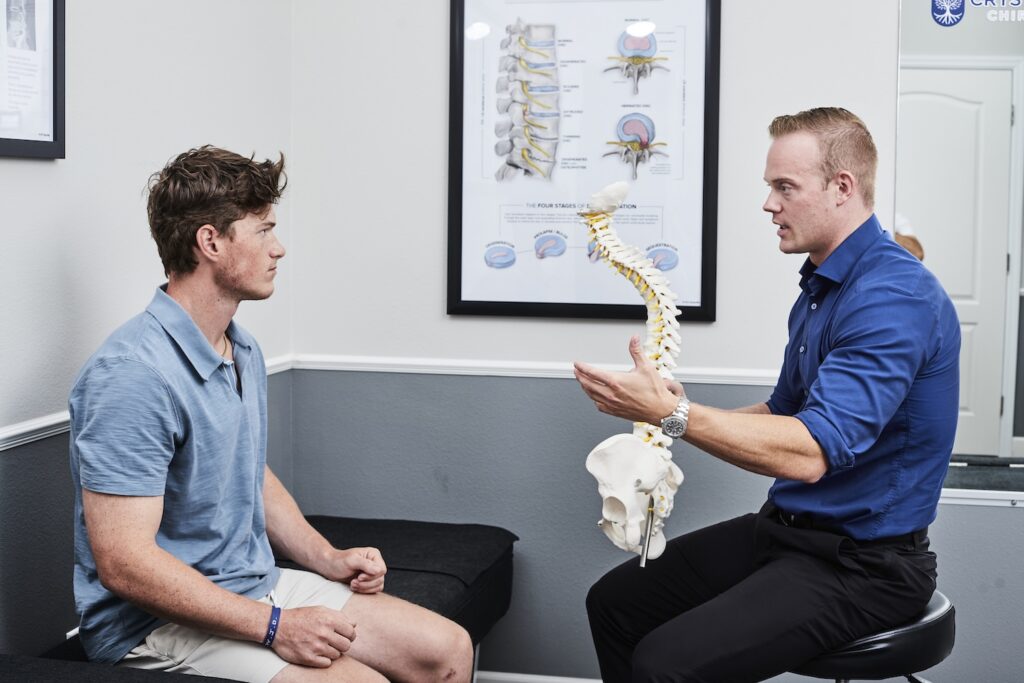
As a local chiropractor, I want to take a moment to explain how chiropractic adjustments can significantly improve your lower back pain and enhance your overall well-being. When you come in for a visit, my first step is to assess your spine's alignment and identify any misalignments or subluxations that might be contributing to your discomfort.
Through precise adjustments, I can help realign your spine, which alleviates pressure on nerves and reduces inflammation. Many of my patients report experiencing immediate relief after their first adjustment. However, I want to emphasize that achieving long-term results often requires multiple sessions. Regular visits to my office can promote healing, improve your mobility, and help prevent future issues from arising.
It's crucial for you to communicate openly with me about your symptoms and any changes you notice during your treatment process. This collaboration will help me tailor your care to your specific needs.
In addition to spinal adjustments, I may incorporate other techniques into your treatment plan, such as soft tissue therapy and individualized exercises. This holistic approach not only addresses your current pain but also strengthens the surrounding muscles, providing greater stability and support for your lower back.
One of the aspects that many of my patients appreciate about chiropractic care is its focus on natural methods for pain relief, without relying on medications. This approach leads to a more sustainable recovery because we're addressing the root cause of your pain rather than simply masking the symptoms.
I believe that chiropractic adjustments can empower you to take control of your health. By prioritizing your spinal health, you may notice improvements in your overall quality of life, allowing you to engage in daily activities with greater ease and comfort.
If you're struggling with lower back pain, I encourage you to explore the benefits of chiropractic care as an effective option for relief.
Medications for Pain Relief
As a local chiropractor, I often see patients who are seeking relief from lower back pain and may be considering medications for a quick fix. While over-the-counter options like ibuprofen and naproxen are common first choices, it's important to understand that these nonsteroidal anti-inflammatory drugs (NSAIDs) primarily mask the pain rather than address the underlying issues causing your discomfort.
Instead of solely relying on medications, I encourage you to explore natural healing methods that can promote long-term relief and overall well-being. Chiropractic care focuses on restoring proper alignment in the spine and improving function in the nervous system, which can significantly reduce pain and enhance your body's ability to heal itself.
If OTC medications aren't providing the relief you need, it might be tempting to consider prescription options. However, I recommend discussing your symptoms and concerns with a healthcare provider who understands the benefits of chiropractic treatment. Muscle relaxants and stronger NSAIDs might provide temporary relief, but they often come with unwanted side effects and don't address the root causes of your pain.
In my practice, I often see great success with holistic approaches that include spinal adjustments, physical therapy, and lifestyle changes. These methods not only alleviate pain but also help prevent future episodes by improving your body's overall function.
For individuals who are considering pain relievers like acetaminophen or even opioids, I urge you to think about the potential risks involved, including dependency and side effects. Instead, let's work together to develop a personalized treatment plan that incorporates chiropractic adjustments, exercise, and other natural healing techniques to help you regain control over your lower back pain without relying heavily on medications.
Always feel free to communicate openly with me about your pain levels and any concerns you may have. My goal is to help you find a path to relief that prioritizes your health and well-being through natural and effective chiropractic care.
Alternative Therapies
As a local chiropractor, I'm here to help you understand how alternative therapies, particularly chiropractic care, can play a vital role in managing lower back pain.
Many people are unaware that chiropractic adjustments can provide significant relief from discomfort while also promoting overall wellness.
By realigning the spine and improving nervous system function, chiropractic care not only addresses pain but also enhances your body's natural ability to heal itself.
I encourage you to explore how these treatments can benefit you and contribute to a healthier, more balanced life.
Together, we can work towards alleviating your pain and improving your overall well-being through natural healing methods.
Acupuncture for Pain Relief
As a local chiropractor, I want to shed light on a fascinating approach to pain relief that many of my patients have found beneficial—acupuncture. Rooted in ancient Chinese medicine, acupuncture takes a holistic view of health, addressing both the physical and mental aspects of pain. This technique involves the insertion of thin needles into specific points on the body to stimulate the flow of energy, or "Qi."
If you're dealing with lower back pain, acupuncture might be a valuable addition to your pain management strategy.
Here are three key benefits of acupuncture that I often share with my patients:
- Reduced Muscle Tension: By inserting needles into targeted areas, acupuncture promotes relaxation in tight muscles. This can be particularly helpful for those suffering from lower back discomfort, allowing for a greater range of motion and less pain.
- Enhanced Blood Circulation: Acupuncture works to increase blood flow to the affected regions of the body. Improved circulation not only helps to reduce inflammation but also promotes faster healing of damaged tissues.
- Improved Pain Management: Research has shown that acupuncture can stimulate the release of endorphins—your body's natural painkillers. This can lead to long-lasting relief from pain, making it an effective option for many individuals.
Many of my patients find that acupuncture complements their chiropractic care and other conventional treatments.
It's crucial to consult with a licensed acupuncturist who can tailor the treatment to your specific needs and concerns. If you're curious about alternative therapies, I encourage you to consider acupuncture as a potential tool for managing your lower back pain.
Together, we can explore the best options for your health and well-being.
Chiropractic Adjustments Benefits
As a local chiropractor, I want to share the incredible benefits of chiropractic adjustments, especially for those of you who may be dealing with lower back pain. When you come to see me, I'll conduct a thorough assessment of your spine and overall posture to pinpoint any misalignments that could be contributing to your discomfort. Through targeted adjustments, we can work together to restore proper alignment, which often leads to reduced pain and improved mobility.
One of the most immediate benefits you may experience is pain relief. Many patients report significant reductions in their discomfort after just a few sessions. Chiropractic care also enhances blood flow, allowing vital nutrients to reach your muscles and tissues more effectively, which can speed up your recovery process.
Moreover, regular chiropractic adjustments can significantly enhance your overall well-being. Not only can they improve your posture—which helps alleviate back pain and minimizes the risk of future issues—but they also relieve tension in the surrounding muscles, promoting a sense of relaxation and balance.
What I find most rewarding about chiropractic care is its natural approach to pain management. Instead of resorting to medications, which often come with side effects, we focus on harnessing your body's innate ability to heal itself. This holistic method can lead to long-lasting results, helping you feel your best both now and in the future.
If you're struggling with lower back pain, I encourage you to consider incorporating chiropractic adjustments into your routine. It could be a transformative step toward achieving relief and enhancing your quality of life.
I invite you to schedule an appointment with me to explore this effective alternative therapy and see how it can work for you.
Lifestyle Modifications
As a local Chiropractor, I want to emphasize how making lifestyle modifications can significantly alleviate your lower back pain. One of the most effective ways to support your spine and overall health is by incorporating regular exercise into your routine. Movement strengthens the muscles that support your back, improving your posture and flexibility.
Additionally, setting up an ergonomic workspace is crucial. This means arranging your desk, chair, and computer in a way that promotes good posture and reduces strain on your back. Simple adjustments can make a world of difference.
Managing a healthy weight is also vital. Carrying excess weight puts added pressure on your spine, which can exacerbate pain. By maintaining a balanced diet and staying active, you can help keep your weight in check.
These lifestyle changes can lead to a significant improvement in your comfort and overall well-being.
If you're curious about how chiropractic care can support you on this journey, feel free to reach out. Together, we can create a plan tailored to your needs.
Regular Exercise Routine
As a local chiropractor, I want to emphasize the importance of incorporating a regular exercise routine into your daily life, especially if you're experiencing lower back pain. Engaging in exercise not only strengthens the muscles that support your spine but also enhances flexibility and promotes better posture, which are all vital for alleviating discomfort.
Here are three effective types of exercises that I recommend:
- Core Strengthening: It's crucial to focus on exercises that engage your abdominal and back muscles. Movements like planks, bridges, and pelvic tilts can help provide stability and reduce strain on your lower back. A strong core supports your spine and can lead to significant pain relief.
- Stretching: Incorporating gentle stretches into your routine is essential for maintaining flexibility and relieving tension. Consider adding hamstring stretches, cat-cow stretches, and child's pose to your regimen. These stretches are particularly beneficial for preventing discomfort and improving your overall mobility.
- Low-Impact Cardio: Activities such as walking, swimming, or cycling are excellent for improving circulation and maintaining a healthy weight, which in turn reduces stress on your back. I recommend aiming for at least 30 minutes of moderate activity most days to reap the benefits.
As you start this journey, remember to listen to your body and progress at your own pace. If you find that any particular exercise exacerbates your pain, it's important to stop and consult a healthcare professional, such as myself.
With consistency and a mindful approach, you'll likely experience a significant reduction in discomfort, leading to an enhanced quality of life. Natural healing is a powerful tool, and I'm here to support you every step of the way.
Ergonomic Workspace Setup
As a local chiropractor, I want to emphasize the importance of a well-designed workspace for your overall comfort and productivity, particularly for those dealing with lower back pain.
It's crucial to start with your chair; opt for an ergonomic design that provides adequate support for your back and encourages good posture. A chair that supports the natural curve of your spine can make a significant difference. Ensure your feet rest flat on the floor, or consider using a footrest if needed.
Next, let's talk about your desk height. Ideally, when typing, your elbows should form a 90-degree angle, and your wrists should remain straight. If you're working on a computer, position your monitor at eye level to avoid straining your neck and back, which can lead to discomfort over time.
I also encourage you to take regular breaks. Standing, stretching, and moving around can significantly help alleviate stiffness and improve circulation. Setting a timer to remind you to get up every hour can be a simple yet effective strategy.
Additionally, consider incorporating a standing desk or a convertible desk into your workspace. Alternating between sitting and standing can relieve pressure on your lower back and promote better spinal health.
Lastly, keep items you use frequently within easy reach to minimize unnecessary twisting or bending.
These small adjustments can greatly enhance your workspace ergonomics and contribute to reducing pain. By implementing these strategies, you can create an environment that supports your body's natural alignment and fosters overall well-being.
Healthy Weight Management
As your local chiropractor, I want to emphasize the importance of maintaining a healthy weight, especially when it comes to managing lower back pain. Carrying excess weight can create extra strain on your spine and surrounding muscles, leading to increased pain and discomfort.
By focusing on weight management, you can significantly reduce pressure on your lower back and enhance your overall well-being.
Here are three essential strategies you can implement for healthy weight management:
- Balanced Diet: It's vital to nourish your body with a diet that includes plenty of fruits, vegetables, lean proteins, and whole grains. This won't only provide the essential nutrients your body needs but also help you achieve and maintain a healthy weight.
- Regular Exercise: Incorporating a mix of cardiovascular and strength training exercises into your routine is crucial. I recommend aiming for at least 150 minutes of moderate aerobic activity each week, along with muscle-strengthening exercises on at least two days. This dual approach will support your spine and overall health.
- Stay Hydrated: Don't underestimate the power of hydration! Drinking sufficient water aids in digestion and can help curb cravings. Staying well-hydrated also plays a key role in supporting all bodily functions, including muscle health, which is vital for maintaining a strong and stable back.
By integrating these strategies into your daily life, you can't only manage your weight but also take significant steps towards alleviating lower back pain.
If you have any questions or need personalized guidance, I'm here to help you on your journey to better health!
Injections and Procedures
As a local chiropractor, I want to shed light on how injections and procedures can play a role in alleviating lower back pain for many individuals. While I emphasize the benefits of chiropractic care and natural healing methods, I understand that some patients may not find relief through conservative treatments such as physical therapy or medication alone.
One common method utilized is the corticosteroid injection. This approach involves delivering anti-inflammatory medication directly into the spine or around affected nerves, which can help minimize pain and inflammation. Many patients report experiencing relief that lasts for weeks or even months, allowing them to participate in daily activities with greater ease.
Another technique worth discussing is the nerve block procedure. This targets specific nerves that are contributing to your pain. By temporarily interrupting the pain signals sent to your brain, you might find immediate comfort. Additionally, this can assist me in pinpointing the exact source of your discomfort, which is essential for tailoring your treatment plan.
For those grappling with chronic pain, epidural steroid injections may be an option. These injections are delivered into the epidural space surrounding the spinal cord and can provide significant relief from conditions like herniated discs or spinal stenosis.
We also have radiofrequency ablation, a technique that utilizes heat to disrupt nerve function, potentially leading to longer-lasting pain relief.
While these injections and procedures can certainly provide benefits, it's important to view them as part of a comprehensive treatment strategy. I encourage you to consult with me to explore the best approach tailored to your unique situation.
Surgical Interventions
When conservative treatments, such as chiropractic care and lifestyle adjustments, aren't providing the relief you need from lower back pain, you may hear about surgical interventions as a potential option.
It's important to understand that these procedures are typically considered only when pain significantly disrupts your daily life and other treatments haven't yielded results. I always recommend consulting with a specialist to explore the best approach for your unique situation.
Here are three common surgical options that might be mentioned:
- Discectomy: This surgery involves removing a part of a herniated disc that's pressing on a nerve, which can lead to immediate relief from pain and numbness. However, it's essential to weigh this option carefully, as there may be less invasive alternatives that can help.
- Laminectomy: In this procedure, a section of the vertebra, known as the lamina, is removed to relieve pressure on the spinal cord and nerves. This is often suggested in cases of spinal stenosis, but again, non-surgical methods, including chiropractic adjustments and physical therapy, may also be effective.
- Spinal Fusion: This surgery connects two or more vertebrae together to provide stability to the spine, often following a discectomy or in cases of severe degeneration. While it can be beneficial, it's crucial to consider that it may limit spinal flexibility.
Before considering surgery, it's vital to assess the potential benefits against the risks and recovery time involved. Each surgical option varies in complexity, and I encourage you to discuss all your concerns and expectations with your healthcare provider.
Remember, surgery isn't always a guaranteed solution and may not address the root cause of your discomfort. As a chiropractor, I believe in exploring all available avenues for natural healing and pain management before resorting to invasive procedures.
Your health and well-being are our top priorities, so let's work together to find the best path for your recovery.
Conclusion
As a local chiropractor, I want to emphasize that finding relief from lower back pain often involves a holistic approach that is tailored to each individual's needs. Chiropractic care is one of the most effective natural treatments available for alleviating back pain. Through spinal adjustments and other techniques, we can help restore proper alignment and function to your spine, which can significantly reduce pain.
Additionally, incorporating therapies such as acupuncture and physical therapy can further enhance your recovery. These methods work in conjunction with chiropractic care to promote healing and improve mobility.
It's also crucial to consider lifestyle modifications—such as maintaining an active lifestyle and practicing good posture—to prevent future issues. If you find that conservative treatments are not providing the relief you need, I encourage you to discuss options like injections or surgical solutions with your healthcare provider.
By taking a proactive and comprehensive approach to your back pain, you can effectively manage your symptoms and greatly enhance your quality of life. Remember, natural healing is a journey, and I'm here to guide you every step of the way.