
If you're struggling with persistent neck pain, you're not alone, and you don't have to resort to surgery. There are effective, proven methods that can help alleviate discomfort and improve your quality of life. Simple lifestyle changes, targeted exercises, and alternative therapies can make a significant difference. You might be surprised at how adjusting your workspace or incorporating specific stretches can lead to relief. But the key is knowing which techniques work best for you and how to implement them effectively. Let's explore these options and uncover what could truly help your situation.
Understanding Neck Pain
Understanding neck pain starts with recognizing its common causes. You might experience neck pain due to poor posture, especially if you spend long hours hunched over a computer or looking down at your phone. This strain can lead to muscle tension, stiffness, and discomfort.
Additionally, injuries from accidents or sports can cause acute neck pain, resulting from sudden movements or impacts that strain the neck muscles and ligaments.
Another common reason for neck pain is age-related wear and tear. As you get older, your spinal discs may begin to degenerate, leading to conditions like osteoarthritis or herniated discs. These age-related issues can result in chronic pain that affects your daily activities.
You might also find that stress plays a significant role in your neck pain. When you're stressed, you might unconsciously tense your neck and shoulder muscles, which can lead to discomfort and pain.
Infections and diseases can also contribute to neck pain. Conditions like meningitis can result in severe pain and require immediate medical attention.
Sometimes, the source of your neck pain can be more elusive, stemming from referred pain due to issues in other areas, like your shoulders or upper back. Understanding these causes is essential, as it helps you identify what might be triggering your discomfort.
Lifestyle Modifications
Making simple lifestyle modifications can greatly alleviate neck pain. Start by evaluating your posture throughout the day, especially if you spend long hours at a desk or looking down at your phone.
Verify your workspace promotes good posture; your computer monitor should be at eye level, and your chair should support your lower back.
You might also want to take regular breaks to stretch and move around. Set a timer to remind yourself to stand up, stretch, or walk every hour. Even simple neck stretches can help relieve tension.
Additionally, consider the weight of your bag or purse. If it's heavy, it can strain your neck; try to lighten your load or switch to a backpack that distributes weight evenly.
Evaluate your sleeping habits, too. Make sure your pillow offers adequate support for your neck. A pillow that's too high or too flat can lead to discomfort. You might want to experiment with different types to find what works best for you.
Hydration plays a key role in muscle health, so make certain you're drinking enough water daily. Dehydration can contribute to muscle stiffness.
Finally, manage stress through relaxation techniques like deep breathing or meditation, as stress can lead to muscle tightness in your neck.
Incorporating these lifestyle adjustments can make a significant difference in your neck pain and improve your overall well-being.
Targeted Exercises
Incorporating targeted exercises into your routine can greatly reduce neck pain and enhance mobility. These exercises focus on strengthening the muscles surrounding your neck and improving flexibility, which can alleviate discomfort and prevent future issues.
Start with gentle neck stretches. Slowly tilt your head to one side, holding the position for about 15-30 seconds before switching sides. This helps to stretch tight muscles and improve range of motion. You can also try chin tucks: sit or stand up straight, gently tuck your chin in towards your neck, and hold for 5 seconds. This exercise strengthens the muscles that support your head and reduces strain.
Next, include isometric exercises. Press your forehead into your hands without allowing your head to move forward. Hold this for 5 seconds, then relax. Repeat this by pressing the back of your head into your hands, and again for each side. These exercises build strength without excessive movement, making them easier on your neck.
Additionally, consider shoulder rolls. As you sit or stand, roll your shoulders forward and then backward in a circular motion. This loosens tight muscles and can relieve tension.
Finally, don't forget to maintain proper posture during daily activities. Being mindful of how you sit and stand can considerably impact neck health.
Alternative Therapies
While targeted exercises can greatly improve neck health, exploring alternative therapies can offer additional relief and enhance your recovery. You might find that integrating practices like acupuncture, massage therapy, or chiropractic care into your routine can markedly alleviate discomfort.
Acupuncture, an ancient Chinese practice, involves inserting thin needles into specific points on your body. This technique can help release tension and promote blood flow, potentially reducing neck pain. Many people report positive outcomes after a few sessions, making it worth considering.
Massage therapy is another effective option. A skilled massage therapist can work on tight muscles in your neck, shoulders, and upper back. This manipulation can help release built-up tension, improve circulation, and promote relaxation.
Even self-massage techniques can be beneficial; simply using your fingers to apply gentle pressure to sore areas can provide immediate relief.
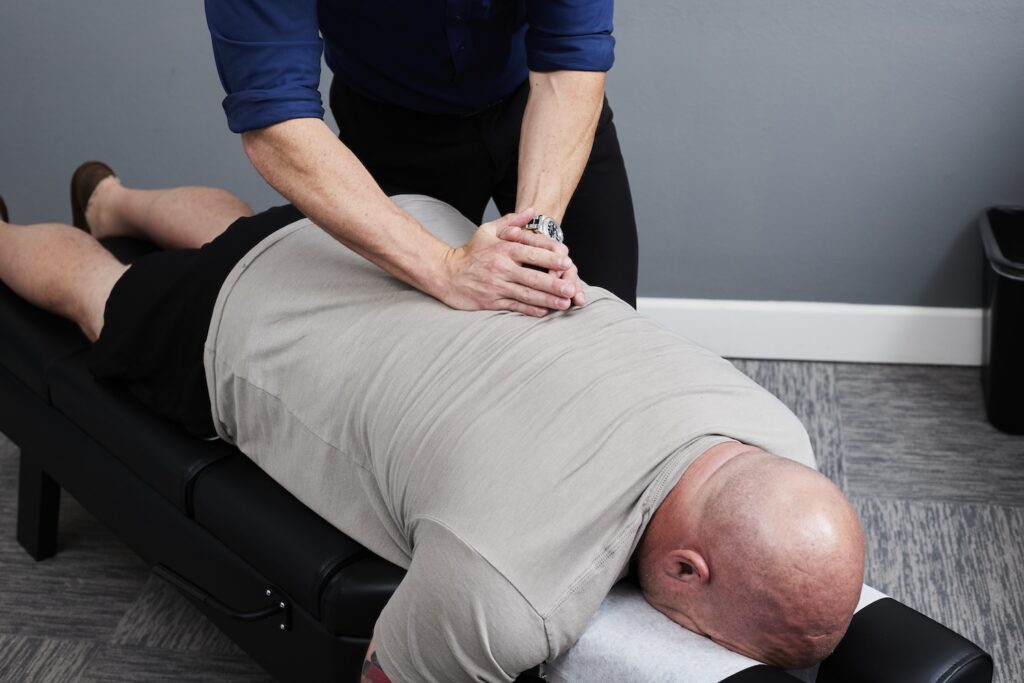
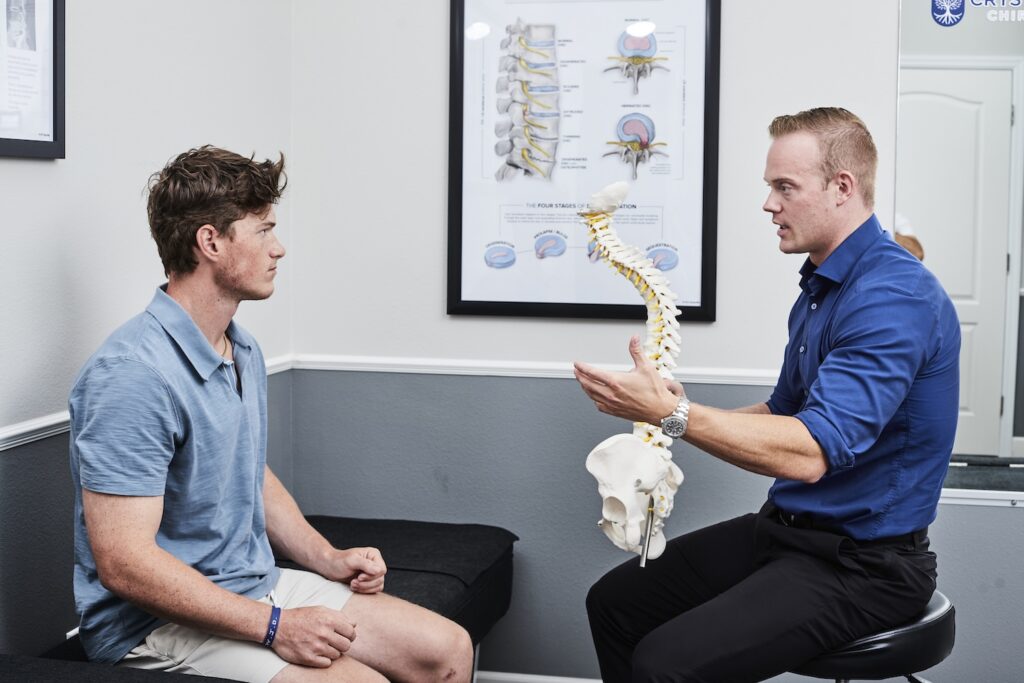
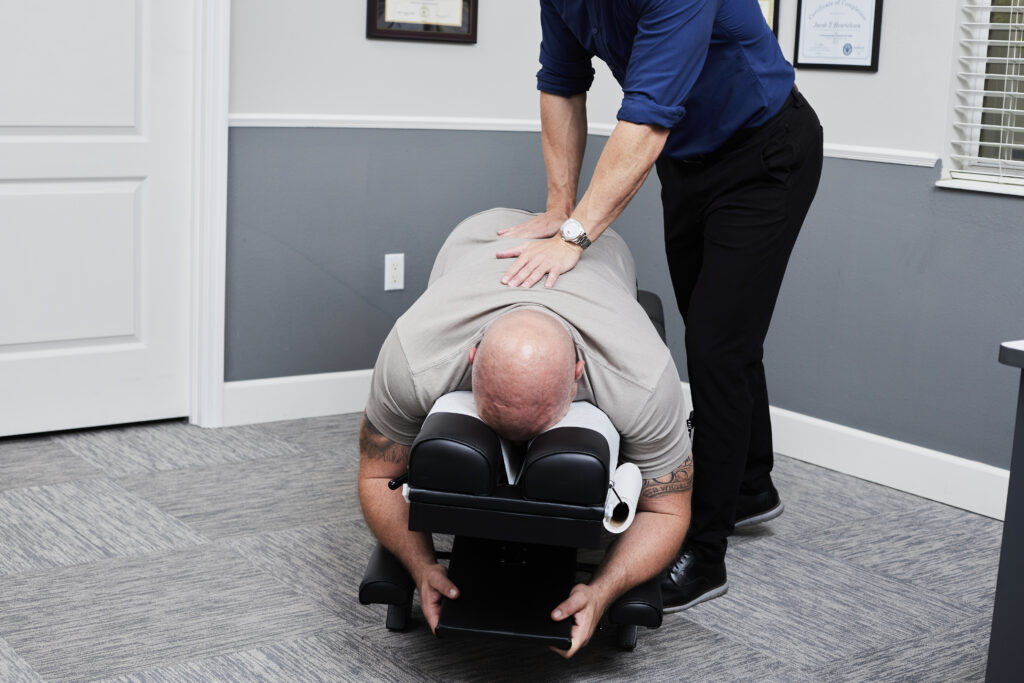
Chiropractic care focuses on aligning the spine and improving overall function. A chiropractor can assess your posture and spinal alignment, making adjustments that may alleviate neck pain and improve mobility. Regular visits can help maintain your neck's health over time.
Additionally, practices like yoga and tai chi incorporate gentle movements and stretching that can improve flexibility and strengthen your neck muscles. These mind-body techniques also promote relaxation and stress reduction, which can be beneficial if your neck pain is stress-related.
When to Seek Help
Recognizing when to seek help for neck pain is vital in preventing further complications. If your neck pain persists for more than a few days despite your efforts to relieve it, it's time to consult a healthcare professional. Ignoring prolonged pain can lead to chronic issues that might require more intensive treatment down the line.
You should also seek help if your neck pain is accompanied by other symptoms such as numbness, tingling, or weakness in your arms or hands. These could indicate nerve involvement or a more serious condition that needs immediate attention.
Additionally, if you experience severe headaches, dizziness, or visual disturbances alongside your neck pain, don't hesitate to seek medical advice.
If your neck pain follows a traumatic injury, such as a fall or an accident, getting evaluated by a healthcare provider is important. Even if the pain seems manageable, underlying injuries may need proper assessment.
Moreover, if you notice that your pain worsens with time or disrupts your daily activities, it's a clear sign to reach out for help. Don't wait for the pain to consume your life; addressing it early can lead to better outcomes.
Conclusion
To sum up, managing neck pain without surgery is entirely possible by making simple lifestyle changes and incorporating targeted exercises into your routine. Don't underestimate the power of alternative therapies like acupuncture or massage for relaxation. Remember to maintain good posture and stay hydrated to support your neck health. If your pain persists or worsens, don't hesitate to seek professional help. By taking these steps, you can regain comfort and improve your overall well-being.