When you're dealing with back pain, you might find yourself weighing the pros and cons of various treatment options. Non-invasive methods often stand out due to their ability to minimize risks and speed up recovery, allowing you to regain your mobility without the complications that can come with surgery. These approaches not only facilitate healing but also empower you with tools for pain management and prevention. However, you may wonder how these treatments stack up against more traditional methods and what specific options could work best for you.
Understanding Back Pain
Back pain often affects many people at some point in their lives, and understanding its causes can be essential for finding relief. You might experience back pain due to various factors, including muscle strain, ligament sprains, or herniated discs. These issues often arise from poor posture, heavy lifting, or sudden awkward movements. Identifying the source of your pain can greatly influence your treatment options.
Sometimes, back pain can stem from underlying medical conditions such as arthritis, scoliosis, or kidney problems. These conditions may require a more thorough evaluation to guarantee you're addressing the root cause rather than just the symptoms.
It's important to pay attention to when and how your pain occurs. For instance, if you notice that sitting for long periods exacerbates your discomfort, it might indicate a need for better ergonomic support in your workspace.
Lifestyle factors also play a significant role in back pain. Being overweight can add extra strain on your back, while a sedentary lifestyle can weaken the muscles that support your spine. Regular exercise, stretching, and maintaining a healthy weight can help mitigate these risks.
Don't underestimate the importance of awareness. By keeping track of your activities and how they affect your back, you can start to make informed choices that lead to better management of your pain.
Ultimately, understanding the various causes of back pain empowers you to take proactive steps toward relief and improved well-being.
Benefits of Non-Invasive Treatments
Choosing non-invasive treatments for back pain offers several key benefits you won't want to overlook.
You'll often experience reduced recovery times and face lower risks compared to more invasive options.
Plus, these treatments can greatly improve your overall quality of life, allowing you to get back to your daily activities sooner.
#
Reduced Recovery Time
Non-invasive treatments for back pain can considerably reduce recovery time, allowing you to return to your daily activities much sooner. When you choose options like physical therapy, chiropractic adjustments, or acupuncture, you often experience quicker relief and improved functionality without the lengthy downtime associated with surgery.
These treatments focus on addressing the root causes of your pain, promoting healing through gentle manipulation and targeted exercises.
You'll likely find that many non-invasive methods are designed to enhance your body's natural healing processes. For instance, physical therapy not only alleviates pain but also strengthens the muscles supporting your spine, reducing the risk of future injuries. This proactive approach means you won't just recover faster; you'll also build resilience against recurrence.
Additionally, since non-invasive options generally involve fewer complications, you can avoid the prolonged rehabilitation periods that often accompany surgical procedures. You'll be able to engage in your regular activities, whether it's playing with your kids, exercising, or returning to work, much quicker.
Ultimately, by opting for non-invasive treatments, you're choosing a path that prioritizes efficiency and effectiveness in your recovery journey.
Lower Risk Factors
One significant advantage of opting for non-invasive treatments is the lower risk of complications compared to surgical interventions. When you choose options like physical therapy, chiropractic care, or acupuncture, you're less likely to face serious side effects or complications that can arise from surgery. This can give you peace of mind knowing you're making a safer choice for your health.
Non-invasive treatments generally involve less trauma to your body. This means a lower chance of infection, reduced bleeding, and fewer risks associated with anesthesia. You can often avoid the long-term consequences that may come from surgical procedures, like scarring or weakened muscles.
Additionally, non-invasive options tend to have fewer restrictions on your daily activities. You can typically resume your regular routine much sooner, without the limitations that often accompany recovery from surgery. This flexibility allows you to manage your back pain while maintaining your lifestyle.
Improved Quality of Life
Opting for non-invasive treatments not only reduces risks but also considerably enhances your quality of life. When you choose methods like physical therapy, chiropractic care, or acupuncture, you're taking a proactive step toward managing your back pain without the complications that come with surgery or medication.
These treatments often focus on improving your mobility and strength, allowing you to engage more in everyday activities. You'll likely notice a decrease in pain levels, which can lead to better sleep and improved mood.
With less discomfort, you're more likely to participate in hobbies, socialize with friends, and enjoy family time. This shift can create a positive feedback loop; as you feel better physically, your mental well-being improves, and you're motivated to maintain a healthier lifestyle.
Moreover, non-invasive treatments empower you to take control of your health. You'll learn techniques for managing pain and preventing future issues, fostering a sense of independence.
Ultimately, embracing non-invasive options can lead to a more fulfilling, active life, free from the limitations that chronic back pain often imposes. You deserve to experience that improved quality of life.
Common Non-Invasive Options
Back pain can often be managed effectively through a variety of common non-invasive options. One of the most popular methods is physical therapy. A trained therapist can guide you through exercises tailored to strengthen your back and improve flexibility, helping to alleviate pain and prevent future injuries.
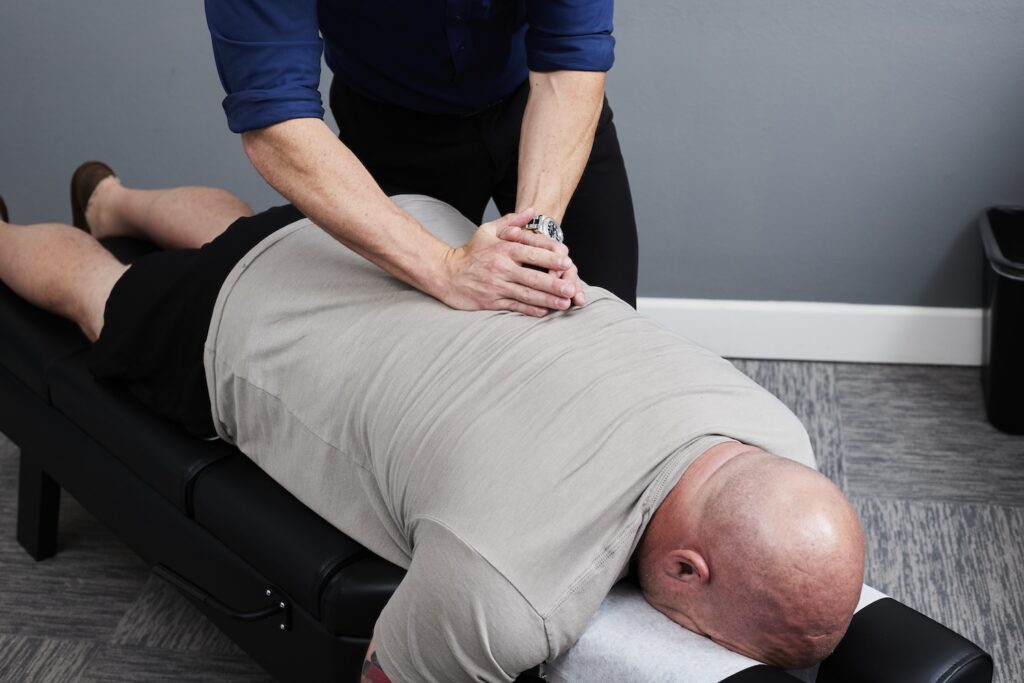
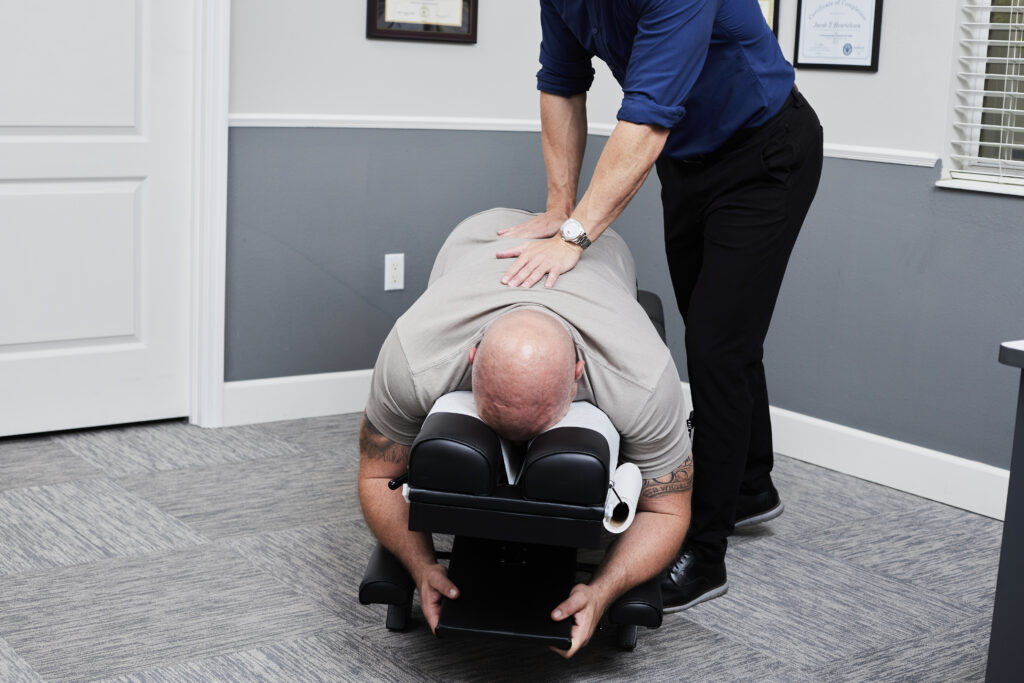
Another effective approach is chiropractic care. Chiropractors use manual manipulation techniques to adjust your spine, which can relieve pressure on nerves and reduce discomfort. Many people find relief after just a few sessions.
Acupuncture is another non-invasive option that's gained popularity. This traditional Chinese medicine technique involves inserting thin needles into specific points on the body to promote healing and pain relief. Research suggests that acupuncture may help reduce chronic back pain for many individuals.
Additionally, consider adopting a regular exercise routine that focuses on low-impact activities, like swimming or walking. Engaging in these activities can enhance your overall fitness while being gentle on your back.
Mindfulness and relaxation techniques, such as yoga or meditation, can also be beneficial. These practices help you manage stress and tension, which can contribute to back pain.
Lastly, over-the-counter pain medications, like ibuprofen or acetaminophen, can provide temporary relief. However, it's vital to consult with a healthcare professional before starting any medication.
## Reduced Recovery Time
When you choose non-invasive options for back pain, you'll likely experience a quicker healing process.
Many treatments require minimal downtime, allowing you to get back to your daily activities sooner.
This means less disruption to your life and more time to enjoy what you love.
Quick Healing Process
Finding relief from back pain doesn't have to mean enduring long recovery times. Non-invasive options like physical therapy, chiropractic adjustments, and acupuncture promote a quick healing process, allowing you to get back to your daily activities sooner.
These treatments target the root cause of your pain without the need for invasive procedures or surgery, which often involve lengthy recovery periods.
With non-invasive methods, your body can heal naturally. For instance, physical therapy focuses on strengthening muscles, improving flexibility, and correcting posture, which can expedite recovery.
Similarly, chiropractic care can realign your spine, alleviating pain and enhancing mobility without the need for prolonged downtime. Acupuncture, on the other hand, uses precise needle placements to stimulate healing and reduce inflammation, often yielding fast results.
You'll appreciate how these therapies not only relieve pain but also empower you to take an active role in your recovery.
By choosing non-invasive options, you're investing in a quicker return to your normal life, minimizing the disruption that back pain can cause.
Minimal Downtime Required
Non-invasive treatments not only promote a quick healing process but also require minimal downtime, allowing you to resume your daily routine swiftly.
Unlike invasive procedures, which often involve lengthy recovery times and restrictions, non-invasive options enable you to get back to your life almost immediately. This means you can maintain your work commitments, family responsibilities, and social activities without significant interruptions.
Additionally, minimal downtime reduces the stress and anxiety often associated with recovery. You won't have to worry about taking extended leave from work or missing important events. Instead, you can focus on your healing while still engaging in the activities you enjoy.
Whether it's physical therapy, chiropractic care, or other non-invasive treatments, you can expect to feel improvement without the burdens of a long recovery. Many patients even find they can return to light activities within days, making these options highly appealing.
Choosing non-invasive treatments not only promotes faster healing but also keeps your life on track. By opting for these approaches, you empower yourself to manage your back pain effectively while enjoying a seamless integration back into your daily routine.
Lower Risk of Complications
Opting for non-invasive treatments for back pain often means a lower risk of complications compared to surgical interventions. When you choose methods like physical therapy, chiropractic care, or acupuncture, you're less likely to face significant side effects or complications.
These alternative treatments focus on addressing the underlying issues without the need for anesthesia or invasive procedures, which can carry their own risks.
Surgery often involves a considerable recovery period, and complications can range from infections to nerve damage. With non-invasive options, your body isn't subjected to the same level of trauma.
For instance, physical therapy not only helps alleviate pain but also strengthens your back, reducing the likelihood of future injuries. Chiropractic adjustments can realign your spine without the risks associated with surgical manipulation.
Moreover, non-invasive treatments typically allow for quicker adjustments based on your body's responses. If something isn't working, you can easily switch techniques or modalities without the long-term commitment that comes with surgery.
This flexibility further minimizes the risk of complications, as you're actively engaging in your recovery while monitoring how your body reacts.
Cost-Effectiveness of Non-Invasive Care
When you consider the financial implications of managing back pain, non-invasive care often stands out as a more cost-effective option. Traditional treatments like surgery can be incredibly expensive, not to mention the costs associated with hospital stays, recovery, and potential complications.
On the other hand, non-invasive treatments—such as physical therapy, chiropractic care, and acupuncture—typically involve lower upfront costs and fewer hidden expenses.
Choosing non-invasive options can also lead to significant savings in the long run. You're likely to miss fewer days at work and incur lower medical expenses over time. For instance, physical therapy not only helps alleviate pain but also teaches you exercises and techniques that can prevent future issues. This proactive approach reduces the chances of chronic pain, which can be financially draining.
Moreover, many health insurance plans offer better coverage for non-invasive treatments compared to surgical procedures. This means that your out-of-pocket expenses may be lower when opting for physical therapy or alternative therapies.
You might find that these treatments aren't only more affordable but also more accessible, allowing you to start your recovery sooner.
Promoting Long-Term Wellness
A holistic approach to managing back pain goes beyond immediate relief; it emphasizes promoting long-term wellness. By focusing on sustainable practices, you can greatly reduce the likelihood of recurring pain, improve your overall health, and enhance your quality of life. Non-invasive options, such as physical therapy, acupuncture, and chiropractic care, not only address current symptoms but also tackle underlying issues that contribute to discomfort.
Incorporating regular exercise into your routine is essential for long-term wellness. Strengthening the muscles around your spine helps support your back, reducing strain and preventing future injuries. Activities like yoga or Pilates can improve flexibility and posture, which are key to maintaining a healthy back.
Nutrition plays an important role too. A balanced diet rich in anti-inflammatory foods can help minimize pain and promote healing. Staying hydrated is fundamental for maintaining spinal health, as it keeps your discs well-lubricated and functioning properly.
Additionally, mindfulness practices such as meditation and deep breathing techniques can reduce stress, which often exacerbates physical pain. By managing stress, you can create a more conducive environment for healing and recovery.
Lastly, regular check-ups with healthcare professionals guarantee that you're on the right track. They can offer guidance tailored to your specific needs and help you stay accountable.
Empowering Patient Involvement
Empowering you to take an active role in your back pain management can greatly enhance your healing journey. When you engage in your own care, you're more likely to feel in control and motivated to pursue effective strategies. Start by educating yourself about your condition and the various non-invasive treatment options available. Knowledge is power, and understanding your pain's cause can lead you to make better choices.
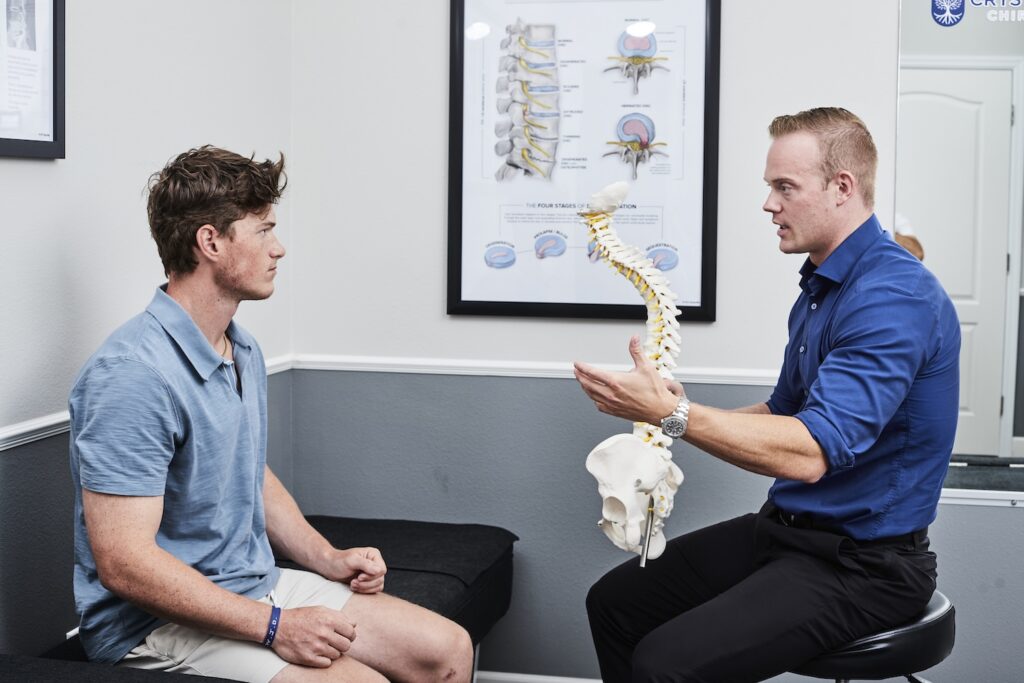
Next, don't hesitate to communicate openly with your healthcare provider. Share your symptoms, concerns, and goals. By doing this, you create a collaborative relationship where your input is valued, and together, you can develop a personalized management plan. This proactive approach not only builds trust but also guarantees that the treatment aligns with your lifestyle and preferences.
Incorporating self-care practices into your routine is another crucial aspect of empowerment. Simple changes like incorporating gentle stretching, engaging in low-impact exercises, or practicing mindfulness can make a significant difference in how you manage your pain.
Tracking your progress can also provide valuable insights into what works best for you.
Lastly, consider joining support groups or online communities. Connecting with others facing similar challenges can offer encouragement and shared strategies that you mightn't have considered.
Making Informed Decisions
Understanding your options is essential for making informed decisions about your back pain management. When you face chronic discomfort, it's easy to feel overwhelmed by the myriad of treatments available. However, knowing what non-invasive options exist allows you to choose a path that best suits your needs and lifestyle.
Start by gathering information on various non-invasive treatments. These can include physical therapy, chiropractic care, acupuncture, and lifestyle modifications like exercise and nutrition. Each option has its benefits and potential drawbacks, so it's important to research and understand how they work. Ask your healthcare provider questions to clarify any uncertainties, and don't hesitate to seek multiple opinions if necessary.
Consider your personal health history, preferences, and daily routines while making your choice. What works for one person mightn't be effective for you. Keep in mind that non-invasive treatments often require a commitment to lifestyle changes, so it's important to select options you can realistically maintain.
Additionally, evaluate the credibility of the sources you're using for your research. Peer-reviewed studies, reputable health organizations, and healthcare professionals can provide reliable information to help guide your decisions.
Finally, track your progress with whichever non-invasive treatment you choose. Regularly assess how your back pain responds and adjust your approach if needed. By staying engaged in the decision-making process, you empower yourself to take control of your back pain management effectively.
Conclusion
To summarize, choosing non-invasive options for back pain can greatly enhance your quality of life. These treatments not only reduce recovery time and lower the risk of complications but also save you money in the long run. By exploring various non-invasive methods, you empower yourself to manage pain effectively and promote long-term wellness. So, take charge of your health—consider non-invasive options and enjoy a more active, comfortable lifestyle.