When it comes to healthcare, you might wonder why tailored treatment plans are gaining so much attention. They're not just a trend; they address your unique health needs, leading to more effective interventions. You'll also find that these personalized approaches can greatly enhance your engagement in the treatment process. But there's more to it—understanding how these plans impact your health outcomes could change the way you think about your care. Curious about the specific reasons that make these plans so compelling? Let's explore the key benefits further.
Enhanced Patient Engagement
Enhanced patient engagement is essential for the success of tailored treatment plans. When you actively participate in your care, it leads to better communication and understanding between you and your healthcare provider. This engagement fosters a collaborative environment where your preferences, needs, and concerns are recognized and addressed.
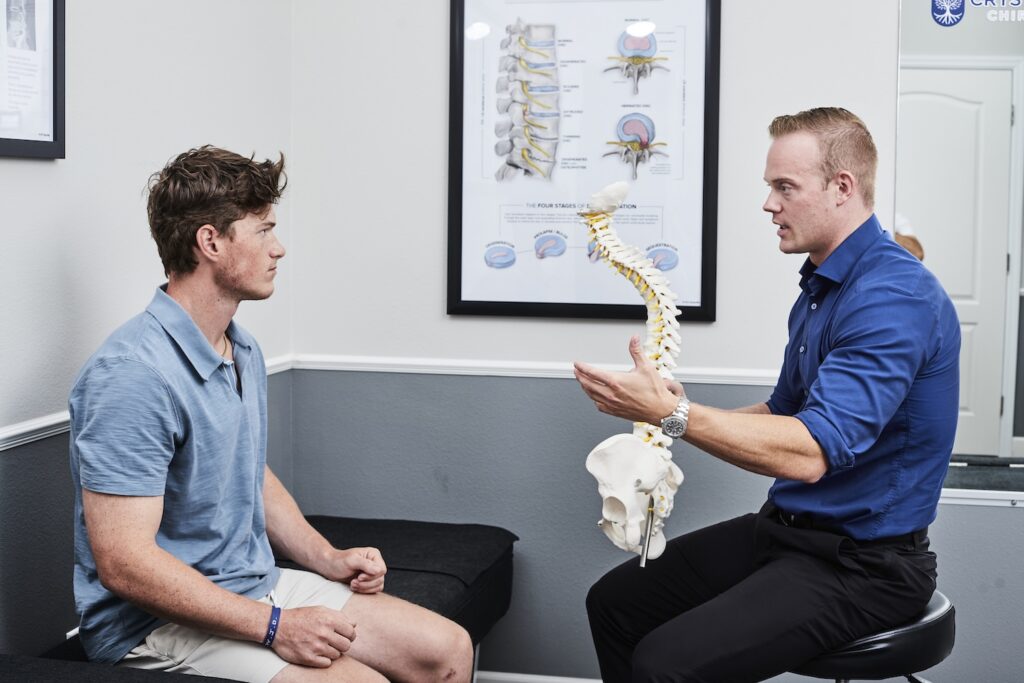
To improve your engagement, start by asking questions about your treatment options. Don't hesitate to voice your thoughts; your insights can guide healthcare professionals in creating a more personalized approach. By expressing your expectations and discussing your lifestyle, you provide valuable context that can shape your plan.
Utilizing technology can also enhance your involvement. Accessing digital health platforms, mobile apps, or patient portals allows you to track your progress, schedule appointments, and communicate with your healthcare team easily. This constant connection keeps you informed and motivated, which is vital for adhering to your treatment plan.
Another key aspect is education. The more you know about your condition and treatment, the more empowered you'll feel. Engage with reputable resources and attend educational sessions offered by your healthcare provider.
This knowledge not only helps you make informed decisions but also encourages you to take an active role in your health journey.
Improved Health Outcomes
Active participation in your care not only fosters better communication but also leads to improved health outcomes. When you engage actively in your treatment plan, you're more likely to understand your health conditions and the rationale behind specific interventions. This understanding empowers you to make informed decisions that align with your personal health goals.
Tailored treatment plans recognize that no two patients are the same. By customizing your care to fit your unique needs, preferences, and circumstances, healthcare providers can improve the effectiveness of treatments. For instance, if a treatment isn't working as expected, your active involvement allows you to provide feedback, leading to timely adjustments that enhance the likelihood of success.
Moreover, when you take an active role in your health journey, you're more likely to adhere to your prescribed regimen. This adherence can greatly impact your overall health, reducing the risk of complications and hospitalizations. Studies show that patients who are actively involved in their care often experience better management of chronic conditions and improved recovery times post-treatment.
Additionally, your participation can foster a more collaborative relationship with healthcare professionals, ensuring that your voice is heard. This partnership can lead to a deeper understanding of your health needs and a more thorough approach to treatment.
Increased Treatment Satisfaction
When you feel involved in your treatment plan, your overall satisfaction with the care you receive markedly increases. Tailored treatment plans allow you to actively participate in decisions about your health. This involvement fosters a sense of ownership and empowerment, making you more likely to adhere to the prescribed regimen.
When you have a say in your treatment, you're more inclined to trust your healthcare providers and feel valued as a partner in your care. You might notice that when your unique preferences and needs are considered, the treatment feels more relevant to you. This relevance boosts your motivation and commitment to follow through with the plan.
Instead of feeling like just another patient, you become an integral part of the process, which can markedly enhance your overall experience. Moreover, tailored treatment plans often lead to clearer communication between you and your healthcare team.
When you discuss your specific concerns and goals, providers can address them more effectively. This open dialogue not only improves your understanding of the treatment but also helps to build a supportive relationship. As you gain confidence in your treatment plan, you're likely to feel less anxious and more satisfied with your care.
Conclusion
In summary, tailored treatment plans are essential for your health journey. By enhancing your engagement, they make you feel more involved in your care, leading to better health outcomes. When your unique needs are addressed, you're more likely to stick to your treatment, ultimately boosting your satisfaction with the process. Embracing personalized care not only empowers you but also paves the way for a healthier, happier future. So, advocate for a treatment plan that's made just for you!