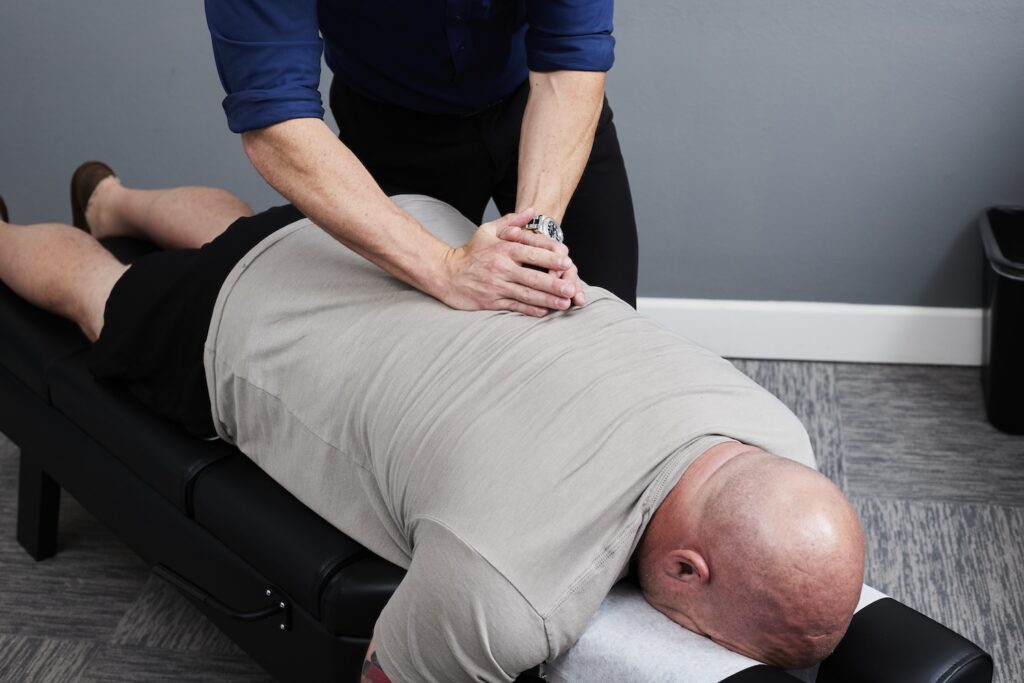
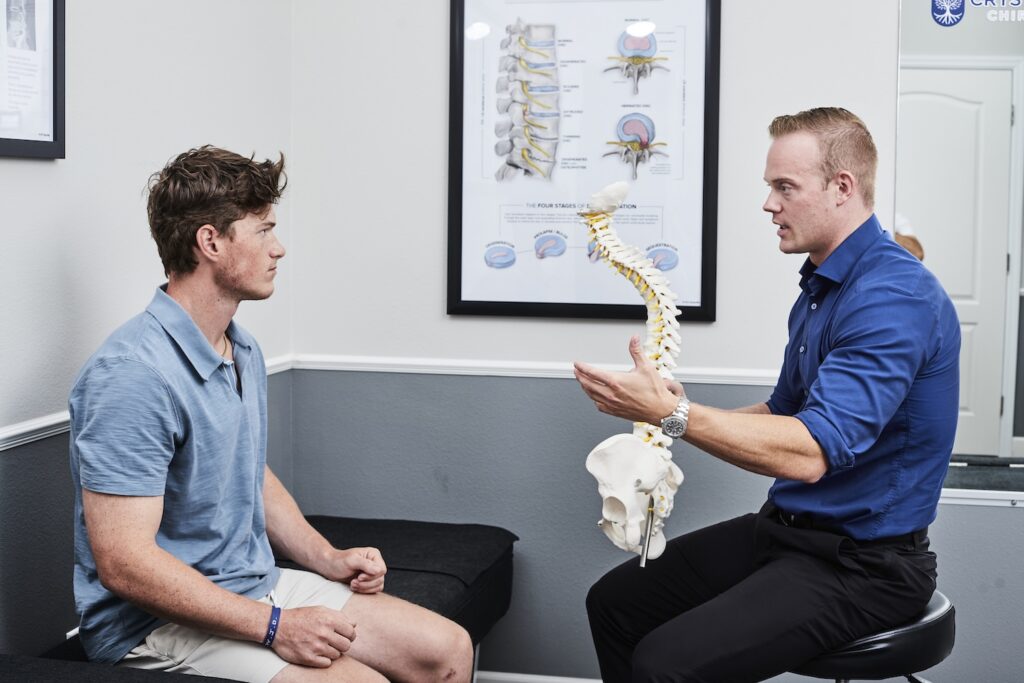
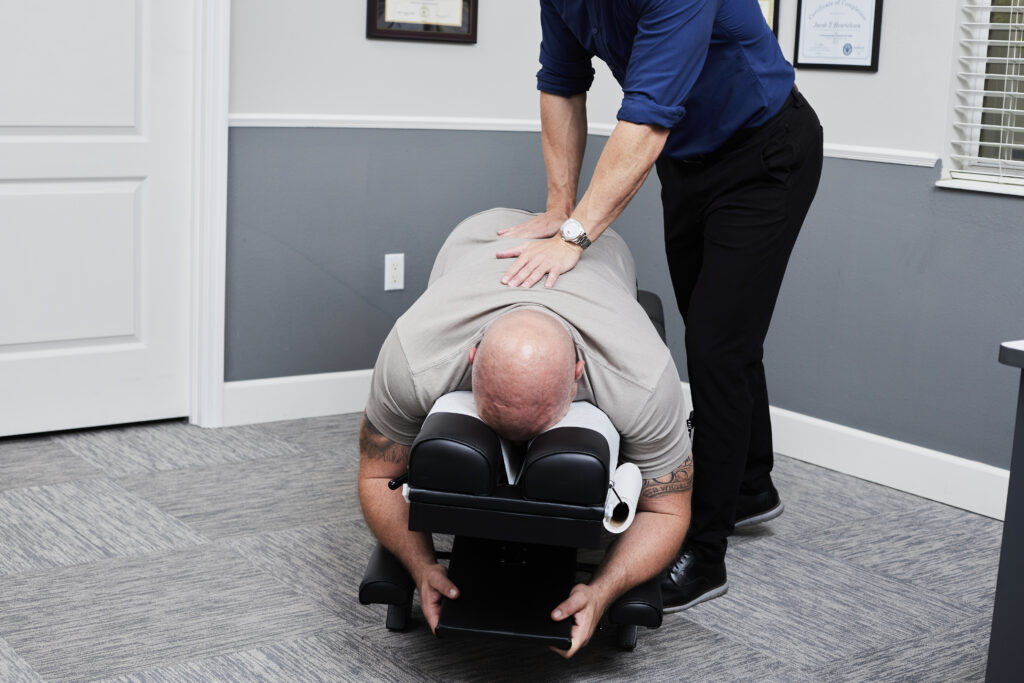
When it comes to addressing your back pain, a personalized plan can make all the difference. You've likely noticed that standard treatments often miss the mark, failing to take into account your unique triggers and lifestyle. A tailored approach not only targets your specific issues but also empowers you to take control of your recovery. So, what elements should your personalized plan include, and how can they lead to better outcomes? Understanding these factors might just change the way you approach your pain management journey.
Understanding Back Pain
Back pain can be a frustrating and debilitating experience, affecting your daily activities and overall quality of life. To effectively manage it, you first need to understand what's happening in your body. Back pain often arises from various causes, including muscle strains, ligament sprains, herniated discs, or underlying conditions like arthritis. Recognizing the source of your discomfort is vital for finding the right treatment.
When you experience back pain, it's important to pay attention to its characteristics. Is it sharp, dull, or throbbing? Does it radiate to other areas, like your legs or hips? These details can help pinpoint the issue. Additionally, consider any recent activities that may have contributed to your pain, such as heavy lifting, poor posture, or sudden movements.
Your back is made up of a complex structure of bones, muscles, and nerves, all working together to provide support and mobility. Understanding this anatomy can help you appreciate why specific movements may aggravate your pain. For instance, weak core muscles can lead to improper spinal alignment, increasing strain on your back.
Emotional factors can also play a significant role in your experience of back pain. Stress, anxiety, and depression may exacerbate your discomfort, leading to a cycle of pain and emotional distress.
Limitations of Standard Treatments
When seeking relief from back pain, you might find that standard treatments—like over-the-counter pain medications, physical therapy, or even surgery—don't always deliver the desired results.
These approaches often take a one-size-fits-all perspective, which can be a major limitation. For instance, while pain medications can temporarily mask symptoms, they don't address the underlying issues causing your pain. Relying on them might lead to dependency or unwanted side effects, leaving you frustrated and still in discomfort.
Physical therapy, although beneficial for many, may not target the specific needs of your body. What works for someone else mightn't work for you, especially if your pain stems from unique factors like your posture, lifestyle, or previous injuries.
If your therapist follows a standard protocol, you might feel like you're receiving generic care rather than a tailored plan that addresses your individual concerns.
Surgery, while sometimes necessary, carries its own risks and potential complications. It often involves a lengthy recovery period and doesn't guarantee that your pain will be resolved post-procedure.
In fact, some patients experience ongoing issues even after surgery.
Ultimately, these standard treatments can overlook the complexity of back pain. They may not consider your specific circumstances, leading to incomplete or ineffective care.
As you navigate your journey for relief, it's essential to recognize these limitations and seek out more personalized options that directly address your unique situation.
Benefits of Personalization
Personalized back pain plans offer a tailored approach that directly addresses your specific needs, making them far more effective than standard treatments. When you engage with a plan designed just for you, it considers your unique pain triggers, lifestyle, and overall health, ensuring that you're not just another number in a one-size-fits-all solution.
One of the major benefits of personalization is increased effectiveness. By focusing on the specific causes of your pain, these plans can target the root issues rather than merely masking symptoms. This means you're more likely to experience lasting relief rather than temporary fixes.
Moreover, personalized plans often incorporate a variety of treatment options, from physical therapy to lifestyle changes, which means you can choose what works best for you. You might find that certain exercises or therapies resonate more with your body, allowing for a more enjoyable and sustainable recovery process.
This adaptability not only keeps you engaged but also empowers you to take control of your health journey.
Additionally, personalized plans can enhance your motivation. When you see tangible results tailored to your efforts, you're more likely to stick with the program. This continuous feedback loop fosters a sense of accomplishment, encouraging you to stay committed to your recovery.
Factors Influencing Back Pain
Numerous factors can influence your experience of back pain, ranging from physical conditions to lifestyle choices. Understanding these factors is essential for managing your pain effectively.
For instance, your posture plays a significant role. Slouching or sitting for extended periods can strain your back muscles and contribute to discomfort.
Physical activity is another key element. If you're sedentary, your muscles may weaken, making your back more susceptible to injury. Conversely, overexerting yourself during workouts without proper form can lead to strains. It's important to find a balance that suits your lifestyle and maintains your strength.
Your weight also impacts back pain. Carrying excess weight puts additional stress on your spine, increasing the likelihood of pain. Incorporating a balanced diet and regular exercise can help manage your weight and alleviate some pressure on your back.
Mental health shouldn't be overlooked either. Stress, anxiety, and depression can manifest physically, often intensifying your perception of pain. Practicing stress-relief techniques, such as mindfulness or yoga, can make a significant difference.
Lastly, age and genetics can predispose you to back issues. As you age, your spine undergoes natural wear and tear, and if you have a family history of back problems, you might be at a higher risk.
Recognizing these factors can empower you to take proactive steps in managing your back pain effectively.
Developing a Personalized Plan
Understanding the factors influencing your back pain is the first step toward creating an effective approach to manage it. You'll want to take into account your unique situation and develop a personalized plan that addresses your specific needs. Start by gathering information about your lifestyle, daily habits, and any medical history that could impact your back health.
Here are some elements to include in your personalized plan:
- Physical Activity: Identify exercises that strengthen your back and core, while also incorporating gentle stretching routines.
- Ergonomics: Evaluate your workspace and home environment to guarantee that your posture and furniture support your spine.
- Nutrition: Focus on a balanced diet that promotes overall health and aids in inflammation reduction.
- Stress Management: Explore techniques like yoga, meditation, or deep breathing exercises to help reduce tension that might contribute to your pain.
- Medical Guidance: Consult healthcare professionals to tailor your plan, making sure it aligns with any medical treatments or therapies you may be receiving.
Once you've gathered this information, you can effectively prioritize your goals. This personalized plan should be flexible, allowing for adjustments as you progress or as your needs change.
Regularly review your plan and track your pain levels to see what works best for you. By taking these steps, you'll empower yourself to manage your back pain more effectively and improve your overall quality of life.
Success Stories and Evidence
You'll find countless success stories from people just like you who've transformed their lives with personalized back pain plans.
Research-backed approaches have proven effective in addressing various types of pain, showing you that relief is possible.
Let's explore these inspiring transformations and the science behind them.
Real-Life Transformations
Through the journeys of countless individuals, personalized back pain plans have proven to be life-changing. You might be amazed at how tailored approaches can lead to remarkable transformations.
These stories highlight the power of custom plans that adapt to your unique needs and challenges.
- Sarah, who once struggled to play with her kids, now enjoys active weekends filled with outdoor adventures.
- Tom, an office worker, saw a significant decrease in discomfort, allowing him to focus better and increase productivity.
- Emily, a dancer, regained her flexibility and confidence, returning to the stage after years of pain.
- Mark, a retiree, found relief through targeted exercises, enabling him to travel and explore new hobbies.
- Lisa, who battled chronic pain for years, discovered a holistic approach that improved her emotional well-being.
These success stories underscore the importance of personalized plans in addressing back pain.
By focusing on your specific situation, you can experience similar transformations, reclaiming your life and energy.
The power of tailored solutions lies in their ability to empower you to take control of your health and well-being.
Research-Backed Approaches
Research shows that personalized back pain plans can considerably enhance recovery and overall well-being. These plans are tailored to your specific needs, considering factors like your medical history, lifestyle, and pain triggers.
Studies have demonstrated that individuals who follow customized approaches often experience faster relief and improved functionality.
One notable research study found that patients who engaged in personalized physical therapy reported a 40% greater reduction in pain compared to those who followed a one-size-fits-all program. This highlights the importance of addressing your unique situation rather than applying generic solutions.
Additionally, a survey of participants in personalized pain management programs revealed that over 75% felt more empowered and motivated to manage their conditions proactively. This empowerment can lead to better adherence to treatment regimens and lifestyle changes, further promoting healing.
Success stories abound, with many individuals sharing how tailored interventions helped them reclaim their lives. By focusing on your specific challenges and preferences, personalized plans not only address the pain but also enable you to thrive.
Embracing a customized approach can make all the difference in your journey toward a pain-free life.
Conclusion
To sum up, personalized back pain plans are essential for effectively addressing your unique triggers and issues. By moving away from one-size-fits-all treatments, you can experience targeted relief that truly resonates with your lifestyle and medical history. Embracing a customized approach empowers you to take charge of your health, improving both your pain management and overall well-being. Don't settle for standard solutions—invest in a plan that's as unique as you are, and reclaim your quality of life.