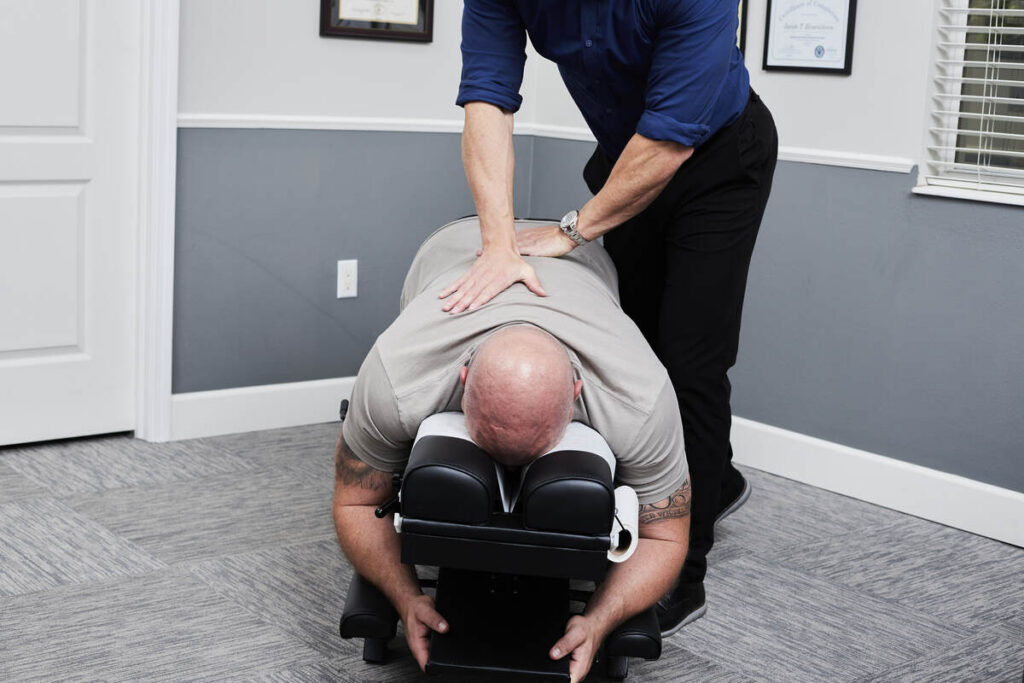

You might wonder why adjustments in your environment or routine can lead to a noticeable reduction in anxiety. When you create a structured setting, you foster a sense of predictability that can greatly ease your mind. By identifying sensory triggers or establishing consistent daily habits, you not only improve emotional regulation but also encourage resilience against stressors. The intriguing part is how these small changes can shape your overall mindset and coping strategies. What's even more compelling is the ripple effect these adjustments can have on your daily life and relationships.
Understanding Anxiety and Its Impact
In today's fast-paced world, anxiety has become a common struggle for many. You might find yourself feeling overwhelmed by daily responsibilities, social pressures, or even the constant barrage of information from technology. Anxiety isn't just a fleeting feeling; it can manifest as persistent worry, restlessness, or physical symptoms like a racing heart. Understanding what anxiety is and how it impacts your life is essential for managing it effectively.
Anxiety affects your mental and physical well-being. It can impair your ability to focus, make decisions, or enjoy everyday activities. You might notice that anxiety keeps you from engaging in social situations or pursuing new opportunities. This can create a cycle where avoidance reinforces your anxiety, making it harder to break free.
Knowing that anxiety can also lead to physical issues like headaches or digestive problems may help you recognize the urgency of addressing it.
As you navigate through life, you may experience different types of anxiety, such as generalized anxiety disorder, social anxiety, or panic disorder. Each type comes with its own set of challenges, but the common thread is how they interfere with your daily functioning.
Acknowledging these feelings is the first step toward finding effective strategies to cope. By understanding anxiety and its impact on your life, you set the stage for making necessary adjustments that can help alleviate your symptoms and improve your overall quality of life.
The Role of Environmental Adjustments
When you create calming spaces, you set the stage for reducing anxiety in your life.
By minimizing sensory overload and enhancing comfort levels, you can foster an environment that promotes relaxation.
Let's explore how these adjustments can make a significant difference in your daily experience.
Creating Calming Spaces
Creating a sense of tranquility can greatly reduce anxiety, and one effective way to achieve this is by adjusting your environment. Start by decluttering your space; a tidy area can help clear your mind.
Consider incorporating soothing colors into your walls and decor. Soft blues and greens can evoke calmness and peace, while harsh colors may heighten tension.
Next, think about lighting. Natural light is ideal, so open your curtains and let the sun shine in. If that's not an option, use soft, warm-toned lamps to create a cozy atmosphere.
You might also want to introduce plants; they can improve air quality and bring a touch of nature indoors, which is often grounding.
Sound plays a significant role in creating calming spaces too. Try using gentle background music or nature sounds to drown out distracting noise.
Ultimately, consider adding personal touches that make you feel safe and comfortable, like photos or meaningful objects.
Reducing Sensory Overload
Sensory overload can be overwhelming, but making simple adjustments to your environment can help you regain control. Start by identifying the sources of sensory input that affect you most. Is it the noise from traffic, bright lights, or the clutter around you?
Once you pinpoint these triggers, you can take steps to minimize them. Consider using noise-canceling headphones or earplugs to reduce auditory distractions. Soft lighting can create a more soothing atmosphere, so opt for lamps with warm bulbs instead of harsh overhead lights.
If clutter adds to your anxiety, try organizing your space. A tidy environment can greatly lessen feelings of overwhelm. You might also benefit from creating designated quiet areas where you can retreat when things get too intense.
Incorporating calming elements, like plants or soothing colors, can further help in reducing sensory overload. Simple adjustments, like rearranging furniture or using room dividers, can also create a more peaceful environment.
Enhancing Comfort Levels
Adjusting your environment can greatly enhance your comfort levels and reduce anxiety. When you take the time to tweak your surroundings, you create a space that feels more inviting and less overwhelming.
Start by decluttering your area; a clean and organized space can lead to a clearer mind.
Next, consider the lighting. Soft, natural light can be calming, while harsh fluorescents can heighten stress levels. If possible, let in sunlight or use warm-toned lamps to create a soothing atmosphere.
You can also incorporate comforting scents. Essential oils or candles with lavender or chamomile can promote relaxation and help ease your mind.
Another important factor is temperature. If you're too hot or too cold, your body might be on high alert. Adjust the thermostat or add layers to find a comfortable balance.
Finally, personalize your space with items that make you feel good, whether it's a favorite photo, art, or soft textiles.
Routine Changes for Better Well-Being
A well-structured routine can greatly enhance your overall well-being, especially when you're feeling anxious. Establishing a daily rhythm provides predictability that can ease your mind. When you know what to expect, it can reduce uncertainty and help you feel more in control.
Start by identifying key activities you want to include in your routine. Prioritize tasks that contribute positively to your mental and physical health, such as regular exercise, healthy meals, and sufficient sleep. Even small adjustments, like setting specific times for meals or incorporating short walks, can make a big difference.
Next, consider your morning routine. A calming start to your day sets a positive tone. Try waking up a bit earlier to enjoy a few moments of mindfulness or meditation before diving into your tasks. This practice can help ground you and prepare your mind for the day ahead.
Don't forget to schedule breaks. It's easy to get caught up in daily responsibilities, but taking short breaks can recharge your energy and improve focus. Use these moments to step outside, stretch, or simply breathe deeply.
Finally, be flexible with your routine. Life's unpredictable, and it's okay to adjust your plans as needed. The goal is to create a structure that supports you, not to add pressure. By embracing these changes, you'll likely find it easier to manage anxiety and enhance your overall sense of well-being.
Mindset Shifts and Their Benefits
When you embrace change positively, you open yourself up to new possibilities and experiences.
Cultivating resilience through challenges helps you bounce back stronger and more adaptable.
Embracing Change Positively
It's also essential to surround yourself with supportive people who encourage this positive mindset. Their energy can boost your confidence and help you see change in a new light.
Remember, every adjustment brings a chance to grow and learn. By reframing your thoughts and recognizing the value of change, you can approach life's transformations with a sense of excitement and anticipation.
Ultimately, embracing change positively can lead to a more fulfilling and less anxious life.
Cultivating Resilience Through Challenges
Challenges often feel overwhelming, but they also provide a unique opportunity to cultivate resilience. When you face difficulties, you're forced to adapt and grow, which strengthens your ability to handle future obstacles. Instead of viewing these moments as setbacks, try seeing them as chances to build your mental toughness.
Every challenge you encounter pushes you out of your comfort zone. This discomfort is where growth happens. When you tackle problems head-on, you develop a better understanding of your capabilities. You learn that you can bounce back, even when the going gets tough. This realization fosters a mindset shift; you start to approach challenges with curiosity rather than fear.
Moreover, overcoming challenges can boost your confidence. As you navigate through tough times, you gain valuable skills and insights that empower you. You might discover coping mechanisms or strategies that work for you, making you more prepared for future stressors.
Ultimately, cultivating resilience through challenges not only helps reduce anxiety but also prepares you to face life's uncertainties with a more positive outlook. Embrace these experiences, and watch how they transform your mindset and strengthen your resolve.
Shifting Perspectives for Growth
A shift in perspective can be a game-changer for personal growth, and it often starts with recognizing the power of your mindset. When you reframe challenges as opportunities, you open the door to learning and development. Instead of viewing setbacks as failures, consider them stepping stones toward your goals. This mindset shift not only reduces anxiety but also boosts your confidence in maneuvering life's uncertainties.
You might find that embracing a growth mindset allows you to see your abilities as improvable rather than fixed. This belief can lead to greater resilience, as you'll be more willing to take risks and step outside your comfort zone. When you approach situations with curiosity instead of fear, you'll likely discover new strengths and insights.
Moreover, shifting your perspective helps you cultivate empathy. By understanding opposing viewpoints, you can foster deeper connections with others. This not only enriches your relationships but can also alleviate feelings of isolation that often accompany anxiety.
Ultimately, embracing a growth-oriented mindset encourages you to celebrate progress, however small. This not only fuels your journey but also serves as a powerful antidote to anxiety, paving the way for a more fulfilling life.
Creating a Calming Space
Creating a calming space can greatly reduce anxiety by providing a refuge from daily stressors. When you take the time to curate a space that promotes tranquility, you'll find it easier to unwind and regain your focus.
Here are three essential elements to contemplate when designing your calming sanctuary:
- Comfortable Seating: Choose a chair or cushion that invites you to relax. Whether it's a plush armchair or a soft floor pillow, your seating should make you feel supported and at ease. This is where you can sit back, breathe, and let the world fade away.
- Natural Elements: Integrate plants or nature-inspired decor to bring a sense of peace into your space. The presence of greenery can lower stress levels and boost your mood. Even a simple vase of fresh flowers can make a significant difference in how you feel.
- Soft Lighting: Lighting plays a crucial role in setting the mood. Opt for warm, dim lighting or use candles to create a soothing atmosphere. Avoid harsh overhead lights, as they can be jarring. Instead, focus on gentle illumination that calms your senses.
The Power of Small Adjustments
Making small adjustments in your daily routine can have a significant impact on your anxiety levels. You mightn't realize it, but tiny changes can create a ripple effect that transforms your overall well-being.
For instance, consider altering your morning routine. Waking up just 15 minutes earlier can give you extra time to breathe, stretch, or enjoy a quiet cup of tea. This simple shift sets a more positive tone for your day.
Another effective adjustment involves your environment. Rearranging your workspace or decluttering your living area can reduce feelings of overwhelm. When you create a more organized space, you're less likely to feel distracted or anxious about the chaos around you.
You can also pay attention to your daily habits. Replacing one unhealthy snack with a nutritious option can boost your mood and energy levels.
Even adjusting your screen time can make a difference; try setting boundaries around technology use, especially before bedtime. This can help improve your sleep quality and reduce anxiety.
Finally, don't underestimate the power of small breaks. Taking a few minutes to step outside for fresh air or doing a quick mindfulness exercise can reset your mind and body.
These minor adjustments lead to a more balanced life, enabling you to manage anxiety more effectively. Remember, it's the little things that often make the biggest difference, so start making those small changes today for a calmer tomorrow.
Incorporating Mindfulness Practices
Incorporating mindfulness practices into your daily routine can further enhance the positive effects of those small adjustments. By bringing awareness to the present moment, you can cultivate a sense of calm that helps reduce anxiety.
Mindfulness encourages you to notice your thoughts and feelings without judgment, creating space for greater emotional resilience.
Here are three effective ways to integrate mindfulness into your life:
- Mindful Breathing: Take a few minutes each day to focus on your breath. Inhale deeply through your nose, hold for a moment, and exhale slowly through your mouth. This simple practice can ground you and diminish racing thoughts.
- Body Scan Meditation: Spend 10-15 minutes each day doing a body scan. Lie down comfortably and mentally scan your body from head to toe. Notice any tension or discomfort, and consciously relax those areas. This helps you connect with your physical self and release built-up stress.
- Gratitude Journaling: At the end of each day, write down three things you're grateful for. This practice shifts your focus from anxiety-provoking thoughts to positive experiences, fostering a more optimistic mindset.
Social Support and Adjustments
Recognizing the importance of social support can greatly enhance the effectiveness of your adjustments in managing anxiety. When you surround yourself with supportive friends, family, or even a community, you're more likely to feel understood and less isolated in your struggles. This support can come in various forms, whether it's someone listening to your concerns or providing practical help during tough times.
Engaging with others who understand your situation can provide a sense of belonging. You might find that sharing your feelings and experiences not only alleviates some of the burden but also leads to valuable insights from those who've faced similar challenges. This exchange can encourage you to adopt new strategies for coping with anxiety and reinforce your commitment to making adjustments.
Moreover, social support can act as a buffer against stress. When you face setbacks, having a network to lean on can help you bounce back more quickly. The encouragement and motivation you receive from others can empower you to stay on track with your adjustments, even when anxiety feels overwhelming.
Don't underestimate the power of simply being around people who care. Whether it's through casual conversations, group activities, or structured support groups, these connections can make your journey toward managing anxiety feel less intimidating.
Long-Term Benefits of Adjustments
While social support lays a strong foundation for managing anxiety, the adjustments you make can lead to significant long-term benefits. When you actively implement changes in your lifestyle, mindset, and habits, you're not just addressing immediate anxiety but also setting the stage for a more resilient future.
Here are three key long-term benefits of these adjustments:
- Enhanced Coping Mechanisms: As you make adjustments, you'll develop stronger coping strategies. This growth allows you to manage stressors more effectively, reducing the likelihood of anxiety resurfacing in challenging situations.
- Improved Mental Health: Consistent adjustments can lead to lasting improvements in your overall mental health. By adopting healthier habits, like regular exercise or mindfulness practices, you're likely to experience reduced symptoms of anxiety and even prevent future episodes.
- Increased Self-Efficacy: Each successful adjustment boosts your confidence in handling challenges. This sense of self-efficacy empowers you to tackle not just anxiety but also other life obstacles, fostering a more positive outlook and a greater sense of control over your life.
Conclusion
Incorporating adjustments into your daily life can greatly reduce anxiety and enhance your overall well-being. By creating a structured environment, establishing routines, and fostering social connections, you empower yourself to manage stress more effectively. Remember, even small changes can have a big impact. As you cultivate mindfulness and adapt your surroundings, you'll not only build resilience but also foster a positive mindset. Embrace these adjustments, and watch your anxiety symptoms diminish over time, leading to a happier, healthier you.