
If you've ever faced a sports injury, you know how important it is to find effective relief options. From ice therapy to rehabilitation exercises, various treatments can help you recover and get back in the game. Each method serves a purpose, whether it's managing pain or restoring strength. But with so many choices available, it's vital to understand which treatments are most effective for your specific situation. So, what's the best approach for your recovery journey? Let's explore some of the leading methods that could make all the difference.
Rest and Recovery
Resting and recovering are essential steps in healing from a sports injury. When you're sidelined, it's tempting to push through discomfort, but giving your body the time it needs to heal is vital. Ignoring this can lead to further complications and prolonged recovery times.
Listen to your body. If you feel pain or discomfort, take a step back. Allowing your muscles and joints to rest helps reduce inflammation and promotes healing. This doesn't mean you have to be completely inactive; gentle movements or stretching can keep your body limber without overexerting yourself.
Focus on quality sleep, too. Sleep is when your body does most of its repairing. Aim for 7-9 hours each night, and consider creating a calming bedtime routine that encourages relaxation. This can greatly boost your recovery process.
Nutrition plays a pivotal role in recovery as well. Fuel your body with nutrient-rich foods, including proteins, healthy fats, and plenty of fruits and vegetables. Staying hydrated is equally important; dehydration can delay healing and recovery.
While you rest, don't forget to engage in mental recovery. This can include visualizing yourself back in action or practicing mindfulness techniques to help reduce stress. The mind-body connection is powerful, and nurturing your mental health can enhance your physical recovery.
In short, prioritize rest and recovery, listen to your body, and support your healing process with good sleep, nutrition, and mental well-being. You'll be back on your feet in no time.
Ice Therapy
Ice therapy can be a game changer when it comes to reducing swelling and pain after a sports injury.
You'll want to know the best application techniques and how long and often to use ice for maximum benefit.
Let's explore how this simple method can aid your recovery.
Benefits of Ice Therapy
When you experience a sports injury, applying ice therapy can greatly reduce pain and swelling. This simple yet effective method works by constricting blood vessels, which helps to limit inflammation in the affected area. You'll find that using ice can numb the pain, allowing you to move more comfortably and resume your activities sooner.
Another significant benefit of ice therapy is its ability to decrease muscle spasms. When you injure yourself, your body may react with involuntary muscle contractions. Ice can help relax these muscles, providing relief and promoting recovery.
Additionally, ice therapy can enhance your overall recovery process by minimizing tissue damage. The reduced swelling and inflammation can lead to faster healing times, getting you back to your favorite sports quicker.
Moreover, ice therapy is accessible and easy to implement. You can use ice packs, frozen vegetables, or even a towel filled with ice to achieve the desired effects.
Application Techniques
Applying ice therapy effectively requires some key techniques to guarantee you get the most benefit while minimizing risks.
First, always wrap ice or an ice pack in a thin cloth or towel. This barrier prevents frostbite and skin damage. Next, choose the right form of ice; gel packs or crushed ice are great options. Make sure the pack conforms to the injured area for even cooling.
When you apply the ice, position it directly on the injury site, but avoid applying excessive pressure. Keep it in place gently. You want to feel the cold, but not pain. It's important to monitor the area for any signs of discomfort or adverse reactions. If you notice bright redness or increased pain, remove the ice immediately.
Finally, stay aware of your body's response. Ice therapy should be a soothing experience, alleviating pain and swelling.
Duration and Frequency
For effective ice therapy, the duration and frequency of application play essential roles in managing pain and swelling. You'll want to apply ice for about 15 to 20 minutes at a time. This duration is long enough to numb the area and reduce inflammation without risking skin damage. If you notice any discomfort or increased sensitivity, remove the ice immediately.
It's also important to follow a consistent schedule. Aim to apply ice at least every two hours, especially within the first 48 hours after your injury. This regularity helps to manage swelling and provides ongoing pain relief.
Don't forget to give your skin a break between sessions, allowing at least 30 to 60 minutes without ice to restore normal circulation.
Always use a barrier, like a towel or cloth, between the ice and your skin to prevent frostbite. If you're dealing with a chronic issue, you might consider adjusting your frequency based on your own comfort and the severity of your symptoms.
Listen to your body, and remember that while ice therapy is effective, it's just one part of a thorough recovery plan.
Compression Techniques
Compression techniques play a crucial role in managing sports injuries by reducing swelling and promoting faster recovery. When you experience an injury, applying compression can help stabilize the affected area, limiting movement and preventing further damage. This is particularly important in the initial stages of injury management.
You can use various compression methods, including elastic bandages, compression garments, and specialized wraps. When applying an elastic bandage, start at the furthest point from your heart and work your way up towards the injury site. Make sure the bandage is snug but not too tight; you should be able to slide a finger underneath it comfortably. This helps maintain circulation while providing the necessary support.
Compression garments, like sleeves and socks, are convenient options for athletes. They offer consistent pressure and allow for better mobility during physical activities. These garments can be especially beneficial during recovery, as they can reduce muscle soreness and improve blood flow.
While compression is effective, it's important to monitor how your body responds. If you notice increased pain, numbness, or tingling, loosen the compression or remove it altogether.
Elevation Strategies
After implementing compression techniques, elevating the injured area is another effective strategy for reducing swelling and promoting healing. Elevation helps minimize blood flow to the injured site, which can greatly decrease inflammation.
When you elevate an injury, aim to position it above the level of your heart. This way, you can enhance the effectiveness of gravity in helping fluid drain from the area.
To elevate your injury, find a comfortable, supportive surface like a couch or bed. You can use pillows or cushions to prop up the injured limb. If you're dealing with a leg or foot injury, consider resting it on a stack of pillows to make certain it stays elevated for an extended period.
Aim to keep the injured area elevated for at least 20 minutes every hour during the initial recovery phase. This consistent elevation can help control swelling and create a better environment for healing.
While you're resting with your injury elevated, it's important to avoid putting any unnecessary pressure on the area, as this can counteract the benefits of elevation.
If you're experiencing pain or discomfort, it's a good idea to combine elevation with cold therapy, such as ice packs, to further reduce swelling and numb pain.
Physical Therapy
Physical therapy plays an essential role in the recovery process for sports injuries, helping you regain strength, flexibility, and function. When you've sustained an injury, a tailored physical therapy program can make all the difference in your healing journey. Your therapist will assess your condition, identify specific limitations, and develop a personalized treatment plan to address your unique needs.
You'll likely engage in various exercises designed to improve your range of motion and build strength in the affected area. These exercises can include stretching, resistance training, and functional movements that mimic your sport. By consistently working through these exercises, you'll enhance your body's ability to heal and reduce the risk of re-injury.
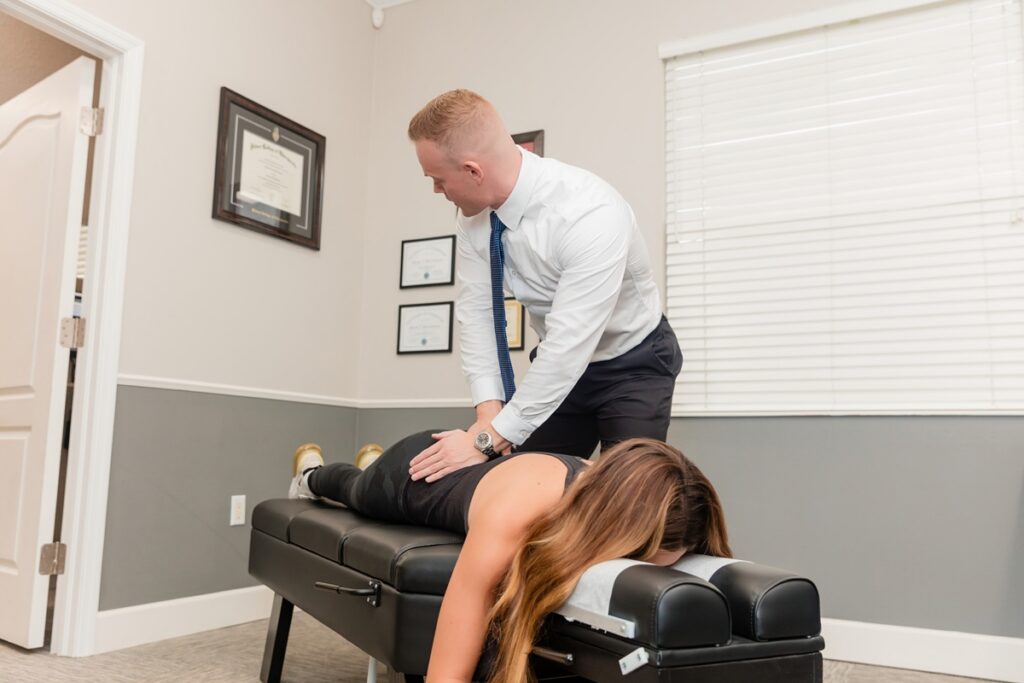
In addition to exercises, your therapist may utilize techniques such as manual therapy, which involves hands-on manipulation of muscles and joints to alleviate pain and restore mobility. They'll also educate you on proper biomechanics and body mechanics, ensuring that you're using the right techniques when you return to your sport.
As you progress, your therapist will modify your program to keep challenging you and help you regain your pre-injury performance level. Regularly attending therapy sessions and following your therapist's advice is vital.
Cryotherapy
Cryotherapy, a popular recovery technique among athletes, involves exposing the body to extremely cold temperatures to reduce inflammation and alleviate pain. You might find this method particularly beneficial after intense training sessions or competitions. By using cryotherapy, you can accelerate your recovery process, allowing you to get back to your sport more quickly.
When you undergo cryotherapy, it typically involves either localized treatment or whole-body exposure. In localized cryotherapy, a device targets specific areas of your body, which can be especially effective for treating joint pain or muscle soreness.
Whole-body cryotherapy, on the other hand, involves standing in a chamber where the air temperature drops considerably for a short period, usually around two to three minutes. This approach can help stimulate your body's natural healing processes.
Many athletes report feeling an immediate sense of relief after a cryotherapy session. The cold temperature constricts blood vessels and reduces swelling, which can help ease pain. After the session, as your body warms back up, blood flow returns to the treated areas, promoting healing and recovery.
While cryotherapy is gaining popularity, it's crucial to consult with a healthcare professional to verify it's right for you. Keep in mind that individual responses to this treatment can vary, so it's a good idea to track your progress and adjust as needed.
Acupuncture
If you're looking for alternative approaches to managing sports injuries, acupuncture might be worth considering. This ancient Chinese practice involves inserting fine needles into specific points on your body to promote healing and balance.
Many athletes have turned to acupuncture for its potential benefits, which can enhance recovery, reduce pain, and improve overall performance.
Here are three key reasons why you might want to try acupuncture:
- Pain Relief: Acupuncture can stimulate the release of endorphins, your body's natural painkillers. This can help alleviate soreness from injuries and reduce inflammation, making it easier for you to get back to your favorite activities.
- Improved Circulation: The insertion of needles promotes better blood flow to the injured areas. Improved circulation can accelerate the healing process and help you recover more quickly from strains, sprains, and other sports-related injuries.
- Stress Reduction: Injuries can be mentally taxing, leading to stress and anxiety. Acupuncture is known to promote relaxation and reduce stress levels, which can enhance your overall well-being and make it easier to cope with the demands of recovery.
Before starting acupuncture, consult with a qualified practitioner who understands sports injuries. They can tailor the treatment to your specific needs and guarantee you get the most out of your sessions.
Embracing acupuncture could be a valuable step in your path to recovery, enabling you to return to your sport stronger than ever.
Massage Therapy
Massage therapy can be a game-changer in your recovery from sports injuries.
By using specific techniques, you can enhance your healing process and improve your overall performance.
Understanding how massage benefits your body will empower you to make the most of this treatment.
Techniques for Injury Recovery
When it comes to recovery from sports injuries, incorporating massage therapy can greatly enhance your healing process. By using specific techniques, you can alleviate pain, reduce tension, and promote blood circulation, all key factors in your recovery.
Here are three effective massage techniques to take into account:
- Swedish Massage: This technique uses long, gliding strokes to relax muscles and improve circulation. It's ideal for easing overall tension and can help with muscle recovery after strenuous activities.
- Deep Tissue Massage: Focusing on deeper layers of muscles, deep tissue massage targets chronic pain and muscle knots. It's particularly useful for injuries related to overuse, helping to break down adhesions and restore flexibility.
- Sports Massage: Tailored specifically for athletes, this technique combines various methods to prepare your body for activity or aid in recovery. It can help reduce soreness, improve range of motion, and prevent future injuries.
Incorporating these massage techniques into your recovery routine can make a noticeable difference.
Make sure to consult a qualified therapist to find the best approach for your specific injury and needs.
Benefits for Athletes' Performance
Incorporating massage therapy into your training regimen can greatly enhance athletic performance. Regular massages help to increase blood circulation, delivering oxygen and nutrients to your muscles, which can improve endurance and speed. By reducing muscle tension and soreness, you'll notice quicker recovery times, allowing you to train harder and more frequently.
Massage therapy also plays an essential role in enhancing flexibility. By breaking down adhesions and promoting relaxation in tight muscles, you'll gain a wider range of motion, which can enhance your overall athletic ability. This flexibility can lead to better form and technique during your performance, reducing the risk of injury.
Moreover, massage can help alleviate stress and anxiety, creating a more focused mindset. When you're mentally relaxed, you're more likely to perform at your best, whether you're competing or training.
Incorporating massage therapy into your routine not only aids in recovery but also boosts your performance potential. You'll feel more energized and less fatigued, making it easier to push your limits.
Rehabilitation Exercises
Rehabilitation exercises play an essential role in your recovery from sports injuries, helping you regain strength, flexibility, and function.
These exercises are tailored to your specific injury and stage of recovery, ensuring you don't just heal but also prevent future injuries. Incorporating a structured rehabilitation program into your recovery is critical for ideal results.
Here are three key components of rehabilitation exercises that you should focus on:
1. Range of Motion: Initially, your goal should be to restore your range of motion. Gentle stretching and mobility exercises can help alleviate stiffness and improve flexibility.
This phase is fundamental for ensuring that you can move your joints and muscles freely without pain.
2. Strengthening: Once you've regained some flexibility, it's time to build strength. Targeted exercises using resistance bands, weights, or body weight can effectively strengthen the muscles surrounding the injured area.
This not only aids in recovery but also stabilizes the joint to prevent further injuries.
3. Functional Training: As you progress, incorporate functional movements that mimic the activities you want to return to. This could include sport-specific drills that enhance your agility, balance, and coordination.
Practicing these movements helps your body adapt and prepares you for a safe return to your sport.
Incorporating these rehabilitation exercises into your recovery program can greatly enhance your healing process and help you get back to your sport stronger than before.
Conclusion
In summary, maneuvering sports injuries requires a well-rounded approach to recovery. By incorporating rest, ice therapy, compression, and elevation, you can manage pain and swelling effectively. Don't overlook the benefits of physical therapy, cryotherapy, acupuncture, and massage to promote healing. Finally, committing to rehabilitation exercises will help you regain strength and mobility. Remember, staying motivated and seeking psychological support can make a significant difference in your recovery journey. You've got this!