If you suffer from migraines, seeking professional care can make a significant difference in your management strategy. You might not realize that personalized treatment plans can target your unique triggers and symptoms effectively. Additionally, advanced therapies are now available that could provide relief you never thought possible. Understanding your triggers can lead to better prevention, and the right care can enhance your overall quality of life. Curious about the specific reasons that make seeking help so vital? Let's explore those five essential reasons together.
Personalized Treatment Plans
When it comes to managing migraines, personalized treatment plans can make all the difference. Each person's experience with migraines is unique, influenced by factors like triggers, frequency, and severity. By working with a healthcare provider to develop a tailored plan, you can target your specific symptoms and needs more effectively.
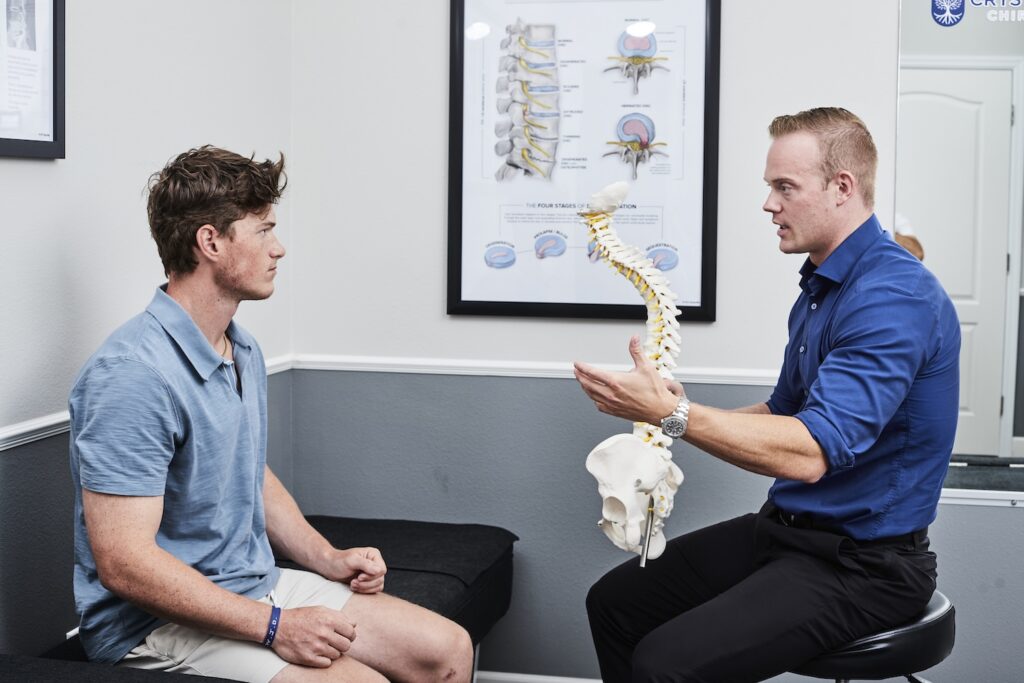
First, a personalized approach allows for a thorough assessment of your migraine history. Your doctor will ask about your symptoms, lifestyle, and any previous treatments you've tried. This information is essential in identifying patterns and triggers that might be causing your migraines. With this understanding, you can begin to eliminate or manage those triggers, reducing the frequency and intensity of your attacks.
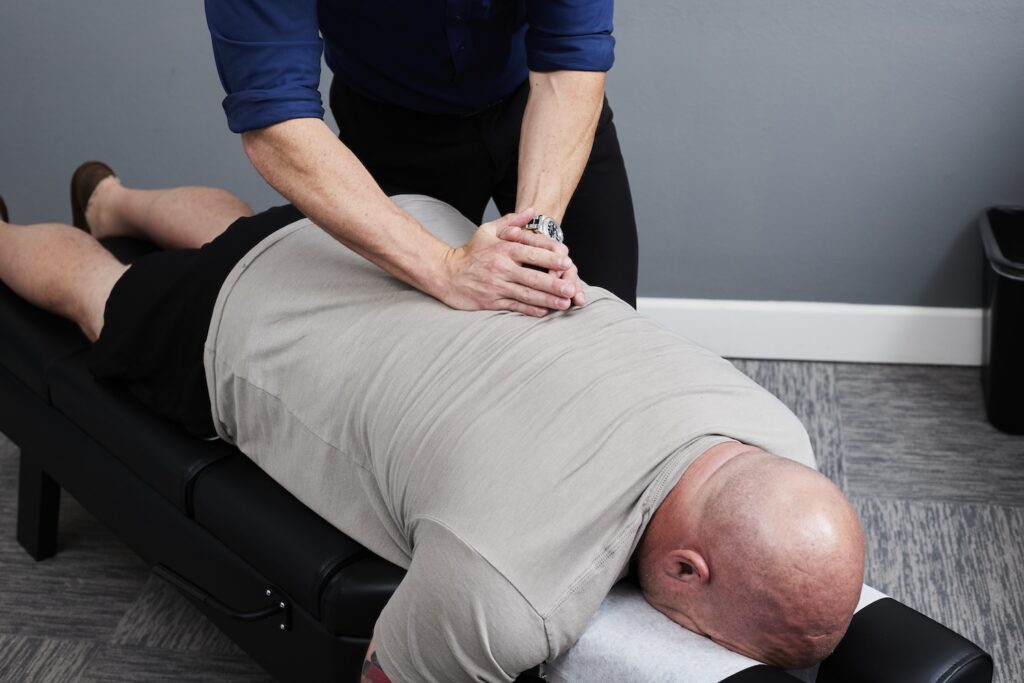
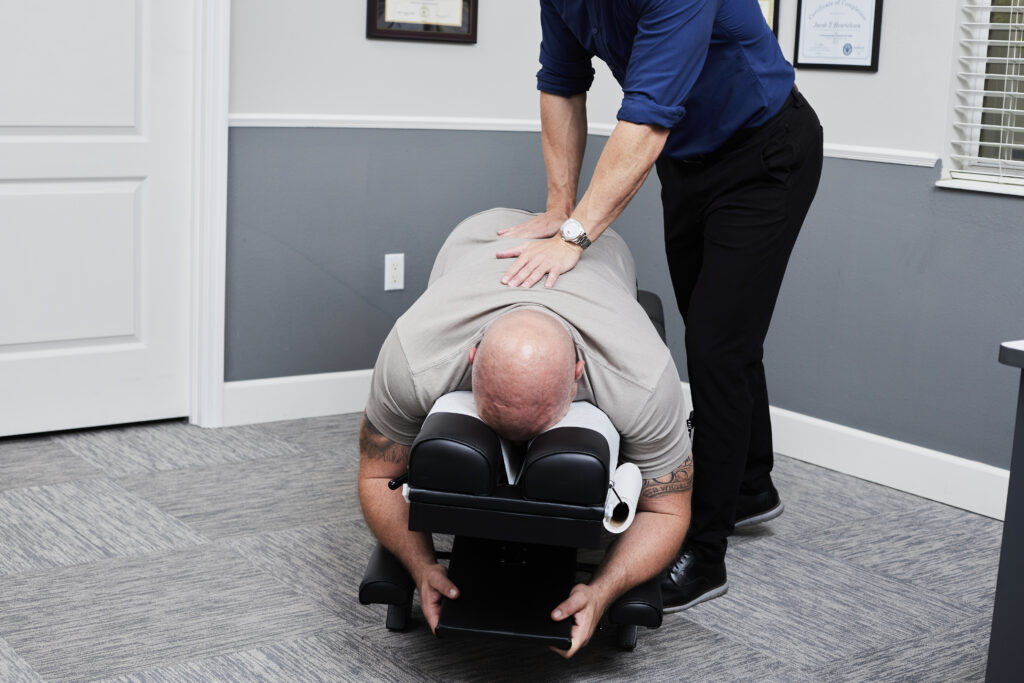
Next, personalized plans often incorporate a combination of treatments, including medications, lifestyle adjustments, and alternative therapies. Your doctor may suggest preventive medications, acute treatments, or even non-pharmacological options like cognitive behavioral therapy or biofeedback. The key is to find what works best for you, which can involve some trial and error.
Lastly, ongoing communication with your healthcare provider is critical. Regular check-ins allow for adjustments to your treatment plan as your condition evolves. By staying engaged in your care, you can adapt your approach, ensuring it remains effective.
Access to Advanced Therapies
As you navigate your migraine treatment, having access to advanced therapies can greatly enhance your quality of life. These therapies include innovative medications and techniques specifically designed to target migraine symptoms and reduce their frequency. With advancements in research, you now have options that go beyond traditional treatments, offering you a better chance at relief.
One of the most promising developments is the use of CGRP (calcitonin gene-related peptide) inhibitors. These targeted therapies work by blocking the activity of CGRP, a molecule involved in migraine attacks. Many patients have reported considerable reductions in the number of migraines they experience each month, giving them the freedom to engage in daily activities without the constant fear of an impending headache.
In addition, neuromodulation devices, such as transcranial magnetic stimulation (TMS) and non-invasive vagus nerve stimulation (nVNS), provide alternative treatments without the need for medication. These devices can help interrupt the migraine process and provide relief during an attack, making them an appealing option for those who prefer to avoid pharmaceuticals.
Having access to these advanced therapies means you can work closely with your healthcare provider to find the most effective treatment plan tailored to your needs.
It's important to stay informed about the latest options available and discuss them with your doctor. This proactive approach not only empowers you in your treatment journey but also greatly boosts your chances of finding relief from migraines.
Identifying Triggers and Patterns
Identifying triggers and patterns is essential for effectively managing migraines. By understanding what sets off your migraines, you can take proactive steps to reduce their frequency and severity. Start by keeping a detailed migraine diary. Record the date, time, intensity, and duration of each episode, along with any symptoms experienced. Note your diet, sleep patterns, stress levels, and any medications taken. This information can help you spot trends and common factors associated with your migraines.
Common triggers include certain foods, hormonal changes, weather fluctuations, and stress. For instance, aged cheeses, processed meats, and alcohol are known culprits for some people. If you notice a pattern, like migraines following a night of poor sleep, consider adjusting your sleep routine.
Stress management techniques, such as mindfulness or yoga, can also be beneficial if stress is a trigger for you. It's vital to pay attention to environmental factors, too. Bright lights, loud noises, or strong smells can initiate a migraine for some individuals.
If you find that certain situations consistently lead to a migraine, try to minimize your exposure to those triggers. Once you've identified your specific triggers, share this information with your healthcare provider. They can help you develop a tailored management plan that takes your unique patterns into account.
Preventive Care Options
Preventive care options for migraines can greatly enhance your quality of life and reduce the frequency of attacks. When you're dealing with recurrent migraines, exploring these options is essential. You don't have to suffer through the pain alone; there are effective strategies to help manage your condition.
First, consider lifestyle changes. Keeping a consistent sleep schedule, staying hydrated, and maintaining a balanced diet can make a significant difference. Regular exercise has also been shown to reduce migraine frequency, so find an activity you enjoy and stick with it.
You might also want to talk to your healthcare provider about medications. Various options, including beta-blockers, antidepressants, and anti-seizure drugs, can be effective in preventing migraines. Your doctor can help you determine which medication is suitable for your specific situation.
Another preventive measure involves alternative therapies. Acupuncture, biofeedback, and cognitive behavioral therapy can help reduce stress and improve your overall well-being, which may lead to fewer migraine occurrences.
Additionally, you might benefit from keeping a migraine diary. By tracking your headaches, you can identify patterns and gain insights into what preventive measures work best for you.
Finally, don't hesitate to consult a headache specialist. They can tailor a preventive care plan to suit your unique needs, ensuring that you gain the best possible outcome in managing your migraines.
Seeking preventive care options today can lead to a brighter tomorrow.
Improved Quality of Life
Living with migraines can be challenging, but seeking effective treatment can greatly improve your quality of life. When you address your migraines through proper care, you'll likely experience fewer attacks, reduced severity, and enhanced overall well-being. This shift allows you to reclaim your daily activities and engage more fully with family, friends, and work.
Imagine waking up without the dread of a potential migraine ruining your plans. By working with a healthcare professional, you can identify triggers and develop a personalized treatment plan that fits your lifestyle. This proactive approach often leads to fewer disruptions in your routine, giving you the freedom to enjoy life more fully.
Moreover, effective migraine management can boost your mental health. Chronic pain can lead to feelings of anxiety and depression, but when your migraines are under control, you may notice improvements in your mood and energy levels. This newfound stability can enhance your relationships and increase your productivity.
You'll also find that better quality sleep often accompanies effective migraine treatment. Sleep is essential for your body and mind to function at their best, and when you're not battling migraines, you can rest more peacefully.
In short, seeking care for your migraines isn't just about pain relief; it's about enhancing your overall quality of life. When you take charge of your health, you pave the way for a brighter, more fulfilling future without the constant shadow of migraines.
Conclusion
To sum up, seeking care for your migraines can transform your life. With personalized treatment plans tailored to your needs, access to advanced therapies, and strategies for identifying triggers, you can effectively manage your condition. Embracing preventive care options will help reduce the frequency and intensity of your attacks. Ultimately, prioritizing your migraine care enhances your overall quality of life, allowing you to engage more fully in daily activities and enjoy each moment. Don't wait—take that first step today!