
You might not realize how much poor posture affects your daily life, but it can lead to discomfort and long-term health issues. Seeking professional care offers you tailored strategies to address these concerns effectively. Experts like chiropractors and physical therapists can pinpoint the root causes of your posture problems and guide you through personalized treatment plans. As you consider the benefits of improving your posture, it's crucial to explore the various professionals available and how they can help you achieve better alignment and overall well-being. What steps can you take to get started?
Understanding Posture Problems
Posture problems can sneak up on you, affecting your overall health and well-being. You mightn't even realize it, but slouching at your desk or leaning forward while using your phone can lead to significant issues. Poor posture can strain your muscles and ligaments, which may cause discomfort or even pain in your back, neck, and shoulders.
When you consistently maintain a poor posture, your body begins to adapt. Your muscles may overwork themselves to compensate, leading to muscle imbalances. This can create a cycle that makes it difficult for you to stand or sit up straight without conscious effort. Over time, these habits can lead to chronic pain and limit your mobility, impacting your daily activities.
You should also consider how your posture affects your breathing and digestion. Slumping can compress your organs, making it harder for you to take deep breaths and digest food efficiently. It's not just about aesthetics; your posture plays an essential role in your overall health.
In addition, posture problems can affect your confidence and mood. Standing tall can make you feel more self-assured, while slouching may contribute to feelings of fatigue or low energy.
Recognizing the signs of poor posture is the first step towards improvement. By understanding how your daily habits influence your posture, you can start making small changes to support a healthier, more aligned body.
Benefits of Professional Care
Seeking professional care for posture improvement can make a significant difference in your overall well-being. When you work with trained experts, they can identify the root causes of your posture issues and develop a tailored approach to address them. This personalized care not only helps correct your posture but also alleviates associated pain and discomfort.
One major benefit is the potential for increased mobility. Improved posture often leads to better spinal alignment, which can enhance your range of motion. This is particularly important for daily activities, as you'll find it easier to move, bend, and lift without strain.
You'll likely notice a boost in your energy levels, too. When your body is properly aligned, it operates more efficiently, reducing fatigue and enhancing your overall health.
Professional care also equips you with knowledge and tools for long-term success. You'll learn exercises and stretches tailored to your specific needs, empowering you to maintain better posture independently.
Additionally, experts can offer advice on ergonomic adjustments in your work and home environments, further supporting your posture improvement journey.
Finally, seeking professional help often fosters accountability. Regular check-ins with a specialist can keep you motivated and committed to your posture goals. You'll have someone to celebrate your progress with, reinforcing positive habits.
Types of Professionals to Consider
Exploring the various types of professionals who can assist with posture improvement is vital for anyone looking to make lasting changes. When it comes to enhancing your posture, you've got several options. Each professional brings unique skills and knowledge to the table, helping you tackle your specific needs.
Here are some types of professionals to reflect on:
- Chiropractors: These specialists focus on spinal alignment and can help relieve discomfort while improving your posture through manual adjustments.
- Physical Therapists: They create tailored exercise programs to strengthen muscles and correct imbalances, making them invaluable for posture improvement.
- Occupational Therapists: These professionals address daily activities and ergonomics, helping you adapt your workspace or lifestyle to promote better posture.
- Personal Trainers: With their expertise in exercise techniques, personal trainers can guide you through workouts that strengthen your core and enhance your overall body mechanics.
Choosing the right professional depends on your specific situation and preferences. It's important to look for someone with experience and a good rapport.
They should be able to assess your current posture and develop a plan suited to your individual goals. By collaborating with the right expert, you'll take significant steps toward achieving a healthier posture, which can lead to improved overall well-being.
Don't hesitate to reach out and explore how these professionals can support you on your journey to better posture.
Assessing Your Posture
Evaluating your posture is essential for identifying any issues that might affect your health.
Many people experience common posture problems, often without realizing it.
Importance of Posture Assessment
When it comes to improving your overall health, understanding the importance of posture assessment is essential. A thorough posture assessment helps identify any misalignments that could lead to discomfort or long-term health issues.
By evaluating how you stand, sit, and move, you gain vital insights into your body mechanics.
Here are a few reasons why posture assessment matters:
- Prevention of Injuries: Early detection of posture-related issues can prevent injuries before they occur.
- Enhanced Performance: Whether you're an athlete or just want to feel better, proper alignment can boost your performance in daily activities.
- Improved Comfort: Identifying and correcting poor posture can lead to reduced pain and discomfort throughout your day.
- Better Health Outcomes: Good posture promotes better circulation, digestion, and overall well-being.
Common Posture Issues
Many people unknowingly struggle with common posture issues that can affect their daily lives. You might find yourself slouching at your desk or leaning forward while using your phone, leading to muscle tension and discomfort.
One common issue is "forward head posture," where your head juts forward, straining the neck and upper back. If you often experience neck pain or headaches, this could be a sign.
Another widespread problem is "rounded shoulders," which occurs when your shoulders roll forward. This can make you feel tightness in your chest and contribute to back pain.
If you notice difficulty standing up straight or an imbalance when walking, you may be dealing with "swayback posture," where your pelvis tilts forward excessively.
Lastly, "flat back" posture, where your lower back loses its natural curve, can lead to lower back pain and fatigue.
Each of these issues can hinder your movement and reduce your overall comfort. Being aware of these common posture problems is the first step towards improvement.
Professional Evaluation Techniques
To effectively evaluate your posture, seeking professional guidance can make a significant difference.
Professionals use various techniques to analyze your posture accurately, ensuring you receive tailored advice for improvement. Here are some common evaluation methods you might encounter:
- Visual Assessment: A professional analyzes your posture from different angles to identify misalignments.
- Functional Movement Tests: These tests evaluate how well you move and can reveal underlying issues affecting your posture.
- Postural Analysis Tools: Some professionals use specialized equipment, like digital posture analysis systems, to provide precise measurements.
- Range of Motion Tests: Analyzing how far you can move certain joints helps identify restrictions that may contribute to poor posture.
Once your posture is evaluated, the professional can suggest specific exercises, stretches, or treatments to help you improve.
Remember, understanding your unique posture challenges is the first step toward making lasting changes.
Don't hesitate to reach out to a posture specialist who can guide you on your journey to better alignment and overall well-being.
Treatment Options Available
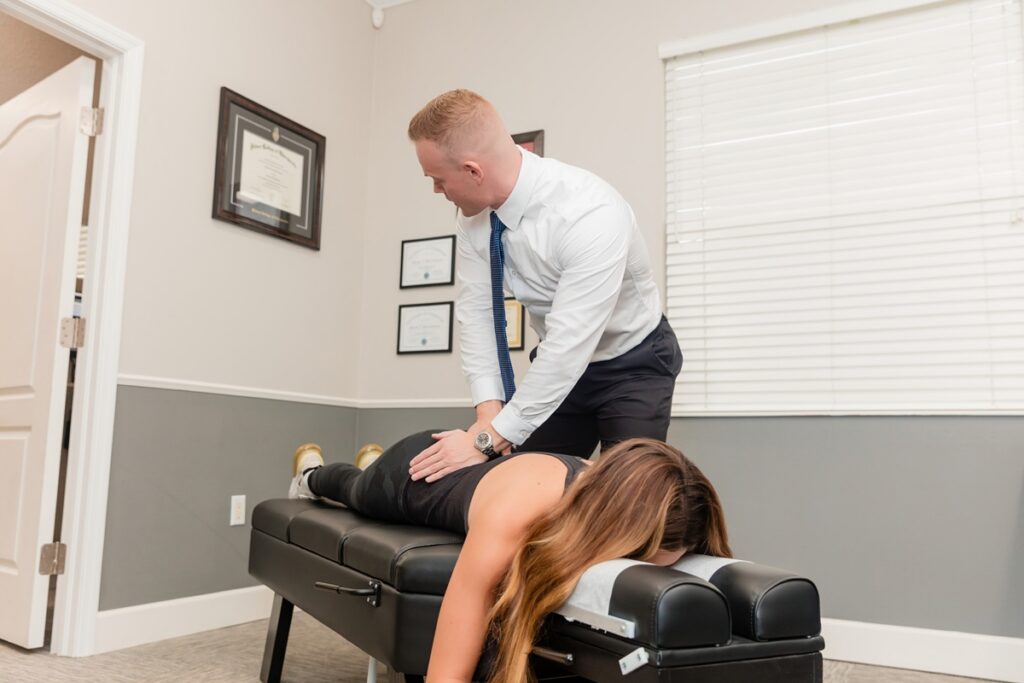
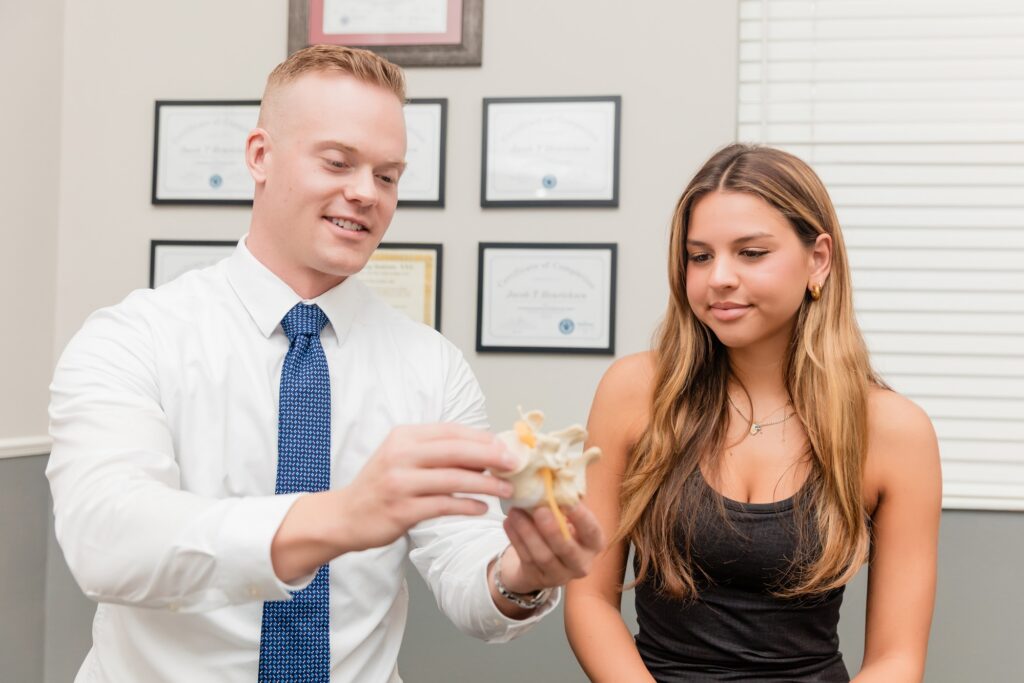
Improving your posture can be achieved through various treatment options tailored to your needs. One effective option is chiropractic care. Chiropractors assess your spine and musculoskeletal system, identifying misalignments that may contribute to poor posture. Through adjustments, they help realign your spine, reducing tension and enhancing your overall posture.
Physical therapy is another beneficial approach. A physical therapist will evaluate your posture and develop a personalized treatment plan that may include manual therapy, modalities like ultrasound, and specific movement techniques. They'll guide you through exercises designed to strengthen your core and back muscles, which are essential for maintaining proper posture.
Massage therapy can also play an important role in correcting posture. By relieving muscle tension and improving blood circulation, massage therapy helps your body relax and adapt to better postural habits. It can also alleviate discomfort associated with prolonged poor posture.
In some cases, custom orthotics might be recommended. These specially designed shoe inserts correct alignment issues in your feet that can contribute to postural problems. By providing proper support, orthotics can lead to improved alignment throughout your body.
Lastly, ergonomic assessments can help you optimize your workspace. A professional can evaluate your desk setup, chair height, and computer screen positioning, ensuring everything supports good posture during your daily activities.
Exercises for Better Posture
To improve your posture, incorporating specific exercises can make a significant difference.
Focus on stretching techniques to relieve tension and strengthening your core muscles for better support.
With consistent practice, you'll notice a positive change in how you carry yourself throughout the day.
Stretching Techniques for Posture
When it comes to enhancing your posture, incorporating effective stretching techniques can really make a difference.
Regularly practicing these stretches can help relieve tension, improve flexibility, and promote better alignment.
Here are some fantastic stretches you can easily integrate into your daily routine:
- Chest Stretch: Stand with your arms behind your back and clasp your hands together, gently pulling your shoulders back.
- Neck Stretch: Sit or stand tall, tilt your head to one side while holding the opposite side with your hand for a deeper stretch.
- Hip Flexor Stretch: Lunge forward with one foot while keeping the other knee on the ground, feeling the stretch in your hip.
- Upper Back Stretch: Clasp your hands together and extend them forward while rounding your upper back, feeling the stretch between your shoulder blades.
Strengthening Core Muscles
Strengthening your core muscles plays an essential role in achieving better posture. Your core isn't just about abs; it includes muscles in your back, hips, and pelvis. When these muscles are strong, they provide stability and support for your spine, helping you maintain an upright position.
To start, try the plank exercise. Lie face down, then lift your body off the ground, balancing on your forearms and toes. Keep your body straight and hold for 30 seconds, gradually increasing the time.
Another effective move is the bridge. Lie on your back with your knees bent, feet flat on the floor. Raise your hips toward the ceiling, squeezing your glutes, and hold for a few seconds before lowering.
Don't forget about the bird-dog. Start on all fours, extend one arm forward and the opposite leg back while keeping your torso stable. Hold briefly, then switch sides.
Incorporate these exercises into your routine a few times a week. You'll notice improved stability, which translates to better posture throughout your daily activities.
Strengthening your core is a key step in your journey to better posture and overall well-being.
Ergonomic Adjustments at Work
Ergonomic adjustments at work are essential for maintaining good posture and preventing discomfort. When you spend long hours at a desk, it's easy to fall into poor habits that strain your body.
By making simple changes to your workspace, you can greatly improve your posture and overall well-being. Here are some adjustments you can implement:
- Chair Height: Make sure your chair is at a height where your feet rest flat on the floor, and your knees are at or slightly below hip level.
- Monitor Position: Your monitor should be at eye level, about an arm's length away, so you don't strain your neck or eyes.
- Keyboard and Mouse Placement: Keep your keyboard and mouse close enough that your elbows stay close to your body, allowing your wrists to remain straight.
- Breaks and Movement: Take regular breaks to stand, stretch, and move around. This helps alleviate tension and keeps your muscles engaged.
Maintaining Posture Improvements
Making ergonomic adjustments at work is just the first step in your journey toward better posture. To truly maintain those improvements, you need to commit to consistent habits both at and away from your workspace.
Start by incorporating regular breaks into your routine. Stand up, stretch, and move around every 30 minutes to relieve tension and encourage blood flow.
Next, pay attention to your body mechanics. When sitting, make sure your feet are flat on the floor and your back is supported. If you find yourself slouching, gently remind yourself to sit up straight. Consider using a lumbar roll or cushion to support your lower back.
Beyond your workspace, focus on your posture throughout the day. Whether you're walking, standing, or even using your phone, being mindful of your alignment can make a significant difference. Keep your head aligned over your spine, and avoid craning your neck forward.
Strengthening your core muscles is also vital for maintaining good posture. Engage in exercises that target your abdomen and back, as a strong core helps support your spine. Activities like yoga or Pilates can be particularly beneficial.
Lastly, consider periodic check-ins with a professional, such as a chiropractor or physical therapist, who can help you assess your progress and make necessary adjustments.
Success Stories and Testimonials
Many individuals have experienced remarkable transformations by focusing on their posture, and their success stories can inspire you on your own journey. You might be surprised at how a few adjustments can lead to significant improvements in your overall well-being.
Here are just a few testimonials that highlight the positive impact of professional care on posture:
- Reduced Pain: Many clients report a drastic decrease in neck and back pain after beginning posture-focused treatments.
- Increased Confidence: As posture improves, so does self-esteem. Many individuals feel more confident and poised in their daily interactions.
- Enhanced Mobility: Clients often experience greater ease in movement, making physical activities more enjoyable and less strenuous.
- Better Sleep: Improved posture can lead to more restful sleep, as tension is released and the body finds a more comfortable resting position.
These success stories aren't just anecdotal; they reflect a growing body of evidence showing the benefits of professional care for posture.
Whether you're struggling with discomfort or simply looking to enhance your overall health, the right support can make all the difference.
You're not alone in this journey, and there are countless individuals who've walked this path before you. Their experiences remind us that with dedication and the right guidance, you too can achieve the posture improvements you desire.
Conclusion
Improving your posture is a journey that can lead to lasting health benefits. By seeking professional care, you're taking a vital step toward addressing the root causes of your posture issues. With tailored assessments and effective treatment plans, you'll gain the tools and support needed to strengthen your core and maintain proper alignment. Embrace this opportunity to enhance your well-being, reduce pain, and boost your confidence. Remember, consistent effort and professional guidance can make all the difference!