
If you've ever experienced lower back pain, you know how it can limit your daily activities and overall quality of life. Fortunately, there are effective techniques to help release relief and improve your back health. From targeted stretching to core strengthening exercises, you can take meaningful steps toward alleviating discomfort. However, understanding which methods suit your specific needs is essential. As you explore these options, you might discover some surprising solutions that could change your approach to back care. What can you do to start feeling better today?
Understanding Lower Back Pain
Lower back pain is a common issue that affects many people at some point in their lives. You might experience this discomfort due to various reasons, such as poor posture, muscle strain, or even underlying medical conditions. Understanding the root cause of your pain can help you take the necessary steps toward relief.
You should know that your lower back, or lumbar region, supports much of your body weight and is essential for movement. When you engage in activities that put excessive strain on this area—like heavy lifting or prolonged sitting—you're more likely to feel pain.
Additionally, factors like age, weight, and fitness level can influence your susceptibility to lower back pain.
If you've ever felt a sharp or dull ache in your lower back, it's important to pay attention to your body. Sometimes, the pain might radiate down your legs, indicating nerve involvement. Identifying the type and location of your pain can guide you in determining the best course of action.
Remember that while most lower back pain resolves on its own, it's critical to seek help if it persists. Consulting a healthcare professional can provide valuable insight into your situation.
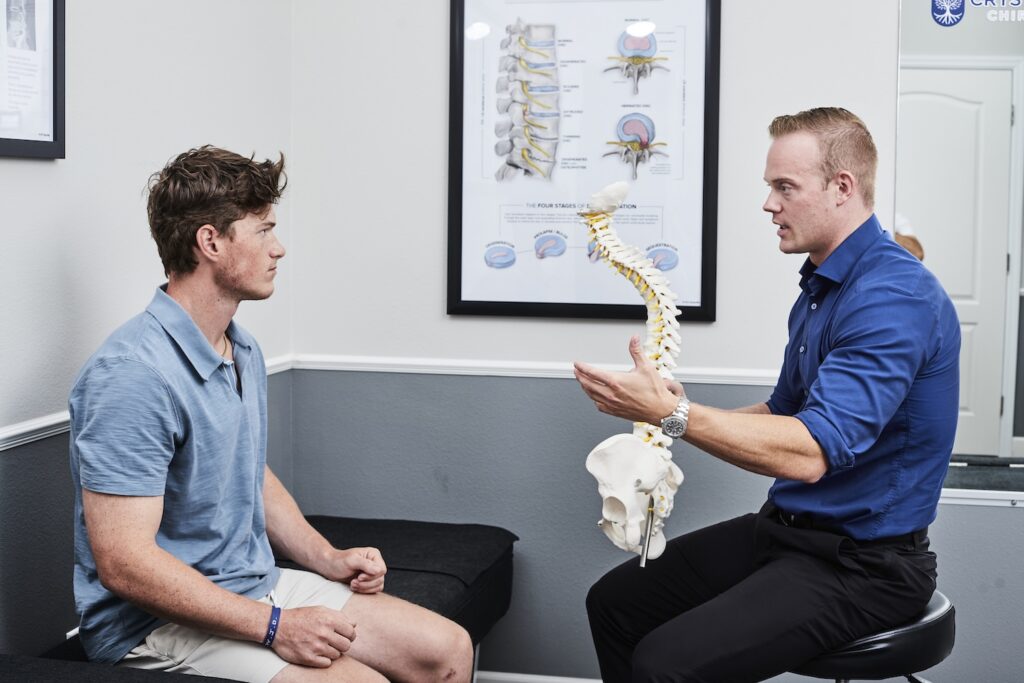
They can help you understand whether your pain is due to a muscle strain, a herniated disc, or something more severe. By understanding lower back pain, you empower yourself to make informed decisions about treatment and lifestyle adjustments that can lead to lasting relief.
Stretching Techniques
When it comes to relieving lower back pain, incorporating stretching techniques can make a big difference.
Two effective stretches you can try are the Gentle Forward Bend and the Cat-Cow Stretch.
These movements help improve flexibility and reduce tension in your back, making daily activities more comfortable.
Gentle Forward Bend
A gentle forward bend can be an effective way to relieve tension in your lower back. This stretch allows you to lengthen your spine while promoting flexibility in your hamstrings and calves.
To begin, stand with your feet hip-width apart and take a deep breath. As you exhale, slowly hinge at your hips, letting your upper body fold forward. Keep your knees slightly bent to prevent strain on your lower back.
As you fold forward, let your head hang heavy and relax your neck. You can place your hands on the floor or grab onto your elbows for additional support. Stay in this position for 20 to 30 seconds, breathing deeply. With each exhale, visualize any tightness in your lower back easing away.
When you're ready to come out of the stretch, engage your core and slowly roll back up to a standing position, one vertebra at a time.
This gentle forward bend not only stretches your lower back but also encourages relaxation and stress relief. Incorporate this stretch into your routine, and you may notice improved flexibility and decreased tension in your lower back.
Cat-Cow Stretch
The Cat-Cow stretch is another effective technique to relieve lower back tension and enhance spinal flexibility. This dynamic movement helps improve circulation and strengthens your core muscles, creating a solid foundation for your back.
To start, get on your hands and knees in a tabletop position. Your wrists should be under your shoulders, and your knees should be hip-width apart.
As you inhale, arch your back, lift your head and tailbone towards the ceiling—this is the Cow position. Hold for a moment, feeling the stretch across your abdomen and lower back.
Then, as you exhale, round your spine, tucking your chin to your chest and drawing your belly button towards your spine—this is the Cat position. Shift smoothly between these two poses, syncing your movements with your breath.
Aim for 5 to 10 cycles, focusing on the sensations in your back and body. This stretch not only alleviates discomfort but also promotes better posture and spinal alignment.
Incorporate the Cat-Cow stretch into your daily routine, and you'll likely notice increased flexibility and reduced tension in your lower back.
Strengthening Exercises
To effectively manage lower back pain, incorporating strengthening exercises into your routine is essential.
By focusing on core stability exercises and maintaining flexibility, you can build a strong foundation that supports your spine.
Let's explore how these techniques can enhance your overall back health.
Core Stability Exercises
Strengthening your core is essential for relieving lower back pain and improving overall stability. A strong core supports your spine, reducing the strain on your lower back. To get started, try these effective core stability exercises.
First, perform the plank. Lie face down, then lift your body off the ground, balancing on your forearms and toes. Keep your body straight, engaging your core. Hold this position for 20 to 30 seconds, gradually increasing the duration as you build strength.
Next, try the bridge exercise. Lie on your back with your knees bent and feet flat on the floor. Press through your heels, lifting your hips toward the ceiling while squeezing your glutes. Hold for a few seconds before lowering back down. Repeat this 10 to 15 times.
Lastly, consider performing bird-dogs. Start on all fours, then extend your right arm forward and your left leg back. Hold for a moment before returning to the starting position and switching sides. Aim for 10 repetitions on each side.
Incorporating these core stability exercises into your routine will help strengthen your core, alleviate lower back pain, and enhance your overall stability.
Flexibility and Stretching Techniques
Building a strong core is just one part of managing lower back pain; flexibility and stretching techniques play an essential role as well. When you incorporate these techniques into your routine, you can enhance your mobility and reduce tightness in your muscles, which often contributes to discomfort.
Start with gentle stretches that target your hamstrings, hip flexors, and lower back. The seated forward bend stretch is particularly effective; sit with your legs extended and reach towards your toes, feeling the stretch in your lower back and hamstrings. Hold for 20-30 seconds, and repeat a few times.
The child's pose is another excellent option. Kneel on the floor, sit back on your heels, and stretch your arms forward on the ground. This pose helps lengthen your spine and relieve tension.
Don't forget to incorporate the cat-cow stretch, alternating between arching and rounding your back to enhance spinal flexibility.
As you practice these stretches regularly, you'll notice improved flexibility and reduced pain. Always listen to your body, and never push yourself too hard. Consistency is key, and with time, you'll access relief from lower back pain.
Posture Correction
Good posture is like a sturdy foundation for a house; it supports your entire body and helps prevent lower back pain. When you maintain proper alignment, you reduce the strain on your muscles and ligaments, allowing your spine to function at its best.
It's important to be mindful of your posture throughout the day, whether you're sitting, standing, or moving.
Here are some tips to help you correct your posture:
- Sit Up Straight: Keep your back straight and shoulders relaxed but not slouched. Your feet should rest flat on the floor, and your knees should be at a right angle.
- Use Ergonomic Furniture: Invest in a chair that supports your lower back. An ergonomic setup encourages you to maintain good posture and minimizes strain.
- Align Your Screen: If you work at a computer, make sure the monitor is at eye level. This prevents you from hunching forward or looking down, which can lead to discomfort.
- Engage Your Core: Strengthening your abdominal muscles helps support your spine. Incorporate core exercises into your routine to improve stability and posture.
Alternative Therapies
Have you considered how alternative therapies can complement your approach to relieving lower back pain? These therapies can provide effective options alongside traditional treatments.
Acupuncture, for instance, involves inserting thin needles into specific points on the body. Many people report significant pain relief and improved mobility after sessions. If you're open to trying it, find a licensed practitioner to guarantee a safe experience.
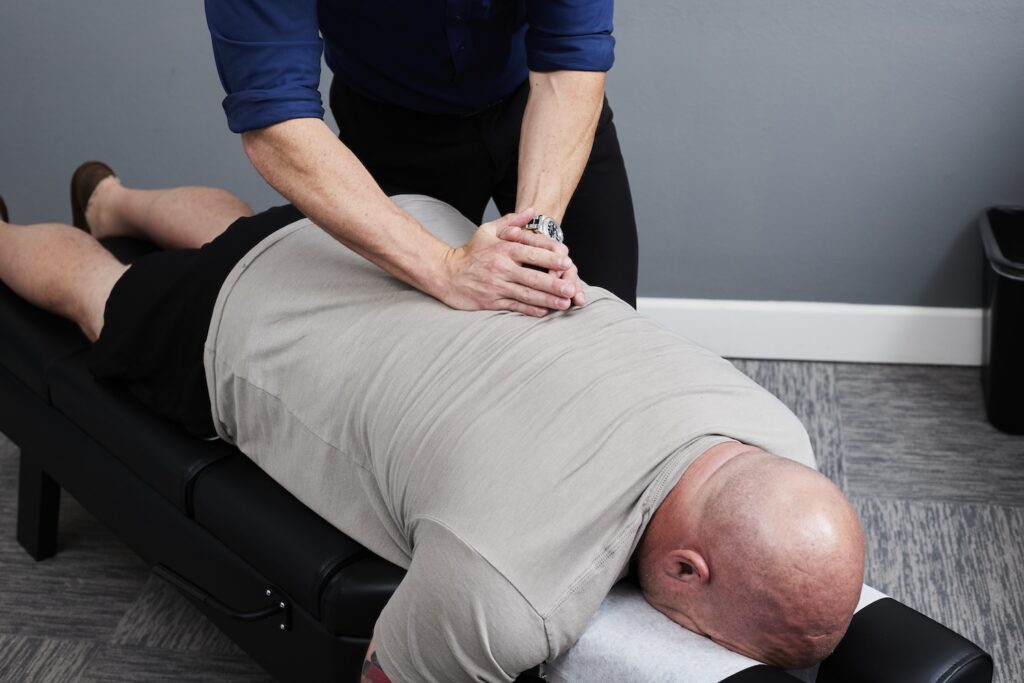
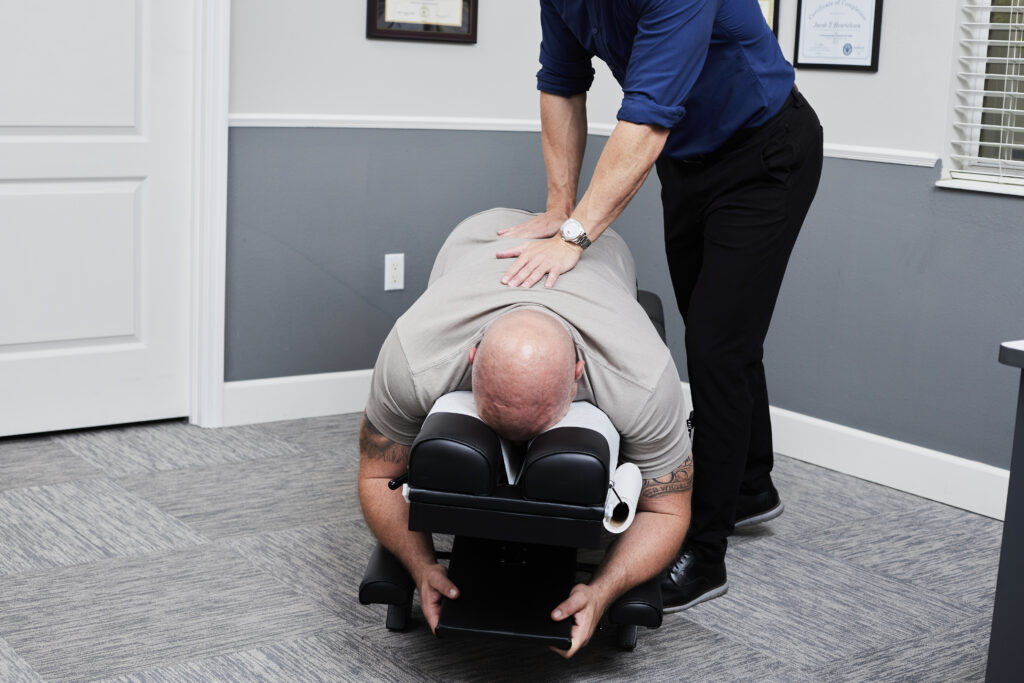
Chiropractic care is another popular alternative. Chiropractors focus on spinal alignment and manipulation, which can help relieve pressure on the nerves and reduce pain. Regular adjustments may improve your overall spinal health and enhance your mobility. It's essential to choose a qualified chiropractor who understands your specific back issues.
Massage therapy can also be beneficial. Targeting tight muscles in your back can relieve tension and improve blood circulation. Whether you opt for deep tissue massage or a lighter technique, this therapy can provide immediate relief and promote relaxation.
Herbal remedies, such as turmeric or ginger, have anti-inflammatory properties and might help reduce pain when incorporated into your diet. Always consult a healthcare professional before adding new supplements to your routine, especially if you're on medication.
Finally, yoga can enhance flexibility and strengthen your core, which supports your back. Many people find that certain poses help alleviate pain and improve their posture.
Explore different styles to find one that resonates with you. Embracing these alternative therapies might just release the relief you've been seeking for your lower back pain.
Mindfulness and Relaxation
While managing lower back pain can feel overwhelming, incorporating mindfulness and relaxation techniques into your routine can greatly enhance your overall well-being.
These approaches not only help to alleviate pain but also promote a sense of calm and control. Here are some effective techniques you can try:
- Deep Breathing: Take a few moments each day to focus on your breath. Inhale deeply through your nose, hold for a moment, and then exhale slowly through your mouth. This helps reduce tension and increases oxygen flow to your muscles.
- Meditation: Set aside time to meditate. Find a quiet space, close your eyes, and concentrate on your breath or a calming mantra. Regular meditation can help you become more aware of your body and its sensations, allowing you to respond to pain with greater ease.
- Progressive Muscle Relaxation: Start at your toes and work your way up, tensing each muscle group for a few seconds before releasing. This technique helps identify areas of tension and promotes relaxation throughout your body.
- Mindful Movement: Engage in gentle activities like yoga or tai chi. These practices not only improve flexibility and strength but also encourage mindfulness, helping you stay present with your body and its needs.
Lifestyle Modifications
Incorporating mindfulness and relaxation techniques into your routine lays a strong foundation for making effective lifestyle modifications to manage lower back pain.
You'll want to focus on several key areas to promote overall well-being and alleviate discomfort.
First, assess your posture throughout the day. Whether you're sitting at a desk or lifting objects, maintaining proper alignment can prevent strain on your back.
Invest in ergonomic furniture or use support cushions to help maintain a neutral spine.
Next, incorporate regular physical activity into your routine. Aim for a mix of strength training, flexibility exercises, and aerobic activities.
Low-impact exercises like swimming or walking can improve blood flow and reduce stiffness. Stretching helps maintain flexibility, which can alleviate tension in your lower back.
Be mindful of your weight, as excess pounds can put additional strain on your back. A balanced diet rich in fruits, vegetables, and lean proteins can support weight management.
Staying hydrated is equally important; it helps maintain the elasticity of your spinal discs.
Lastly, prioritize sleep. A supportive mattress and proper sleep positions can greatly impact your back health.
Aim for 7-9 hours of restorative sleep each night.
When to Seek Professional Help
Sometimes, recognizing when to seek professional help for lower back pain can be challenging. You might wonder if your discomfort is normal or if it warrants a visit to a healthcare professional. There are specific signs that indicate it's time to consult someone who can provide the necessary guidance and treatment.
Consider seeking professional help if you experience any of the following:
- Persistent Pain: If your lower back pain lasts longer than a few weeks, it's a good idea to get it checked out.
- Numbness or Tingling: Experiencing numbness, tingling, or weakness in your legs may signify nerve issues that require immediate attention.
- Loss of Bladder or Bowel Control: This is a serious symptom that can indicate a medical emergency, so don't hesitate to seek help.
- Severe Pain After Injury: If your pain started after a fall or accident, consult a professional to rule out fractures or other serious conditions.
Listening to your body is essential. If your pain interferes with daily activities, sleep, or quality of life, don't wait for it to improve on its own.
Early intervention can prevent further complications and help you get back to doing what you love. Remember, there's no need to suffer in silence—seeking help is a proactive step toward recovery.
Conclusion
Incorporating these techniques into your routine can greatly relieve lower back pain and improve your overall well-being. By focusing on stretching, strengthening, and mindful practices, you're not just managing pain but also enhancing your back health. Don't forget the importance of good posture and lifestyle changes. If your pain persists, it's essential to seek professional help. Remember, a proactive approach today can lead to a more active, pain-free life tomorrow.