
If you're dealing with back pain, you're not alone, and ignoring it could lead to more serious problems down the line. Understanding the root causes of your discomfort is essential, as it can guide you toward effective treatment options. From physical therapy to chiropractic care, professional help can provide relief and enhance your mobility. But how do you know when it's time to seek that help, and what strategies can you implement for long-term wellness? The answers might surprise you and could be the key to a more active life.
Understanding Back Pain
Back pain can strike anyone at any time, often leaving you feeling helpless and frustrated. Understanding back pain is essential because it affects your daily life, from simple tasks to overall well-being. You might notice that pain can vary in intensity, from a dull ache to sharp, stabbing sensations. It can manifest in different areas of your back, such as the lower, middle, or upper regions, and sometimes even radiate to other parts of your body.
When you experience back pain, it's important to recognize how it impacts your movements and activities. You may find yourself avoiding certain movements or positions to alleviate discomfort, which can lead to a cycle of stiffness and weakness. Ignoring these signals from your body can worsen the situation and prolong recovery.
Moreover, back pain isn't just a physical issue; it can take a toll on your mental health as well. You might feel anxious or depressed due to ongoing discomfort or limitations. Understanding that back pain can stem from both physical and emotional factors will help you approach it more holistically.
Finally, consider how your lifestyle choices contribute to your back health. Poor posture, lack of exercise, or stress can exacerbate pain. By understanding these elements, you'll be better equipped to manage your pain and seek effective treatment options.
Knowledge is power, and empowering yourself with understanding is the first step towards relief.
Common Causes of Back Pain
Back pain can often stem from everyday habits and changes in your body.
You mightn't realize that poor posture, muscle strains, or even the natural aging process can contribute greatly to your discomfort.
Understanding these common causes is the first step toward finding effective relief.
Poor Posture Habits
Many people underestimate the impact of poor posture on their spine health. You mightn't realize it, but the way you sit, stand, and move can contribute greatly to back pain. When you slouch or hunch over, you place undue stress on your spine and surrounding muscles. This can lead to discomfort and long-term issues if you don't correct it.
Consider how you sit at your desk. If your chair doesn't provide proper support, or if you lean forward to see your screen, you're likely setting yourself up for pain.
Similarly, standing for long periods with your weight shifted to one side can strain your lower back. Even everyday activities, like looking down at your phone, can create tension in your neck and spine.
It's essential to be mindful of your posture throughout the day. By making small adjustments—like using ergonomic furniture, taking breaks to stretch, or consciously aligning your body—you can help alleviate pressure on your spine.
Addressing poor posture habits now can lead to considerable relief from back pain in the future. So, start paying attention to how you carry yourself; your back will thank you.
Muscle Strain Injuries
Muscle strain injuries often lead to significant discomfort and can be a common source of back pain. These injuries typically occur when you lift heavy objects improperly, engage in repetitive movements, or suddenly twist your body. You might feel sharp pain or a dull ache in your lower back, making everyday tasks more challenging.
When a muscle strain happens, it's important to recognize the symptoms early. You may experience stiffness, swelling, or even muscle spasms. Ignoring these signs can lead to prolonged pain and discomfort, so it's vital to take action.
Resting the affected area, applying ice, and using over-the-counter pain relievers can help alleviate the symptoms.
If you're dealing with a muscle strain, consider modifying your activities to prevent further strain. Strengthening your core and back muscles through targeted exercises can also provide you with better support and stability.
Additionally, practicing proper lifting techniques can reduce the risk of future injuries. Remember, when your back hurts, it's not just about enduring the pain; seeking appropriate care can help you regain your mobility and improve your quality of life.
Age-Related Degeneration
As we age, our bodies naturally undergo changes that can lead to back pain, often stemming from degeneration of the spine and surrounding structures. The intervertebral discs, which act as cushions between the vertebrae, lose hydration and elasticity over time. This degeneration can result in reduced disc height, causing vertebrae to compress and potentially lead to herniation.
You might also experience osteoarthritis, where the cartilage that protects your joints wears down, leading to pain and stiffness. This condition can affect the facet joints in your spine, contributing to discomfort and limiting your mobility.
Additionally, spinal stenosis, a narrowing of the spinal canal, can occur with age, putting pressure on the nerves and causing pain, numbness, or weakness.
Postural changes are common as well, which can further strain your back. Weakening core muscles and changes in gait can exacerbate these issues.
Staying active, maintaining a healthy weight, and practicing good posture are essential in managing age-related degeneration. If you're experiencing persistent back pain, consider consulting a healthcare professional for tailored advice and treatment options.
Don't let age hold you back; relief is possible with the right care.
Importance of Seeking Care
Your health shouldn't be taken lightly, especially when it comes to back pain. Ignoring persistent discomfort can lead to more serious issues down the line. When you experience back pain, it's vital to seek care sooner rather than later. Early intervention can help you identify the root cause of your pain and prevent it from worsening.
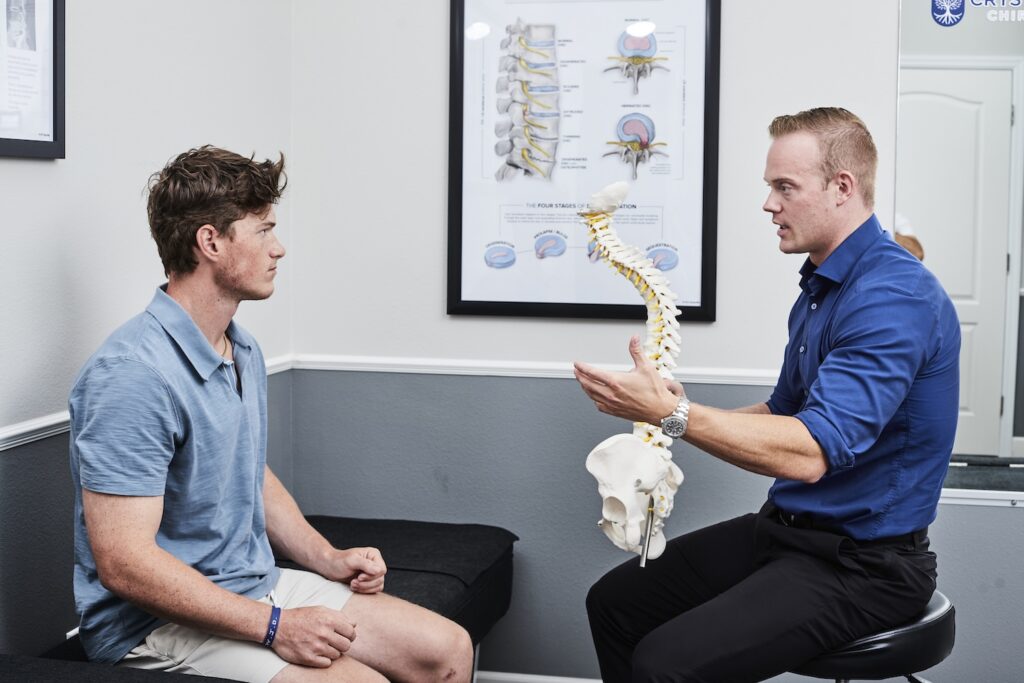
Back pain affects your daily life, from simple tasks like bending down to more significant activities like exercising. By consulting a healthcare professional, you can gain valuable insights tailored to your specific situation. They'll conduct a thorough assessment and help you understand what's going on with your back. Ignoring the problem might seem easier, but it can lead to chronic pain or even disability.
Moreover, seeking care shows that you value your well-being. You deserve to live a life free from the limitations that back pain imposes. Taking that first step toward care might feel overwhelming, but it's an essential investment in your health.
Don't delay—addressing back pain early on can save you time, money, and discomfort in the long run. You might be surprised by the options available to you, from pain management techniques to lifestyle modifications.
Physical Therapy Benefits
When it comes to managing back pain, physical therapy can be a game changer. You mightn't realize it, but physical therapy offers a tailored approach that addresses your specific needs and goals. By working with a trained professional, you'll receive an individualized treatment plan designed to improve your mobility, strength, and overall function.
One of the primary benefits of physical therapy is pain relief. Your therapist will use targeted exercises and techniques to alleviate discomfort and promote healing. You'll learn how to strengthen the muscles that support your spine, which can reduce the risk of future injuries.
Plus, they'll teach you proper body mechanics, so you can perform daily activities without straining your back.
Physical therapy also helps improve flexibility. Tight muscles can contribute to back pain, and your therapist will guide you through stretching exercises that enhance your range of motion. As you progress, you'll notice that everyday movements become easier and more comfortable.
Additionally, physical therapy encourages a proactive approach to your health. You'll gain valuable insights into your condition, empowering you to take control of your recovery. Your therapist will provide education on lifestyle changes, posture adjustments, and ergonomic practices that can prevent pain from recurring.
In short, engaging in physical therapy can lead to significant improvements in your quality of life. By addressing the root causes of your back pain, you're setting yourself up for long-lasting relief and a more active, fulfilling lifestyle.
Chiropractic Care Explained
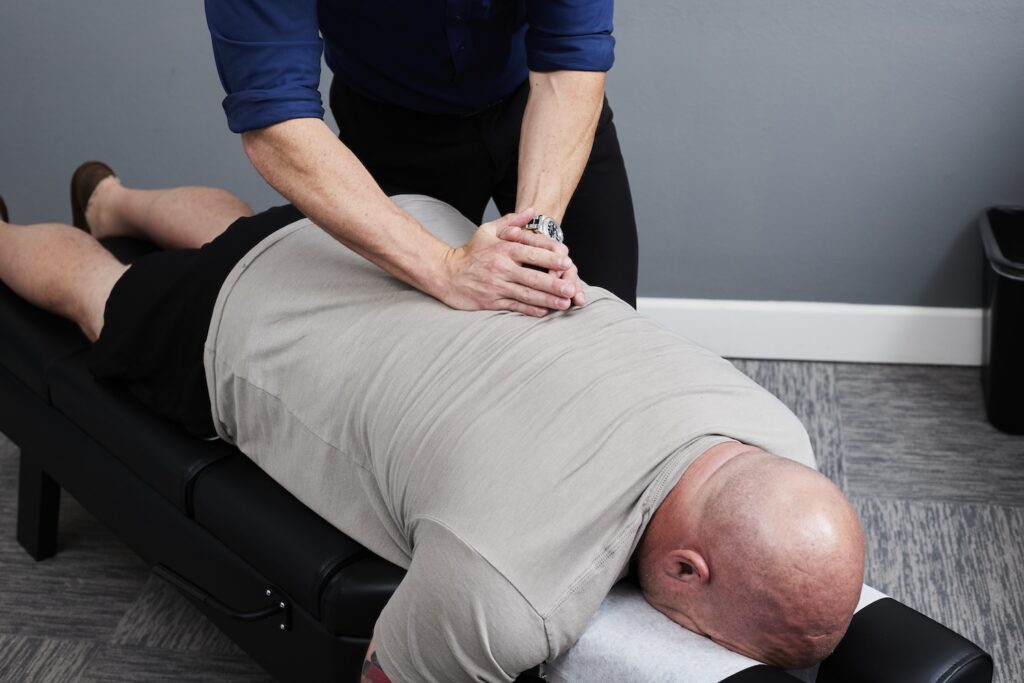
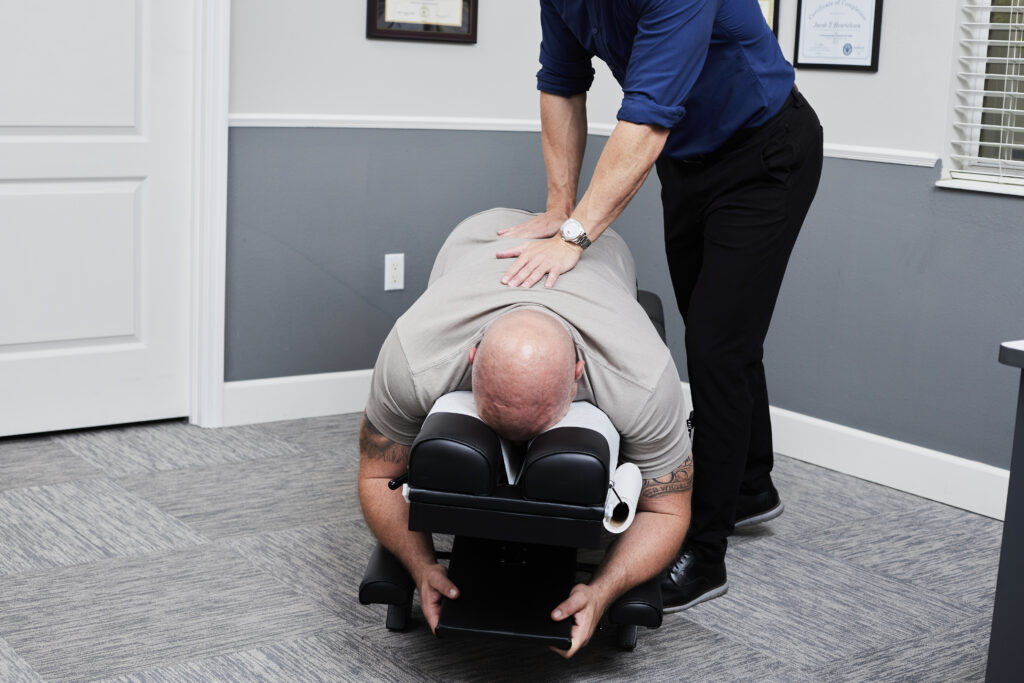
Chiropractic care focuses on realigning your spine to relieve pain and improve overall function.
You'll find various techniques used by chiropractors, each tailored to address specific conditions.
Understanding these methods and their benefits can help you decide if chiropractic treatment is right for you.
Techniques Used in Chiropractic
Within the domain of back pain relief, various techniques used in chiropractic care aim to restore balance and function to the spine.
Understanding these methods can help you make informed decisions about your treatment. Here are three common techniques:
- Spinal Manipulation: This hands-on technique involves applying controlled force to specific joints in your spine. It can help improve alignment and mobility.
- Soft Tissue Therapy: Chiropractors often use massages or stretches to relieve tension in muscles and fascia surrounding the spine. This therapy promotes blood flow and reduces pain.
- Rehabilitative Exercises: Your chiropractor may prescribe specific exercises tailored to strengthen your back and improve flexibility. These exercises are essential for long-term relief and prevention.
Benefits of Chiropractic Care
One of the key benefits of chiropractic care is its ability to alleviate pain and improve overall wellness. When you visit a chiropractor, they work to align your spine, which can help reduce discomfort not just in your back but throughout your entire body. This alignment promotes better nerve function and can lead to enhanced mobility, allowing you to return to activities you love.
Another significant advantage is the focus on holistic health. Chiropractors emphasize the importance of lifestyle choices, nutrition, and exercise in your overall well-being. They don't just treat your symptoms; they help you understand the underlying causes of your pain and equip you with tools to prevent future issues.
Additionally, chiropractic care often results in reduced reliance on medications for pain relief. This natural approach can lead to fewer side effects and a more sustainable long-term solution for many individuals.
Finally, regular chiropractic adjustments can improve your posture and boost your energy levels, contributing to an improved quality of life. By choosing chiropractic care, you're investing in a thorough approach to health that addresses both immediate pain relief and long-term wellness.
Conditions Treated by Chiropractors
If you've been struggling with various conditions, you might be surprised to learn how many issues chiropractors can help address.
Chiropractic care goes beyond just back pain; it can greatly improve your overall health and well-being.
Here are three common conditions that chiropractors often treat:
- Neck Pain: Many people experience neck pain due to poor posture, stress, or injuries. Chiropractors can help realign your spine to reduce discomfort and improve mobility.
- Headaches: Tension headaches and migraines can be debilitating. By addressing spinal misalignments, chiropractors can help alleviate the frequency and severity of these headaches.
- Joint Pain: Whether it's your knees, shoulders, or hips, joint pain can hinder your daily activities. Chiropractic adjustments can enhance joint function and reduce inflammation.
Alternative Therapies Overview
Alternative therapies offer a diverse range of options for those seeking relief from back pain. These approaches can complement traditional treatments or serve as standalone solutions. When you investigate alternative therapies, you may discover methods that resonate with your preferences and lifestyle.
One popular option is acupuncture, which involves inserting thin needles into specific points on the body. Many people find it effective for alleviating back pain by promoting the release of endorphins, your body's natural painkillers.
Another option is chiropractic care, where trained professionals manipulate the spine to restore alignment and improve mobility, potentially reducing discomfort.
Massage therapy is also worth considering. This hands-on technique helps relax tense muscles and enhance blood flow, which can relieve back pain. You might find that different types of massage, such as deep tissue or sports massage, work best for your specific needs.
Additionally, practices like yoga and Pilates can strengthen your core and improve flexibility, contributing to long-term back health. Both focus on mindful movements and breathing, which can enhance your overall sense of well-being.
Herbal remedies and supplements, such as turmeric or devil's claw, may also provide anti-inflammatory benefits. However, it's important to consult with a healthcare professional before starting any new supplement.
As you explore these alternative therapies, keep an open mind and consider what aligns with your preferences. Finding the right combination of treatments can empower you to manage your back pain more effectively.
Lifestyle Changes for Prevention
Making lifestyle changes can greatly reduce your risk of developing back pain in the first place. By focusing on key areas of your daily routine, you can enhance your overall health and keep your back in ideal condition. Here are three essential changes to take into account:
1. Stay Active: Regular exercise strengthens your core muscles, which support your spine. Aim for at least 150 minutes of moderate-intensity aerobic activity each week.
Include strength training and flexibility exercises to keep your body balanced and resilient.
2. Improve Your Posture: Whether you're sitting at a desk or lifting heavy objects, maintaining proper posture is vital. Keep your back straight, shoulders relaxed, and feet flat on the ground when seated.
Use ergonomic furniture to support your posture during long hours of work.
3. Maintain a Healthy Weight: Extra weight puts additional strain on your spine. By eating a balanced diet rich in fruits, vegetables, lean proteins, and whole grains, you can manage your weight more effectively.
Regular physical activity will also help in burning calories and keeping your weight in check.
When to Seek Professional Help
Knowing when to seek professional help for back pain is important to avoiding long-term issues. If your pain persists for more than a few weeks, it's a clear signal that you shouldn't ignore. Early intervention can prevent minor discomfort from escalating into a more severe condition.
You should also reach out to a healthcare professional if your pain is accompanied by other symptoms such as numbness, tingling, or weakness in your legs. These signs could indicate nerve damage or a more serious underlying condition that needs immediate attention. If you experience sudden, severe pain after an injury or fall, don't hesitate to seek help.
Another significant time to consult a professional is when everyday activities become difficult due to your back pain. If you find it hard to stand up straight, walk, or perform basic tasks, it's important to get evaluated.
Additionally, if you notice changes in your bladder or bowel control, that's a medical emergency, and you should seek help right away.
Don't forget about the emotional toll back pain can take on you. If you find that your pain is leading to anxiety or depression, talking to a professional can provide relief and coping strategies.
Long-term Management Strategies
Once you've sought professional help and addressed any immediate concerns, it's time to focus on long-term management strategies for your back pain. You want to develop a thorough approach that not only alleviates pain but also prevents future issues. Here are three key strategies to reflect upon:
1. Regular Exercise: Engaging in low-impact activities like walking, swimming, or biking can strengthen your back muscles and improve flexibility. Aim for at least 30 minutes of exercise most days.
2. Posture Awareness: Pay attention to your posture throughout your daily activities. Whether you're sitting at your desk or lifting heavy objects, maintaining proper alignment can considerably reduce strain on your back.
Think about ergonomic furniture to support your spine.
3. Mind-Body Techniques: Practices like yoga, tai chi, or mindfulness meditation can help you manage pain by reducing stress and enhancing your body awareness. These techniques can also improve your overall mental well-being, which is essential for coping with chronic pain.
Adopting these strategies can lead to a more manageable lifestyle and reduce the frequency or severity of your back pain.
Conclusion
To summarize, addressing back pain isn't just about immediate relief; it's about reclaiming your life. By seeking professional care, you'll uncover the root causes of your discomfort and discover effective treatment options. Whether it's through physical therapy, chiropractic care, or lifestyle changes, taking action now can lead to long-term benefits. Don't wait for the pain to worsen—empower yourself with the knowledge and strategies to maintain your spinal health and enjoy a more active, fulfilling life.