You might be wondering if lasting relief for back pain is truly within reach. Many people struggle with discomfort, often feeling trapped in a cycle of temporary fixes. While traditional treatments like physical therapy and medications can provide some respite, they don't always lead to long-term solutions. Exploring alternative therapies and making lifestyle adjustments could be key to breaking free from this cycle. But what's the best approach for your unique situation? Understanding the nuances of back pain and how to address them effectively could change everything for you.
Understanding Back Pain Types
When it comes to back pain, understanding the different types is essential for finding effective relief. Back pain can generally be categorized into two main types: acute and chronic.
Acute back pain often arises suddenly, usually as a result of injury, strain, or overexertion. You might experience sharp, intense discomfort that can hinder your movements. This type typically lasts for a few days to weeks and often resolves with rest, ice, or over-the-counter pain relievers.
On the other hand, chronic back pain is more complex and persists for three months or longer. It can stem from various underlying issues, such as degenerative disc disease or arthritis. You may find that this type of pain fluctuates in intensity, sometimes feeling dull and achy, while at other times, it can spike unexpectedly. Chronic pain often requires a more extensive approach to treatment, which may include physical therapy, medication, or alternative therapies like acupuncture.
Additionally, there's nociceptive pain, which results from injury to body tissues, and neuropathic pain, caused by nerve damage. Recognizing whether your pain falls into one of these categories can help tailor your treatment plan.
Common Causes of Back Pain
Many factors can contribute to back pain, making it essential to identify the root cause for effective treatment. One common cause is poor posture. If you spend long hours sitting at a desk or slouching while using your phone, your spine can become misaligned, leading to discomfort.
Another frequent trigger is muscle strain. Lifting heavy objects incorrectly or making sudden movements can strain your back muscles, causing pain.
Injuries from sports or accidents also play a significant role in back pain. If you've ever twisted your back awkwardly during a game or sustained a fall, you might experience lingering pain.
Additionally, age-related changes, like degenerative disc disease and arthritis, can contribute to discomfort as you get older. The wear and tear on your spine can lead to stiffness and pain that can be tough to manage.
Obesity is another factor that can exacerbate back pain. Carrying excess weight puts additional stress on your spine and can lead to chronic pain.
Stress and emotional factors can also impact your back. When you're stressed, your body tenses up, which can lead to muscle tightness and pain.
Finally, underlying medical conditions like herniated discs or scoliosis can cause persistent back issues. Identifying these causes is vital for finding the right treatment and relief.
Traditional Treatment Options
Finding effective treatment for back pain often starts with traditional options that have stood the test of time. These methods aim to alleviate discomfort, restore function, and improve your overall quality of life.
You'll find that many of these treatments aren't only accessible but also time-tested, offering a sense of reassurance in your journey toward relief.
Here are some traditional treatment options you might consider:
- Physical therapy: Personalized exercises and stretches can strengthen your back and improve flexibility.
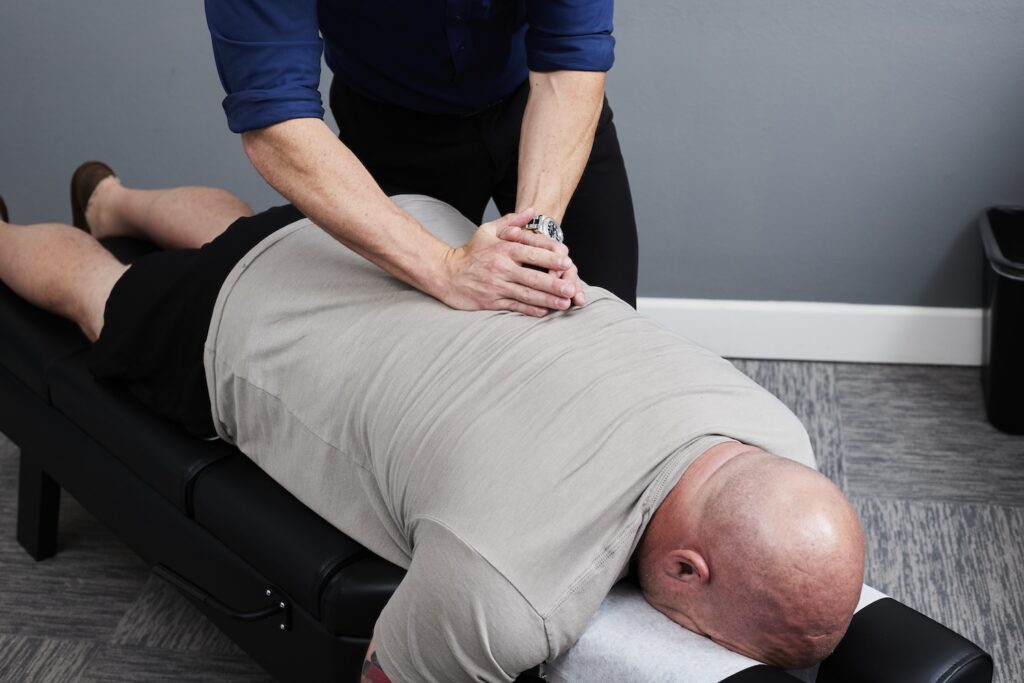
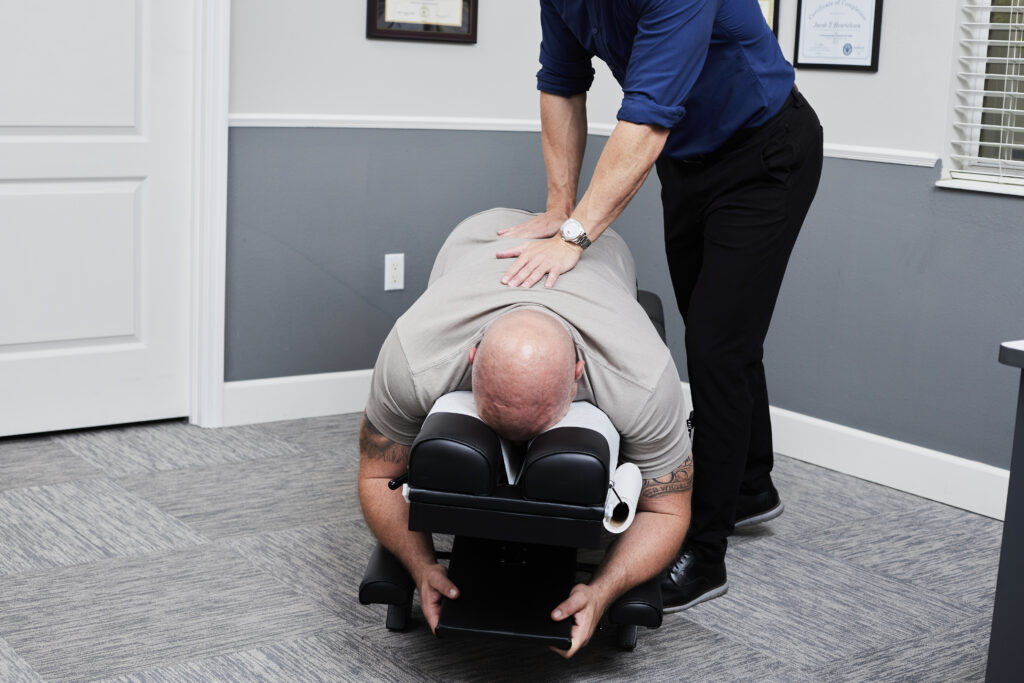
- Chiropractic care: Spinal manipulation can relieve pain and enhance mobility, helping you feel more like yourself again.
- Medications: Over-the-counter pain relievers or prescribed medications can help manage inflammation and discomfort.
- Heat and cold therapy: Applying heat or ice packs can provide immediate relief and reduce swelling.
- Massage therapy: Therapeutic massage can relieve tension, improve circulation, and promote relaxation.
As you explore these traditional treatments, keep in mind that everyone's experience with back pain is unique.
What works wonders for one person may not be as effective for another. It's crucial to consult with a healthcare professional to tailor a plan that suits your specific needs.
By starting with these foundational options, you can take proactive steps toward managing your back pain and regaining control over your daily activities.
Alternative Therapies Explored
While traditional treatment options provide a solid foundation, exploring alternative therapies can offer additional pathways to relief from back pain. You might find that these approaches complement conventional methods, helping to enhance your overall well-being.
One popular alternative therapy is acupuncture. This ancient practice involves inserting thin needles into specific points on the body to relieve pain. Many people report significant improvements in their back pain after a few sessions, making it worth considering.
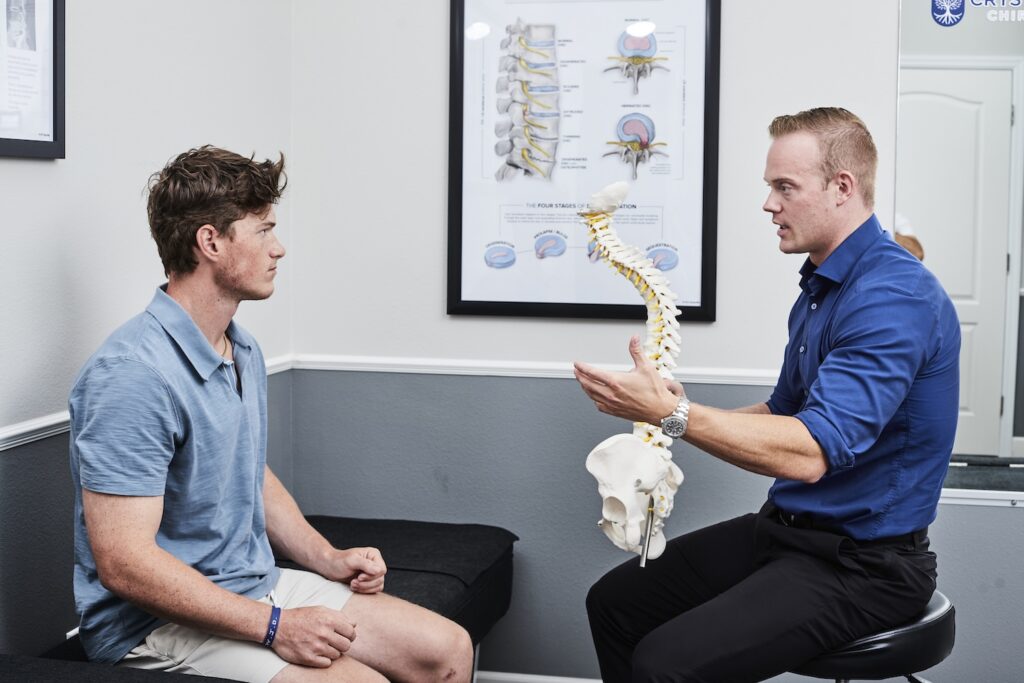
Chiropractic care is another option. Chiropractors focus on aligning your spine and other joints to alleviate discomfort. Regular adjustments can help improve your mobility and reduce pain levels. If you choose this route, be certain to find a licensed and experienced chiropractor.
Massage therapy can also be beneficial. It not only helps relieve muscle tension and improves circulation but also promotes relaxation, which can be critical for managing chronic pain. Finding a skilled massage therapist who specializes in back pain can lead to substantial relief.
Yoga and tai chi are excellent for promoting flexibility and strength. These practices emphasize gentle movements and stretching, which can help ease tension in your back and improve posture. Participating in classes or following online tutorials can make these therapies accessible to you.
Lastly, herbal supplements may provide relief for some individuals. Always consult with your healthcare provider before starting any new supplements to confirm they're safe and appropriate for your situation.
Lifestyle Changes for Relief
Making simple lifestyle changes can considerably impact your back pain relief journey. You mightn't realize that your daily habits play a significant role in how you feel.
By adjusting some aspects of your routine, you can create a more supportive environment for your back. Here are some changes you should consider:
- Prioritize good posture: Whether you're sitting at a desk or standing in line, maintaining proper posture helps alleviate strain on your back.
- Invest in a supportive mattress: A quality mattress can make a world of difference in how well you sleep and how your back feels when you wake up.
- Stay hydrated: Drinking enough water keeps your spinal discs healthy, which can reduce discomfort and stiffness throughout your day.
- Mind your footwear: Wearing shoes that provide proper support can prevent unnecessary stress on your back, especially if you spend long hours on your feet.
- Manage stress effectively: High stress levels can lead to muscle tension in your back. Practicing relaxation techniques, such as deep breathing or meditation, can help ease this tension.
The Role of Exercise
Incorporating exercise into your routine can greatly enhance your journey toward back pain relief. Regular physical activity strengthens the muscles that support your spine, improves flexibility, and promotes better posture—all essential elements in managing and preventing back pain. When you engage in exercises targeting your core, back, and legs, you create a strong foundation that helps alleviate stress on your spine.
Start with gentle activities like walking or swimming, which are low-impact and easy on your joints. Gradually introduce strength-training exercises that focus on your abdominal and back muscles. Planks, bridges, and bird-dogs are excellent options. These movements help build stability and strength without putting too much strain on your back.
Don't forget about stretching! Flexibility exercises can relieve tension in tight muscles, which might be contributing to your discomfort. Incorporating yoga or Pilates into your routine can enhance your flexibility while also promoting mindfulness, helping you manage stress that could exacerbate your pain.
Consistency is key when it comes to exercise for back pain relief. Aim for at least 150 minutes of moderate aerobic activity each week, along with strength training on two or more days.
Listen to your body; if something doesn't feel right, modify your approach. Remember, the goal is to empower yourself through movement. By committing to a regular exercise regimen, you're not just addressing your back pain—you're investing in your overall health and well-being.
When to Seek Professional Help
Knowing when to seek professional help for back pain can be vital in your recovery journey. While many instances of back pain can be managed at home with rest and self-care, certain symptoms should prompt you to consult a healthcare professional. Ignoring these signs could lead to more significant issues down the line.
Consider reaching out for help if you experience any of the following:
- Persistent pain that lasts longer than a few weeks
- Numbness or tingling in your legs or feet, which may indicate nerve involvement
- Severe pain that doesn't improve with rest or over-the-counter medications
- Difficulty standing or walking, affecting your daily life
- Unexplained weight loss or fever, which could signal a more serious condition
These symptoms can be alarming, and it's important to take them seriously. A healthcare professional can provide a proper diagnosis and recommend appropriate treatment options tailored to your specific situation.
They may conduct imaging tests, prescribe medications, or refer you to physical therapy to help alleviate your pain.
Don't let fear or uncertainty keep you from seeking help. The sooner you address your back pain, the better your chances of achieving lasting relief.
Long-term Pain Management Strategies
To effectively manage long-term back pain, you need to explore a combination of strategies.
Incorporating regular exercise and physical therapy can strengthen your back, while mind-body techniques help reduce stress.
Additionally, adjusting your lifestyle and ergonomics can make a significant difference in your daily comfort.
Exercise and Physical Therapy
Exercising regularly and engaging in physical therapy can be transformative for long-term back pain management.
These approaches not only help alleviate pain but also strengthen your muscles and improve flexibility. When you commit to a tailored exercise program or work with a physical therapist, you're taking significant steps toward regaining control over your body and your life.
Consider the emotional benefits of this journey:
- Freedom: Experience the joy of moving without limitations.
- Confidence: Build self-assurance as you achieve your fitness goals.
- Hope: Discover that relief is possible, and a pain-free life is within reach.
- Empowerment: Take charge of your health, making informed choices for your well-being.
- Connection: Establish bonds with health professionals and support groups who understand your struggles.
Mind-Body Techniques
Incorporating mind-body techniques into your routine can greatly enhance long-term pain management for back pain. These approaches help you tap into the connection between your mind and body, allowing you to manage pain more effectively.
Techniques like mindfulness meditation, deep breathing exercises, and guided imagery can reduce stress and promote relaxation, which are essential for pain relief.
Mindfulness meditation encourages you to focus on the present moment, helping you to observe your pain without judgment. This shift in perspective can decrease the emotional intensity associated with discomfort.
Deep breathing exercises can calm your nervous system, lowering anxiety and tension that often exacerbate pain.
Guided imagery, where you visualize peaceful and healing scenarios, can also provide a mental escape, reducing your perception of pain. Regular practice of these techniques fosters resilience and enhances your ability to cope with discomfort.
To get started, set aside a few minutes daily to practice these techniques. Over time, you'll likely notice an improvement in your overall well-being and a reduction in back pain, allowing you to live a more active and fulfilling life.
Lifestyle and Ergonomics
Making simple adjustments to your lifestyle and workspace can greatly reduce back pain over time. By adopting better habits and ergonomics, you can foster a healthier environment that supports your spine.
Start by evaluating your workspace—ensure your chair and desk are set up to promote good posture.
Consider these practical tips:
- Choose an ergonomic chair that supports your lower back and encourages a natural curve.
- Practice good posture; keep your feet flat on the floor and your knees at hip level.
- Take regular breaks to stretch and move around, preventing stiffness from prolonged sitting.
- Use a standing desk or alternate between sitting and standing to reduce pressure on your back.
- Incorporate gentle exercises like yoga or swimming into your routine to strengthen your core muscles.
Conclusion
You can find lasting relief for back pain by embracing a holistic approach. By understanding your pain, exploring both traditional and alternative treatments, and making necessary lifestyle changes, you'll empower yourself to manage discomfort effectively. Regular exercise and good posture play vital roles in your recovery, while knowing when to seek professional help guarantees you stay on the right track. Commit to these strategies, and you'll be on your way to a more pain-free life.