As a local chiropractor, I want to emphasize that if you're dealing with chronic back pain, you're certainly not alone, and there are many natural and effective methods to help you find relief. One of the key areas we focus on in chiropractic care is improving posture, which can make a significant difference in how you feel on a daily basis. Regular exercise is also crucial; it strengthens your muscles and supports your spine, leading to better overall health.
Many individuals underestimate the power of daily stretching and proper pain management techniques. These practices can be transformative and should not be overlooked. Additionally, I encourage you to consider holistic remedies and mindfulness practices, such as yoga and meditation, which can complement your treatment plan and promote healing.
Let's take some time to explore these strategies together and determine which ones may work best for you in your journey towards a pain-free life. Remember, chiropractic care is about more than just adjustments; it's about empowering you to take charge of your health and well-being.
Improve Your Posture
As a local chiropractor dedicated to helping you achieve optimal health, I want to share a simple yet effective way to alleviate back pain: improving your posture. The alignment of your spine is crucial in determining how much strain your back experiences daily. Many individuals are unaware that slouching or hunching can create unnecessary pressure on your back muscles and vertebrae, which can lead to discomfort or pain over time.
To start, it's important to become mindful of your posture throughout your day. When sitting, ensure your feet are flat on the floor and your knees form a right angle. Your back should remain straight, and your shoulders should be relaxed, avoiding any forward slump. Consider using a chair that offers adequate lumbar support or adding a cushion to maintain the natural curve of your spine.
If your work involves long hours at a desk, it's essential to evaluate your workstation setup. Your computer screen should be at eye level, and your keyboard should be positioned so that your wrists remain straight.
When standing, make sure to distribute your weight evenly across both feet. Avoid locking your knees and engage your core muscles to help support your spine. It's also vital to take breaks and switch positions regularly to prevent stiffness. By making these simple adjustments to your daily habits, you may notice a significant reduction in back pain.
Improving your posture isn't just about comfort; it's a proactive approach that contributes to your overall health and well-being. So, I encourage you to take a moment to assess your posture and implement these changes. Your back will truly thank you for it!
If you have any questions or need further guidance, don't hesitate to reach out—I'm here to help you on your journey to better health through chiropractic care and natural healing.
Exercise Regularly
As a local chiropractor, I want to emphasize the importance of regular exercise in alleviating back pain and promoting overall wellness. Incorporating physical activity into your daily routine can be a game-changer for your spine health. Exercise helps strengthen the muscles that support your spine, improves flexibility, and enhances blood circulation—all crucial elements in reducing discomfort and fostering a healthier back.
When you engage in regular exercise, you're not just focusing on your back; you're also working your core, legs, and hips. These muscle groups are vital for maintaining proper alignment and posture, which is essential to prevent strain on your back. I often recommend low-impact activities like walking, swimming, or cycling, as they can be easily tailored to fit your fitness level, making it easier for you to get started and stay consistent.
Consistency is crucial in any exercise regimen. Aim for at least 150 minutes of moderate aerobic activity each week and include strength training exercises at least twice a week. Choose low-impact exercises that are gentle on your joints while effectively building strength.
If you're unsure where to start, consider consulting with a physical therapist or a certified trainer. They can help create a personalized program that caters specifically to your needs and goals.
It's also important to listen to your body. If you experience pain during any exercise, it's crucial not to push through it. Instead, modify your routine or take a break to prevent exacerbating any existing issues.
Stretch Daily
As a local chiropractor, I want to emphasize the importance of incorporating daily stretching into your routine, especially for those of you who may not be familiar with chiropractic care and natural healing. Stretching is an excellent complement to regular exercise and plays a vital role in supporting your back health.
One of the key benefits of stretching is improved flexibility. As you enhance your range of motion, you'll find that everyday activities become easier and less uncomfortable. Additionally, stretching promotes increased blood flow, which is essential for delivering nutrients to your muscles and aiding recovery after strain.
Moreover, taking a few moments each day to stretch can significantly reduce stress. This calming practice allows you to focus on your breath and release any built-up tension in your body, contributing to overall well-being.
To get started on your stretching journey, I recommend integrating movements that specifically target your back, hips, and legs. Simple stretches such as the cat-cow stretch, seated forward bend, and child's pose can be incredibly effective. Aim to hold each stretch for 15-30 seconds while breathing deeply to help you ease into each position.
By making stretching a priority, you're taking proactive steps towards maintaining and improving your spinal health, which is essential for a pain-free and active lifestyle.
Apply Heat or Cold
As a local chiropractor committed to helping you understand natural healing, I want to share how applying heat or cold can be a simple yet effective strategy for managing back pain.
Heat therapy is particularly beneficial as it increases blood flow to the affected area. This enhanced circulation helps relax tight muscles and alleviate stiffness. You can easily incorporate heat into your routine by using a heating pad, a warm towel, or even indulging in a warm bath.
Just ensure that your heat source is at a comfortable temperature to avoid burns, and limit your application to about 20 minutes to maximize the benefits.
Conversely, cold therapy is a fantastic option for those experiencing sharp pain or inflammation. Ice packs or cold compresses can work wonders, especially if your back pain stems from an injury or strain.
Remember to wrap your ice pack in a cloth to protect your skin, and apply it for 15-20 minutes. It's also important to allow your skin a break between applications to prevent frostbite.
Choosing between heat and cold often boils down to your specific symptoms. If you're grappling with muscle spasms or tension, heat may be your best ally.
On the other hand, if you're facing swelling or acute pain, cold therapy might be the relief you need. Some patients even find success in alternating between heat and cold to achieve optimal results.
Ultimately, it's crucial to listen to your body and observe how it reacts to each method. Adjust your approach as needed.
By incorporating heat or cold therapy into your self-care routine, you can significantly enhance your ability to manage chronic back pain naturally and effectively.
If you have any questions or would like to explore more about chiropractic care, please don't hesitate to reach out!
Consider Physical Therapy
If you're dealing with back pain, I encourage you to explore chiropractic care as a natural and effective solution.
As a chiropractor, I focus on understanding the root causes of your discomfort and developing a personalized treatment plan that may include adjustments, exercises, and pain management techniques.
This holistic approach not only aims to relieve your pain but also strengthens your spine and supports your overall health for the long term.
Embracing chiropractic care can empower you to take control of your well-being and lead a more active, pain-free life.
Personalized Exercise Programs
At our chiropractic clinic, we understand that personalized exercise programs can be a powerful tool in managing and alleviating back pain. When tailored specifically to your individual needs by a skilled chiropractor, these programs can make a significant difference in your recovery journey.
Our approach is to focus on strengthening the muscles that support your spine, enhancing flexibility, and improving your overall posture. By engaging in a customized routine, you not only address your current pain but also take proactive steps to prevent future issues.
Here are some key benefits of a personalized exercise program that we offer:
- Targeted Strengthening: We design exercises that specifically target the muscle groups contributing to your discomfort, helping to build strength where you need it most.
- Injury Prevention: By improving your body's mechanics, we help reduce the risk of future injuries that could worsen your back pain and disrupt your daily life.
- Progress Tracking: As your chiropractor, I'll closely monitor your progress and make necessary adjustments to your program, ensuring that you're always moving toward optimal health and wellness.
With chiropractic care and a personalized exercise program, you can experience a natural, holistic approach to managing back pain and improving your overall well-being.
Pain Management Techniques
As a local chiropractor, I want to help you understand the importance of personalized exercise programs in managing back pain, and how chiropractic care can complement these efforts for a more natural healing process. Chiropractic care focuses on aligning your spine and musculoskeletal system, which can significantly enhance your recovery.
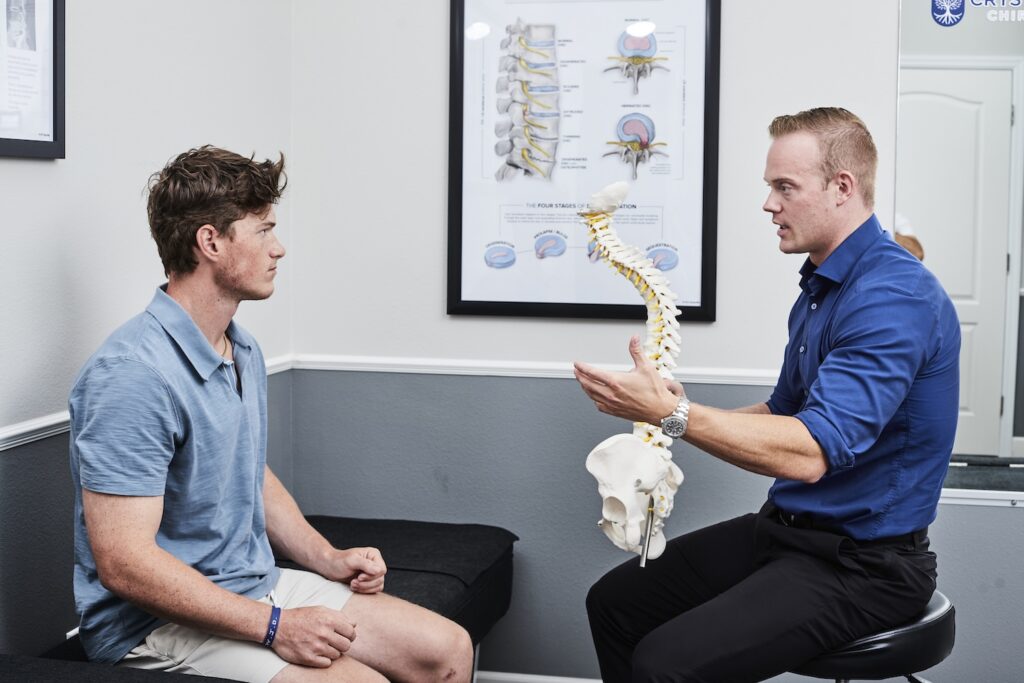
During your visits, I'll assess your condition and create a tailored treatment plan that includes not only spinal adjustments but also specific exercises designed to strengthen your muscles, improve flexibility, and promote proper posture. These targeted exercises are essential in alleviating pain and enhancing your overall function.
In addition to adjustments, I may incorporate manual therapy techniques, such as soft tissue manipulation, to help reduce tension in your muscles and improve mobility. We can also explore other natural modalities, like therapeutic ultrasound or electrical stimulation, to effectively manage your pain.
It's crucial to stay committed to your chiropractic sessions and follow the recommended home exercises. As you engage in this holistic approach, you'll likely notice improvements not only in your pain levels but also in your overall quality of life.
I encourage open communication; if you have any concerns or if your condition changes, please let me know. This way, we can adapt your treatment plan to ensure it meets your needs effectively.
Incorporating chiropractic care into your pain management strategy can empower you to take control of your back pain, leading to a more active and fulfilling life. Embrace this journey towards healing and wellness with us!
Practice Mindfulness Techniques
As a local chiropractor, I want to share how practicing mindfulness techniques can significantly alleviate back pain. Many of my patients are surprised to learn that simple practices like deep breathing exercises can effectively calm the mind and reduce tension in the body.
Additionally, using guided imagery can help you visualize relaxation, allowing your muscles to unwind. Another beneficial method is body scan meditation, which encourages you to connect with each part of your body, promoting awareness and relaxation.
Incorporating these mindfulness practices into your routine not only eases discomfort but also enhances your overall sense of well-being. Embracing natural healing methods like these can complement your chiropractic care and support your journey to a healthier back.
Deep Breathing Exercises
As a local chiropractor, I often see patients who struggle with overwhelming back pain. One effective technique I recommend for relief is deep breathing exercises. These exercises not only help you focus on your breath but also promote relaxation and reduce tension throughout your body.
By incorporating deep breathing into your daily routine, you can manage your pain more effectively and cultivate a sense of calm, which is vital for overall well-being.
To begin, find a comfortable position—whether sitting or lying down. Close your eyes and take a slow, deep breath in through your nose, letting your abdomen expand fully. Hold that breath for a moment, and then exhale slowly through your mouth. Repeat this process several times, concentrating on the rhythm of your breath as you do so.
Here are some key benefits of deep breathing exercises that I share with my patients:
- Reduces muscle tension: By loosening tight muscles, deep breathing can help alleviate pain in your back.
- Enhances oxygen flow: Increasing the oxygen supply to your muscles promotes healing and relaxation, which is essential for recovery.
- Encourages mindfulness: Being present in the moment can help shift your focus away from pain and discomfort, allowing for better management of your symptoms.
Incorporating deep breathing exercises into your routine can make a significant difference in managing chronic back pain.
Guided Imagery Practices
As a local chiropractor, I want to share with you a powerful technique that can help alleviate back pain: guided imagery practices. This method allows you to transport your mind to a serene and peaceful place, helping to shift your focus away from discomfort and promote relaxation—a crucial aspect of healing.
To start, find a comfortable position, whether sitting or lying down. Close your eyes and take a few deep breaths to help center yourself. This simple act of breathing can already begin to ease tension.
Now, I invite you to visualize a calm scene—perhaps a tranquil beach with gentle waves, a lush forest filled with the scent of pine, or a quiet meadow bathed in sunlight. Engage your senses and picture these details vividly. Listen to the sound of the waves, inhale the fresh scents around you, and feel the warmth of the sun on your skin.
As you immerse yourself in this imagery, allow any tension in your back to dissolve. Visualize those soothing sensations washing over you, and focus on the peacefulness of your surroundings.
In addition to this imagery, incorporating positive affirmations can enhance your practice. Repeat phrases such as "I am relaxed" or "I am free from pain." These affirmations serve to reinforce your intention to alleviate discomfort and promote a healing mindset.
Regularly practicing guided imagery can train your mind to respond better to stress, which is essential for overall health and can significantly contribute to reducing back pain.
With consistency, you'll find that this mental escape not only calms your mind but also aids in managing physical discomfort. Remember, holistic healing encompasses both the mind and body, and I encourage you to explore these techniques as part of your journey toward wellness.
Body Scan Meditation
As a local chiropractor, I often see patients struggling with back pain, and one effective method I recommend for managing that pain is body scan meditation. This mindfulness technique allows you to connect with your body and release built-up tension, which is crucial for healing.
By developing awareness of your physical sensations, you'll find it easier to relax and reduce stress, both of which are essential in alleviating discomfort.
Here's how you can practice body scan meditation:
- Find a quiet space: Start by selecting a comfortable position, whether lying down or sitting, in a calm environment where you won't be interrupted. This setting is important for fostering relaxation.
- Breathe deeply: Take several deep breaths—inhale through your nose and exhale through your mouth. Let your breath guide you into a state of relaxation.
- Scan your body: Begin at your toes and gradually shift your focus upward through your body. Pay attention to any sensations you feel in each area. If you notice discomfort, acknowledge it without judgment, and then consciously allow those muscles to relax.
Incorporating body scan meditation into your routine can help you become more attuned to your body's needs, making it easier to manage and reduce chronic back pain over time.
I encourage you to give it a try and observe how it can positively impact your overall well-being! If you have any questions or would like further guidance, feel free to reach out during your next visit.
Explore Alternative Treatments
As a local chiropractor, I want to share with you some alternative treatments for back pain that can complement or even enhance your journey towards healing. Many patients are surprised to learn about the various options available beyond traditional medicine.
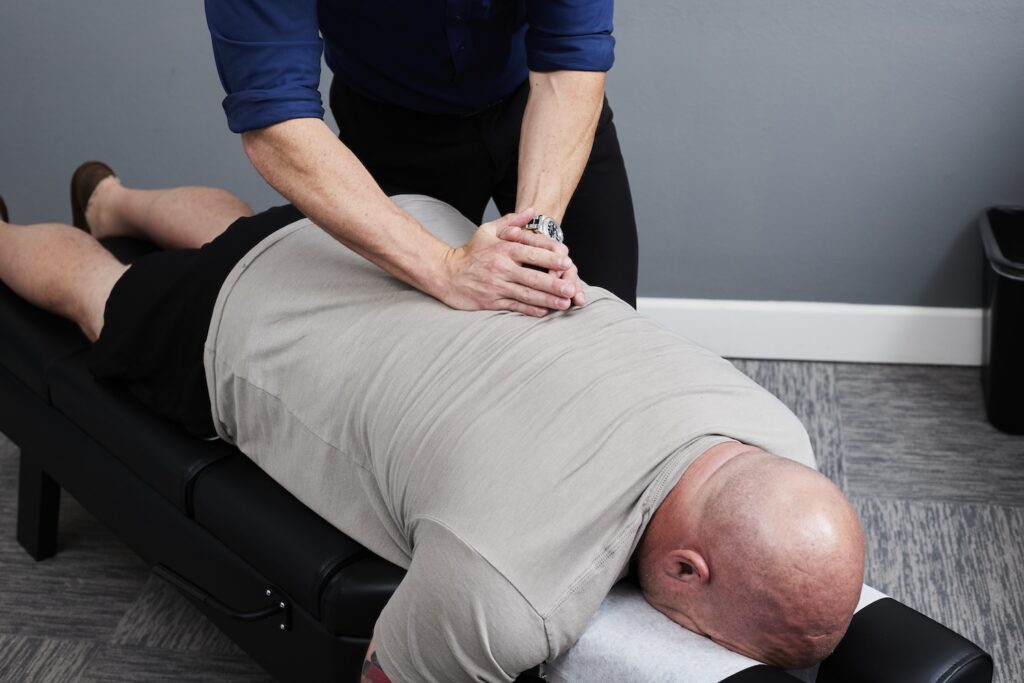
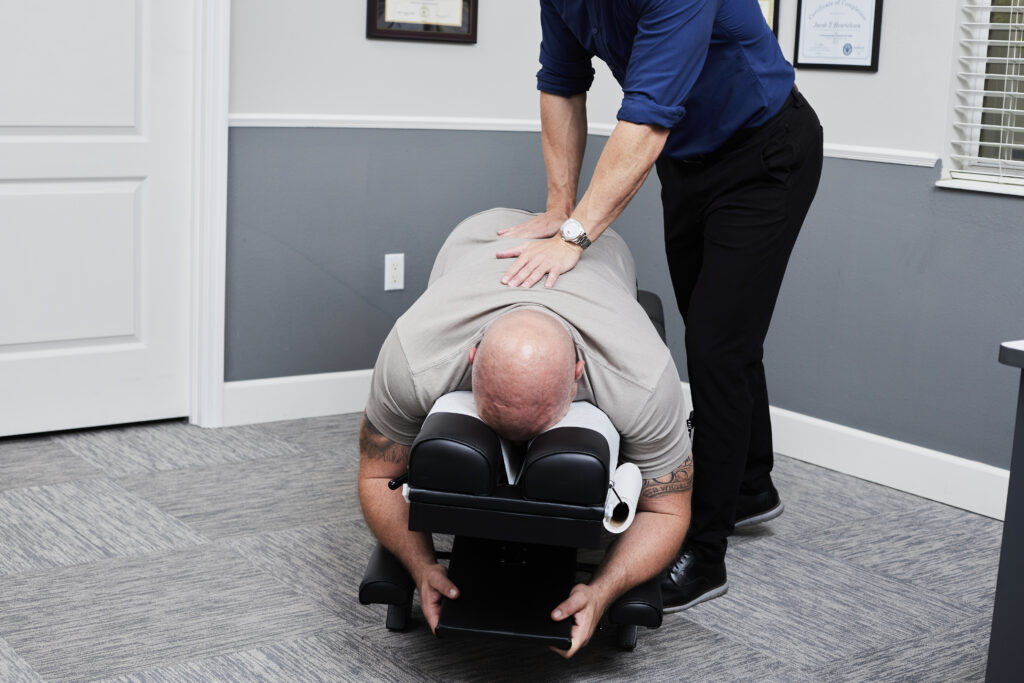
One of the most effective options is chiropractic care itself. This natural healing method focuses on manual manipulation of the spine and joints to restore proper alignment. By addressing misalignments, we can reduce discomfort and improve your overall posture. Many of my patients notice a significant reduction in pain after just a few sessions, making chiropractic adjustments a valuable part of their treatment plan.
In addition to chiropractic adjustments, I often recommend integrating massage therapy into your routine. A skilled massage therapist can work on tight muscles and alleviate tension in your back, offering relief and promoting relaxation. Regular massage sessions can also help prevent future flare-ups, making it an excellent proactive approach to back health.
Another beneficial practice is incorporating gentle exercises like yoga and tai chi into your daily life. These forms of movement focus on stretching and strengthening your body while also reducing stress. They can improve your flexibility and overall wellbeing, both of which are crucial for managing back pain. You can practice these exercises at home or join a class for added guidance and support.
Finally, I encourage exploring herbal remedies and dietary supplements, such as turmeric and omega-3 fatty acids. These natural options may help reduce inflammation, further supporting your recovery. However, it's always essential to consult with a healthcare professional before introducing new supplements to ensure they're safe and suitable for your individual needs.
Conclusion
As your local chiropractor, I want to share with you seven effective strategies that can greatly assist in managing your chronic back pain. Many people are unaware of the impact that proper posture can have on their overall well-being. By maintaining good posture, engaging in regular exercise, and utilizing heat or cold therapy, you can start to experience relief from discomfort.
In addition, incorporating daily stretching into your routine is essential for keeping your muscles flexible and reducing tension. Physical therapy can also be a valuable resource, providing you with personalized exercises and techniques to strengthen your back. I encourage you to explore mindfulness practices, as they can help you manage stress and improve your pain perception.
Lastly, consider alternative treatments that may complement your recovery, such as chiropractic adjustments, which focus on aligning the spine and promoting natural healing. Remember, each small step you take toward these strategies contributes to your overall health and helps you regain control of your life. Begin your journey toward a pain-free future today, and let us guide you every step of the way!