
When it comes to recovery, many people tend to overlook the finer details that can significantly impact their performance and well-being. While you may be familiar with the importance of rest and nutrition, have you considered how active recovery techniques and mindful practices can truly enhance your recovery process? As a local chiropractor, I want to emphasize that recovery isn't just a passive experience; it requires strategic choices that can help you bounce back faster and more effectively.
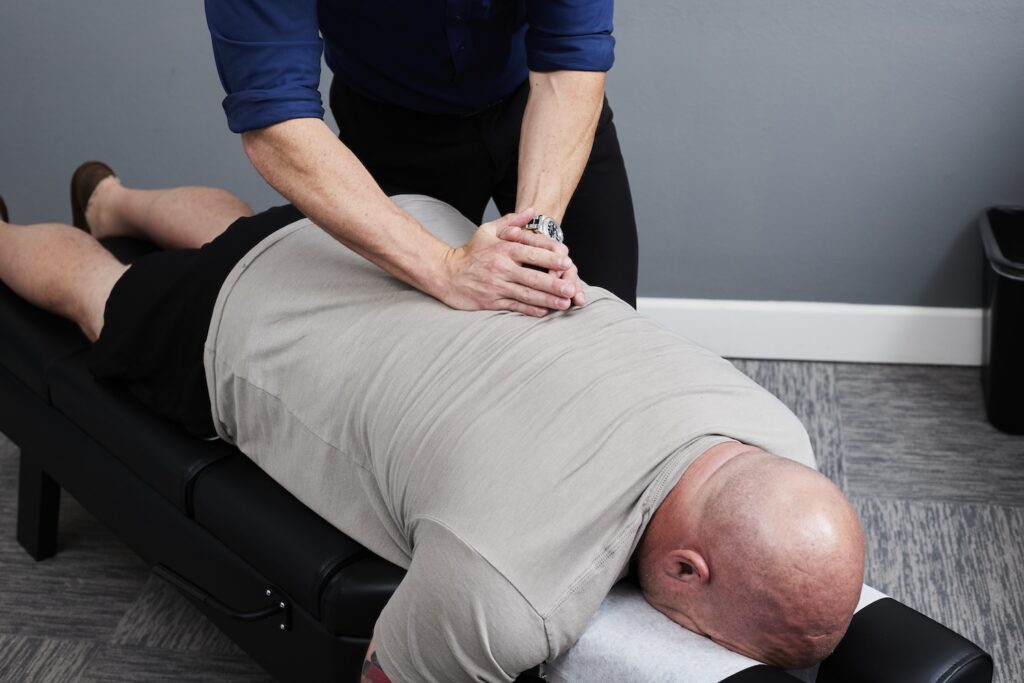
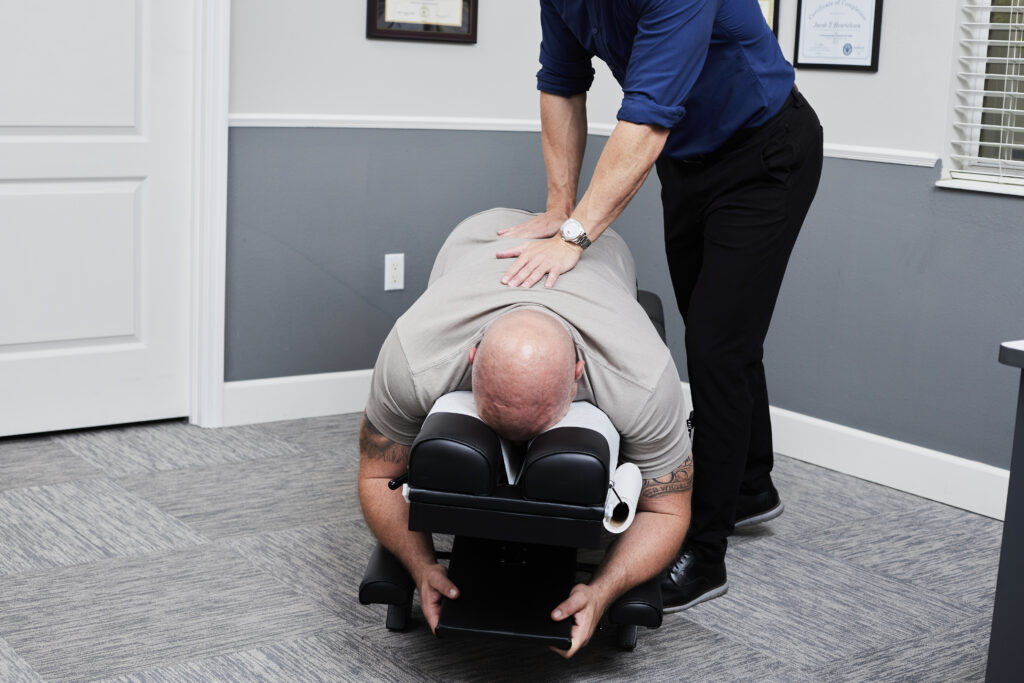
Incorporating chiropractic care into your recovery routine can play a vital role in optimizing your journey. From spinal adjustments that improve your body's alignment to soft tissue therapies that relieve tension, there are numerous ways we can support your healing process. Additionally, I encourage you to explore practices such as stretching, gentle exercise, and relaxation techniques, as these can further aid your recovery.
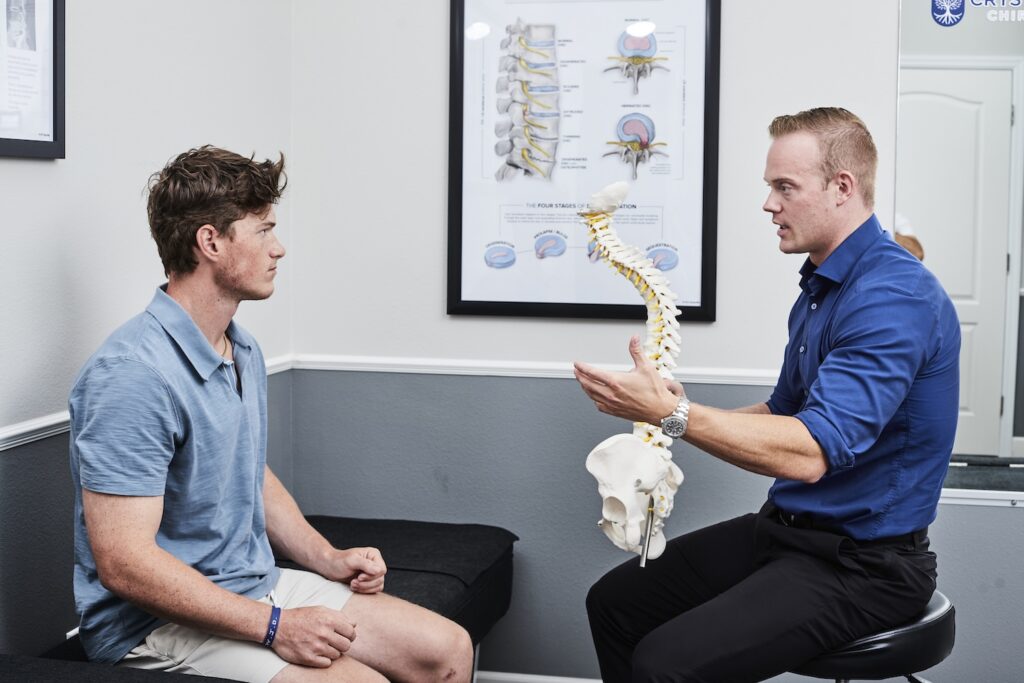
As you consider these essential methods, remember that each plays a unique role in your overall health and performance. If you're curious about how to implement these strategies effectively, I'm here to guide you on how chiropractic care and natural healing can elevate your recovery. Together, we can create a personalized plan to help you feel your best and perform at your peak.
Active Recovery Techniques
As a local chiropractor dedicated to helping my patients achieve optimal health, I want to emphasize the importance of active recovery techniques, especially for those of you who lead an active lifestyle. These techniques are vital not only for enhancing athletic performance but also for reducing the risk of injuries.
After intense workouts, rather than jumping straight into complete rest days, I encourage you to consider incorporating active recovery sessions into your routine. Engaging in low-intensity activities can significantly aid your body in recovering while keeping you on the move.
One effective approach is to include light aerobic exercises such as walking, cycling, or swimming at a comfortable pace. These activities are beneficial because they enhance blood circulation to your muscles, helping to clear out lactic acid and other metabolic wastes that can cause discomfort. You don't need to exert yourself too much; aim for about 20-30 minutes of moderate effort.
In addition, dynamic stretching can be very advantageous. Gentle stretches that mimic the movements of your sport can improve flexibility and prepare your muscles for future workouts. Incorporating activities like yoga or Pilates can also be beneficial, as they emphasize controlled movements and proper breathing, promoting relaxation and reducing muscle tension.
Foam rolling is another fantastic tool for active recovery. It helps to relieve muscle tightness and improve circulation. Taking just a few minutes to roll out any sore areas can alleviate discomfort and enhance your mobility.
Lastly, I can't stress enough the importance of mobility drills. These exercises are essential for keeping your joints functioning optimally and preventing stiffness. Simple movements such as leg swings or arm circles can make a significant difference in your overall flexibility and ease of movement.
As your chiropractor, I'm here to support you in understanding and implementing these natural healing techniques to improve your overall well-being. Remember, recovery is just as important as your workouts!
Proper Hydration Strategies
As a local chiropractor, I want to emphasize the importance of staying properly hydrated for your overall health, especially if you're active or seeking to improve your physical performance. Hydration is vital not only for athletic endeavors but also for your body's ability to function optimally. Water plays a crucial role in regulating body temperature, transporting essential nutrients, and flushing out waste products from the body.
When dehydration occurs, it can lead to fatigue, decreased endurance, and a heightened risk of injury, which is something I frequently see in my practice.
To enhance your hydration strategy, it's important to start by understanding your daily fluid needs. A general guideline is to aim for about half your body weight in ounces of water each day. For those of you who are physically active or sweat a lot, you'll need to increase your intake accordingly.
Keep in mind environmental factors like temperature and humidity; hotter conditions can necessitate even more hydration.
Timing your water intake is also critical. Instead of consuming large amounts at once, try to drink water consistently throughout the day. It's beneficial to hydrate before, during, and after any physical activity. A good rule of thumb is to drink 16-20 ounces of water about 1-2 hours prior to exercise, then follow with 8-10 ounces every 20 minutes throughout your workout.
Additionally, electrolytes are important in hydration, especially after intense activities. Incorporating an electrolyte drink can help replenish lost minerals and maintain fluid balance in your body. However, be cautious of the sugar content in many sports drinks; sometimes, plain water or a homemade electrolyte solution can be just as effective without the extra sugars.
Lastly, always listen to your body. If you're feeling thirsty or notice dark urine, those are clear signals that you need to increase your hydration.
Nutritional Support Essentials
As a local chiropractor, I want to emphasize the importance of nutritional support in enhancing your overall health and well-being, particularly for those who lead active lifestyles. Proper nutrition is key to optimizing your performance and recovery, whether you're an athlete or just someone looking to stay fit.
Understanding the right balance of macronutrients—carbohydrates, proteins, and fats—is crucial. Carbohydrates serve as your body's primary energy source. Fueling up on complex carbs, such as whole grains, fruits, and vegetables, before engaging in physical activity can significantly enhance your performance.
After exercising, it's important to replenish your glycogen stores with carbohydrates to aid recovery. Protein also plays a vital role in your body's repair processes. It supports muscle recovery and growth, which is why I recommend consuming high-quality protein sources—like lean meats, dairy, legumes, and plant-based options—within a few hours post-workout.
A meal that combines both carbohydrates and protein can further optimize your recovery. Let's not overlook healthy fats! Foods rich in omega-3 fatty acids, such as fish, walnuts, and flaxseeds, have anti-inflammatory properties that can aid in your recovery process. Staying hydrated with electrolyte-packed fluids is also essential in maintaining balance and supporting your overall recovery.
Additionally, micronutrients—vitamins and minerals—are vital for your health. A diet filled with colorful fruits and vegetables can provide the antioxidants necessary to combat oxidative stress and inflammation, both of which can arise from intense physical exertion.
Incorporating nutrient-dense snacks, such as yogurt with berries or a green smoothie, can help you meet your nutritional needs and support your body's healing processes. By prioritizing these nutritional essentials, you'll not only experience quicker recovery times but also enhance your overall health and performance.
Sleep and Rest Importance
As a local chiropractor, I want to emphasize the critical role that quality sleep plays in your overall health and recovery.
Just like athletes rely on sleep to repair their muscles and enhance their performance, everyone can benefit from prioritizing rest. Incorporating regular rest days into your routine allows your body the necessary time to recover and rejuvenate, ultimately leading to improved strength and well-being.
When you make sleep and rest a priority, you're not only supporting your physical health but also setting the foundation for success in all areas of your life.
It's important to understand that adequate rest is a natural component of healing and wellness. By taking care of your body through proper rest, you can promote better alignment, reduce stress on your joints, and enhance your overall vitality.
Quality Sleep Benefits
As a local chiropractor, I want to emphasize the vital role that quality sleep plays in your overall health and well-being, particularly for those who are active or involved in sports.
Quality sleep serves as a fundamental pillar for your body's performance and recovery processes. When you prioritize getting enough restorative sleep, you allow your body the necessary time to heal and rejuvenate.
During the deeper stages of sleep, your body works hard to release growth hormones, which are crucial for repairing muscles and aiding recovery. This means that a restful night can significantly speed up healing from injuries and contribute to better muscle development, which is essential for anyone looking to enhance their physical capabilities.
Moreover, quality sleep has a profound impact on your cognitive functions, including your ability to focus and make decisions. When you're well-rested, you'll notice an improvement in your alertness during both training sessions and competitions, leading to enhanced performance.
Additionally, adequate sleep helps regulate your mood and manage stress levels, making it easier to cope with the pressures of athletic challenges.
If you find yourself struggling to achieve quality sleep, I recommend incorporating a calming bedtime routine, reducing screen time before bed, and creating a comfortable sleep environment.
Remember, sleep isn't just a passive activity—it's a critical component of your wellness and recovery plan. By prioritizing quality sleep, you aren't only investing in your recovery but also positioning yourself for success in your athletic pursuits.
Make sleep a priority, and you'll surely experience its positive effects on your performance and overall health.
Scheduled Rest Days
As a local chiropractor, I want to emphasize the importance of incorporating scheduled rest days into your training routine for optimal recovery and performance. Many people may view rest days as just time off, but they're actually a crucial part of your overall health strategy. Allowing your body to rest is essential for preventing burnout and minimizing the risk of injury.
On rest days, your muscles have the opportunity to repair and rebuild, which ultimately enhances your strength and endurance. Some might believe that every day should be dedicated to intense training, but overtraining can lead to fatigue, decreased motivation, and stagnated progress.
Instead, think of rest days as a chance to rejuvenate both your body and mind. On these days, consider engaging in light activities such as walking or gentle stretching. These movements promote blood flow and support recovery without putting additional strain on your body.
It's also an ideal time to focus on proper nutrition and hydration, ensuring that you're well-fueled for your next training session. As your chiropractor, I encourage you to embrace rest days as a vital component of your health and wellness journey.
They play a significant role in helping you achieve your fitness goals while maintaining your overall wellbeing.
Massage and Manual Therapy
As a local chiropractor, I want to share how massage and manual therapy can be invaluable in enhancing your recovery, especially if you're active or engaged in sports. These natural healing techniques do more than just provide a moment of relaxation; they actively support your body in recovering from the stresses of workouts and daily activities.
When you receive a massage, a trained therapist focuses on your specific muscle groups, paying special attention to areas that may feel tight or sore. This targeted approach can help release tension, alleviate knots, and reduce inflammation, which in turn allows for improved movement and flexibility.
Many of my patients report feeling more limber and capable of performing at their best after incorporating regular massage into their routine.
Manual therapy, which I also practice, involves hands-on techniques to manipulate your joints and soft tissues. This approach helps correct any imbalances in your body and enhances your range of motion.
Many athletes and active individuals find that regular manual therapy sessions not only aid in faster recovery but also serve as a preventive measure against future injuries.
I encourage you to consider integrating both massage and manual therapy into your wellness routine, particularly during periods of intense training or after competitions.
By prioritizing these natural recovery methods, you can experience increased energy levels and be better prepared for your next challenge.
Cold and Heat Therapy
As a local chiropractor, I want to share the importance of cold and heat therapy in your recovery process, especially after intense workouts.
Cold therapy is great for reducing inflammation and numbing pain, which can be very helpful after a strenuous exercise session. On the other hand, heat therapy aids in promoting blood flow and relaxing your muscles, making it a fantastic option for easing tension and stiffness.
Understanding when and how to apply these therapies can greatly enhance your recovery and overall well-being.
If you're new to chiropractic care and natural healing, I encourage you to explore these methods as part of your self-care regimen. Proper application of cold and heat can make a significant difference in how your body recovers and feels.
Don't hesitate to reach out for guidance on how to incorporate these therapies effectively into your routine!
Cold Therapy Benefits
As a local chiropractor, I want to share with you the remarkable benefits of cold therapy, especially if you're looking to enhance your recovery from workouts or injuries.
When you expose your body to cold temperatures, it helps constrict blood vessels and reduce inflammation—an essential process when you've pushed your limits in training. This can significantly alleviate soreness and accelerate your recovery.
Using ice packs or cold compresses on sore muscles can provide immediate pain relief by numbing the affected area. Additionally, taking cold baths or exploring options like cryotherapy can further decrease muscle damage, enabling you to train harder and more often.
Another key benefit of cold therapy is its ability to reduce swelling. After an intense game or workout, excessive swelling can impede your performance. By applying cold therapy promptly, you can help minimize this swelling and get back to your routine more quickly.
Furthermore, cold therapy can improve your overall mood and sharpen your mental focus. The refreshing sensation of cold can be quite invigorating and may even boost your motivation.
So, whether you're icing a specific injury or taking a cold plunge, integrating cold therapy into your recovery routine is a wise choice for anyone looking to enhance their athletic performance and promote healing naturally.
If you have any questions about how to incorporate cold therapy into your wellness plan, feel free to ask during your next visit!
Heat Therapy Techniques
As a local chiropractor, I want to share with you the powerful benefits of heat therapy as a complementary approach to your recovery, especially if you're new to chiropractic care and natural healing.
Heat therapy can significantly enhance your healing process by increasing blood flow to specific areas of your body, which helps relax and soothe stiff muscles. This is particularly advantageous after engaging in intense workouts or competitions, as it aids in muscle recovery and alleviates tension.
There are various heat therapy techniques that I recommend. One effective method is the use of a heating pad, which you can apply directly to any sore muscles. Just remember to keep it warm—not too hot—to prevent any risk of burns.
Another enjoyable option is soaking in a warm bath. This method not only promotes full-body relaxation but can also be enhanced by adding Epsom salts, which are known for their ability to relieve soreness and support recovery.
For those dealing with smaller muscle groups, heat wraps or hot towels can be particularly effective. Just a gentle reminder to limit the application of heat to 15-20 minutes at a time, allowing your body to adapt and prevent overheating.
Incorporating these heat therapy techniques into your routine can greatly support your muscle recovery, helping you feel your best and stay active. As always, if you have any questions or need personalized advice, feel free to reach out during your visit!
Optimal Application Timing
As a local chiropractor, I want to share some important knowledge about the optimal timing for applying cold and heat therapy to enhance your recovery after a workout or competition.
Understanding when to use these therapies can significantly aid in your healing process.
Immediately following a tough workout, your muscles deserve some immediate attention. Cold therapy is key during this time.
Applying ice packs for 15-20 minutes within the first 48 hours post-exercise can help reduce inflammation and numb any pain you might be experiencing. This initial care is crucial for managing soreness and preventing further injury.
After the first couple of days, it's time to transition to heat therapy. Heat is beneficial because it increases blood flow, which helps relax tight muscles and promotes healing.
If you apply heat for 15-20 minutes, especially before engaging in any physical activity, you'll be preparing your muscles effectively and enhancing your performance.
Always pay attention to how your body feels. If soreness persists, continue using cold therapy as needed.
On the other hand, if you're feeling tight or stiff before a workout, heat therapy might be the best approach to loosen those muscles.
Incorporating these techniques into your recovery routine can make a world of difference, and as your chiropractor, I'm here to guide you on your path to natural healing and optimal wellness.
Mindfulness and Mental Recovery
Mental resilience is crucial for anyone looking to enhance their overall well-being and recovery, not just athletes. It influences how effectively we bounce back from the challenges we face in our daily lives.
As a local chiropractor, I believe that mindfulness can play a significant role in building this resilience, allowing you to concentrate on the present moment and alleviate anxiety related to your health and performance.
Here are four ways mindfulness can support your mental recovery:
- Stress Reduction: Engaging in mindfulness practices, such as focusing on your breath or meditating, can help you manage stress more effectively. Lowering cortisol levels through these techniques not only aids in physical recovery but also enhances your overall health.
- Enhanced Focus: Mindfulness helps train your mind to remain present, which can improve your concentration in various aspects of life. This increased focus can lead to better decision-making and reduced distractions, which is beneficial whether you're at work or in your personal life.
- Emotional Regulation: Mindfulness encourages you to observe your thoughts and feelings without judgment. By practicing this, you can learn to manage emotions like frustration or disappointment, which often arise in both competitive situations and everyday challenges.
- Increased Self-Awareness: Becoming more mindful helps you tune into your physical and mental states. This heightened awareness can guide better decisions about your health, including when to seek chiropractic care, adjust your activity levels, or prioritize rest and recovery.
Incorporating mindfulness into your routine isn't solely aimed at improving performance; it also nurtures your mental health and overall well-being.
Conclusion
As a local chiropractor, I want to share some valuable insights on how you can enhance your athletic performance and promote overall well-being through natural recovery strategies. Prioritizing active recovery, staying well-hydrated, and maintaining a balanced diet are essential steps to support effective muscle repair.
It's important to recognize the significant role that quality sleep plays in your recovery process. Additionally, treatments like massage therapy and the appropriate use of heat or cold can greatly accelerate your healing. Don't overlook the benefits of mindfulness practices, which can help you build mental resilience and cope with the stresses of training and competition.
By integrating these natural healing practices into your routine, you can recover faster and come back stronger for your next challenge. At our chiropractic clinic, we're here to guide you in utilizing these strategies to optimize your recovery and overall health.