
As a local chiropractor, I want to reassure you that if you're experiencing prenatal back pain, you're not alone—this is a common issue among expectant mothers. It's essential to approach this discomfort with a comprehensive strategy that includes correcting your posture and incorporating gentle exercises into your routine. You may be surprised to learn how small adjustments can lead to significant improvements in your comfort levels.
Using supportive pillows and wearing proper footwear are just the beginning. These tools can greatly enhance your well-being during this special time. However, it's crucial to go beyond the basics. Understanding how to personalize these strategies to fit your unique situation can provide even greater relief.
As you explore these methods, I encourage you to consider how chiropractic care can play a role in your journey to comfort. Together, we can discuss various techniques and treatments tailored specifically to your needs, helping you find the relief you deserve during your pregnancy. Let's work together towards a more comfortable experience as you prepare for your new arrival.
Maintain Good Posture
Maintaining good posture is crucial for alleviating prenatal back pain, and as a chiropractor, I want to help you understand how this can support your health during pregnancy. When you're expecting, your body goes through significant changes, especially as your belly grows, which shifts your center of gravity and can put extra strain on your back. By focusing on proper posture, you can help minimize discomfort and support your body effectively as it adapts.
Start by standing tall. Distributing your weight evenly on both feet and keeping your shoulders back and relaxed can make a world of difference. Think of a string gently pulling you upward from the crown of your head – this visualization helps align your spine properly.
When you sit, choose a chair with good lumbar support. If that's not available, a cushion can help you maintain an upright position while ensuring your feet are flat on the ground.
When you need to bend, remember to hinge at your hips rather than rounding your back. This technique is essential for protecting your spine and preventing unnecessary strain. If you need to lift something, always bend your knees and keep the object close to your body. This method reduces the load on your back and helps maintain proper alignment.
While you sleep, using supportive pillows is vital. Placing a pillow between your knees can keep your spine aligned and alleviate pressure. Many expectant mothers find that sleeping on their side is more comfortable during pregnancy.
By incorporating these posture tips into your daily routine, you can significantly reduce your back pain. It's all about being mindful of how you move and making adjustments that support your health throughout your pregnancy journey.
If you're interested in learning more about how chiropractic care can assist you during this time, please don't hesitate to reach out. Your well-being is our priority!
Practice Prenatal Yoga
As a local chiropractor, I want to share how practicing prenatal yoga can be an excellent complement to chiropractic care, especially for expectant mothers dealing with back pain and seeking overall well-being during pregnancy.
This gentle exercise focuses on stretching, strengthening, and relaxation, allowing you to connect intimately with your body and your growing baby. Many prenatal yoga poses target the muscles in your back, which can significantly help alleviate tension and discomfort.
I recommend starting with simple poses like Cat-Cow and Child's Pose. These movements not only help stretch and strengthen your spine but also promote flexibility in your hips—an essential aspect of accommodating your growing belly.
It's crucial to listen to your body during these practices; if a pose doesn't feel right, don't hesitate to modify it or skip it altogether.
Incorporating deep breathing exercises into your yoga practice can also be incredibly beneficial. Mindful breathing helps you relax and can reduce stress, which is often a significant contributor to back pain during pregnancy.
As you breathe deeply, visualize the tension in your back and hips melting away.
Consider participating in a prenatal yoga class or following an online video specifically designed for pregnant women. These resources will guide you through safe and effective movements tailored to your changing body.
Additionally, connecting with other moms-to-be during these sessions can create a supportive community, which is invaluable.
I encourage you to make yoga a regular part of your routine. Even dedicating a few minutes each day can lead to significant improvements in your comfort and well-being.
Use Supportive Pillows
As a local chiropractor, I often emphasize the importance of proper support during pregnancy to enhance sleep quality and overall comfort. Many expectant mothers may not realize how much the right pillows can impact their well-being. Supportive pillows can significantly alleviate back pain and promote restful sleep.
Here are three ways these pillows can make a difference:
- Maternity Pillows: I highly recommend investing in a full-body or U-shaped maternity pillow. These pillows are specifically designed to provide excellent support for your back, hips, and belly. They conform to your body's unique shapes and curves, helping you maintain a comfortable position throughout the night, which is vital for spinal alignment.
- Lumbar Support Pillows: Placing a lumbar support pillow behind your lower back can be incredibly beneficial. This additional support helps to maintain the natural curve of your spine, relieving pressure on your back. By promoting better posture while you sleep, you can reduce discomfort and improve your overall sleep quality.
- Knee Pillows: If you prefer sleeping on your side, a knee pillow can be a game changer for your comfort. By placing a small pillow between your knees, you can align your hips properly and reduce strain on your lower back. This simple yet effective adjustment can lead to a more restorative sleep experience.
Incorporating these supportive pillows into your nighttime routine can transform your sleep during pregnancy, allowing for a more comfortable and enjoyable journey into motherhood.
If you have any questions or need further guidance on how to optimize your sleep posture, feel free to reach out!
Stay Active With Gentle Exercise
Staying active with gentle exercise during pregnancy can greatly benefit your overall well-being and help manage back pain, an issue many expectant mothers face. As a chiropractor, I often see how incorporating low-impact activities can strengthen muscles, enhance flexibility, and promote better posture, which can significantly alleviate discomfort in your back.
I recommend integrating activities such as walking, swimming, or prenatal yoga into your routine. These forms of exercise are generally safe and effective for most pregnant women. They not only help maintain a healthy weight but also reduce stress on your spine, which is crucial during this time. Aim for at least 30 minutes of moderate exercise most days of the week, but always listen to your body and adjust as necessary.
If you're new to exercising, it's important to start slowly and gradually increase the intensity and duration of your workouts. Focus on gentle movements that promote balance and stability, as these won't only support your growing belly but also relieve pressure on your back. Strengthening your core muscles is particularly beneficial; a strong core provides essential support as your body changes.
Don't overlook the importance of stretching as part of your routine. Gentle stretches can help ease tension in your back and improve flexibility. If you're uncertain about which exercises are safe for you, I encourage you to consult with your healthcare provider or a certified prenatal fitness instructor.
Remember, staying active not only helps reduce back pain but also boosts your mood and energy levels. So, put on those sneakers, hydrate, and make gentle exercise a regular part of your day. You'll be taking positive steps for both your health and your baby's well-being.
And don't hesitate to reach out if you have questions about how chiropractic care can support you during this special time!
Apply Heat or Cold Therapy
As a local chiropractor, I often see patients struggling with prenatal back pain, and I want to share some effective methods to help you find relief. One of the simplest yet most effective approaches is using heat or cold therapy.
Heat therapy can be incredibly beneficial; it works by relaxing tight muscles and enhancing blood flow, which can alleviate discomfort.
On the other hand, cold therapy is great for reducing inflammation and numbing sharp pain, providing a soothing effect when you need it most.
Understanding when to use heat or cold can make a significant difference in your comfort level. For instance, if your muscles feel tense and tight, heat may be your best option.
However, if you're experiencing swelling or acute pain, cold therapy could offer the relief you need.
Incorporating these techniques into your self-care routine can complement the chiropractic adjustments and natural healing practices we provide, helping you manage your prenatal back pain effectively.
If you have any questions or need guidance on how to use these therapies, don't hesitate to reach out!
Heat Application Benefits
As a local chiropractor, I want to share with you the benefits of applying heat for managing prenatal back pain.
Utilizing heat therapy can be a straightforward yet powerful method to ease discomfort during your pregnancy. The warmth not only relaxes tense muscles but also enhances blood circulation, providing a soothing sensation that can significantly improve your comfort.
Here are three key benefits of incorporating heat therapy into your routine:
- Muscle Relaxation: Heat application is effective in loosening tight muscles, which can alleviate stiffness and discomfort in your back. This is particularly beneficial for those long days when you've been active or on your feet for extended periods.
- Increased Circulation: When you apply heat, it encourages blood flow to the affected area. This improved circulation promotes healing and supplies essential nutrients to your tissues, which can aid in reducing pain and accelerating recovery.
- Pain Relief: The comforting warmth can help to block pain signals that your body sends to your brain, providing immediate relief. Whether you choose to use a heating pad, warm towel, or hot water bottle, the soothing effect of heat can help diminish discomfort effectively.
It's important to practice heat therapy safely.
I recommend limiting heat application to 15-20 minutes at a time and ensuring that heat isn't placed directly on your skin. By following these guidelines, you can manage your prenatal back pain comfortably and naturally.
If you have any questions or need personalized advice, feel free to reach out—I'm here to help!
Cold Therapy Advantages
As a local chiropractor dedicated to your well-being, I want to share the benefits of cold therapy in managing prenatal back pain, in addition to the heat therapy you may already be familiar with.
Cold therapy is a powerful tool that can enhance your comfort by numbing the affected area, reducing inflammation, and alleviating pain. When you apply a cold pack or ice wrapped in a cloth to your lower back, it helps constrict blood vessels, which can significantly minimize swelling and soreness.
I often recommend using cold therapy after physical activities or if you've been standing for extended periods. Just 15 to 20 minutes of cold application can provide rapid relief. However, it's important to take breaks between applications to protect your skin and avoid frostbite.
Cold therapy is especially effective for acute pain, such as sudden flare-ups or sharp discomfort. It's a simple yet effective method that you can easily incorporate into your daily routine, whether you're unwinding at home or taking a moment for yourself at work.
Wear Proper Footwear
As a local chiropractor, I often see expectant mothers struggling with prenatal back pain. One crucial aspect of managing this discomfort is selecting the right footwear. Your body is undergoing significant changes during pregnancy, and the shoes you wear can play a pivotal role in providing the support you need.
Ill-fitting shoes can worsen your discomfort, so it's essential to make informed choices. Here are three important features to consider when selecting your shoes:
- Arch Support: It's vital to choose shoes with built-in arch support. This feature helps distribute your weight evenly, reducing strain on your back and joints, which can be incredibly beneficial during pregnancy.
- Cushioning: Look for shoes that offer adequate cushioning. Soft soles are designed to absorb shock, minimizing the impact on your feet and back. This added comfort can make your daily activities much easier and less painful.
- Heel Height: Opt for shoes with a low heel. High heels can disrupt your posture, leading to increased back pain. A flat or slightly elevated heel helps maintain proper spinal alignment, which is essential for overall comfort and well-being during pregnancy.
By paying attention to these features, you can help alleviate some of the discomfort associated with prenatal back pain and promote a healthier, more comfortable pregnancy.
Consult a Healthcare Professional
If you're experiencing prenatal back pain, it's important to know that chiropractic care can be an excellent option for relief.
As a local chiropractor, I focus on helping expectant mothers by identifying any underlying issues contributing to discomfort.
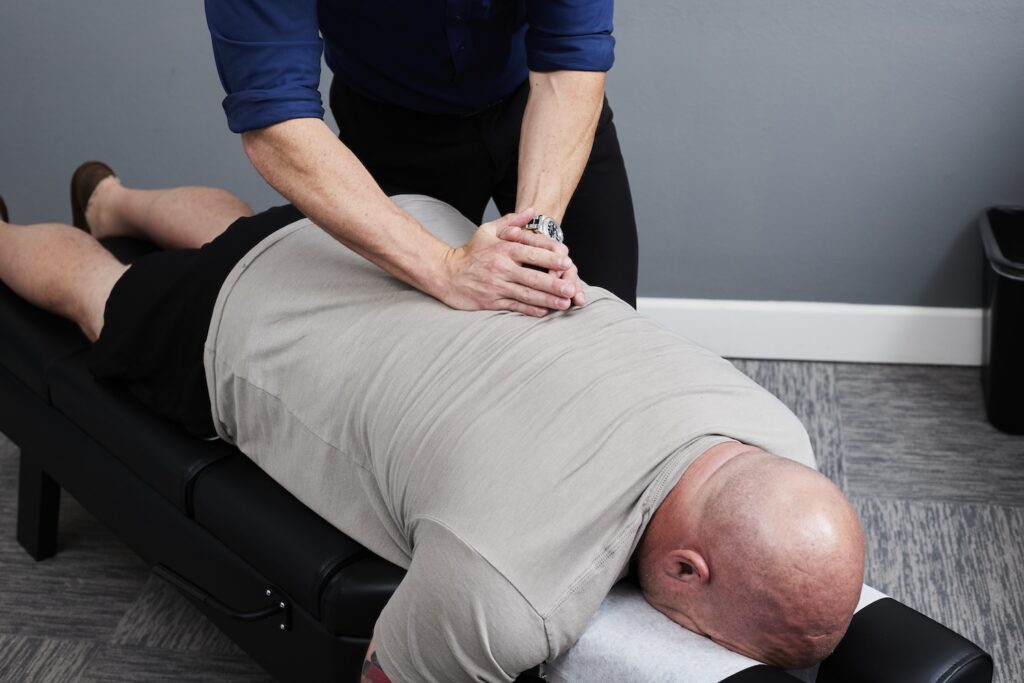
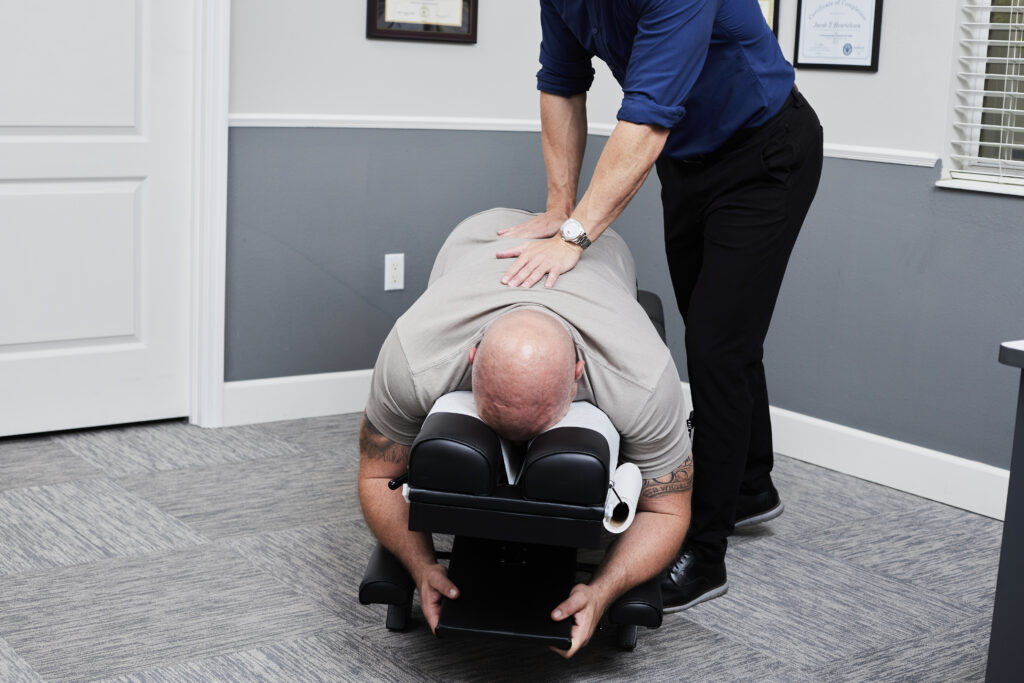
Through gentle adjustments and tailored treatment plans, we can work together to alleviate pain and promote a healthier pregnancy for both you and your baby.
I encourage you to reach out and explore how natural healing methods can support your journey to comfort and wellness during this special time.
Importance of Medical Guidance
Navigating the difficulties of prenatal back pain can be quite daunting, which is why seeking medical guidance, particularly in the realm of chiropractic care, is essential.
As a local chiropractor, I want to emphasize the benefits of consulting with a professional who specializes in natural healing methods tailored to your unique circumstances. Here's why prioritizing chiropractic care during this time is important:
- Customized Care Plans: As a chiropractor, I can evaluate your specific symptoms and create a personalized treatment plan that includes gentle adjustments, exercises, and stretches designed to alleviate your discomfort and support your overall well-being during pregnancy.
- Safe and Natural Remedies: Many treatments may not be suitable during pregnancy, and I can guide you in identifying safe, natural methods to manage pain without jeopardizing your health or that of your baby. Chiropractic care focuses on non-invasive techniques that promote healing.
- Ongoing Support and Monitoring: Regular visits to my practice will allow us to monitor your progress closely. This ensures that we can adapt your treatment as needed, helping you stay comfortable and healthy throughout your pregnancy.
I encourage you to openly discuss your concerns and symptoms with me. Together, we can explore effective strategies to ease your discomfort while prioritizing both your health and that of your baby.
Identifying Underlying Conditions
As a local chiropractor, I want to help you understand the root causes of prenatal back pain and how chiropractic care can play a role in your relief.
It's crucial to address any discomfort you may be experiencing, and seeking guidance from a healthcare professional, such as a chiropractor, can be a great first step. We specialize in identifying underlying conditions that could be contributing to your pain, such as pelvic girdle pain, sciatica, or postural changes that occur during pregnancy.
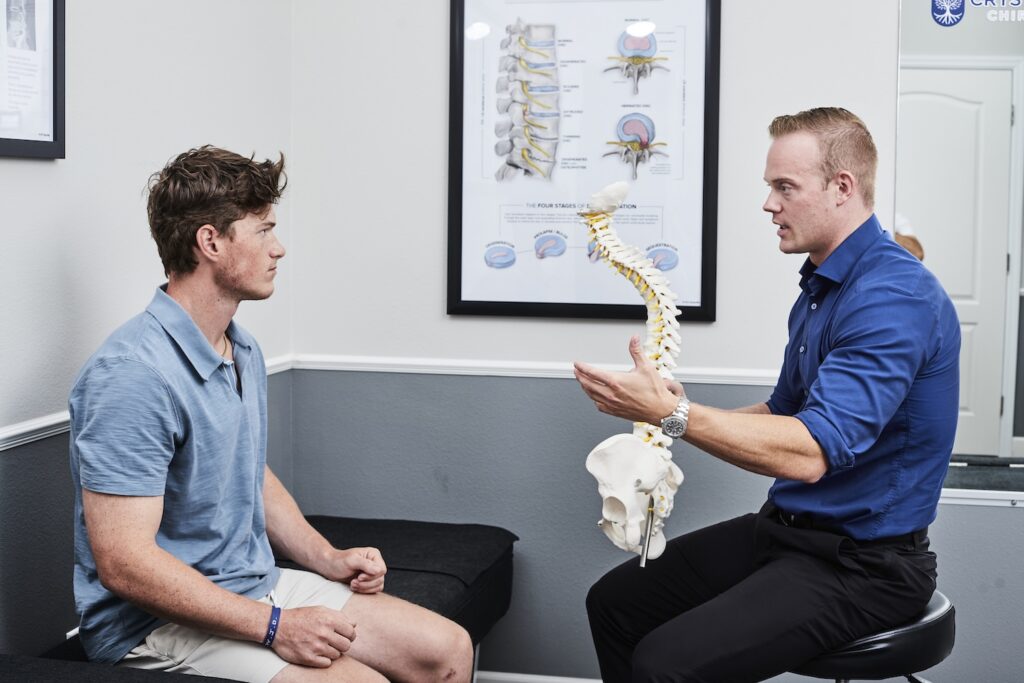
When you visit our clinic, I encourage you to share your symptoms in detail. Let's know when the pain began, how intense it is, and what activities seem to aggravate it. This information is invaluable in helping us accurately assess your situation and determine a tailored treatment plan.
In some cases, we may recommend specific physical examinations to rule out more serious conditions and to ensure that we address the root cause of your discomfort effectively.
Don't hesitate to ask any questions regarding your diagnosis and treatment options—we're here to support you on your journey to relief.
Understanding what's causing your pain not only helps ease anxiety but also empowers you to take proactive steps towards your well-being.
Personalized Treatment Plans
As a local chiropractor, I understand that many expectant mothers may experience prenatal back pain, and I'm here to help you navigate this discomfort naturally.
Once we've identified any underlying conditions contributing to your pain, the next step is to create a personalized treatment plan that suits your unique needs. Consulting with a chiropractor can be incredibly beneficial, as we can assess your situation and recommend effective, non-invasive treatment options.
Here are three key components to consider incorporating into your plan:
- Chiropractic Adjustments: Regular adjustments can help align your spine and pelvis, relieving tension in your back and promoting proper posture. This can lead to improved comfort and mobility throughout your pregnancy.
- Natural Pain Relief Techniques: I may suggest therapies such as gentle stretching, massage, or even the use of heat therapy to help ease your discomfort. These methods can assist in reducing pain without the need for medication.
- Ergonomic Lifestyle Changes: Making simple adjustments to your daily routine can have a significant impact on your back health. Consider optimizing your sleeping position, using supportive pillows, and learning proper lifting techniques to minimize strain on your back.
Conclusion
As a local chiropractor, I want to share some effective strategies to help you alleviate prenatal back pain and enhance your comfort throughout your pregnancy. It's essential to focus on maintaining good posture, which can significantly reduce strain on your back. Staying active with gentle exercises can also be beneficial; activities like walking or prenatal yoga can help strengthen your muscles and improve flexibility.
Incorporating supportive tools into your daily routine can make a world of difference. Consider using pillows for additional support while sitting or sleeping, and make sure you're wearing comfortable footwear that provides proper support for your feet.
Listening to your body is crucial; if you're experiencing discomfort, applying heat or cold therapy can provide immediate relief. Lastly, I encourage you to consult with a healthcare professional, such as a chiropractor, who can offer personalized advice tailored to your specific needs.
Taking these steps can greatly enhance your overall well-being during this special time. Remember, you don't have to navigate this journey alone—support is available to help you feel your best!