
When you're pushing your limits as an athlete, recovery isn't just essential—it's a game changer. Chiropractors offer targeted support that can enhance your performance and reduce downtime. From spinal adjustments to personalized exercise plans, their methods address various aspects of recovery that you might not have considered. You might be surprised at how these techniques can transform your approach to training and injury prevention. Curious about the specific ways they contribute to your recovery journey? Let's explore the top strategies that can keep you at peak performance.
Spinal Adjustments
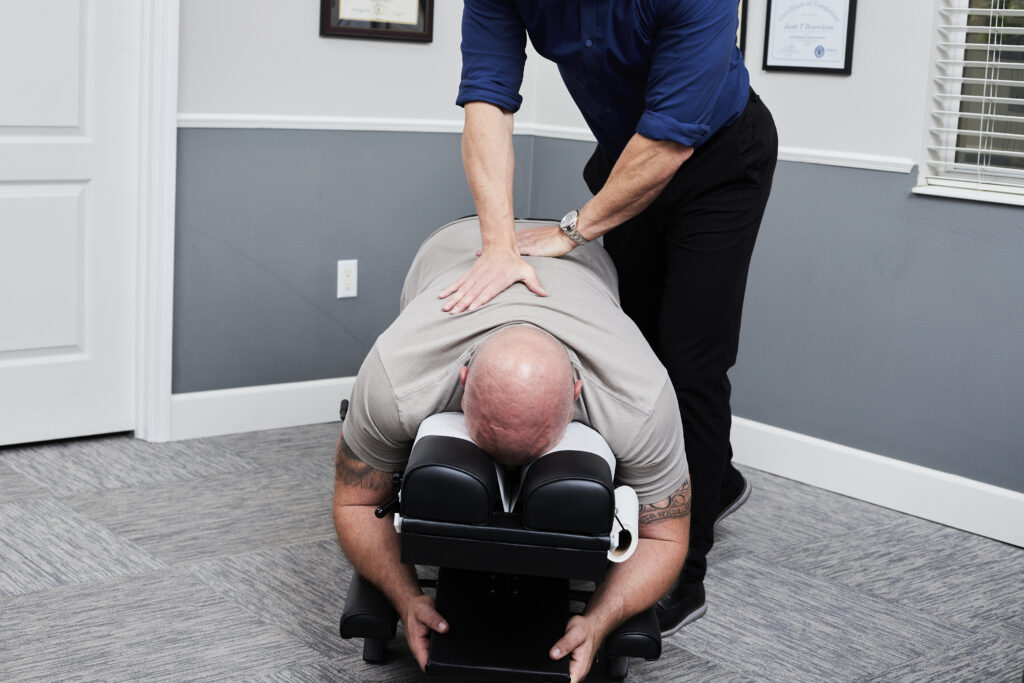
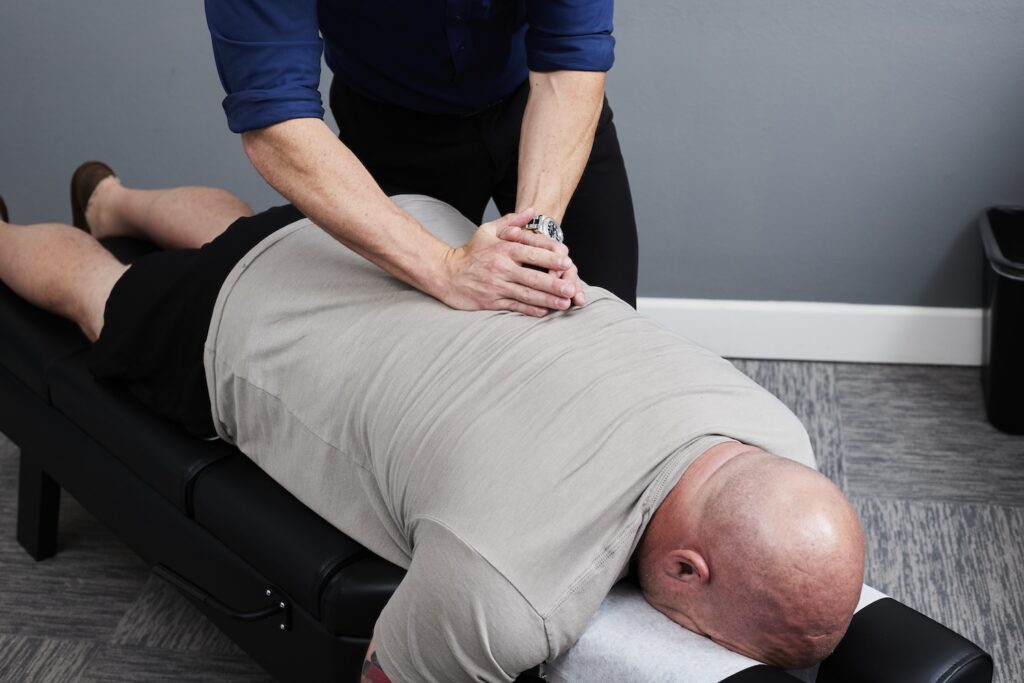
When you think about athletic recovery, spinal adjustments often take center stage. They play an essential role in maintaining your body's overall performance and health. By realigning your spine, these adjustments help alleviate pain, improve mobility, and enhance your body's ability to recover from intense physical activity.
During a spinal adjustment, a chiropractor uses specific techniques to manipulate your vertebrae back into their proper positions. This realignment can relieve pressure on nerves, reduce inflammation, and restore ideal function to your muscles and joints. If you've ever experienced stiffness or discomfort after a workout, you know how frustrating it can be.
Regular spinal adjustments can help address these issues, allowing you to bounce back faster and get back to your training routine.
Moreover, spinal adjustments can enhance your athletic performance. By ensuring your spine is properly aligned, you improve your body's biomechanics. This means better posture, increased flexibility, and more efficient movement.
You'll find that with regular adjustments, your range of motion increases, which can lead to improved strength and endurance in your athletic pursuits.
Incorporating spinal adjustments into your recovery routine isn't just about addressing existing issues; it's also a proactive approach to maintaining your body's health. By prioritizing these adjustments, you can stay ahead of potential injuries and keep your body functioning at its best.
Soft Tissue Therapy
While spinal adjustments focus on aligning your spine for peak function, soft tissue therapy addresses the muscles, tendons, and ligaments that support your athletic performance. This therapy plays an essential role in your recovery process by targeting the soft tissues that often endure strain during intense training and competition.
Soft tissue therapy involves techniques like myofascial release, trigger point therapy, and deep tissue massage, all aimed at relieving tension and promoting blood circulation. These methods help reduce muscle soreness, improve flexibility, and enhance your overall range of motion. When your muscles are relaxed and functioning well, you're less likely to suffer from injuries, which can sideline your training.
Additionally, soft tissue therapy aids in the recovery of existing injuries. By breaking down scar tissue and promoting healing, it enables your body to recover more efficiently. You'll find that a combination of soft tissue therapy and spinal adjustments can create a more balanced musculoskeletal system, allowing you to perform at your best.
Regular sessions can also help you stay in tune with your body. You'll become more aware of areas that may need attention, whether it's tight hamstrings or overworked shoulders. This proactive approach can lead to longer-lasting performance improvements.
Incorporating soft tissue therapy into your recovery plan not only enhances your athletic performance but also contributes to your overall well-being. By prioritizing this aspect of your recovery, you're investing in your long-term success as an athlete.
Personalized Exercise Plans
When it comes to athletic recovery, personalized exercise plans are key to your success.
These tailored training regimens not only enhance your performance but also incorporate injury prevention strategies that keep you on track.
Tailored Training Regimens
Chiropractors understand that each athlete's body is unique, which is why tailored training regimens are vital for ideal recovery and performance. By evaluating your specific needs, strengths, and weaknesses, chiropractors develop personalized plans that target your individual goals. This approach not only enhances recovery but also boosts your overall athletic performance.
When you follow a tailored training regimen, you're less likely to overexert yourself, as the plan is designed to match your current fitness level. Chiropractors often incorporate a combination of strength training, flexibility exercises, and cardiovascular workouts, ensuring a well-rounded routine that promotes recovery.
They focus on areas needing improvement, so you can address any imbalances that could hinder your progress. Moreover, these personalized plans allow for adjustments based on your recovery status. If you're feeling fatigued or experiencing discomfort, chiropractors can modify your regimen to prevent further injury.
This adaptability is essential for maintaining your fitness journey while aiding in recovery.
#
Injury Prevention Strategies
How can personalized exercise plans effectively prevent injuries in athletes? By tailoring workouts to your specific needs, strengths, and weaknesses, chiropractors help you build a solid foundation that minimizes injury risks. They assess your biomechanics, movement patterns, and fitness level to design a program that targets your unique challenges.
When you follow a personalized exercise plan, you're less likely to overexert yourself or engage in movements that could lead to injury. These plans often include strength training, flexibility exercises, and functional movements that enhance your overall athletic performance while keeping your body balanced. By addressing your individual imbalances, you can strengthen weak areas and improve stability, reducing the likelihood of strains or sprains.
Additionally, chiropractors can integrate injury prevention techniques, such as proper warm-ups and cool-downs, into your routine. They'll emphasize the importance of listening to your body and adjusting your training intensity as needed.
This proactive approach not only helps you avoid injuries but also enhances your recovery process, allowing you to train more effectively. Ultimately, investing in a personalized exercise plan guarantees you stay in the game longer and perform at your best.
## Injury Prevention Strategies
Injury prevention strategies are essential for athletes aiming to maintain peak performance and reduce downtime. As an athlete, you know that even minor injuries can set you back considerably. Implementing effective strategies can help you stay on track and perform at your best.
One key strategy is to prioritize proper warm-ups and cool-downs. Engaging in dynamic stretches before your activity increases blood flow to your muscles, reducing the risk of strains. Similarly, cooling down with static stretches helps maintain flexibility and aids in recovery.
Another critical aspect is strength training. By incorporating exercises that target your core, legs, and upper body, you can build stability and support. Strong muscles can better absorb impact and protect your joints during high-intensity activities.
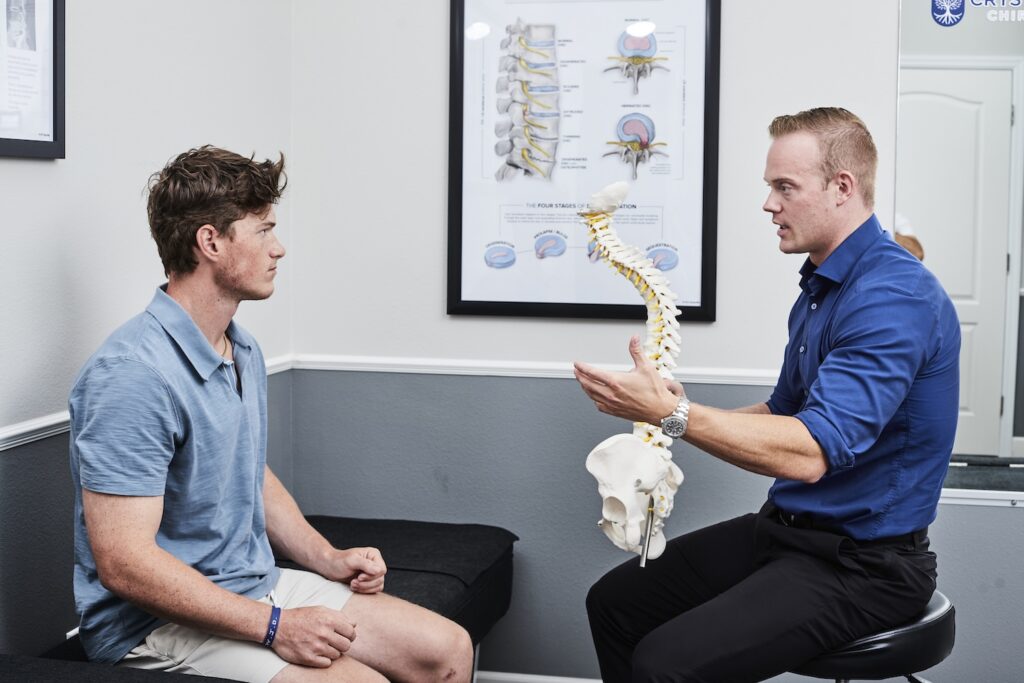
You should also pay attention to your body's biomechanics. A chiropractor can assess your movement patterns to identify any imbalances or weaknesses. Correcting these issues can considerably lower your injury risk.
Rest and recovery are just as important. Overtraining can lead to fatigue and increase your chances of injury. Make sure to incorporate rest days into your training schedule and listen to your body when it signals the need for a break.
Finally, consider utilizing supportive gear, like braces or proper footwear, tailored to your sport. These can provide extra stability and protection during physical activity.
Enhanced Range of Motion
A greater range of motion can considerably enhance your athletic performance and overall well-being. When you can move freely, you'll find it easier to execute complex movements and maintain proper form during activities. This not only boosts your efficiency but also reduces the risk of injury. Chiropractors play an essential role in helping you achieve this enhanced mobility.
Chiropractic care focuses on aligning your spine and joints, which can alleviate restrictions that limit your movement. By addressing these misalignments, chiropractors help restore your body's natural biomechanics. You're likely to notice improvements in flexibility, strength, and endurance as your range of motion increases.
During your sessions, chiropractors may use techniques such as spinal adjustments, soft tissue therapy, and stretching exercises. These methods target tight muscles and connective tissues, allowing you to move more freely and comfortably. The result? You'll find it easier to engage in your favorite sports or workouts without feeling restricted.
Incorporating chiropractic care into your recovery plan not only helps you regain lost range of motion but also supports your long-term athletic goals. You'll discover that improved mobility translates to better performance, enabling you to push your limits and reach new personal bests.
Regular chiropractic visits can help maintain this enhanced range of motion, ensuring that you remain agile and resilient in your athletic pursuits. So, if you're serious about optimizing your performance, consider making chiropractic care a key component of your recovery strategy.
Pain Management Techniques
When it comes to managing pain effectively, chiropractors employ a variety of techniques tailored to your specific needs. These methods focus on alleviating discomfort and promoting faster recovery, especially for athletes.
One of the most common techniques is spinal manipulation, where chiropractors adjust your spine to restore proper alignment and reduce nerve irritation. This can lead to immediate pain relief and improved mobility.
Another technique is soft tissue therapy, which targets muscles, tendons, and ligaments. Your chiropractor may use massage, myofascial release, or trigger point therapy to relieve tension and enhance blood flow to the affected areas. This not only helps in reducing pain but also aids in healing.
Chiropractors also utilize modalities like ultrasound therapy and electrical stimulation. These therapies can help decrease inflammation and promote tissue repair. Ultrasound uses sound waves to penetrate deep tissues, while electrical stimulation can interrupt pain signals and encourage muscle contraction.
Additionally, your chiropractor may guide you in developing a personalized exercise regimen. Strengthening and stretching exercises can help stabilize your body and prevent future injuries, ultimately leading to better pain management.
Finally, education plays an essential role. Your chiropractor can provide insights into body mechanics and posture adjustments to minimize strain during daily activities or athletic performance.
Nutritional Guidance
When it comes to enhancing your athletic recovery, nutrition plays an essential role.
You need to take into account dietary supplements that can boost your performance and explore effective hydration strategies.
Dietary Supplements and Performance
Optimizing athletic performance often involves more than just training and recovery; dietary supplements can play an essential role in enhancing your results. By incorporating the right supplements, you can fill nutritional gaps, boost energy levels, and support muscle recovery.
Protein supplements, for instance, can help you meet your daily protein needs, vital for muscle repair and growth. Creatine is another popular choice, known for improving strength and enhancing high-intensity performance. If endurance is your focus, consider branched-chain amino acids (BCAAs), which can reduce muscle soreness and fatigue.
Vitamins and minerals are significant too. Vitamin D supports bone health and immune function, while magnesium can help reduce cramps and improve sleep quality. Omega-3 fatty acids are also beneficial for reducing inflammation and promoting joint health.
Before starting any supplement regimen, it's wise to consult with a healthcare professional or a chiropractor who specializes in sports nutrition. They can help you determine which supplements align best with your specific goals and needs.
Hydration and Recovery Strategies
Proper hydration is essential for ideal recovery and overall athletic performance. When you engage in intense training or competition, your body loses fluids through sweat, which can lead to dehydration if not addressed. Dehydration can hinder your performance, slow recovery, and even increase the risk of injury.
To optimize hydration, start by drinking water consistently throughout the day, not just during workouts. Aim for at least half your body weight in ounces of water daily. For intense sessions lasting over an hour, consider electrolyte-rich drinks to replenish lost minerals and maintain fluid balance.
After your workout, rehydrate with fluids and include foods that have high water content, like fruits and vegetables. Coconut water and smoothies can also be great options post-exercise.
Listen to your body; thirst is a sign you need more fluids. Keep track of your hydration levels by monitoring the color of your urine; pale yellow indicates proper hydration, while dark yellow signals the need for more fluids.
Incorporating effective hydration strategies can greatly enhance your recovery and performance, allowing you to train harder and compete better.
Conclusion
Incorporating chiropractic care into your athletic routine can greatly boost your recovery and performance. With spinal adjustments, soft tissue therapy, and tailored exercise plans, you'll enhance your mobility and prevent injuries. Plus, the right pain management techniques and nutritional guidance can keep you feeling your best. By prioritizing these strategies, you'll not only recover faster but also elevate your overall athletic potential. Trust your chiropractor to help you achieve your fitness goals effectively.