
If you're experiencing a neck injury, it's crucial to explore effective relief techniques that can support your recovery and promote your overall well-being. As a chiropractor, I often recommend gentle stretching exercises and heat therapy, as these can significantly improve your comfort levels. However, you might be wondering how cold therapy or massage techniques fit into the picture. Each method offers unique benefits, and understanding how to incorporate them into your routine could be the key to long-lasting relief. Let's delve into these techniques together and find the best approach tailored for your needs.
Gentle Stretching Exercises
As a local chiropractor, I want to share with you how gentle stretching exercises can be a highly effective way to alleviate neck pain and enhance your mobility. Integrating stretching into your daily routine not only helps to reduce muscle tension but also increases blood circulation to the areas that may be affected. This approach can significantly improve your overall comfort and ease of movement, particularly if you're recovering from a neck injury.
Let's start with some basic side-to-side neck stretches. Whether you're sitting or standing, maintain a tall posture with relaxed shoulders. Slowly tilt your head towards your right shoulder, and you should feel a gentle stretch along the left side of your neck. Hold this position for about 15-30 seconds, then switch to the other side. Repeat this a few times—this can be an excellent way to loosen any tightness in your muscles.
Next, I recommend trying forward and backward neck stretches. Begin by gently lowering your chin toward your chest, holding this position for 15-30 seconds. You should feel a nice stretch along the back of your neck. After this, slowly raise your head and lean it back to look up at the ceiling for another 15-30 seconds. This exercise can be particularly beneficial for counteracting the negative effects of poor posture and forward head positioning that many people experience.
Shoulder rolls are another fantastic exercise to incorporate! Simply lift your shoulders towards your ears, then roll them back and down in a circular motion. This simple action can help relieve tension not only in your neck but also in your upper back, contributing to a more balanced and relaxed state.
As you perform these stretches, I encourage you to breathe deeply and mindfully. You're not just alleviating pain; you're actively promoting healing and flexibility within your body. By incorporating these gentle stretching exercises into your everyday routine, you can enjoy lasting relief from neck discomfort and support your overall well-being.
Heat Therapy
As a local chiropractor, I want to share with you the remarkable benefits of heat therapy for alleviating neck pain and tension. Many of my patients have found that incorporating heat into their care routine can significantly enhance their healing process.
There are several techniques for applying heat, tailored to your individual needs, and I encourage you to explore these options.
Understanding how heat works to relieve discomfort is crucial. When applied to the neck, heat increases blood flow, relaxes tight muscles, and helps reduce stiffness.
However, it's important to be aware of any precautions when using heat therapy. For instance, avoid applying heat directly to an injury or if you have certain medical conditions.
Let's discuss how heat can be a key part of your journey toward relief and wellness. By integrating this simple yet effective method into your self-care routine, you can take meaningful steps toward better neck health.
Benefits of Heat Therapy
As a local chiropractor, I want to share the significant benefits of heat therapy, especially for those dealing with neck injuries.
Applying heat can be a game-changer when it comes to relieving discomfort. It works by soothing tight muscles and improving blood circulation in the affected area. When you apply heat, it increases blood flow, allowing essential nutrients and oxygen to reach the injured tissues, which is crucial for healing.
Additionally, heat helps to relax tense muscles, reducing stiffness and discomfort that often accompany neck issues.
Managing pain becomes much more effective with heat therapy. The warmth encourages your body to release endorphins, which are natural painkillers. This can greatly enhance your overall comfort during the recovery process.
Moreover, heat therapy is beneficial for improving your range of motion, enabling you to move your neck more freely and with less pain.
Beyond the physical advantages, heat therapy also offers psychological benefits. The soothing sensation can create a calming effect, helping to alleviate stress and anxiety that frequently accompany injuries.
By incorporating heat therapy into your healing routine, you're not just addressing physical discomfort; you're also nurturing your mental well-being.
If you're curious about how heat therapy can fit into your recovery plan, feel free to reach out! I'm here to help you understand the natural healing options available through chiropractic care.
Application Techniques Explained
As a local chiropractor, I want to share with you some effective techniques for applying heat therapy that can significantly aid in relieving neck injuries.
First, it's important to choose the right heat source that suits your comfort. Common options include heating pads, hot water bottles, or even a warm towel. Just ensure that whatever you choose is comfortable and not too hot to prevent any burns.
Next, create a peaceful environment in which you can relax. Whether you prefer lying down or sitting in a supportive chair, the key is to be in a position that feels comfortable. Place the heat source on your neck for about 15 to 20 minutes. This duration is crucial as it allows your muscles to relax and enhances blood circulation to the affected area, promoting healing.
I also encourage you to try moist heat, as it can penetrate deeper into your tissues for more effective relief. You can easily achieve this by dampening a towel and heating it in the microwave for a few seconds. Just be sure to check that it's warm and not scalding before applying it to your neck.
If you're looking for longer-lasting relief, consider using a heat wrap that you can wear throughout the day. However, it's important to take breaks if you're using heat for extended periods to prevent any potential discomfort.
Precautions to Consider
As a local chiropractor dedicated to helping you navigate your recovery, I want to emphasize the importance of using heat therapy safely when addressing neck injuries.
While heat can be a wonderful tool for relief, there are some crucial precautions to keep in mind to ensure you use it effectively and safely. Here are some key tips to consider:
- Check the Temperature: Before applying any heat source to your neck, make sure to test it first. This simple step can help you avoid burns and ensure comfort.
- Limit Duration: To prevent overheating and skin irritation, it's best to use heat therapy in intervals of no more than 20 minutes at a time. This will allow your body to benefit from the warmth without any adverse effects.
- Monitor Your Skin: While using heat therapy, keep an eye on your skin for any signs of redness or discomfort. If you notice anything unusual, remove the heat source immediately.
- Avoid on Acute Injuries: If your neck injury is recent, or if there's noticeable swelling, heat may not be the best option. In these cases, ice can be more beneficial for reducing inflammation and numbing pain.
- Consult a Professional: If you have existing health conditions or concerns, please reach out to me or another healthcare provider before starting heat therapy. It's essential to ensure that this method aligns with your overall health plan.
By following these recommendations, you can maximize the benefits of heat therapy while minimizing any risks.
Cold Therapy
As a local chiropractor, I want to share the benefits of cold therapy for managing neck pain and swelling after an injury.
Utilizing cold therapy is an effective method to alleviate discomfort and reduce inflammation. While using an ice pack is a common practice, it's essential to understand the correct duration and frequency of application to maximize your relief.
To get the best results, I recommend applying the ice pack for 15-20 minutes at a time, ensuring that there's a cloth barrier between the ice and your skin to prevent frostbite. You can repeat this every 1-2 hours as needed.
This technique not only numbs the area but also constricts blood vessels, which helps to minimize swelling.
Incorporating cold therapy into your recovery routine can be a valuable step towards healing.
If you're unsure about how to integrate this into your care plan or have any questions about your neck pain, I encourage you to reach out. Together, we can explore natural healing methods tailored to your needs.
Ice Pack Application
As a chiropractor, I often encounter patients seeking relief from neck pain, and one of the simplest yet most effective methods I recommend is using an ice pack. Cold therapy is a fantastic way to reduce inflammation and numb the painful area, offering quick relief from discomfort.
Let me guide you on how to make the most of your ice pack application:
- First, always wrap your ice pack in a clean cloth or towel. This helps protect your skin from direct contact, which can prevent any potential damage.
- Next, place the wrapped ice pack directly on the area that's causing you pain. This targeted approach will maximize the benefits of the cold therapy.
- Keep an ice pack easily accessible during acute episodes of pain. Having it on hand can be a game-changer when discomfort strikes.
- After you've applied the ice and it has had some time to work, consider incorporating gentle neck stretches. This can aid in further relieving tension and promoting healing.
- It's essential to monitor your skin during ice application to avoid frostbite; safety should always come first.
For optimal results, aim to apply the ice pack for about 15-20 minutes at a time. Many of my patients notice a significant reduction in both swelling and pain with this approach.
Cold therapy is particularly beneficial immediately after an injury or during flare-ups of discomfort. Remember, consistency is vital! With regular application, you can help your neck heal and return to your daily activities more comfortably.
Duration and Frequency
As a local chiropractor, I want to share some important information about using cold therapy for neck pain. It's crucial to know when and how often to apply this technique for the best results.
First and foremost, cold therapy is most effective when used within the first 48 hours following a neck injury or during episodes of acute pain. This is because inflammation tends to peak during this time, and applying cold can significantly help reduce swelling and numb the affected area.
When you use cold therapy, aim for 15 to 20 minutes per session. Always remember to place a cloth or towel between the ice pack and your skin to protect against frostbite. After a session, wait at least 1 to 2 hours before reapplying to give your skin a chance to return to its normal temperature.
For those dealing with chronic neck pain, incorporating cold therapy a few times a day can be beneficial, especially after activities that make your discomfort worse.
It's essential to listen to your body. If you notice an increase in stiffness or pain, you may need to adjust how often or how long you apply cold therapy.
While this method isn't a permanent fix, it can provide significant relief when used appropriately.
If you have any questions about your specific situation or if your symptoms continue, please don't hesitate to reach out. Your neck and overall health deserve the best care possible!
Massage Techniques
As a local chiropractor, I often see patients dealing with neck pain, and I want to share how massage techniques can play a vital role in your recovery and overall well-being.
Whether you're experiencing tension, stiffness, or discomfort, targeted massage can significantly enhance your healing process. Here are several effective techniques to consider:
- Swedish Massage: This gentle technique utilizes long, flowing strokes and kneading motions to improve blood circulation and help relax tight muscles. It's a great way to ease stress and promote relaxation.
- Deep Tissue Massage: For those dealing with chronic pain, deep tissue massage focuses on the deeper layers of muscles and connective tissue. It targets specific knots and areas of tension, helping to relieve long-standing discomfort.
- Trigger Point Therapy: This method involves applying pressure to specific points in the muscles. By doing so, you can effectively release muscle tightness and alleviate referred pain that may be felt elsewhere in the body.
- Myofascial Release: This gentle technique involves stretching and applying pressure to the fascial tissues that surround your muscles. It can help release tension and improve your overall range of motion.
- Self-Massage: I encourage patients to explore self-massage techniques using your fingers, a massage ball, or a foam roller. Applying pressure to sore spots in your neck can provide immediate relief and help you manage discomfort at home.
When practicing any of these techniques, it's essential to focus on your breathing. Inhale deeply and exhale slowly as you apply pressure; this can help your muscles relax and enhance the effectiveness of the massage.
Additionally, using oils or creams can improve your experience by reducing friction during the massage.
If you're unsure about how to perform self-massage or if your neck pain persists, I recommend consulting with a professional massage therapist. They can customize a session to meet your specific needs and provide targeted relief.
Incorporating these massage techniques into your routine can be a valuable part of your neck injury recovery journey, and I'm here to support you every step of the way toward natural healing and improved health.
Posture Correction
As a local chiropractor, I want to share some insights on how posture plays a crucial role in neck health. Many of my patients come in seeking relief from neck pain, and while massage techniques can be incredibly beneficial, addressing your posture is essential for achieving long-term relief and preventing future issues.
Poor posture can place significant strain on the muscles in your neck, leading to discomfort that can become chronic if not addressed. I encourage you to take a moment to evaluate your daily habits. Are you often hunched over your phone or leaning forward while working at your computer? These common behaviors can create unnecessary tension in your neck.
To start improving your posture, it's important to be mindful of how you sit and stand throughout the day. Make sure your shoulders are relaxed and drawn back, keeping your ears aligned with your shoulders.
When seated, keep your feet flat on the floor and your knees bent at a right angle. Investing in an ergonomic chair that supports your spine can be a great step towards better posture.
When using electronic devices, try to hold them at eye level to avoid tilting your head downwards. Remember to take frequent breaks to stretch and move about, especially if you find yourself sitting for long periods. Simple neck stretches can work wonders; gently tilting your head from side to side and forward and backward can help relieve tightness.
Additionally, I recommend incorporating exercises that strengthen your core and upper back into your routine. A strong core provides a solid foundation that supports better posture, ultimately reducing strain on your neck.
By consciously making these adjustments in your daily life, you can alleviate pressure on your neck and promote overall well-being. This not only enhances your quality of life but also reduces the risk of future injuries.
If you have any questions about how chiropractic care can further aid in improving your posture and overall health, don't hesitate to reach out. Your journey to better neck health starts with understanding the importance of posture!
Physical Therapy
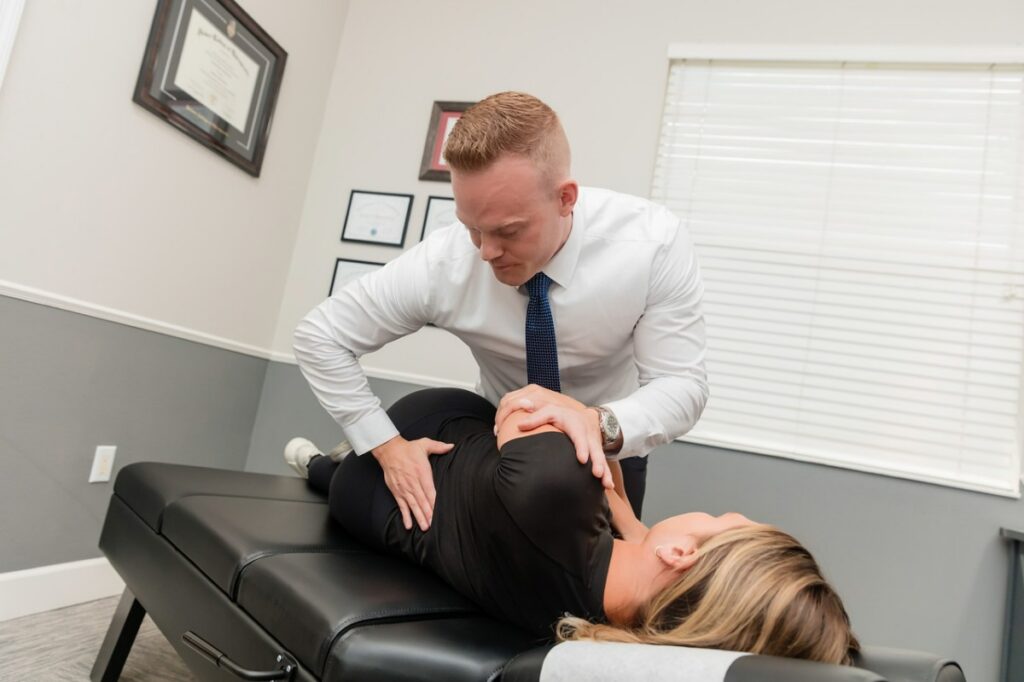
If you're experiencing neck injuries or discomfort, chiropractic care can be an incredibly effective approach to healing. We focus on restoring proper function and alignment to the spine and surrounding muscles, which plays a crucial role in your overall health.
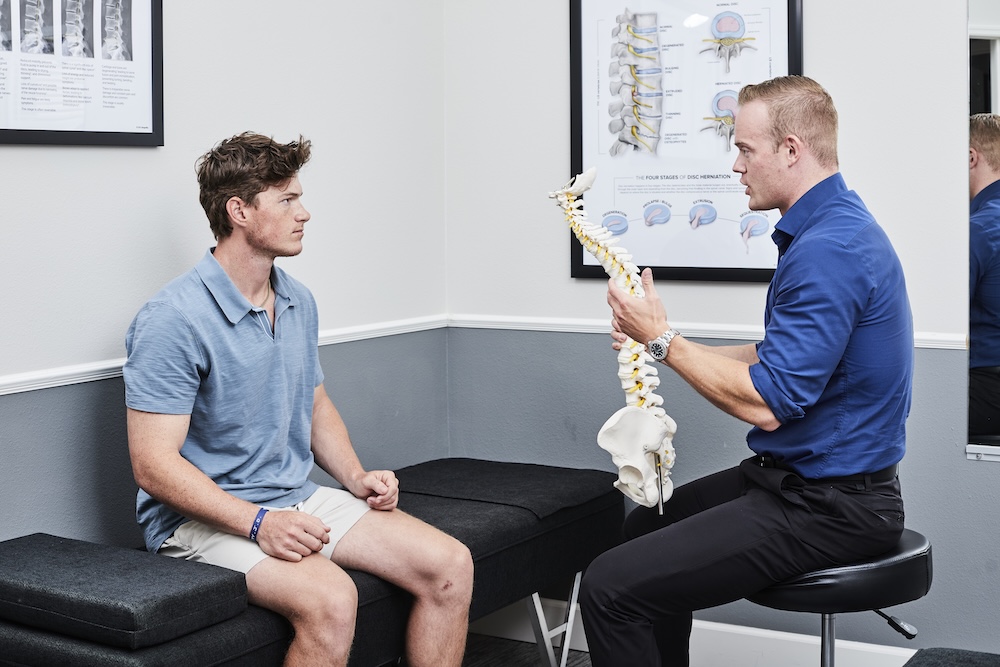
A licensed chiropractor will evaluate your specific condition and develop a personalized plan tailored to your needs. Here are some of the benefits you can anticipate from chiropractic care:
- Pain Relief: Through spinal adjustments and other manual techniques, we can help alleviate pain and reduce tension in the neck.
- Strengthening Exercises: We often incorporate exercises that target the neck and shoulder areas to help build strength and support recovery.
- Enhanced Mobility: Our techniques, including gentle stretching and mobilization, can improve flexibility and increase your range of motion.
- Posture Education: We emphasize the importance of good posture and ergonomics to prevent future injuries and ensure long-term comfort.
- Self-Care Strategies: You'll learn valuable self-care techniques that empower you to manage your condition at home and continue your healing journey.
During your visits, we may utilize various methods such as spinal adjustments, therapeutic exercises, or modalities like electrical stimulation to promote healing.
Staying consistent with your appointments and practicing the recommended exercises at home will significantly influence your recovery process. Our goal is to help you achieve optimal health through natural healing methods.
Alternative Therapies
As a local chiropractor, I want to share some valuable insights on how alternative therapies can significantly enhance your recovery from neck injuries. While chiropractic care is a cornerstone of your healing process, exploring these complementary therapies can help you alleviate pain and regain mobility more effectively.
One effective alternative therapy I recommend is acupuncture. This ancient practice involves the insertion of thin needles at specific points in your body to promote natural healing and reduce inflammation. Many of my patients have reported significant relief from neck pain after just a few acupuncture sessions, so it's definitely worth considering as part of your recovery plan.
Massage therapy is another excellent option. It works wonders in releasing tension from your neck and shoulders, improving circulation, and fostering relaxation. Whether you prefer a deep tissue massage or a gentler approach, working with the right therapist can greatly enhance your healing journey.
Incorporating yoga into your routine is also beneficial. This practice not only boosts flexibility but also strengthens the muscles surrounding your neck. Additionally, the focus on breath and mindfulness in yoga can help reduce stress, which is often a contributing factor to neck pain.
Finally, I encourage you to explore herbal remedies and supplements like turmeric or omega-3 fatty acids. These natural anti-inflammatories can assist in reducing pain and swelling, smoothing the path to recovery.
Conclusion
As a local chiropractor, I want to share with you seven effective techniques that can significantly aid in your recovery from neck injuries. Many people are unaware of the benefits of chiropractic care and natural healing, but by incorporating these methods, you can experience relief and improve your overall neck health.
First and foremost, gentle stretching is crucial. It helps to alleviate tightness and promotes mobility in your neck. Alongside stretching, applying heat or cold can work wonders—heat relaxes muscles, while cold can reduce inflammation and numb pain.
Massage therapy is another excellent option. It can help relieve tension and promote circulation, which is essential for healing. Additionally, chiropractic adjustments can realign the spine and improve nervous system function, leading to a better recovery process.
Don't underestimate the importance of maintaining good posture. Being mindful of how you sit and stand can reduce strain on your neck. I also recommend exploring physical therapy or alternative therapies that resonate with you; they can provide additional support on your healing journey.
Taking proactive steps today will not only help you recover from your current neck issues but will also contribute to better neck health in the future. I encourage you to start implementing these techniques, and you'll likely feel a notable improvement in no time! Remember, your journey to better health is just beginning—let's work together to achieve it!