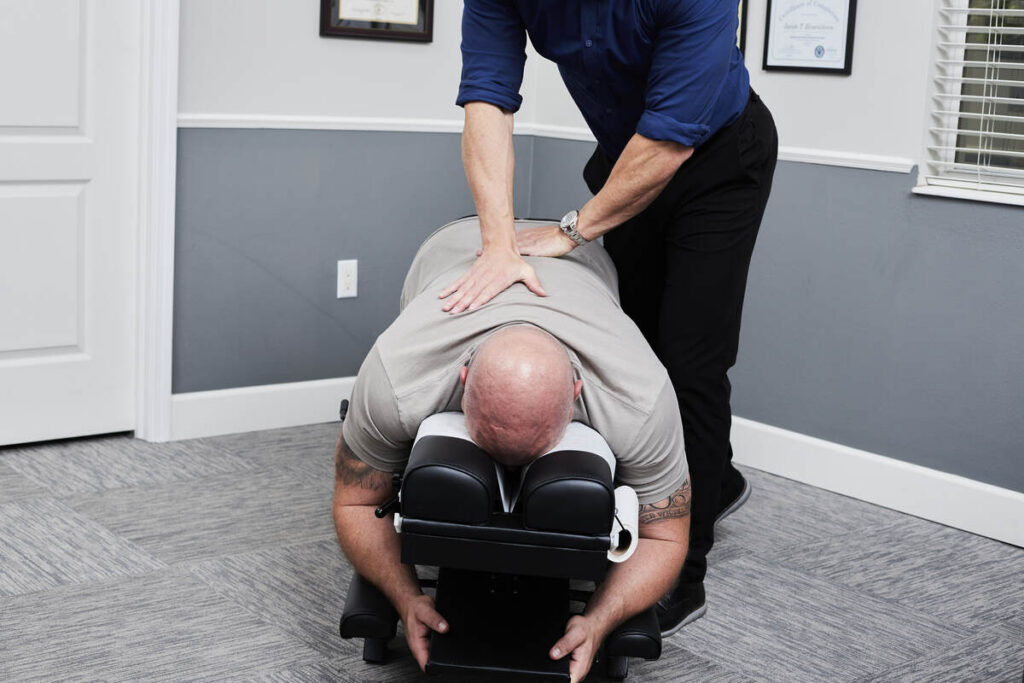

As your local chiropractor, I want to emphasize just how significant your posture is to your overall health. You may not be aware, but even minor adjustments in your posture can lead to remarkable improvements in your well-being. The first step is to evaluate your current alignment and become more conscious of how you carry yourself throughout your daily activities.
Strengthening your core muscles is crucial, but that's only part of the equation. It's also important to assess your workspace and ensure it supports healthy posture. As we delve into practical steps for improving your posture, I assure you that these changes are more achievable than you might think. By embracing these adjustments, you'll not only enhance your posture but also uncover the unexpected health benefits that come with it. Let's work together to help you feel your best!
Assess Your Current Posture
As a local chiropractor, I want to help you understand the importance of assessing your posture for your overall health and well-being. The first step in correcting your posture is to evaluate how you currently stand. I recommend standing against a wall with your heels about an inch away from it. Make sure your shoulder blades are in contact with the wall, and your head rests comfortably against it without any strain.
Take a moment to observe your body's alignment. Are your ears aligned with your shoulders? Is your lower back touching the wall? This initial position will serve as your reference point for improvement.
Next, let's examine your sitting posture, which is crucial in our daily lives. Sit in a chair with your feet flat on the ground, ensuring your knees form a right angle and your back remains straight. If you notice that your back rounds or you tend to slouch, it's a clear indication that your posture needs some attention.
It's also beneficial to observe how you carry yourself during everyday activities, such as working at a desk or using your phone. Are you leaning forward or craning your neck? These habits can significantly impact your posture over time.
I also encourage you to check your posture while walking. As you move, keep your head held high, shoulders back, and arms relaxed at your sides. Walk with intention and avoid hunching over.
By regularly evaluating your posture in various situations, you'll become more aware of your body's alignment. This awareness is the first step toward making the necessary adjustments.
As your chiropractor, I'm here to guide you on this journey. By actively monitoring your posture and making conscious efforts to improve it, you can enhance your overall health and well-being.
Let's work together to support your body's natural healing processes and help you feel your best.
Strengthen Core Muscles
As a local chiropractor dedicated to your health and well-being, I want to emphasize the vital connection between strengthening your core muscles and improving your posture. Many people think of core strength as just having washboard abs, but it's so much more than that. Your core comprises a group of essential muscles that support your spine, stabilize your pelvis, and help you maintain balance throughout your daily activities. By strengthening these muscles, you can provide better support for your body's structure, leading to enhanced posture.
To get started, I recommend incorporating exercises that specifically target your core. Planks, bridges, and abdominal crunches are excellent choices. Planks are particularly effective because they engage multiple muscle groups, which helps improve your overall stability and strength. I suggest beginning with a plank hold of 30 seconds and gradually increasing the time as your endurance improves.
Bridges are fantastic for your glutes and lower back, both of which are crucial for maintaining an upright posture. Furthermore, consider adding exercises like bird-dogs and Russian twists into your routine. Bird-dogs are great for enhancing balance and coordination, ensuring that your core muscles work in harmony. On the other hand, Russian twists effectively engage your obliques, which are key players in helping you maintain a strong and upright position.
I encourage you to set a goal of performing core-strengthening exercises at least three times a week. Consistency is essential, so find ways to integrate these workouts into your regular schedule. As your core muscles grow stronger, you'll likely notice improvements in your posture, a reduction in back pain, and enhanced overall stability.
Adjust Your Workspace
As a local chiropractor dedicated to promoting natural healing and wellness, I want to emphasize the importance of a well-adjusted workspace for your posture and overall comfort throughout the day.
Let's start with your desk height. It's crucial that your elbows maintain a 90-degree angle when you're typing, ensuring your wrists are straight and your hands are slightly elevated. If your desk isn't at the right height, consider investing in an adjustable chair or a desk riser to achieve that ideal position.
Next, let's talk about your chair. It should provide adequate support for your lower back, allowing your feet to rest flat on the floor, with your knees at or just below hip level. If you find it difficult to maintain this position, a footrest can be a simple yet effective solution. This minor adjustment can drastically reduce strain on your back and legs, which is essential for maintaining your spinal health.
Your computer monitor's position is also vital. It should be at eye level and about an arm's length away from you. This setup helps prevent you from craning your neck or slumping forward, both of which can lead to discomfort and misalignment over time.
If you use multiple screens, arrange them in a way that allows you to keep your head in a neutral position, with your primary screen directly in front of you.
Lastly, let's not overlook the importance of your keyboard and mouse. They should be positioned close enough so that you can use them comfortably without having to stretch your arms.
I recommend considering ergonomic options for both your keyboard and mouse, as these can significantly help minimize wrist strain, which can lead to other complications.
By making these adjustments to your workspace, you can support your body's natural alignment and enhance your overall well-being.
Practice Mindfulness in Movement
As a local chiropractor, I want to emphasize the importance of integrating mindfulness into your daily movements, particularly after you've set up your workspace for optimal posture. This practice not only helps you connect with your body but also supports your spine's natural alignment, enhancing overall well-being.
Throughout your day, pay attention to how you move—whether walking, sitting, or lifting objects. Each action is an opportunity to reinforce the healthy habits we've discussed during your visits. Are your shoulders relaxed, or are they creeping up towards your ears? When you notice yourself slouching, take a moment to gently correct your posture. This heightened awareness can help you engage your core muscles, which plays a vital role in keeping your spine aligned and reducing unnecessary strain.
As you move through your day, remember to breathe deeply and consciously. Focusing on your breath can ground you in the present moment, calming your mind and assisting in maintaining a strong posture. Envision your body working as a cohesive unit, with each part contributing to your overall stability and strength.
When standing, ensure you're distributing your weight evenly across both feet. If you're seated, keep your feet flat on the ground—this small adjustment can make a significant difference. Use your arms intentionally, whether reaching for something or typing at your desk, to help maintain balance and support.
By incorporating mindfulness into your movements, you're taking a holistic approach to posture correction. This practice can leave you feeling more energized and less fatigued throughout your day. Staying aware of your body's positioning will help you cultivate healthier habits that support your spine and overall health in the long run.
Incorporate Stretching Routines
As a local chiropractor, I often emphasize the importance of stretching in maintaining good posture and overall spinal health. Many people overlook stretching as a crucial part of their daily routine, but it plays a significant role in enhancing flexibility and balancing muscle tension—both essential for proper posture.
To make stretching a regular part of your life, I recommend setting specific times to engage in these beneficial movements. Morning, evening, or even short breaks during your workday can be ideal moments to incorporate stretching. The key is consistency; find a schedule that fits seamlessly into your daily routine.
Creating a quick stretching routine can effectively target areas that often become tight, such as the neck, shoulders, and lower back. Simple and effective stretches, like neck tilts, shoulder rolls, and seated forward bends, can significantly enhance your posture. Just dedicating 5-10 minutes per session can make a difference without feeling overwhelming.
Additionally, consider integrating stretching into your other daily activities. For example, while watching television, take a moment to stretch your arms overhead or perform gentle spinal twists. If you're at your desk, try some seated stretches to relieve tightness and promote better alignment.
Always remember to listen to your body. If you feel discomfort during a stretch, ease off a little. The goal is to feel a gentle stretch, not pain. As you become more comfortable with these stretches, you can gradually increase their duration and intensity.
Incorporating these practices into your daily life can lead to significant improvements in your posture and overall well-being. If you have any questions or need guidance on specific stretches, don't hesitate to reach out during your next visit.
Conclusion
As your local chiropractor, I want to share with you five essential steps that can significantly enhance your posture and overall health. Many people overlook the importance of posture, but it plays a vital role in your well-being.
First, take a moment to evaluate your current posture. Are you slouching or leaning forward? Next, focus on strengthening your core muscles, as they provide the foundation for good posture.
It's also crucial to adjust your workspace. Ensure that your desk and chair are ergonomically designed to support your body properly. Additionally, practicing mindfulness can help you become more aware of your posture throughout the day.
Lastly, make stretching a regular part of your routine. This will not only improve your flexibility but also alleviate tension in your muscles. Remember, consistency is vital—by making these practices a habit, you will start to notice positive changes in your body and overall health.
So, let's take action today! By prioritizing your posture, you can enjoy a healthier and more balanced life. If you have questions or need guidance, I'm here to help you on your journey to better health through natural healing and chiropractic care.