If you're struggling with lower back pain, you're not alone, and finding effective relief is essential for your daily comfort. You might be surprised at how simple adjustments can make a significant difference. From stretching exercises to professional treatments, there are five proven methods that can help you manage and alleviate your discomfort. Understanding how each technique works could be the key to regaining your mobility and quality of life. Curious about what these methods are and how they can benefit you?
Stretching Exercises
When it comes to easing lower back pain, stretching exercises can make a significant difference. Incorporating a regular stretching routine into your day can help alleviate tension, improve flexibility, and support overall spinal health. You don't need to be a yoga expert to benefit from these movements; even simple stretches can provide relief.
Start with the cat-cow stretch, which mobilizes your spine and releases tight muscles. Position yourself on all fours, arch your back upwards like a cat, then dip it downwards as you look up, repeating this flow several times.
Next, try the child's pose. Kneel on the floor, sit back on your heels, and stretch your arms forward while resting your forehead on the ground. This position stretches your lower back and promotes relaxation.
Another effective stretch is the knee-to-chest stretch. Lie on your back and pull one knee toward your chest, holding it for 15-30 seconds. Switch legs and repeat. This stretch gently opens up your lower back and can relieve discomfort.
Don't forget the standing hamstring stretch, too. Stand up, bend forward at the hips while keeping your knees slightly bent, and let your upper body hang. This stretch targets the hamstrings and can help reduce strain on your back.
Aim to incorporate these stretches into your daily routine, taking time to listen to your body and avoid pushing through pain. By making stretching a habit, you can actively contribute to a healthier, more resilient back.
Strengthening Workouts
While stretching exercises help alleviate tension and improve flexibility, strengthening workouts play an essential role in supporting your lower back and preventing future pain. When you build strength in your core, hips, and lower back muscles, you create a supportive framework that helps maintain proper spinal alignment and reduces the risk of injury.
One effective workout to evaluate is the plank. This exercise engages your entire core, including your lower back. Start by lying face down, then lift your body off the ground, supporting yourself on your forearms and toes. Keep your body in a straight line and hold for 20-30 seconds. Gradually increase your hold time as you get stronger.
Another great option is the bridge. Lie on your back with your knees bent and feet flat on the floor, hip-width apart. Press your heels into the ground, lift your hips toward the ceiling, and squeeze your glutes at the top. Hold for a few seconds, then lower back down. Repeat this 10-15 times to build strength in your lower back and glutes.
Don't forget to incorporate exercises like bird-dogs and deadlifts, which also target your back and core muscles. Aim to perform these workouts 2-3 times a week for the best results.
Just remember to start slowly, focus on form, and listen to your body. With consistent effort, you'll not only relieve existing lower back pain but also prevent future issues.
Proper Posture Techniques
Maintaining proper posture is essential for preventing and alleviating lower back pain. When you sit, stand, or move, being mindful of your posture can make a significant difference in how your back feels.
Start by ensuring that your back is straight and your shoulders are relaxed but not slumped. When sitting, use a chair that supports your lower back. Keep your feet flat on the floor or on a footrest and avoid crossing your legs.
When standing, distribute your weight evenly on both feet. Your knees should be slightly bent, and your head should be aligned with your spine. Imagine a straight line running from your ears to your ankles. This alignment reduces unnecessary strain on your back muscles and discs.
If you're working at a desk, position your computer screen at eye level to avoid leaning forward. Use a chair that allows you to maintain a 90-degree angle in your hips and knees.
Take breaks every hour to stretch and reset your posture.
When lifting objects, always bend at your knees, not your waist. Keep the object close to your body and use your legs to lift, not your back. This technique reduces the risk of injury and strain on your lower back.
Heat and Cold Therapy
Heat and cold therapy can be effective methods for relieving lower back pain and promoting healing. By using these techniques, you can help reduce inflammation, improve circulation, and soothe tight muscles. Here's how you can make the most of heat and cold therapy in your daily routine.
For heat therapy, you might try using a heating pad, hot water bottle, or a warm towel. Apply heat for about 15-20 minutes at a time. This can relax your muscles and increase blood flow to the affected area. Just be cautious not to use heat on fresh injuries or swollen areas.
On the other hand, cold therapy is great for reducing inflammation and numbing sharp pain. Use ice packs, frozen vegetables wrapped in a cloth, or even a cold compress. Apply cold for about 15-20 minutes, ensuring you have a barrier between the ice and your skin to prevent frostbite.
Here are some tips to keep in mind:
- Alternate between heat and cold for maximum relief.
- Use heat before activities to loosen up muscles.
- Apply cold after activities to reduce swelling.
- Listen to your body; stop if you feel discomfort.
- Stay hydrated to help your body recover effectively.
Incorporating heat and cold therapy into your routine can be a simple yet powerful way to manage lower back pain. With consistency, you'll likely notice improvements in your discomfort and mobility.
Professional Treatments
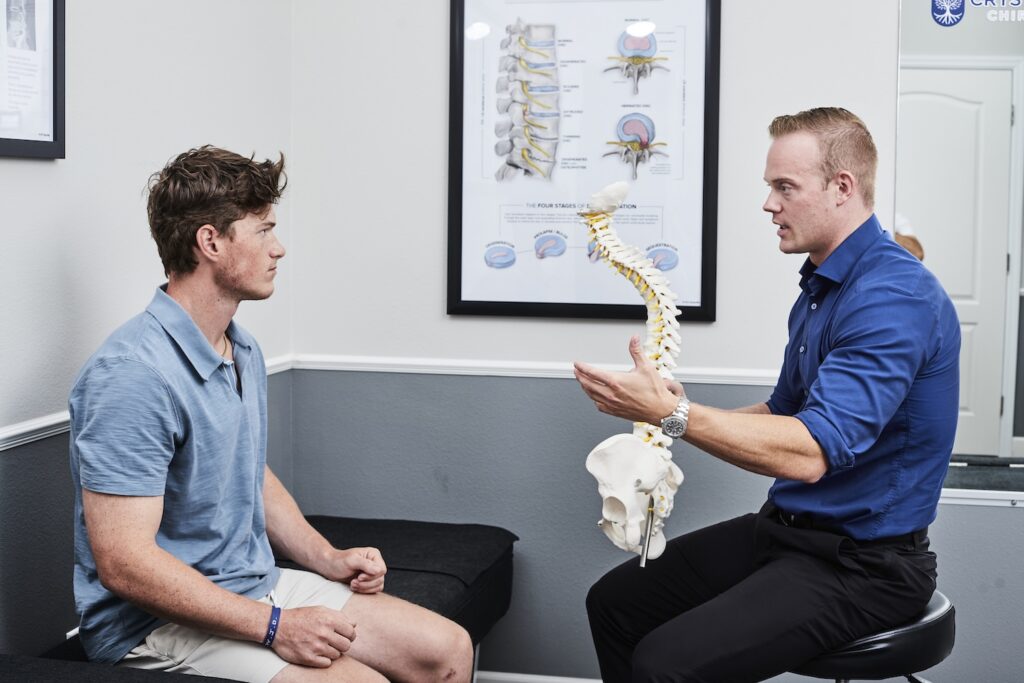
If home remedies like heat and cold therapy don't provide enough relief, professional treatments can offer more targeted solutions for lower back pain. When you're dealing with persistent discomfort, it's important to consult a healthcare professional who can assess your condition and recommend appropriate treatments.
Physical therapy is one option that many people find helpful. A licensed therapist can design a customized exercise program to strengthen your back muscles and improve flexibility. Through hands-on techniques and guided exercises, you'll work towards better posture and reduced pain.
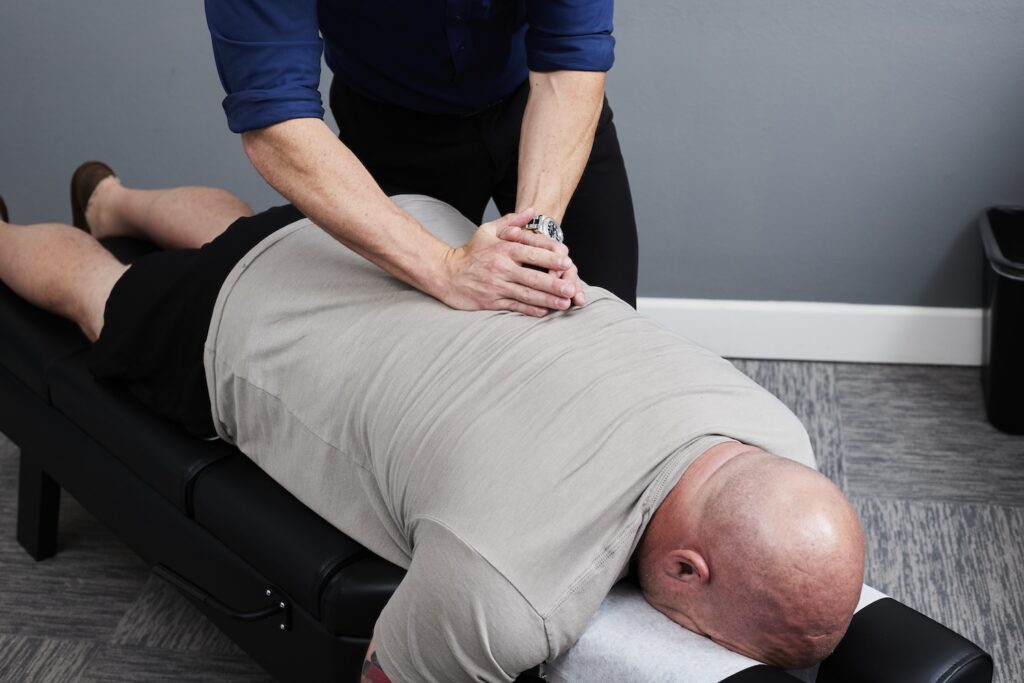
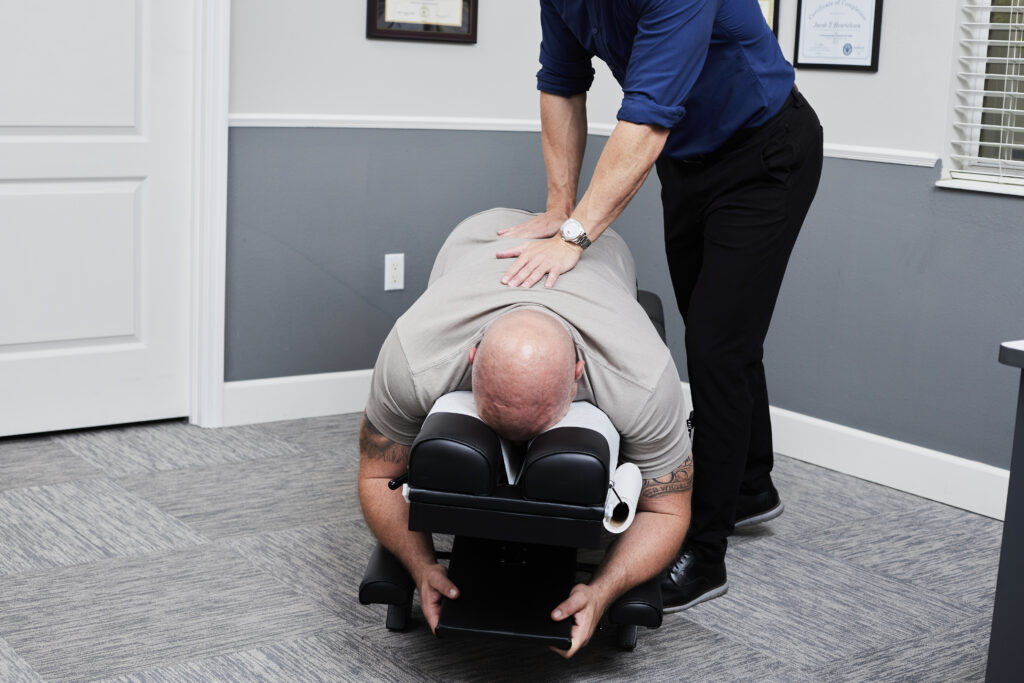
Chiropractic care is another effective approach. Chiropractors use spinal manipulation to alleviate pain and improve function. This treatment can help realign your spine, which may relieve pressure on nerves and reduce discomfort.
If your pain is severe or persistent, your doctor may recommend medications or injections. Nonsteroidal anti-inflammatory drugs (NSAIDs) can help reduce inflammation, while corticosteroid injections may provide more immediate relief by targeting specific areas of pain.
In some cases, surgical options may be considered. Procedures like discectomy or spinal fusion can address underlying issues contributing to your pain. It's important to discuss the risks and benefits of surgery with your healthcare provider.
Whatever path you choose, professional treatments can play a significant role in managing your lower back pain effectively. Don't hesitate to seek help; relief is possible, and you deserve to feel better.
Conclusion
By incorporating these five methods into your routine, you can effectively relieve lower back pain. Start with stretching exercises and strengthening workouts to build flexibility and stability. Pay attention to your posture throughout the day, and don't hesitate to use heat or cold therapy for immediate relief. If your pain persists, seeking professional treatments can provide the tailored care you need. Remember, taking these steps can lead you to a pain-free life and improved overall well-being.