
If you're dealing with back pain, you might be looking for solutions that don't involve invasive procedures or heavy medications. You've got options, like physical therapy, mindfulness meditation, and chiropractic care, each offering unique benefits tailored to your needs. Understanding how these methods work together can not only ease your discomfort but also improve your overall well-being. So, what's the best approach for you? Let's explore these non-invasive solutions further and see how they can fit into your routine.
Physical Therapy Techniques
When it comes to managing back pain, physical therapy techniques can be incredibly effective. These methods focus on strengthening your muscles, improving flexibility, and enhancing your overall mobility. By working with a trained physical therapist, you'll learn personalized strategies tailored to your specific needs.
First, you might start with exercises designed to strengthen your core. A strong core supports your spine, reducing strain and preventing future injuries. Your therapist may guide you through exercises like planks, bridges, or pelvic tilts that target key muscle groups.
Next, flexibility exercises play an essential role in your treatment. Stretching tight muscles can alleviate tension and improve your range of motion. Your therapist might introduce you to gentle stretches, such as hamstring or hip flexor stretches, helping to ease discomfort and promote healing.
Manual therapy techniques may also be part of your treatment plan. This hands-on approach involves the therapist using their hands to manipulate your muscles and joints. This can help reduce pain, improve circulation, and enhance your mobility.
Finally, your therapist may incorporate modalities like heat or ice therapy, ultrasound, or electrical stimulation to complement your exercises. These techniques can help reduce inflammation and provide pain relief.
Mindfulness and Meditation
Mindfulness and meditation offer powerful tools for managing back pain by addressing both the physical and emotional aspects of discomfort. When you practice mindfulness, you focus on the present moment, allowing you to observe your thoughts and feelings without judgment. This awareness can help you recognize pain triggers and reduce stress, which often exacerbates back pain.
Incorporating meditation into your routine can greatly lower your perception of pain. Research shows that regular meditation helps activate the body's relaxation response, reducing tension in your muscles and promoting overall relaxation. When you meditate, you shift your focus away from pain, creating a more positive mindset that can contribute to pain relief.
To get started, set aside a few minutes each day for mindfulness or meditation. Find a comfortable position, close your eyes, and take slow, deep breaths. Concentrate on your breath as it flows in and out, and gently redirect your attention whenever your mind wanders. You can also explore guided meditations specifically designed for pain management, which can provide structure and support.
As you build your practice, you'll likely notice an increase in your ability to handle discomfort. Mindfulness and meditation aren't quick fixes, but they cultivate resilience and a sense of control over your body.
Chiropractic Care
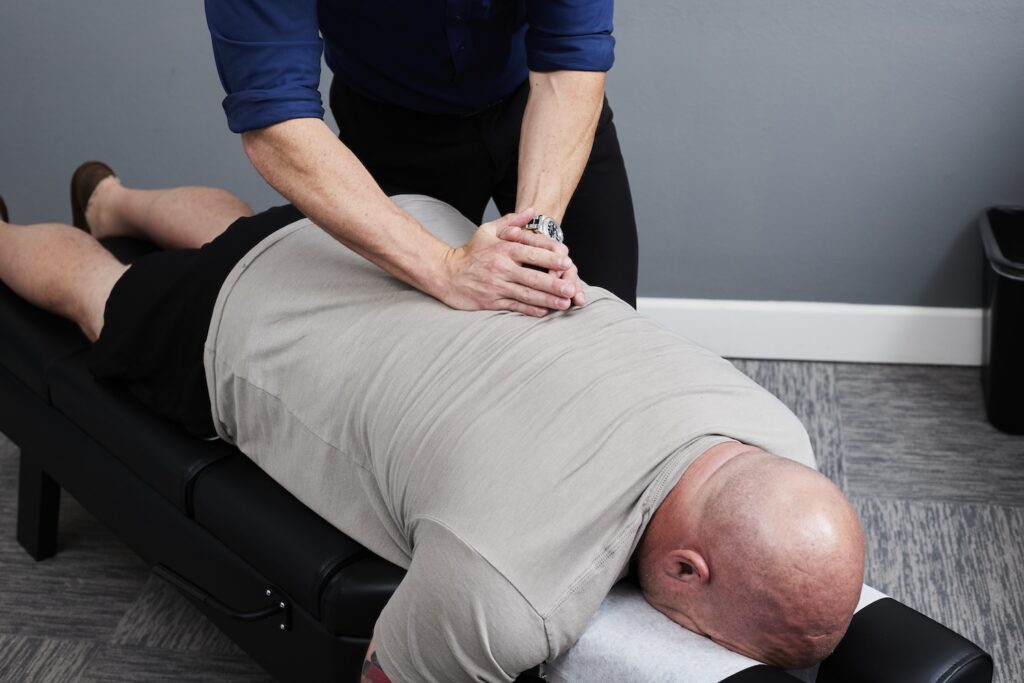
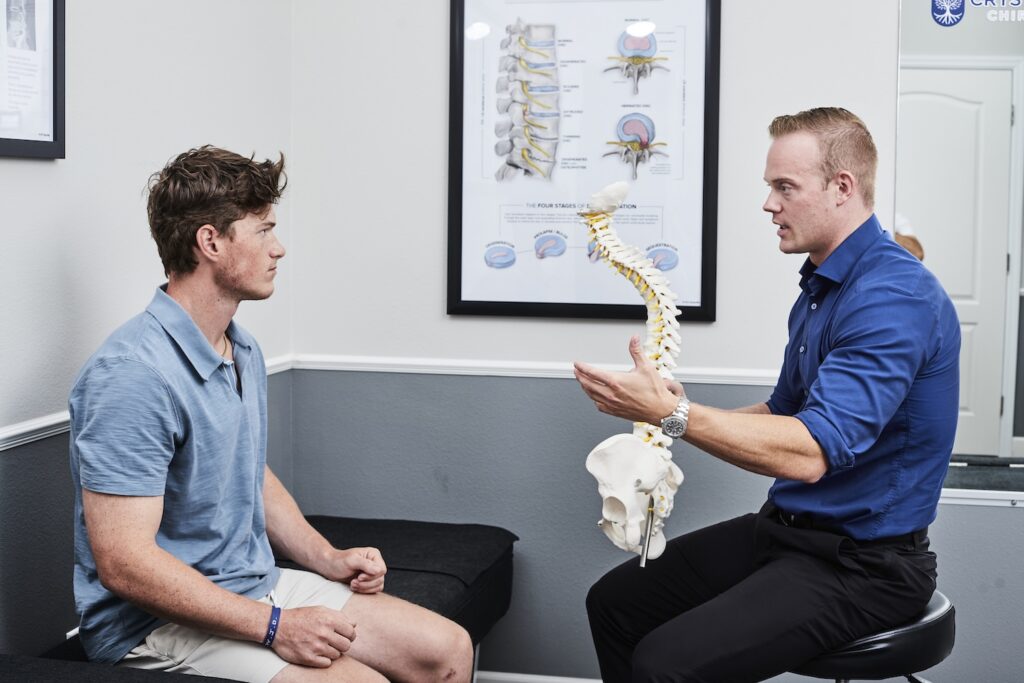
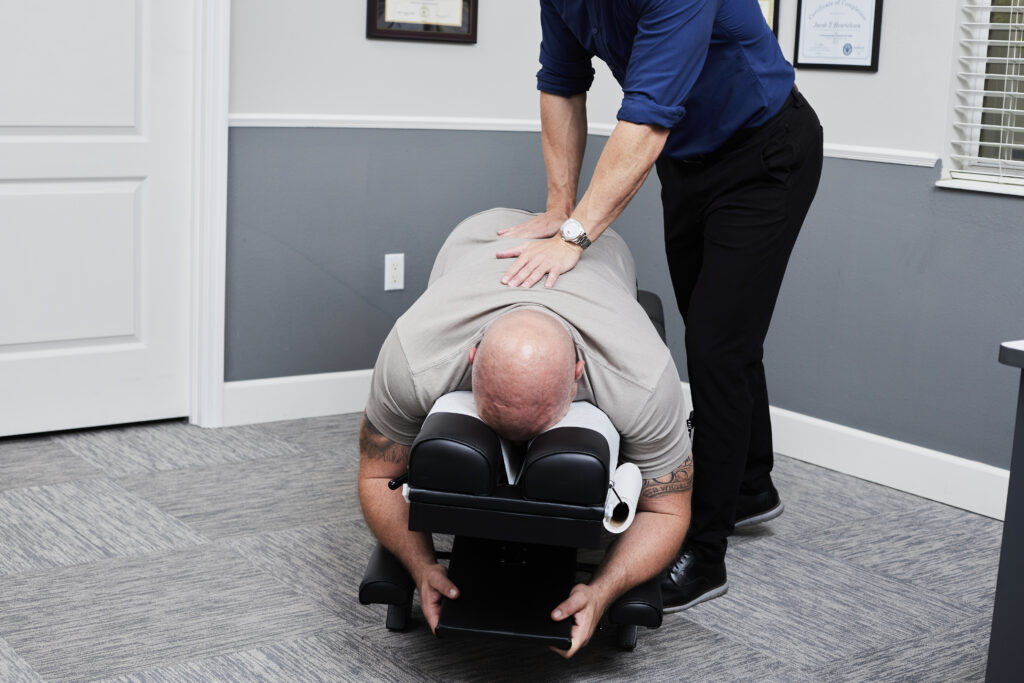
Chiropractic care provides a hands-on approach to alleviating back pain by focusing on spinal alignment and overall musculoskeletal health. If you're struggling with discomfort, visiting a chiropractor may be a great option. Their techniques aim to restore proper function and movement to your spine, which can reduce pain and improve your quality of life.
Here are four benefits of chiropractic care for back pain:
- Pain Relief: Many patients experience immediate relief after an adjustment. By realigning the spine, pressure on nerves is reduced, leading to decreased pain.
- Improved Mobility: Regular chiropractic visits enhance flexibility and range of motion. You'll find it easier to perform daily activities, whether that's bending down to tie your shoes or lifting objects.
- Holistic Approach: Chiropractors often provide lifestyle and exercise recommendations tailored to your needs. They consider your overall health, not just the pain, which can lead to long-term wellness.
- Preventative Care: By addressing spinal issues early, you can prevent future problems. Regular adjustments can help maintain spinal health and prevent re-injury.
Incorporating chiropractic care into your routine can be a game-changer for managing back pain.
If you're ready to explore this non-invasive solution, consult a qualified chiropractor who can guide you on your journey toward relief and improved wellness. Your back will thank you!
Conclusion
Incorporating physical therapy, mindfulness meditation, and chiropractic care into your routine can greatly reduce back pain and improve your overall well-being. By strengthening your body, cultivating a positive mindset, and receiving targeted adjustments, you'll address both the physical and emotional aspects of your discomfort. Don't wait to take control of your health—explore these non-invasive solutions and find the right combination that works for you. Your journey to a pain-free back starts now!