
If you're struggling with chronic tension headaches, you might find relief through chiropractic care. Chiropractors use a variety of techniques tailored to your specific needs, addressing both the symptoms and underlying causes of your discomfort. From spinal adjustments to lifestyle modifications, these professionals can offer a thorough approach to headache management. But how exactly do they tackle this common issue? Let's explore ten effective strategies that could change the way you experience tension headaches.
Spinal Adjustments
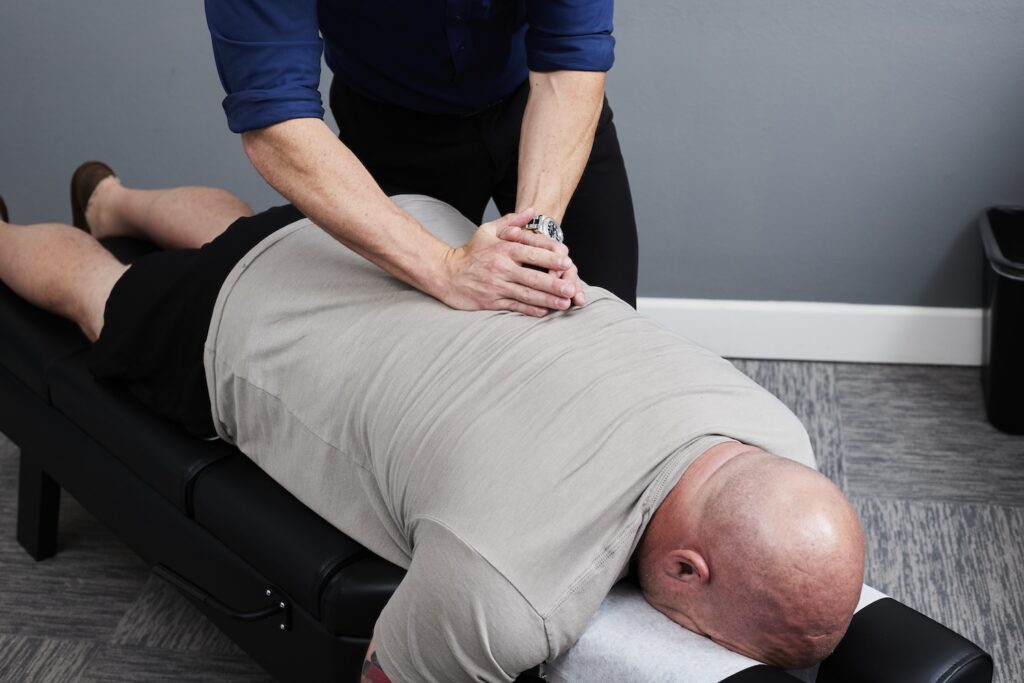
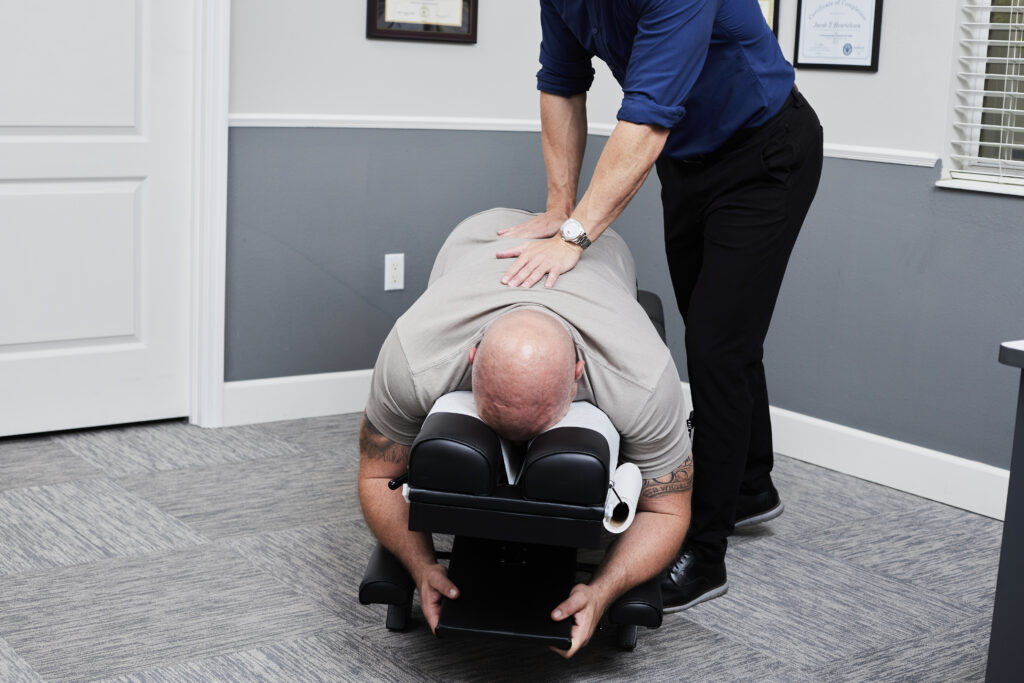
Spinal adjustments play an important role in managing chronic tension headaches, as they directly address misalignments in the spine that can contribute to pain. When you visit a chiropractor, they'll assess your spine to identify any areas that are out of alignment. These misalignments can lead to nerve irritation, muscle tension, and, ultimately, those nagging headaches you just can't shake off.
During an adjustment, your chiropractor uses specific, controlled force to realign your vertebrae. This process not only helps restore proper function to your spine but also improves blood flow and reduces muscle tension in the surrounding areas. You might notice a decrease in headache frequency and intensity after just a few sessions.
In addition, spinal adjustments can enhance your overall nervous system function, which plays an essential role in regulating pain. By optimizing your spine's position, you allow your body to communicate more effectively, helping to alleviate discomfort. You may even find that regular adjustments lead to better posture and reduced stress levels, further contributing to your headache relief.
It's important to remember that everyone's body responds differently to chiropractic care. What works for one person may not work for another. Communicating openly with your chiropractor about your symptoms and progress is important for achieving the best results.
Soft Tissue Therapy
Soft tissue therapy plays an essential role in relieving chronic tension headaches.
You can benefit from techniques like trigger point release, myofascial techniques, and targeted stretching and mobilization.
These methods help alleviate tightness and improve overall muscle function, providing you with much-needed relief.
Trigger Point Release
When it comes to alleviating chronic tension headaches, trigger point release therapy can be a game changer. This technique focuses on identifying and treating specific areas of muscle tightness, known as trigger points, that often refer pain to your head. By applying targeted pressure to these points, chiropractors can help release tension and improve blood flow to the affected areas.
You might be surprised at how effective this technique can be. During your session, the chiropractor will locate the trigger points, which may be tender or knotted. They'll use their fingers, elbows, or specialized tools to apply pressure, encouraging the muscles to relax. You may feel temporary discomfort, but this usually subsides as the tension releases.
As the muscles relax, you may notice a reduction in headache frequency and intensity. Additionally, trigger point release can enhance your overall range of motion, making daily activities more comfortable.
It's important to communicate with your chiropractor throughout the process to guarantee the treatment meets your needs effectively. Overall, incorporating trigger point release into your care plan can greatly contribute to managing your chronic tension headaches.
Myofascial Techniques
Myofascial techniques, a form of soft tissue therapy, focus on releasing tension in the fascia—the connective tissue surrounding muscles. When you experience chronic tension headaches, tightness in the fascia can contribute to your discomfort. Chiropractors use these techniques to target specific areas of tension, promoting relaxation and improving blood flow.
During a myofascial treatment session, your chiropractor will apply gentle pressure to the affected areas, helping to release knots and tightness in the fascia. They might use their hands or specialized tools to manipulate the tissue, encouraging it to return to a more natural state. This process not only alleviates pain but also enhances your overall mobility.
As you undergo myofascial therapy, you might notice a gradual decrease in headache frequency and intensity. By addressing the underlying fascial restrictions, chiropractors can help restore balance and function to your musculoskeletal system.
You'll likely feel more relaxed and less tense, making it easier to manage stressors that could trigger headaches. In combination with other treatments, myofascial techniques can play an essential role in your journey toward relief from chronic tension headaches.
Stretching and Mobilization
In addition to myofascial techniques, stretching and mobilization are essential components of soft tissue therapy that can greatly benefit those suffering from chronic tension headaches.
These methods focus on improving flexibility and restoring proper movement in your muscles and joints. When you incorporate targeted stretches into your routine, you can alleviate tightness in the neck, shoulders, and upper back—areas often affected by tension headaches.
Chiropractors typically guide you through specific stretching exercises tailored to your needs. These stretches help release muscle tension and promote blood flow, which can considerably reduce headache frequency and intensity.
Mobilization techniques involve gentle movements of your joints, encouraging them to move within their normal range. This can ease stiffness and improve overall mobility.
Posture Correction
Correcting your posture can considerably reduce the frequency and intensity of chronic tension headaches. Poor posture places unnecessary strain on your neck, shoulders, and upper back, leading to muscle tension that can trigger headaches.
When you slouch or hunch over, the alignment of your spine becomes compromised, which disrupts blood flow and contributes to discomfort.
Chiropractors often focus on evaluating and improving your posture. During your visits, they'll assess how you sit, stand, and move. They'll identify postural habits that may be contributing to your headaches.
By addressing these habits, you can enhance your spinal alignment and alleviate the tension that's building up in your muscles.
Incorporating proper posture into your daily routine is essential. Make a conscious effort to sit up straight while working at your computer, keeping your shoulders relaxed and your feet flat on the ground.
If you're on your phone, hold it at eye level to prevent straining your neck. Incorporating ergonomic furniture can also support your efforts.
Your chiropractor may recommend specific adjustments to help realign your spine, which can further assist in correcting your posture. These adjustments can relieve pressure from your muscles and reduce the likelihood of headache development.
Exercise Recommendations
To manage chronic tension headaches, incorporating stretching techniques and strengthening exercises into your routine can make a big difference.
These exercises not only help relieve tightness but also build resilience in your muscles.
Let's explore how these strategies can benefit you.
Stretching Techniques
Stretching techniques play an essential role in managing chronic tension headaches. By incorporating specific stretches into your routine, you can relieve muscle tension and improve circulation, which may help reduce headache frequency and intensity.
Start with neck stretches. Gently tilt your head to one side, bringing your ear toward your shoulder. Hold for 15-30 seconds and switch sides. This stretch targets tight muscles in your neck that often contribute to headaches.
Next, try shoulder rolls. Raise your shoulders toward your ears, then roll them back and down in a circular motion. Repeat this 10 times to release tension in your upper back and shoulders.
Don't forget about your upper trapezius. Sit or stand tall, and with one hand, gently pull your head toward your shoulder. Hold for 15-30 seconds before switching sides. This stretch can help ease tightness that radiates from your neck to your head.
Finally, consider incorporating a gentle chest opener. Stand tall, clasp your hands behind your back, and gently lift your arms while opening your chest. Hold for 15-30 seconds to counteract the forward hunch many people develop from prolonged sitting.
Strengthening Exercises
Incorporating strengthening exercises into your routine can greatly alleviate chronic tension headaches by enhancing muscle support and stability around your neck and shoulders.
When your muscles are strong, they can better withstand the stress and strain that often leads to headaches. Here are four effective exercises to contemplate:
- Shoulder Shrugs: Stand or sit with your arms at your sides. Raise your shoulders toward your ears, hold for a few seconds, then release. Repeat 10-15 times.
- Neck Isometrics: Place your hand on your forehead, pushing against it while resisting with your neck. Hold for 5 seconds and then switch to the sides and back of your head. Repeat 5 times on each side.
- Wall Angels: Stand with your back against a wall, arms at 90 degrees. Slide your arms up and down while keeping contact with the wall. Do this for 10-15 repetitions.
- Chest Stretch: Stand in a doorway, placing your arms on the frame. Lean forward gently to stretch your chest and shoulders. Hold for 15-30 seconds.
Stress Management Techniques
Managing stress effectively is essential for alleviating chronic tension headaches. When you're under stress, your body tenses up, which can lead to discomfort and pain. Incorporating stress management techniques into your daily routine can greatly reduce the frequency and intensity of these headaches.
One effective method is practicing mindfulness and meditation. Taking just a few minutes each day to focus on your breath can calm your mind and relax your muscles. You might find that guided meditation apps or local classes help you get started.
Another technique is deep breathing exercises. When you feel tension building, pause and take deep, slow breaths. Inhale deeply through your nose, hold it for a few seconds, and exhale slowly through your mouth. This simple practice can help release physical tension and promote relaxation.
Engaging in physical activity is also beneficial. Regular exercise releases endorphins, which are natural mood lifters. Whether it's a brisk walk, yoga, or dancing, find an activity you enjoy and make it a part of your routine.
Lastly, don't underestimate the power of social support. Talking with friends or family about your feelings can provide relief and help you feel understood. Consider joining a support group where you can share experiences and coping strategies with others.
Nutritional Guidance
When managing chronic tension headaches, what you eat can make a big difference.
Focusing on anti-inflammatory foods and staying hydrated can help reduce symptoms, while identifying any nutrient deficiencies is essential for overall wellness.
Let's explore how these factors can support your health.
Anti-inflammatory Foods
A variety of anti-inflammatory foods can play a significant role in alleviating chronic tension headaches. Incorporating these foods into your diet can help reduce inflammation in your body, which may, in turn, ease headache symptoms.
Here are four key anti-inflammatory foods you should consider:
- Fatty Fish: Salmon, mackerel, and sardines are rich in omega-3 fatty acids, known for their anti-inflammatory properties.
- Berries: Blueberries, strawberries, and raspberries are packed with antioxidants that can help combat inflammation.
- Leafy Greens: Spinach, kale, and Swiss chard are high in vitamins and minerals that support overall health and reduce inflammation.
- Turmeric: This spice contains curcumin, a powerful anti-inflammatory compound that can be easily added to your meals.
Incorporating these foods into your daily diet can help you feel better and potentially decrease the frequency and intensity of your tension headaches.
Hydration Importance
Staying hydrated plays an essential role in managing chronic tension headaches. When you're not drinking enough water, your body can become dehydrated, which may lead to headaches or worsen existing ones. It's vital to maintain adequate fluid intake throughout the day to help your body function effectively.
Aim for at least eight 8-ounce glasses of water daily, but remember that your needs might vary based on factors like activity level, climate, and individual health. You can also incorporate hydrating foods like fruits and vegetables into your diet, which can contribute to your overall fluid intake.
If you notice headaches creeping in, check your hydration status first. Sometimes, simply drinking a glass of water can provide relief. It's a simple yet effective strategy to incorporate into your daily routine.
Additionally, try to limit caffeine and alcohol, as they can dehydrate you. Instead, consider herbal teas or infused waters to keep your hydration enjoyable.
Nutrient Deficiencies Identified
Identifying nutrient deficiencies is essential for managing chronic tension headaches effectively. When you're low on certain nutrients, it can trigger or exacerbate headaches.
Here are four key nutrients you should consider:
- Magnesium: This mineral can help relax blood vessels and ease muscle tension, reducing headache frequency.
- Vitamin B2 (Riboflavin): Studies suggest that riboflavin can decrease the number of headaches when taken regularly.
- Coenzyme Q10: This antioxidant may aid in energy production within cells and has been linked to reduced headache occurrence.
- Omega-3 Fatty Acids: These healthy fats can decrease inflammation and are beneficial for overall brain health.
Ergonomic Advice
When you're at your desk for hours, paying attention to your ergonomic setup can make a significant difference in preventing chronic tension headaches.
Start by adjusting your chair height so your feet rest flat on the floor, with your knees at a 90-degree angle. This position helps reduce strain on your lower back and neck.
Next, verify your computer monitor is at eye level. You shouldn't have to tilt your head up or down to see the screen clearly. An ideal distance is about an arm's length away. If you often look down at your laptop, consider using a stand to elevate it to eye level.
Your keyboard should also be positioned so that your elbows remain close to your body and at a right angle. This setup minimizes tension in your shoulders and arms.
Don't forget about your wrists. A padded wrist rest can provide support and keep your wrists straight while typing.
Take regular breaks to stretch and move around. Standing up every hour or so can relieve muscle tension that builds up during long periods of sitting.
Lastly, pay attention to your lighting. Ensure that your workspace is well-lit to prevent squinting, which can lead to added tension in your head and neck.
Heat and Cold Therapy
After optimizing your workspace for ergonomic comfort, incorporating heat and cold therapy can further alleviate chronic tension headaches. These therapies can help reduce pain and promote relaxation, making them effective tools in your headache relief arsenal. Here's how you can use them effectively:
- Heat Therapy: Apply a warm compress or heating pad to your neck and shoulders to relax tight muscles. The warmth increases blood flow, easing tension and discomfort.
- Cold Therapy: Use an ice pack or a cold compress on your forehead or the back of your neck. This can numb the pain and reduce inflammation, helping to relieve headache symptoms.
- Alternating Therapies: Sometimes, alternating between heat and cold can provide the best relief. Start with cold therapy for about 15 minutes, then switch to heat for another 15 minutes. This combination can enhance relaxation while managing pain.
- Timed Applications: Limit your heat or cold applications to 20 minutes at a time. This helps prevent skin irritation and guarantees you're using these therapies safely.
Incorporating these techniques into your routine can make a significant difference in managing chronic tension headaches.
Whether you're at home or at work, having heat and cold therapy on hand can empower you to take control of your discomfort and enhance your overall well-being.
Don't hesitate to experiment with different methods to find what works best for you!
Lifestyle Modifications
Making simple lifestyle modifications can greatly reduce the frequency and intensity of chronic tension headaches.
First, pay attention to your posture. Whether you're sitting at a desk or using your phone, maintaining proper alignment can prevent unnecessary strain on your neck and shoulders. Consider using ergonomic furniture or tools to support your body.
Next, prioritize hydration. Dehydration can trigger headaches, so make it a habit to drink water throughout the day. Aim for at least eight glasses, and increase your intake during physically demanding activities or hot weather.
Additionally, establish a regular sleep schedule. Inconsistent or inadequate sleep can lead to increased headache frequency. Try to go to bed and wake up at the same time every day, creating a calming bedtime routine to improve sleep quality.
Stress management is also essential. Incorporate relaxation techniques, such as deep breathing, meditation, or yoga, into your daily routine. These practices can help you cope with stress and tension that may contribute to headaches.
Finally, evaluate your diet. Certain foods, like processed snacks and sugary drinks, can trigger headaches in some individuals.
Focus on eating a balanced diet rich in whole foods, fruits, and vegetables. Avoid skipping meals, as low blood sugar can also lead to headaches.
Patient Education
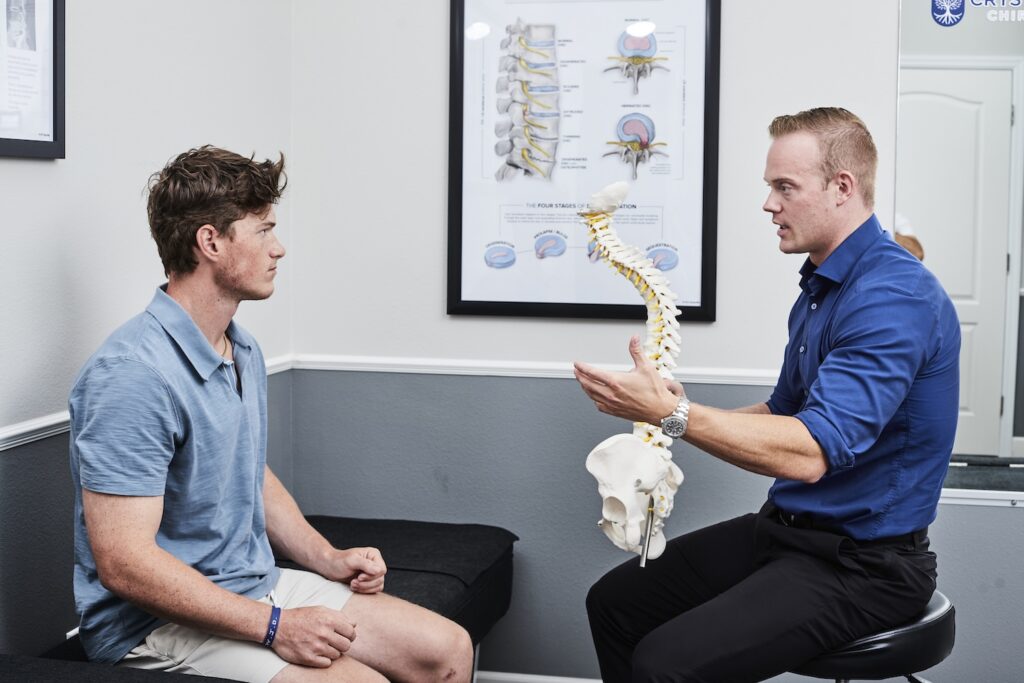
Patient education plays a crucial role in managing chronic tension headaches effectively. When your chiropractor takes the time to explain your condition, it empowers you to take control of your health. Understanding the underlying causes of your headaches can make a significant difference in your recovery journey.
Here are four key aspects of patient education that you should focus on:
- Anatomy and Physiology: Learning about the muscles, nerves, and structures involved in tension headaches helps you recognize what's happening in your body.
- Trigger Identification: Your chiropractor will guide you in identifying personal triggers—whether it's stress, poor posture, or dehydration—that contribute to your headaches.
- Self-Management Techniques: You'll discover various techniques to manage your symptoms, such as stretching exercises, relaxation methods, and ergonomic adjustments that can reduce headache frequency.
- Importance of Follow-Up Care: Regular visits and ongoing communication with your chiropractor can help track your progress, adjust treatment plans, and reinforce healthy habits.
Conclusion
Incorporating chiropractic care can considerably alleviate your chronic tension headaches. By utilizing spinal adjustments, soft tissue therapy, and personalized exercise recommendations, you can find relief and improve your overall well-being. Don't forget the importance of stress management, ergonomic adjustments, and lifestyle changes in your journey. By staying informed and proactive about your health, you can effectively reduce headache frequency and enjoy a more balanced life. Take the first step towards relief today!