If you're struggling with chronic tension headaches, you're not alone. Many people face this discomfort, and understanding how to manage it can greatly improve your quality of life. By identifying triggers and incorporating simple lifestyle changes, you can take proactive steps toward relief. From hydration to posture, each tip plays an essential role in alleviating pain. But what specific strategies can you implement today to start feeling better? Let's explore the practical approaches that could make a difference for you.
Identify Triggers
Identifying triggers is essential for managing chronic tension headaches effectively. You'll want to start by keeping a headache diary. Jot down when your headaches occur, what you were doing, and any specific factors that could've contributed. This practice helps you spot patterns and recognize potential triggers.
Common triggers include stress, poor posture, and muscle tension. Pay attention to your daily routine—are there specific times when your headaches tend to strike? Maybe it's after long hours at the computer, or perhaps after a stressful meeting. By pinpointing these moments, you can take proactive steps to mitigate their impact.
Environmental factors can also play a significant role. Bright lights, loud noises, or strong smells might be causing your discomfort. Try to identify if any of these elements are present when you feel a headache coming on. Adjusting your environment, like using softer lighting or reducing noise, can make a noticeable difference.
Additionally, consider your hydration and nutrition. Skipping meals or not drinking enough water can trigger headaches, so make it a point to stay nourished and hydrated throughout the day.
Lastly, evaluate your sleep patterns. Poor sleep quality or irregular sleep schedules can lead to increased headaches. Aim for a consistent sleep routine to help your body recover and reduce tension.
Practice Relaxation Techniques
To manage chronic tension headaches, practicing relaxation techniques can be incredibly beneficial.
You can try deep breathing exercises, progressive muscle relaxation, and mindfulness meditation to help ease stress and tension.
Incorporating these practices into your routine might lead to significant relief.
Deep Breathing Exercises
Deep breathing exercises can be a powerful tool in managing chronic tension headaches. When you focus on your breath, you can help reduce stress and promote relaxation, which may alleviate headache symptoms.
Start by finding a quiet space where you can sit or lie down comfortably. Close your eyes and take a slow, deep breath in through your nose, allowing your abdomen to expand fully. Hold that breath for a moment, then exhale gently through your mouth.
Try to make each inhale last for a count of four, and each exhale for a count of six. This helps you establish a rhythm that calms your mind and body. As you breathe, visualize tension flowing out of your body with each exhale. If your thoughts wander, gently bring your focus back to your breath.
Aim for at least five minutes of this practice, gradually increasing the duration as you become more comfortable. Incorporating deep breathing into your daily routine can greatly help manage tension headaches. You can do it any time you feel stress building, making it an effective and accessible stress-relief tool.
Progressive Muscle Relaxation
Building on the relaxation techniques you've started with deep breathing, Progressive Muscle Relaxation (PMR) can further enhance your ability to manage tension headaches. PMR involves systematically tensing and then relaxing different muscle groups, helping you to recognize and release tension in your body.
To practice PMR, find a quiet space where you won't be disturbed. Start by sitting or lying down comfortably. Begin with your feet, tensing the muscles for five seconds. Focus on how the tension feels, then release. Notice the difference as you relax.
Move progressively up through your body—calves, thighs, abdomen, arms, and face—repeating this process. As you tense each muscle group, breathe in deeply, and as you relax, breathe out slowly. This combination of breath and muscle relaxation can deepen your state of calm.
Regular practice of PMR not only reduces tension but also enhances your awareness of where you hold stress.
Mindfulness Meditation Techniques
While you're working on relaxation techniques, incorporating mindfulness meditation can greatly enhance your ability to cope with chronic tension headaches. Mindfulness meditation encourages you to focus on the present moment, helping you detach from the stressors that contribute to your headaches.
Start by finding a quiet space where you won't be disturbed. Sit comfortably and close your eyes.
Begin by taking deep breaths, inhaling slowly through your nose and exhaling through your mouth. As you breathe, pay close attention to the rhythm of your breath. If your mind starts to wander, gently bring your focus back to your breathing. You might also visualize a peaceful scene, like a serene beach or a calm forest.
Aim to practice mindfulness meditation for at least 10-15 minutes each day. You can gradually increase the time as you become more comfortable. Consistency is key, so try to stick to a routine.
Over time, you'll likely notice a reduction in tension and an improved ability to manage headaches. By embracing mindfulness, you're not just relieving symptoms; you're also fostering a deeper connection with your body and mind.
Stay Hydrated
Staying hydrated is vital for managing chronic tension headaches. Dehydration can lead to muscle tension and headaches, so drinking enough water throughout the day is significant. You mightn't realize how much fluid your body needs, but aiming for about eight 8-ounce glasses of water daily is a good starting point. This amount can vary based on factors like your activity level, climate, and overall health, so listen to your body.
To guarantee you stay on track, consider carrying a reusable water bottle with you wherever you go. This way, you can easily sip water throughout the day. Set reminders on your phone or use hydration apps to prompt you to drink regularly.
If you find plain water boring, try infusing it with fruits, herbs, or cucumber for added flavor. Herbal teas can also be a good alternative, as they contribute to your daily fluid intake.
Keep an eye out for signs of dehydration, such as dry mouth, fatigue, or dark-colored urine. If you notice these symptoms, increase your water intake immediately.
Additionally, be mindful of alcohol and caffeine, as they can dehydrate you. Balance your fluid intake by drinking water alongside these beverages.
Maintain Good Posture
To keep tension headaches at bay, maintaining good posture is essential.
Start by setting up an ergonomic workspace that supports your body, and don't forget to strengthen your core muscles for better stability.
Ergonomic Workspace Setup
An ergonomic workspace can make all the difference when it comes to preventing chronic tension headaches.
Start by adjusting your chair. It should support your lower back, allowing your feet to rest flat on the floor. If your feet can't reach the ground, use a footrest for proper alignment. Your desk should be at elbow height, so your arms stay comfortable and relaxed while typing.
Next, position your computer monitor at eye level. This helps you avoid straining your neck by looking up or down. A distance of about an arm's length is ideal. If you wear glasses, verify the screen accommodates your prescription to reduce eye strain.
Use a keyboard and mouse that promote a natural wrist position. Consider a split keyboard or an ergonomic mouse if you're prone to tension in your hands or wrists.
Lastly, take regular breaks. Stand up, stretch, and walk around every hour to keep your body active and alleviate built-up tension.
Strengthen Core Muscles
Strengthening your core muscles plays an essential role in maintaining good posture, which in turn helps prevent chronic tension headaches. A strong core supports your spine and keeps your body aligned, reducing the strain on your neck and shoulders—common culprits of tension headaches.
To strengthen your core, consider incorporating exercises like planks, bridges, and abdominal crunches into your routine. These movements engage your entire core, including your back, hips, and abdominal muscles. Aim for at least two to three core workouts a week.
Additionally, pay attention to your posture throughout the day. When sitting, keep your feet flat on the ground, your back straight, and your shoulders relaxed. If you find yourself slouching, take a moment to realign your body.
Remember to take breaks and stretch periodically, especially if you're sitting for long periods. Simple stretches can relieve tension in your neck and shoulders, further promoting good posture.
Get Regular Exercise
Regular exercise can considerably reduce the frequency and intensity of chronic tension headaches. Engaging in physical activity releases endorphins, which are natural painkillers, and helps alleviate stress—one of the primary triggers for these headaches.
When you make exercise a routine part of your life, you're not just taking care of your physical health; you're also working on your mental well-being.
Aim for at least 150 minutes of moderate aerobic activity each week. This could include brisk walking, cycling, or swimming. If you're new to exercise, start slowly. Even short walks can make a significant difference. Gradually increase the duration and intensity as your body adapts.
You might also consider incorporating activities like yoga or tai chi, which focus on breathing, flexibility, and relaxation, further helping to ease muscle tension.
Consistency is key. Try to find a time that works best for you, whether it's early morning or after work. Creating a schedule will help you stay committed.
Remember to listen to your body; if you experience pain while exercising, don't push through it. Instead, adjust your routine or consult a healthcare professional for guidance.
Incorporating regular exercise into your daily life is a powerful step toward managing chronic tension headaches. Not only will you feel better physically, but you'll also find it easier to cope with stress and anxiety.
Use Heat or Cold Therapy
Many people find relief from chronic tension headaches by using heat or cold therapy. Both methods can help reduce pain and tension, but you might want to experiment to see which works best for you.
Here are three effective ways to incorporate heat or cold therapy into your routine:
- Heat Packs: Applying a warm compress or heat pack to the neck or shoulders can relax tight muscles and improve blood circulation. Try using a microwaveable heat pad or a warm towel for about 15-20 minutes.
- Cold Compress: If you prefer cold therapy, a cold pack or a bag of frozen vegetables wrapped in a cloth can numb the area and reduce inflammation. Apply it to your forehead or the back of your neck for 10-15 minutes to experience relief.
- Alternating Therapies: Sometimes, alternating between heat and cold can provide the most benefit. Start with a cold compress to reduce swelling and then switch to heat to relax tight muscles. This combination can be particularly effective for persistent tension headaches.
Using heat or cold therapy is a simple yet powerful way to manage your headaches.
Remember to listen to your body; if something feels uncomfortable, stop and try a different method. Consistency is key, so make these therapies a regular part of your headache management strategy, and you may notice significant improvements in your symptoms.
Explore Massage Therapy
If you're struggling with chronic tension headaches, massage therapy might be a game changer for you.
It offers various techniques that can provide effective relief, but choosing a qualified therapist is essential for the best results.
Let's explore how to find the right approach and therapist to help ease your discomfort.
Techniques for Effective Relief
Finding relief from chronic tension headaches often requires a multifaceted approach, and massage therapy stands out as a powerful ally.
By incorporating specific techniques, you can effectively reduce tension and promote relaxation. Here are three massage techniques you might consider:
- Trigger Point Therapy: This technique focuses on specific painful areas, or trigger points, that can cause headaches. Applying sustained pressure can help release tight muscles and alleviate discomfort.
- Cervical Massage: Targeting the neck and shoulder region is essential. By gently kneading these areas, you can relieve muscle tension that often contributes to headache pain. Use your fingers or a massage tool to apply pressure along the cervical spine.
- Scalp Massage: Don't overlook the power of a good scalp massage. Using your fingertips, apply circular motions over your scalp, temples, and forehead. This not only helps ease tension but also stimulates circulation, promoting relaxation.
Incorporating these techniques into your routine can make a significant difference in how you manage chronic tension headaches.
Experiment with each method to find what works best for you and enjoy the relief that massage therapy can provide.
Choosing a Qualified Therapist
When it comes to choosing a qualified therapist for massage therapy, it's crucial to take into account their credentials and experience. Look for therapists who are licensed and certified in your area. This guarantees they've completed the necessary training and are knowledgeable about various techniques that can alleviate chronic tension headaches.
Consider the therapist's specialization as well. Some may focus on specific modalities, such as deep tissue or trigger point therapy, which can be beneficial for headache relief.
Don't hesitate to ask about their experience with clients who've similar issues to yours. This will give you confidence in their ability to address your specific needs.
Reading reviews and testimonials can also provide insight into a therapist's effectiveness. A therapist with positive feedback is likely to be a good fit for you.
Additionally, don't forget to trust your instincts during the initial consultation. You should feel comfortable and at ease with your therapist, as a positive rapport can enhance the overall experience.
Consider Mindfulness and Meditation
In the midst of daily stressors, mindfulness and meditation can serve as powerful tools for managing chronic tension headaches.
These practices help you cultivate a sense of calm and awareness, allowing you to break the cycle of stress that often contributes to headache pain. By dedicating just a few minutes each day to mindfulness and meditation, you can considerably reduce the frequency and intensity of your headaches.
Here are three effective ways to incorporate mindfulness and meditation into your daily routine:
- Focus on Your Breath: Spend five to ten minutes each day simply paying attention to your breath. Inhale deeply through your nose, hold for a moment, and exhale slowly through your mouth. This practice helps center your thoughts and eases muscle tension.
- Body Scan: Lie down in a comfortable position. Gradually focus your attention on each part of your body, from your toes to the crown of your head. Notice any areas of tension and consciously relax them. This technique helps you become more aware of physical sensations and promotes relaxation.
- Guided Meditation: Use apps or online resources to find guided meditations tailored for headache relief. These sessions often include visualization techniques that can help distract your mind from pain and foster a sense of peace.
Limit Screen Time
Excessive screen time can greatly contribute to tension headaches, especially if you're frequently staring at computers, tablets, or smartphones. The blue light emitted from these devices can strain your eyes and lead to discomfort, which may trigger or worsen your headaches. To mitigate this issue, it's crucial to take proactive steps.
First, try to limit your screen time. Set specific hours for using your devices and stick to those limits. You might find it helpful to use apps that track your usage and remind you to take breaks. Aim for the 20-20-20 rule: every 20 minutes, take a 20-second break to look at something 20 feet away. This simple practice can help reduce eye strain considerably.
Additionally, consider adjusting your workspace ergonomics. Position your screen at eye level and make sure your chair supports good posture. Sitting comfortably can help alleviate tension that builds in your neck and shoulders, which often contributes to headaches.
You should also create a distraction-free environment. Turn off notifications on your devices and designate specific times for checking emails or social media. This not only reduces your screen time but also lowers the mental strain from constant interruptions.
Lastly, remember to stay hydrated. Dehydration can exacerbate headaches, so keep a water bottle nearby while you work.
Consult a Healthcare Professional
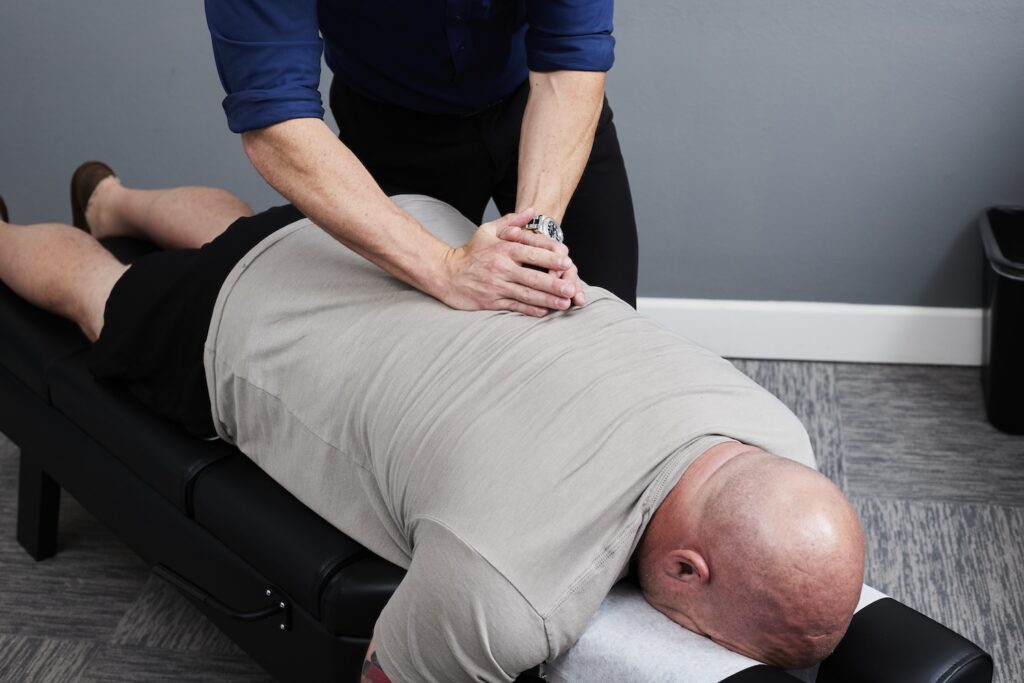
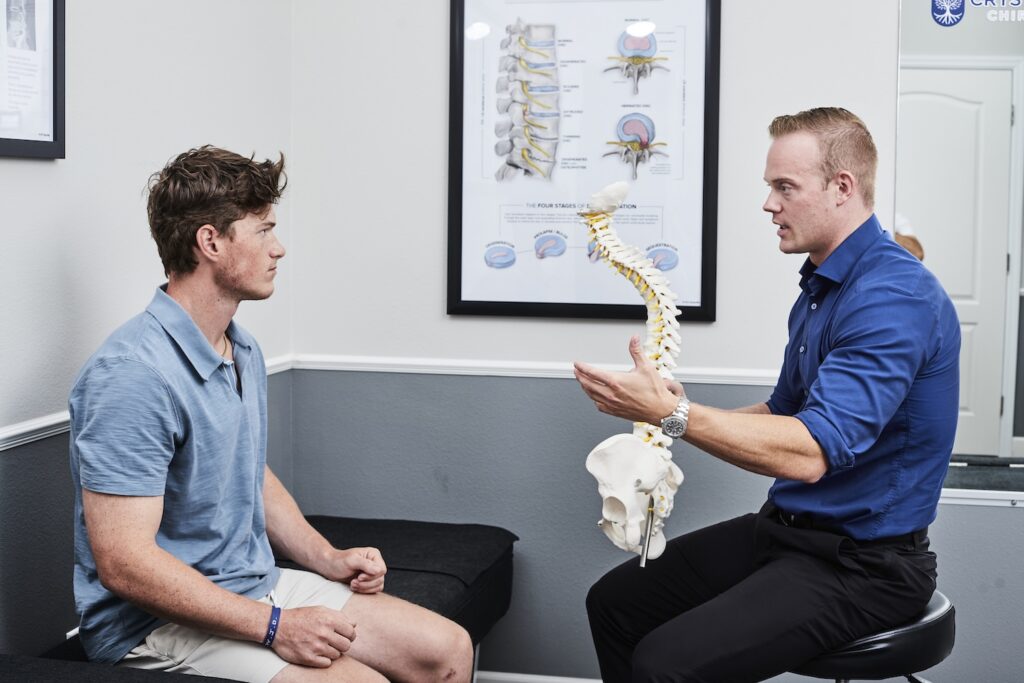
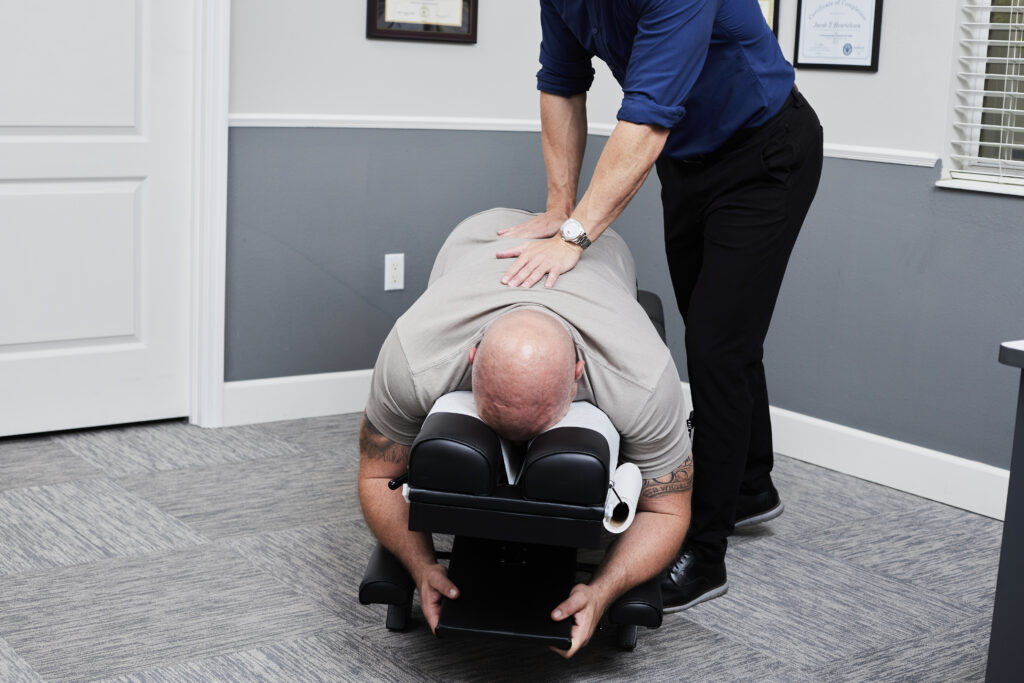
Seeking help from a healthcare professional can be a game-changer for managing chronic tension headaches. While self-care strategies are important, a professional can provide tailored solutions that address the underlying causes of your headaches. They can evaluate your symptoms, recommend appropriate treatments, and help you develop a thorough management plan.
Here are three key reasons to consult a healthcare professional:
- Accurate Diagnosis: A professional can determine if your headaches are due to tension, stress, or another condition. This guarantees you receive the right treatment.
- Personalized Treatment Options: They can offer various treatments, including medication, physical therapy, or alternative therapies like acupuncture or massage. A customized plan can greatly improve your quality of life.
- Ongoing Support and Monitoring: Regular check-ins allow for adjustments to your treatment as needed, guaranteeing peak effectiveness and continued relief.
Don't hesitate to seek professional help. Chronic tension headaches can be debilitating, but with the right guidance, you can reclaim your everyday life.
Your healthcare provider can empower you with the tools you need to manage and reduce your headaches. Remember, you don't have to navigate this journey alone. Seeking assistance not only addresses the immediate discomfort but also tackles the root problems contributing to your headaches.
Taking this step could lead to lasting relief and a better overall well-being.
Conclusion
By following these 10 tips, you can take control of your chronic tension headaches and improve your overall well-being. Start by identifying your triggers and incorporating relaxation techniques into your daily routine. Staying hydrated, maintaining good posture, and getting regular exercise are essential as well. Don't forget to limit your screen time and consider exploring massage therapy. If your headaches persist, consult a healthcare professional for personalized support. You deserve to live a life free from pain!