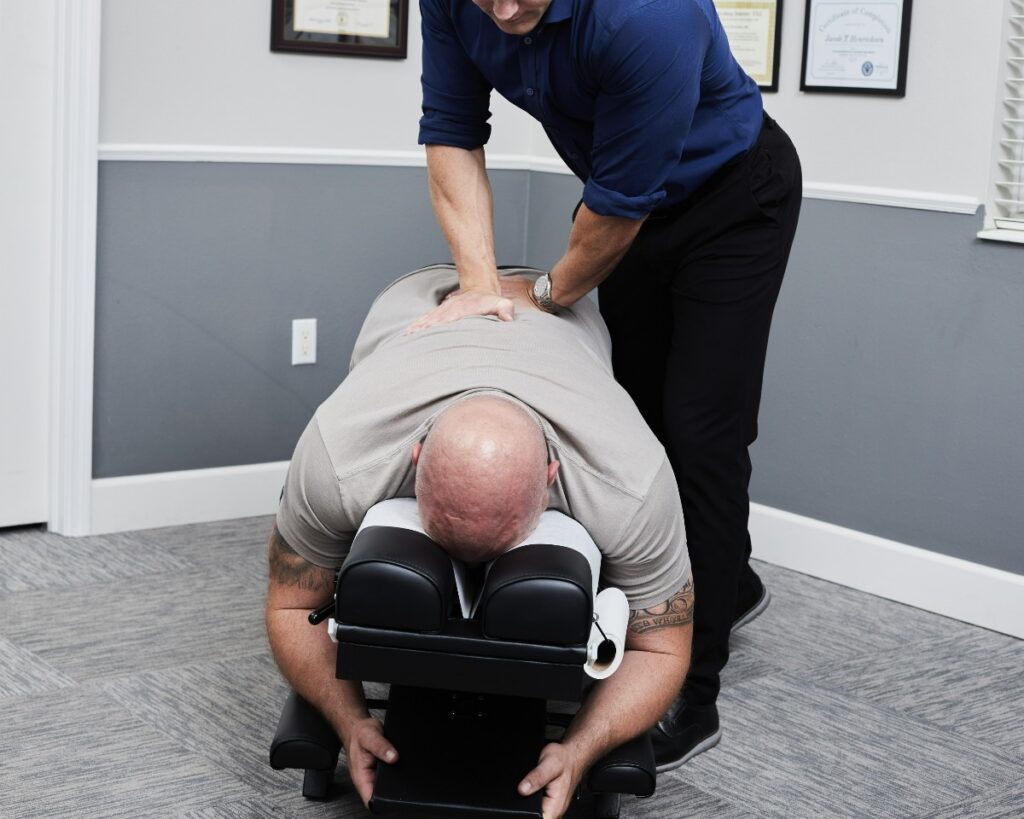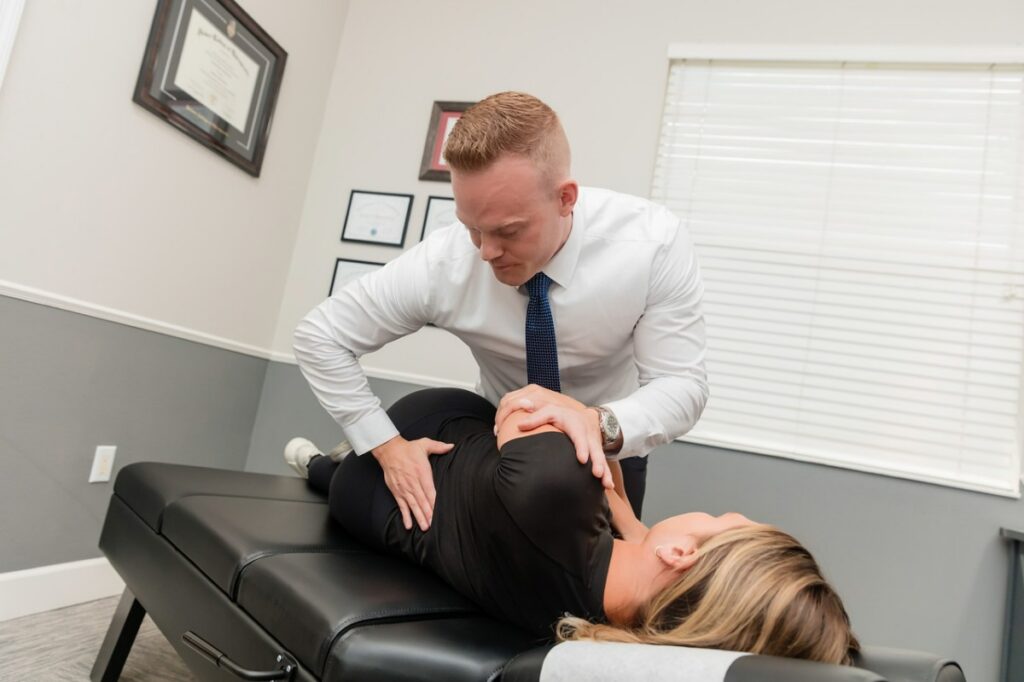

As a local chiropractor, I want to share with you some surprising benefits of agility training that can greatly enhance your quality of life as you age. Many people believe that agility exercises are solely for athletes, but I assure you, they can be incredibly advantageous for seniors as well. Engaging in simple activities such as Tai Chi or gentle stretching can significantly improve your balance and coordination. Not only does this boost your confidence, but it also helps sharpen your mental acuity.
Imagine navigating your daily activities with more ease and independence, all while enjoying richer social interactions. This is a pathway to a more fulfilling life, and it doesn't have to be complicated to get started. If you're curious about specific exercises that can make a real difference, I'm here to guide you. Together, we can explore natural healing methods that support your agility and overall well-being.
Understanding Agility Training
As you age, it's crucial to stay active, and that's where understanding agility training comes into play—especially from a chiropractic perspective. Agility training is all about improving your ability to move quickly and change direction with ease, which is vital for maintaining your mobility and independence. This isn't only important for daily activities but also plays a significant role in preventing falls and promoting overall physical health.
You don't have to be an athlete to reap the benefits of agility exercises; anyone can easily incorporate them into their daily routine. Simple drills such as side shuffles, ladder drills, or cone exercises can significantly enhance your reaction time and coordination. These activities engage multiple muscle groups, contributing to strength and flexibility while also boosting your cardiovascular fitness.
Moreover, engaging in agility training supports neuroplasticity—the brain's remarkable ability to adapt and form new connections. This can lead to better cognitive function, helping you stay sharp and focused as you age. You may notice that as you practice these skills, you grow more confident in your movements, whether it's navigating stairs, walking on uneven surfaces, or joining in on social activities.
The beauty of agility training is that it can be tailored to fit your unique fitness level, making it both accessible and enjoyable. I recommend starting slow and gradually increasing the complexity and intensity of your exercises.
It's important to listen to your body and, of course, consult with a healthcare professional—like myself—before starting any new workout program. By embracing agility training, you'll not only enhance your physical capabilities but also improve your overall quality of life as you age.
Enhancing Balance and Coordination
As a local chiropractor, I want to share with you the importance of enhancing your balance and coordination for overall health and wellness. Improving these skills can significantly contribute to better posture and stability, which in turn can help prevent falls and allow you to move more freely in your daily life.
Incorporating strategies to boost your balance and coordination not only supports your physical well-being but also complements the natural healing processes of your body. Here are some effective ways to develop these skills that I often recommend to my patients:
- Practice Stability Exercises: Simple exercises like standing on one leg or using balance boards can help strengthen your core and improve your proprioception.
- Incorporate Yoga or Tai Chi: These practices emphasize controlled movements and balance, which can enhance your coordination and flexibility while also promoting relaxation.
- Engage in Strength Training: Building strength in your muscles, especially in your legs and core, can provide a solid foundation for maintaining balance and stability.
- Stay Active: Regular physical activity, whether through walking, swimming, or dancing, can improve your overall coordination and body awareness.
By integrating these strategies into your routine, you not only enhance your balance and coordination but also support your body's natural ability to heal and function optimally.
If you have questions about how chiropractic care can further assist you in this journey, I'm here to help!
Improved Posture and Stability
As a local chiropractor, I want to emphasize the importance of improved posture and stability in enhancing your balance and coordination, especially as we age. Proper posture aligns your body naturally, allowing for more efficient and confident movements. This alignment not only helps distribute your weight evenly but also makes it easier to shift your body without compromising your balance.
Incorporating exercises that focus on posture—such as yoga or tai chi—can significantly bolster your core strength and flexibility. A strong core is vital; it supports your spine and helps you maintain stability during everyday activities. Simple adjustments like standing tall with your shoulders back or sitting upright can lead to noticeable improvements in your balance.
Additionally, integrating balance exercises into your routine can further enhance your stability. Activities like standing on one leg or using balance boards can challenge your coordination and boost your agility.
If you're uncertain about how to begin or want to ensure you're practicing safely and effectively, consider working with a trainer or joining a specialized class for seniors. This way, you can learn techniques that complement your chiropractic care and promote natural healing for a healthier, more balanced life.
Reduced Fall Risk
As a local chiropractor, I want to share some vital information about reducing your fall risk, especially as we age. One of the key aspects of maintaining your stability is focusing on balance and coordination. Our bodies naturally experience changes over time, and this can make us more prone to falls. That's why engaging in activities that improve your balance is so important.
Practices like tai chi, yoga, or even simple balance exercises can significantly decrease your risk of falling. These activities not only strengthen your core but also enhance your body awareness, leading to better coordination.
In addition to balance training, incorporating strength training into your routine can provide further support for your stability. Strong muscles play a crucial role in supporting your joints and helping you maintain control during movement. You don't need to do complex exercises; even basic movements like leg lifts or heel-to-toe walks can have a substantial impact on your overall balance.
It's also essential to be mindful of your surroundings. Keeping pathways free of clutter, ensuring adequate lighting, and utilizing handrails when needed can make a big difference in preventing falls.
And let's not forget about footwear—wearing supportive shoes can greatly improve your traction and stability.
Remember, chiropractic care can also play a role in enhancing your overall balance and coordination. Regular adjustments can help improve your body's alignment and function, contributing to your overall well-being.
If you have any questions or would like to explore how we can work together to reduce your fall risk, feel free to reach out!
Enhanced Daily Mobility
As your local chiropractor, I want to emphasize how crucial maintaining your daily mobility is for your independence and overall well-being as you age. Enhanced mobility not only allows you to navigate your surroundings with ease, but it also significantly improves your balance and coordination.
When you participate in activities designed to enhance these skills, you'll find that everyday tasks—like walking, climbing stairs, or getting in and out of a chair—become much more manageable.
One effective way to improve your agility is through exercises such as gentle stretches, yoga, or tai chi. These practices not only strengthen your body but also enhance stability.
By engaging in these activities, you're challenging your muscles and honing your reflexes, which leads to better control over your movements. As your coordination improves, you'll likely move with more confidence, which can help alleviate any fears you might've about falling.
In addition to the physical advantages, incorporating balance training into your routine can also provide cognitive benefits. Focusing on tasks that require concentration aids in sharpening your mind while simultaneously boosting your physical capabilities.
This dual approach not only keeps you engaged in your health journey but also motivates you to continue your progress.
Ultimately, by enhancing your daily mobility, you're making a valuable investment in your quality of life. You'll feel more empowered to participate in social activities, explore new environments, and revel in the freedom that comes with being physically agile.
Embrace this journey toward improved mobility and discover the full potential of your body. Through chiropractic care and a commitment to natural healing, you can achieve these goals and enjoy life to the fullest!
Boosting Mental Sharpness
As your local chiropractor, I want to share some insights on how you can enhance your mental sharpness through natural methods.
One important aspect is cognitive flexibility, which allows you to think creatively and adapt to different situations. Engaging in brain-challenging activities, such as puzzles or learning new skills, can significantly improve your memory retention and overall cognitive function.
By incorporating these exercises into your daily routine, you not only support your mental health but also create a more agile mind, which is essential for overall well-being.
Cognitive Flexibility Enhancement
Cognitive flexibility is an essential aspect of maintaining mental sharpness, especially as we age. At our chiropractic practice, we recognize the importance of not just physical health but also mental wellness. Cognitive flexibility enables you to adapt your thoughts and transition smoothly between different tasks or ideas, which can be crucial for overall well-being.
Engaging in mentally stimulating activities is a fantastic way to enhance this cognitive flexibility. We encourage you to take up puzzles, strategy games, or even start learning a new language. These activities are like exercises for your brain, helping to form new connections and improve your ability to think quickly and effectively.
In addition to these activities, practices such as mindfulness and meditation can significantly boost your cognitive flexibility. These techniques help train your mind to focus and recognize when it's time to shift your perspective, which is essential for adapting to new situations. Incorporating mindfulness into your daily routine can make it easier to manage unexpected challenges and maintain a positive outlook.
Social interactions are another key element in enhancing cognitive flexibility. Engaging in conversations with people from diverse backgrounds exposes you to different viewpoints, which can enrich your thinking process. We encourage you to join clubs or participate in community events—these opportunities not only stimulate your mind but also help you become more adaptable.
Ultimately, fostering cognitive flexibility contributes to keeping your mind active and enhances your life experiences. By embracing new challenges and learning to adapt to change, you can improve your overall mental sharpness and well-being as you age.
Memory Retention Improvement
As a local chiropractor, I want to share some insights on how enhancing your cognitive flexibility can significantly boost your memory retention. This isn't just about physical wellness; it also involves nurturing your mind, especially as we age and strive to maintain mental sharpness.
Here are some effective strategies that I encourage my patients to consider for improving memory retention:
- Practice Mindfulness: Incorporating mindfulness exercises into your daily routine can greatly improve your ability to focus on the present moment. This heightened awareness can enhance your memory by helping you better recall details.
- Stay Socially Active: Engaging with friends and family is crucial for your mental health. Social interactions stimulate your brain and create shared experiences, which can strengthen your memory.
- Challenge Your Brain: Just like your body, your brain needs exercise too! Activities such as puzzles, games, or learning new skills can stimulate your mind, fostering the creation of new neural pathways that enhance memory retention.
- Maintain a Healthy Diet: A well-balanced diet rich in antioxidants, omega-3 fatty acids, and essential vitamins plays a vital role in supporting brain health. As a chiropractor, I see the connection between nutrition and overall wellness, which includes memory function.
By focusing on these strategies, you can't only improve your cognitive function but also support your overall health in a natural way.
Increasing Confidence and Independence
As a local chiropractor, I often see firsthand how increasing confidence and independence can significantly enhance the quality of life for seniors. Engaging in activities that improve your agility isn't just about physical fitness; it's also about fostering self-assurance.
Picture yourself moving with ease—whether it's reaching for something on a high shelf or navigating stairs without fear. Each small accomplishment reinforces your belief in your own abilities.
When you incorporate agility exercises into your routine, you'll likely notice improvements in your balance and coordination. These enhancements can make everyday tasks much simpler. As you become more capable of managing your own needs, you naturally cultivate a sense of independence. You might find yourself more willing to run errands, prepare meals, or even explore hobbies that once seemed daunting.
Additionally, increased confidence is crucial for your mental well-being. When you trust in your abilities, you're more inclined to take on new challenges and seize opportunities that come your way. This positive outlook can lead to a richer, more fulfilling life.
As you gain independence, you may also discover that you rely less on others for support. This shift can be incredibly empowering, allowing you to take control of your daily life. You become the architect of your own routine, making choices that align with your desires and strengths.
At our chiropractic practice, we focus on supporting your journey toward increased confidence and independence through natural healing methods. By addressing any physical barriers and promoting overall wellness, we empower you to live your life to the fullest.
Let's help you take the first steps toward a more agile and self-assured you!
Promoting Social Interaction
As a local chiropractor, I want to emphasize the importance of social interaction for your overall well-being, especially as we age. Engaging with others can significantly enhance your daily life and promote natural healing. Here's how social interaction plays a crucial role in your health:
1. Combat Loneliness: Participating in social activities can help alleviate feelings of isolation. When you connect with friends or join community groups, you foster a sense of belonging that's vital for mental health.
This connection can also influence your physical health positively.
2. Enhance Cognitive Function: Engaging in conversations and activities with others stimulates your brain, which is essential for maintaining cognitive health.
This mental engagement not only sharpens your memory but can also support your body's natural healing processes.
3. Boost Physical Health: Socializing often encourages you to be more active.
Whether it's taking a walk with a friend or attending a group exercise class, these activities promote movement and flexibility—key components of chiropractic care that help maintain your agility and overall physical health.
4. Improve Mood: Spending time with others releases endorphins, which are natural mood enhancers.
Sharing laughter and experiences with friends can uplift your spirits and reduce feelings of anxiety or depression, contributing to a healthier, more balanced lifestyle.
Incorporating social interactions into your routine can greatly support your chiropractic care and natural healing journey.
Let's work together to promote not just your physical wellness but also your emotional and social well-being!
Adapting Exercises for Seniors
As a local chiropractor, I want to emphasize the importance of flexibility in maintaining mobility and independence as we age. Adapting exercises specifically for seniors can significantly enhance your physical capabilities while minimizing the risk of injury. By tailoring your workouts to meet your personal needs, you can greatly improve your quality of life.
I recommend starting with gentle stretching routines as part of your daily regimen. Focus on major muscle groups like your legs, arms, and back. Simple stretches can enhance your range of motion and alleviate stiffness, making daily activities easier and more enjoyable.
Consider incorporating low-impact activities such as walking, swimming, or cycling into your routine. These exercises are gentle on the joints and help build endurance without putting excessive strain on your body. If you enjoy social interaction, look for senior fitness classes in your community. These classes often provide customized programs that align with your age and fitness level, making it easier to stay active.
Strength training is also crucial, as it helps maintain muscle mass. Using resistance bands or light weights can be very effective. Aim for two sessions per week, targeting all major muscle groups. Remember to start with lighter weights and gradually increase as you become more comfortable and stronger.
Balance exercises, such as standing on one leg or practicing tai chi, are vital for reducing the risk of falls. Regular practice of these routines can enhance your coordination and stability, which are essential for safe movement.
Lastly, it's important to listen to your body. If you experience pain or discomfort during any exercise, please don't push through it. Modify the exercises as needed or consult with a healthcare professional, such as myself, for personalized guidance.
Conclusion
As a local Chiropractor, I want to emphasize the incredible benefits of incorporating agility-focused activities into your daily routine. These exercises can significantly enhance your balance and coordination, which are crucial for preventing falls and injuries as we age. Moreover, they can sharpen your mental acuity and boost your confidence, allowing you to tackle daily challenges with greater ease.
Engaging in these activities not only supports your physical health but also opens up avenues for social interactions, which can help combat feelings of loneliness. When you participate in group classes or community activities, you create connections that are vital for emotional well-being.
Embracing agility through these natural exercises can lead to a more active and fulfilling life. It's not just about improving your physical condition; it's about enriching your overall quality of life. If you're ready to take that first step towards better health, I'm here to guide you in finding the right agility-focused activities suited to your needs. Let's work together to unlock a healthier, happier you!