
If you're struggling with chronic back pain, you're not alone, and finding effective relief can feel overwhelming. You might consider a combination of lifestyle changes and targeted exercises that not only address your discomfort but also improve your overall well-being. From strengthening your core to incorporating alternative therapies, there are several proven approaches worth exploring. However, understanding which remedies truly fit your needs can make all the difference in your journey toward relief. So, what options should you prioritize to start feeling better?
Understanding Chronic Back Pain
Chronic back pain often occurs when you least expect it, affecting your daily life and overall well-being. You might find yourself struggling to perform simple tasks, from lifting groceries to sitting comfortably at your desk. Understanding the nature of this pain is vital in addressing it effectively.
Chronic back pain is defined as discomfort that lasts for three months or longer, and it can stem from various causes. You may experience it due to an injury, strain from poor posture, or even underlying health conditions like arthritis or herniated discs. Recognizing the source of your pain is the first step toward finding relief.
The pain can manifest in different ways, such as sharp, stabbing sensations or a dull ache that lingers. You might notice it radiating down your legs or causing stiffness in your lower back. Pay attention to how your body reacts in different situations; this can help you identify triggers.
It's also important to note that emotional factors can contribute to chronic back pain. Stress and anxiety can lead to muscle tension, exacerbating your discomfort. Being aware of the interplay between your mental and physical health can empower you to seek extensive treatment.
Lifestyle Modifications
Making smart lifestyle modifications can greatly reduce chronic back pain and improve your quality of life. One of the first steps is to evaluate your posture. Whether you're sitting at a desk or standing in line, maintaining a neutral spine can alleviate strain on your back. Invest in ergonomic furniture and be mindful of your body's alignment throughout the day.
Next, consider your daily activities. If you spend long hours in front of a screen, take regular breaks to stretch and move around. This can prevent stiffness and keep your muscles engaged. Additionally, if you carry heavy bags, try using a backpack with two straps to distribute the weight evenly, reducing pressure on your back.
Diet also plays an important role in managing chronic pain. Eating a balanced diet rich in anti-inflammatory foods, like fruits, vegetables, and omega-3 fatty acids, can help reduce inflammation that contributes to back pain. Staying hydrated is equally important; dehydration can lead to muscle cramps and discomfort.
Moreover, getting enough sleep is essential for recovery. Aim for a comfortable mattress that supports your spine and practice good sleep hygiene. Limiting screen time before bed can improve your sleep quality, allowing your body to heal.
Finally, managing stress through practices like meditation or deep-breathing exercises can help reduce tension in your back. By making these lifestyle changes, you'll not only ease your back pain but also enhance your overall well-being.
Targeted Exercise Regimens
Incorporating targeted exercise regimens can greatly enhance your back pain management strategy. These exercises focus on strengthening your core, improving flexibility, and promoting proper posture, all of which are vital for alleviating back pain. By engaging in a consistent routine, you can markedly reduce discomfort and improve your overall quality of life.
Start with core-strengthening exercises, like planks and bridges. These movements engage your abdominal muscles, which provide essential support for your spine. By building core strength, you'll stabilize your back and decrease the risk of injury. Aim for at least three sessions a week, gradually increasing intensity and duration.
Next, include flexibility exercises to enhance your range of motion. Stretching your hamstrings, hip flexors, and lower back can relieve tension and improve overall mobility. Yoga or Pilates can be excellent options, as they promote both strength and flexibility while emphasizing mindful movement.
Don't forget about posture. Incorporating exercises that reinforce good posture can help prevent future pain. Focus on strengthening your upper back and shoulder muscles, as this can counteract the effects of prolonged sitting or slouching.
Always listen to your body. If an exercise exacerbates your pain, stop and consult with a healthcare professional.
With dedication and the right approach, targeted exercise regimens can help you build resilience against chronic back pain, empowering you to regain control over your life and activities.
Physical Therapy Options
Exploring physical therapy options can be a game-changer for managing your back pain.
Physical therapy isn't just about exercises; it's an all-encompassing approach that focuses on improving your mobility, strength, and overall function. By working with a skilled therapist, you'll gain personalized strategies to alleviate pain and prevent future issues.
Here are three effective physical therapy options you might consider:
- Manual Therapy: This hands-on technique involves the therapist manipulating your muscles and joints. It can help reduce tension and improve circulation, which often leads to pain relief.
- Therapeutic Exercises: Your therapist will guide you through specific exercises tailored to strengthen your back and core muscles. These exercises can enhance stability and flexibility, making it easier for you to perform daily activities without discomfort.
- Posture Training: Poor posture can greatly contribute to chronic back pain. A physical therapist can assess your posture and provide guidance on how to maintain proper alignment in various positions, whether sitting at a desk or lifting objects.
Alternative Therapies
If you're seeking relief from chronic back pain, alternative therapies might offer effective solutions beyond conventional treatments. These methods can complement your existing pain management strategies, providing additional avenues for comfort and healing.
One popular alternative therapy is acupuncture. This ancient practice involves inserting thin needles into specific points on your body to stimulate energy flow and promote healing. Many people find acupuncture helps reduce pain and improves mobility.
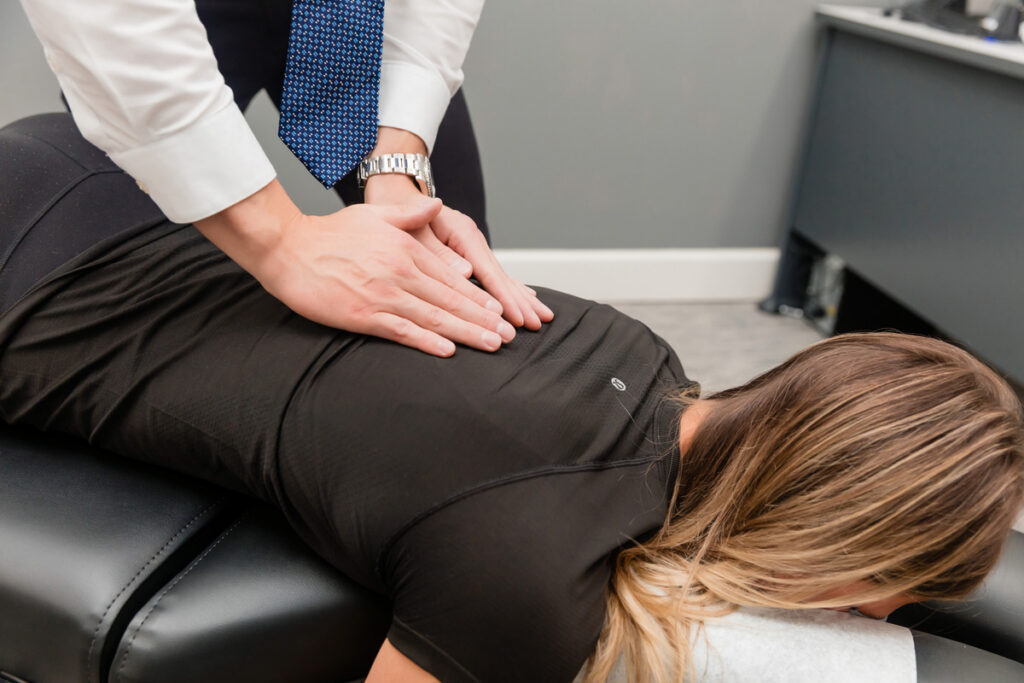
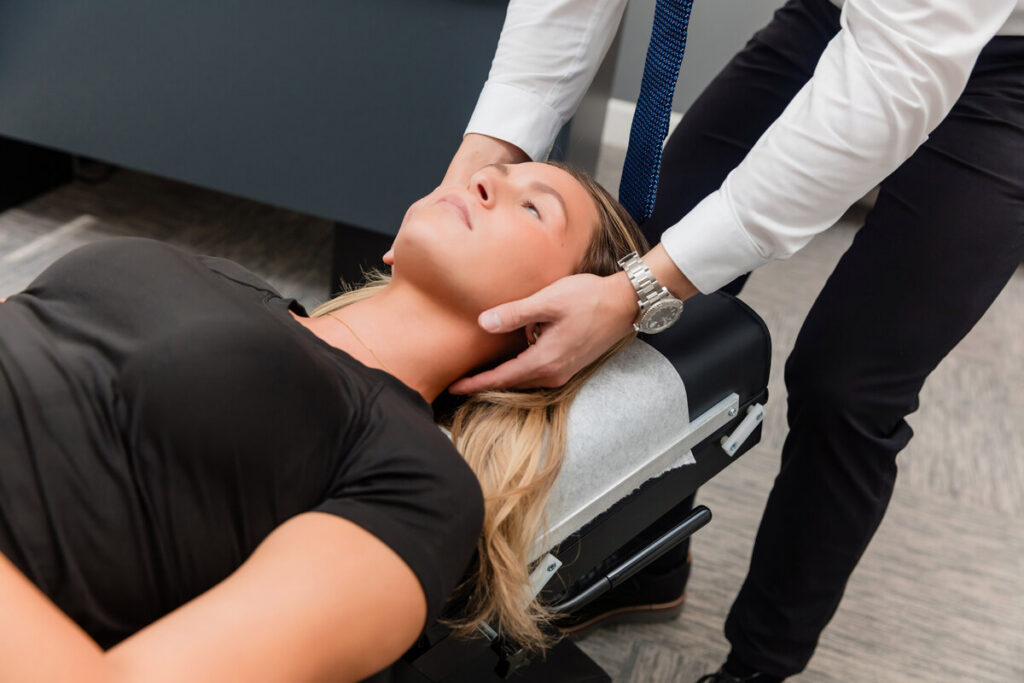
Chiropractic care is another option. Chiropractors focus on spinal alignment, using adjustments to relieve pressure on nerves and improve your overall function. Regular visits can lead to significant reductions in back pain for many patients.
Massage therapy can also be beneficial. By relieving muscle tension and improving circulation, massage can help alleviate discomfort and enhance relaxation. You might consider different styles, such as Swedish, deep tissue, or trigger point therapy, to see which works best for you.
Yoga and Pilates are excellent choices for building strength and flexibility while also promoting mindfulness. These practices can help you develop better posture and body awareness, potentially reducing the risk of future injuries.
Lastly, consider herbal remedies and dietary supplements. Some natural products, like turmeric and ginger, have anti-inflammatory properties that may aid in pain relief. Always consult a healthcare professional before starting any new supplement.
Exploring these alternative therapies can empower you in your journey toward chronic back pain relief, giving you more control over your health and well-being.
Medication and Pain Relief
When managing chronic back pain, medication can play an essential role in your relief strategy.
You have options ranging from over-the-counter pain relievers to stronger prescription medications, each with its own benefits.
Additionally, exploring alternative pain management methods can provide you with more thorough solutions tailored to your needs.
Over-the-Counter Options
For those dealing with chronic back pain, over-the-counter (OTC) options can provide a practical first line of defense.
These medications can help reduce inflammation and alleviate discomfort without the need for a prescription. Here are three effective OTC options you might consider:
- Nonsteroidal Anti-Inflammatory Drugs (NSAIDs): Medications like ibuprofen or naproxen can help reduce inflammation and relieve pain. They're often recommended for musculoskeletal issues, including back pain.
- Acetaminophen: This pain reliever is another popular choice. It's typically gentler on the stomach than NSAIDs and can effectively manage mild to moderate pain.
- Topical Analgesics: Creams and patches containing ingredients like menthol or capsaicin can provide localized pain relief. They're easy to apply and can be a good option if you want to avoid oral medications.
Always consult your healthcare provider before starting any new medication, especially if you have underlying health conditions or are taking other medications.
With the right OTC options, you can take proactive steps toward managing your chronic back pain effectively.
Prescription Medications Overview
Prescription medications play a crucial role in managing chronic back pain for those who require more than over-the-counter options. If you're struggling with persistent pain, your doctor may recommend a range of medications tailored to your specific needs.
Nonsteroidal anti-inflammatory drugs (NSAIDs) are often prescribed for their ability to reduce inflammation and alleviate pain. You might find relief from medications like ibuprofen or naproxen, but stronger NSAIDs may be necessary for some individuals.
Additionally, muscle relaxants can help ease muscle spasms that often accompany back pain, providing you with a greater range of motion.
For more severe pain, opioids might be considered, although they come with risks of dependence and side effects. Your doctor will carefully weigh these factors before prescribing them.
Antidepressants and anticonvulsants, while not traditional pain relievers, can also help manage chronic pain by altering how your brain perceives pain signals.
It's essential to maintain open communication with your healthcare provider about your pain levels and any side effects you may experience. Together, you can explore the best medication strategy to enhance your quality of life while minimizing risks.
Alternative Pain Management Methods
If traditional medications aren't providing the relief you need, exploring alternative pain management methods can be a beneficial option.
These approaches often focus on holistic care and can complement your current regimen. Here are three methods you might consider:
1. Physical Therapy: Working with a trained therapist can help strengthen your back muscles, improve flexibility, and reduce pain.
Tailored exercises may also prevent future injuries.
2. Acupuncture: This ancient practice involves inserting fine needles into specific points on your body.
Many people find that acupuncture helps alleviate back pain by stimulating the body's natural painkillers.
3. Chiropractic Care: A chiropractor can manipulate your spine to correct misalignments, which can relieve pressure on nerves and reduce pain.
Regular adjustments may also improve your overall mobility.
Mindfulness and Relaxation Techniques
Managing chronic back pain often involves more than just physical treatments; mindfulness and relaxation techniques can play an essential role in your recovery. These practices help you cultivate a deeper awareness of your body and its sensations, allowing you to manage pain more effectively.
Start by incorporating mindfulness meditation into your daily routine. Find a quiet space, sit comfortably, and focus on your breath. As you inhale and exhale, allow thoughts to come and go without judgment. This practice helps you develop a non-reactive attitude toward pain, reducing its emotional weight.
Progressive muscle relaxation is another effective technique. Begin by tensing and then relaxing each muscle group, starting from your toes and working your way up to your head. This method not only alleviates physical tension but also promotes a sense of calm that can be beneficial for your overall well-being.
Additionally, consider mindful movement practices like yoga or tai chi. These gentle exercises improve flexibility, strengthen your back muscles, and encourage body awareness. By focusing on your movements and breath, you can shift your attention away from pain and foster a sense of control over your body.
Incorporating these mindfulness and relaxation techniques into your daily life can greatly enhance your ability to cope with chronic back pain. As you become more attuned to your body and emotions, you'll likely find that your overall pain experience becomes more manageable.
When to Seek Professional Help
Knowing when to seek professional help for chronic back pain is essential to your recovery. While many cases can be managed with self-care and home remedies, there are times when you need a healthcare provider's expertise. Ignoring persistent pain can lead to complications, so it's vital to recognize when it's time to get help.
Here are three signs that indicate you should consult a professional:
- Pain Persists Beyond a Few Weeks: If your back pain doesn't improve after several weeks of rest, stretching, or over-the-counter medication, it's time to seek professional advice. Chronic pain often requires more specialized treatment.
- Severe or Worsening Pain: If you experience sudden, severe pain, or if your pain intensifies over time, don't hesitate to reach out for help. This could be a sign of a more serious underlying condition that needs immediate attention.
- Accompanying Symptoms: If your back pain is accompanied by other symptoms like numbness, tingling, weakness in your legs, or bowel/bladder control issues, you should seek medical help right away. These could indicate nerve damage or other serious conditions.
Listening to your body is vital. If you find yourself struggling with chronic back pain and notice any of these signs, don't wait. Getting professional help can pave the way for effective treatment and a return to your normal activities.
Conclusion
Incorporating these proven remedies into your daily routine can make a significant difference in managing chronic back pain. By focusing on lifestyle changes, targeted exercises, and alternative therapies, you can find relief and improve your overall well-being. Don't forget the power of mindfulness techniques to help you cope with the emotional aspects of pain. If your discomfort persists, seeking professional help is essential for tailored guidance and support. Take charge of your health and start your journey to relief today!